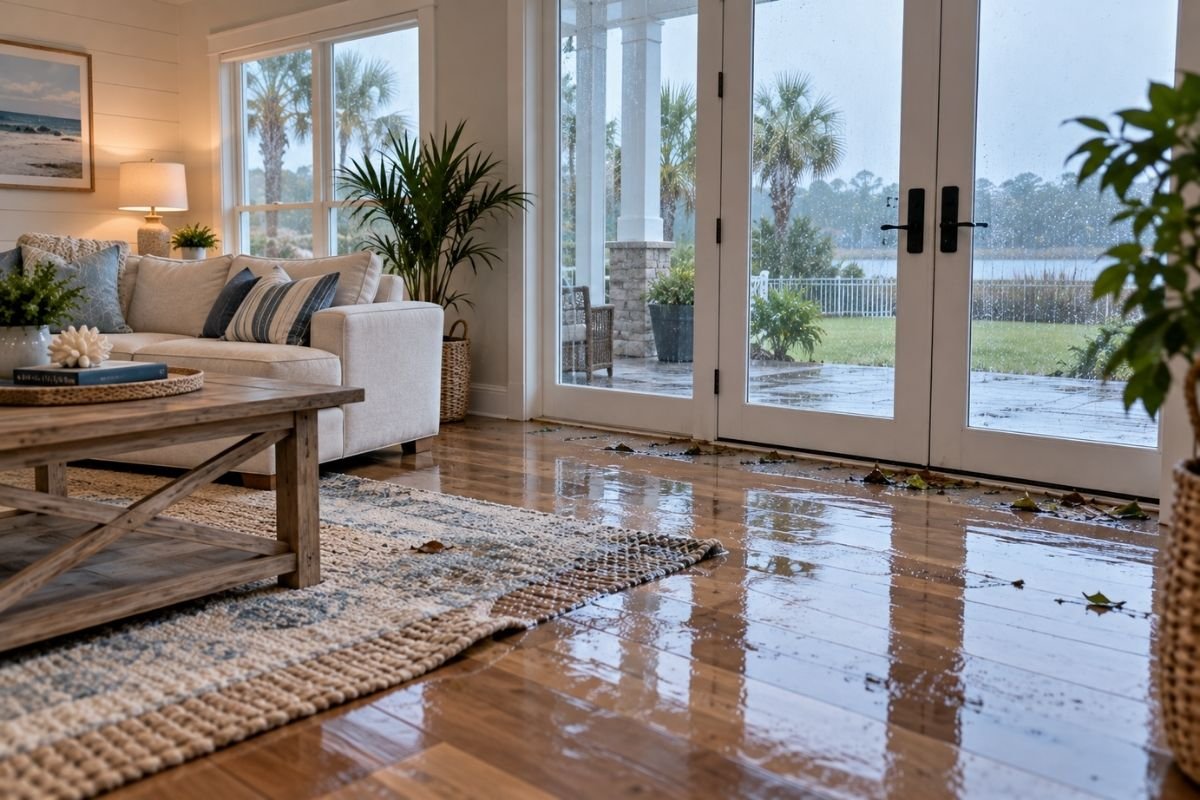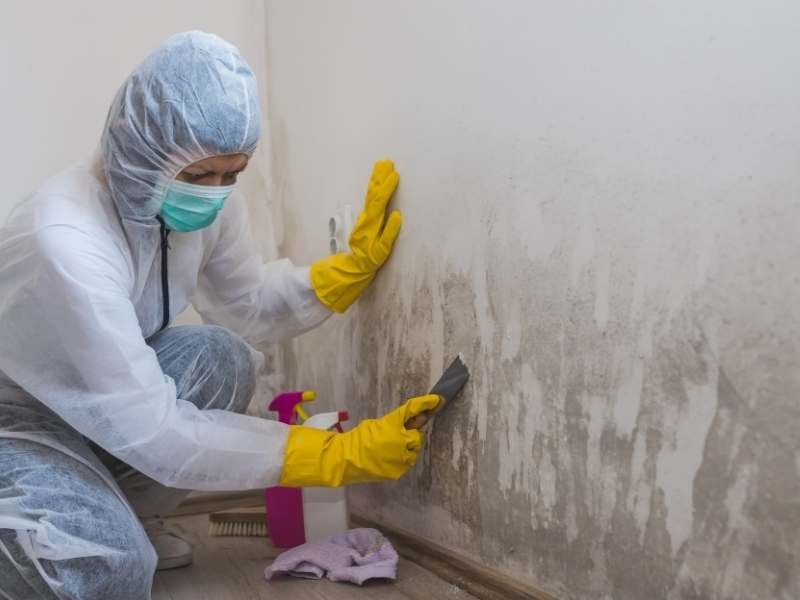
If you’ve ever noticed a musty smell in your home or spotted dark patches creeping across your walls, ceilings, or basement, you’re not alone. Many homeowners in Hampstead, NC and surrounding areas like Wilmington and Surf City deal with mold problems every year. With our warm, humid coastal climate, conditions are perfect for mold growth if moisture sneaks into the home.
The good news? Mold can be treated effectively with professional mold remediation. Let’s break down what mold remediation really means, why it matters for your home, and how to protect your family’s health and property.
What is Mold Remediation?
Mold remediation is more than just “mold cleaning.” While cleaning removes surface mold, remediation goes deeper. It identifies the root cause of the problem—like a water leak, moisture problem, or air infiltration—and treats the issue so the mold doesn’t come back.
A typical remediation process includes:
-
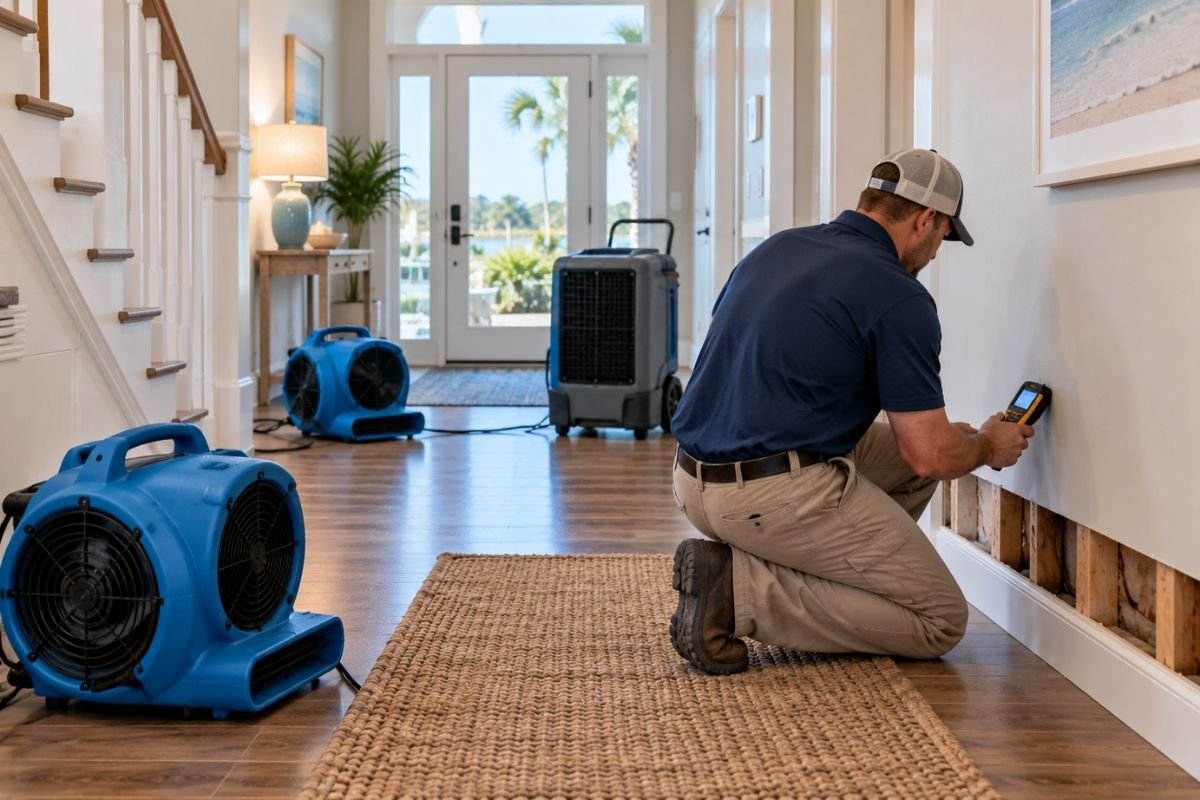
Inspection and Assessment – A professional team uses tools like thermal cameras and infrared imaging to locate hidden moisture.
-
Containment – Mold spores can spread easily, so areas are sealed off to prevent contamination.
-
Removal – Mold-affected materials are either cleaned with specialized solutions or safely disposed of if the damage is severe.
-
Drying and Dehumidification – The source of the moisture problem is fixed, and the home is dried out to prevent future growth.
-
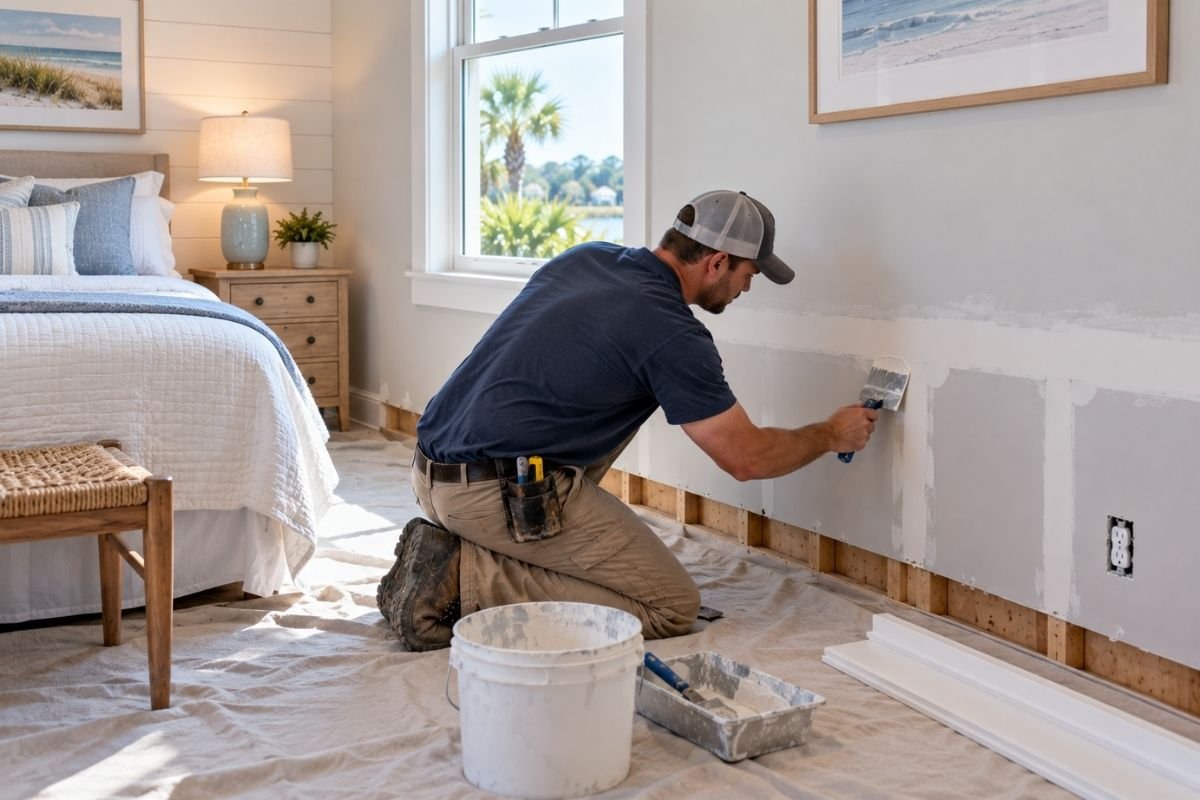
Repairs – Any damaged drywall, insulation, or flooring is replaced, bringing your home back to a safe condition.
Why Mold is a Big Deal
Mold isn’t just ugly—it can affect your home and your health.
-
Health Risks: Mold spores can cause allergy-like symptoms, coughing, sneezing, and even breathing problems for sensitive individuals.
-
Property Damage: Over time, mold eats away at building materials, weakening wood, drywall, and insulation.
-
Persistent Odor: A musty or damp smell lingers even after cleaning, unless the underlying issue is resolved.
For homeowners in Hampstead and coastal North Carolina, staying proactive about mold remediation is essential to protect both property and family health.
Signs You May Need Mold Remediation
How do you know if it’s time to call in the pros? Watch out for these warning signs:
-
Musty or Damp Smell – A persistent odor, even when the home looks clean, often points to hidden mold.
-
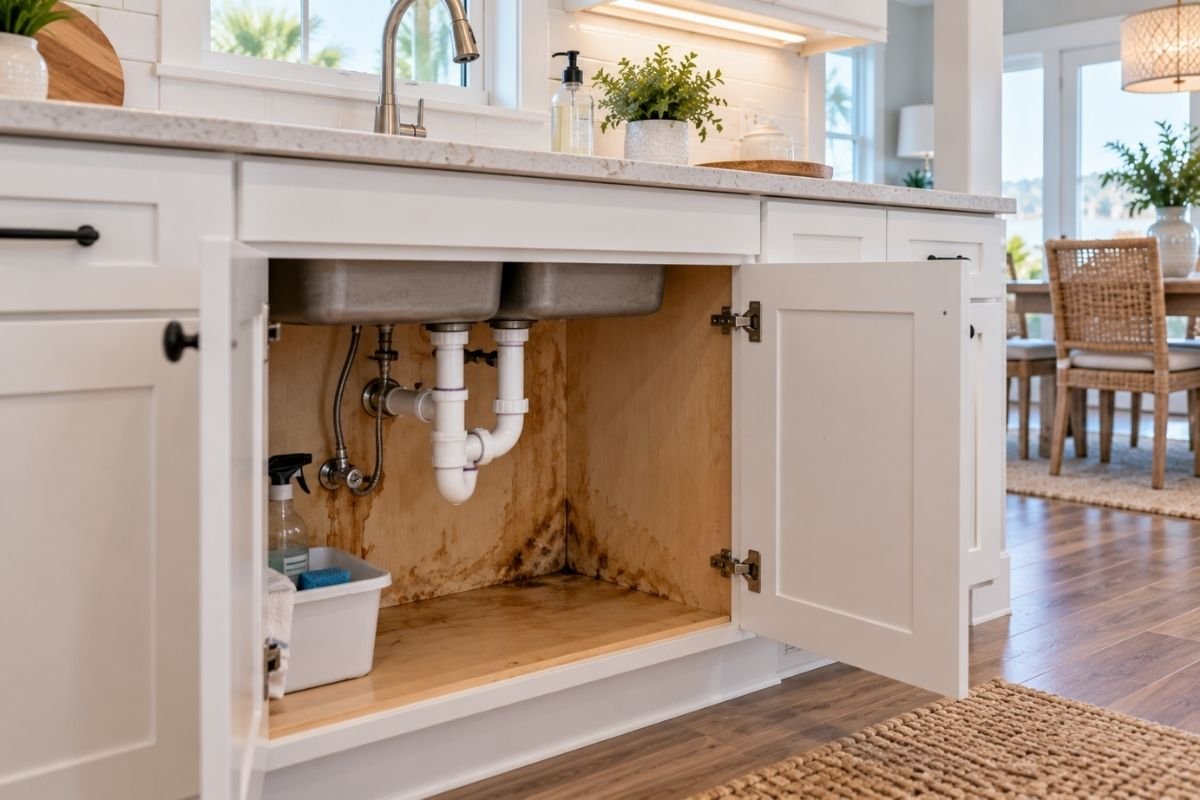
Visible Growth – Black, green, or white patches on walls, ceilings, or around windows.
-
Moisture Problems – Leaky roofs, plumbing issues, or flooding can lead to mold within 24–48 hours.
-
Air Infiltration – Drafts or leaks around windows and doors let humid air inside, creating the perfect environment for mold.
-
Unexplained Health Issues – If you or your family feel better outside the home than inside, mold could be the culprit.
How Thermal Cameras Help Detect Hidden Mold
Not all mold is visible. In fact, some of the most dangerous infestations grow behind walls or under flooring where moisture is trapped. That’s where thermal camera inspections come in.
A thermal camera doesn’t “see” mold directly but detects temperature differences caused by moisture. For example:
-
Wet drywall appears cooler than dry areas.
-
Leaks behind walls show up as unusual patterns.
-
Roof and ceiling leaks can be spotted without tearing into the structure.
Paired with infrared imaging, this technology allows inspectors to diagnose problems quickly and accurately, saving homeowners time and money.
More Than Just a Handyman Service
Some people think a handyman can handle mold, but true remediation requires a trained, professional approach. While handyman services are great for routine home repairs, mold remediation involves specialized equipment, safety protocols, and expert knowledge.
That’s why choosing a company experienced in both home repairs and mold remediation gives you the best of both worlds. They can not only remove the mold but also repair drywall, seal leaks, and make sure your home is safe for the long run.
Mold Cleaning vs. Mold Remediation
It’s worth repeating: mold cleaning and mold remediation are not the same.
-
Mold Cleaning: Wiping away visible mold with bleach or household products. This only removes the surface problem.
-
Mold Remediation: Identifying the moisture source, stopping mold growth, removing damaged materials, and restoring your home.
If you’ve tried cleaning but the smell or stains keep coming back, it’s time to call in professionals for full remediation.
Preventing Future Mold Problems
Once your home is restored, you’ll want to keep it mold-free. Here are some simple tips:
-
Fix Leaks Promptly – Whether it’s a roof leak or dripping pipe, don’t let water sit.
-
Improve Ventilation – Use exhaust fans in bathrooms, kitchens, and laundry areas.
-
Seal Air Leaks – Prevent air infiltration by sealing windows, doors, and cracks.
-
Control Humidity – A dehumidifier can keep indoor air below 50% humidity.
-
Schedule Inspections – Annual mold inspections with thermal camera checks can catch issues early.
Serving Hampstead, Wilmington, and Surf City
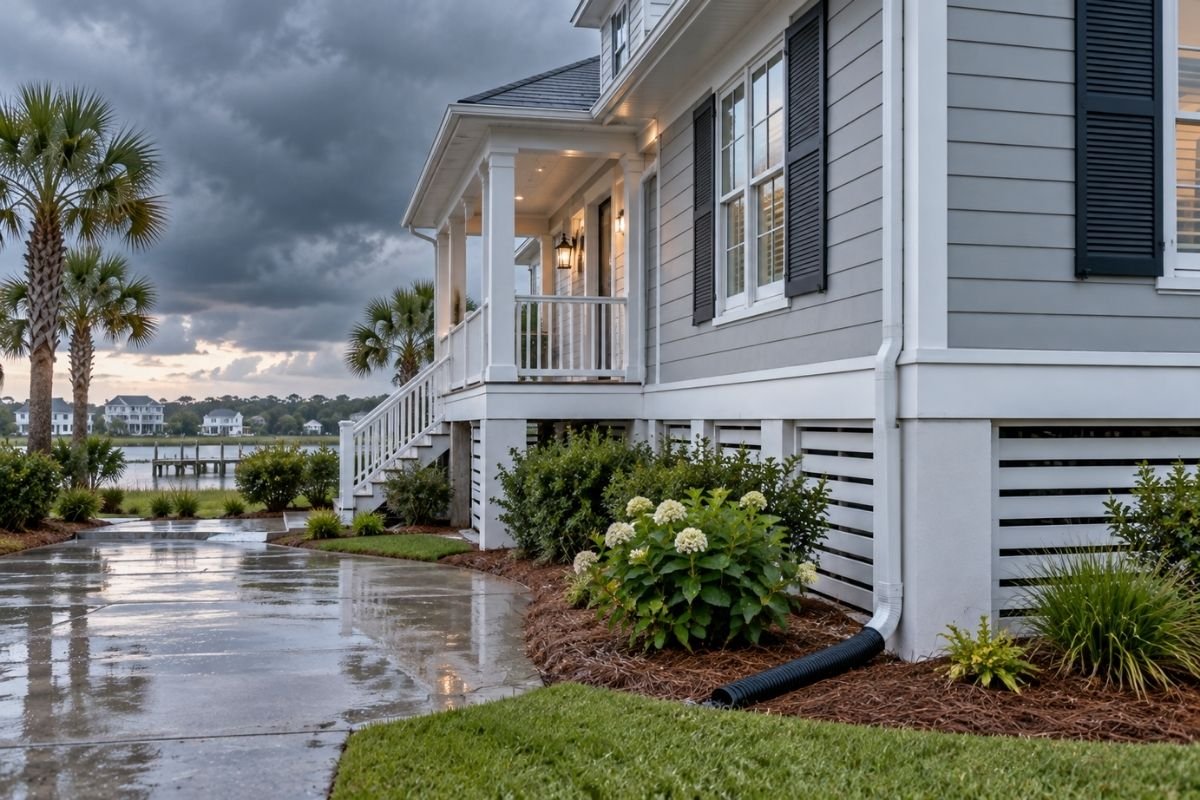
Whether you live in Hampstead, Wilmington, or Surf City, NC, local homes face unique challenges from our humid coastal climate. Salt air, heavy rains, and seasonal storms create conditions where mold thrives.
By working with a trusted local remediation company, you’ll have peace of mind knowing your home is safe, clean, and protected.
Final Thoughts
Mold problems can feel overwhelming, but with the right approach, they’re completely manageable. Mold remediation isn’t just about cleaning—it’s about solving the underlying moisture problems, removing the mold safely, and repairing your home so it stays healthy.
If you notice a musty smell, damp patches, or other signs of mold in your home, don’t wait. Professional inspection with thermal cameras and infrared imaging can find hidden trouble before it spreads.
By investing in proper remediation, you’ll protect your health, your home, and your peace of mind.