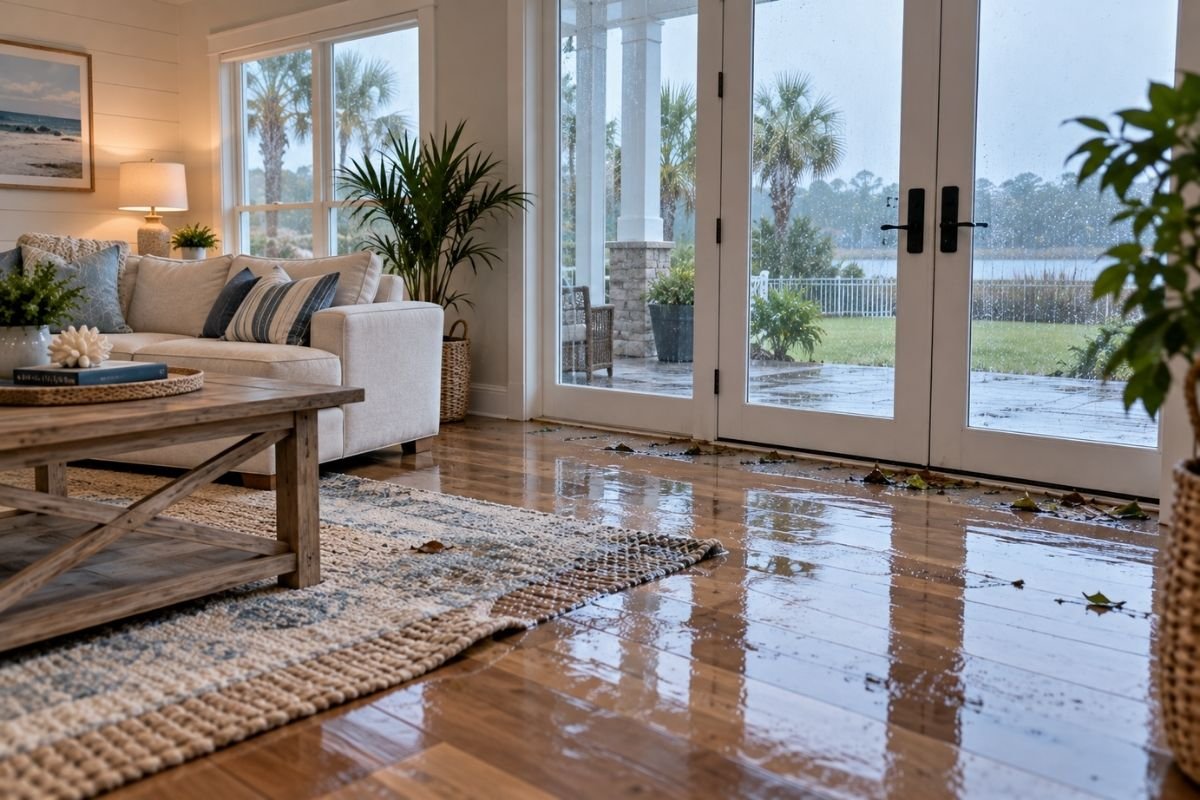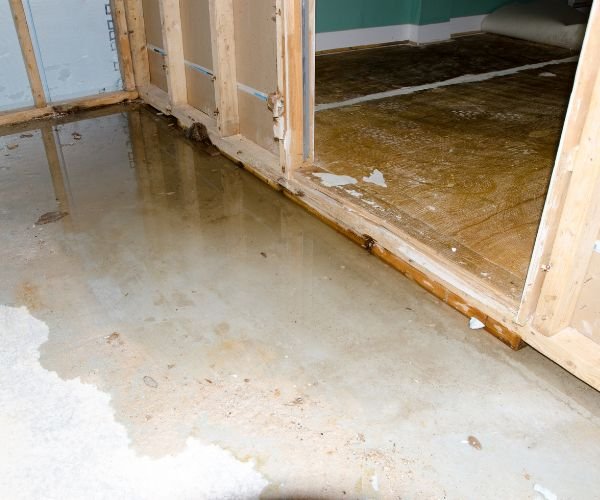
Water damage is one of the most common causes of serious home repair issues. While some damage is easy to spot, other problems develop slowly and remain hidden for months or even years. Over time, water damage can lead to structural wood rot, which affects the strength and safety of your home.
Because these issues often start small, understanding how water damage leads to wood rot can help homeowners act early and avoid costly repairs.
What Is Water Damage in a Home?
Water damage occurs when moisture enters areas where it should not be. This moisture may come from leaks, poor drainage, or long-term exposure to humidity.
Common sources of water damage include:
-
Roof leaks
-
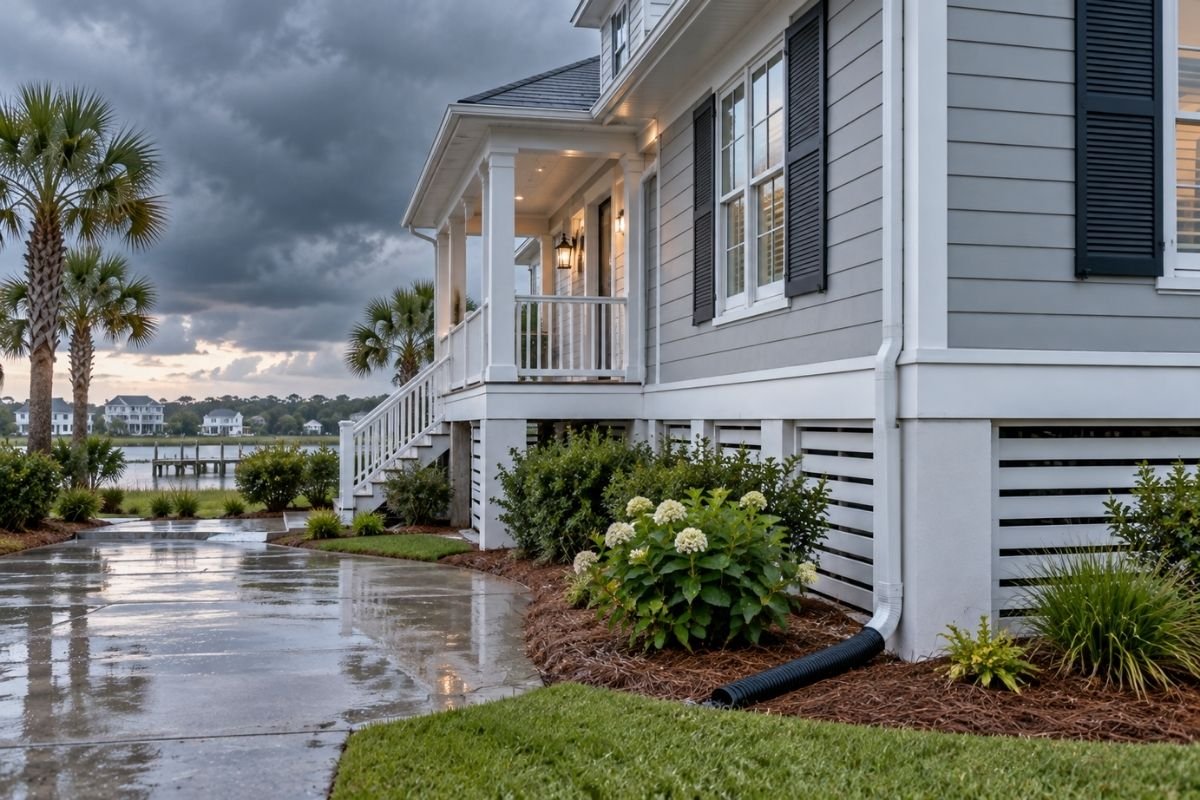
Faulty gutters or downspouts
-
Window and door leaks
-
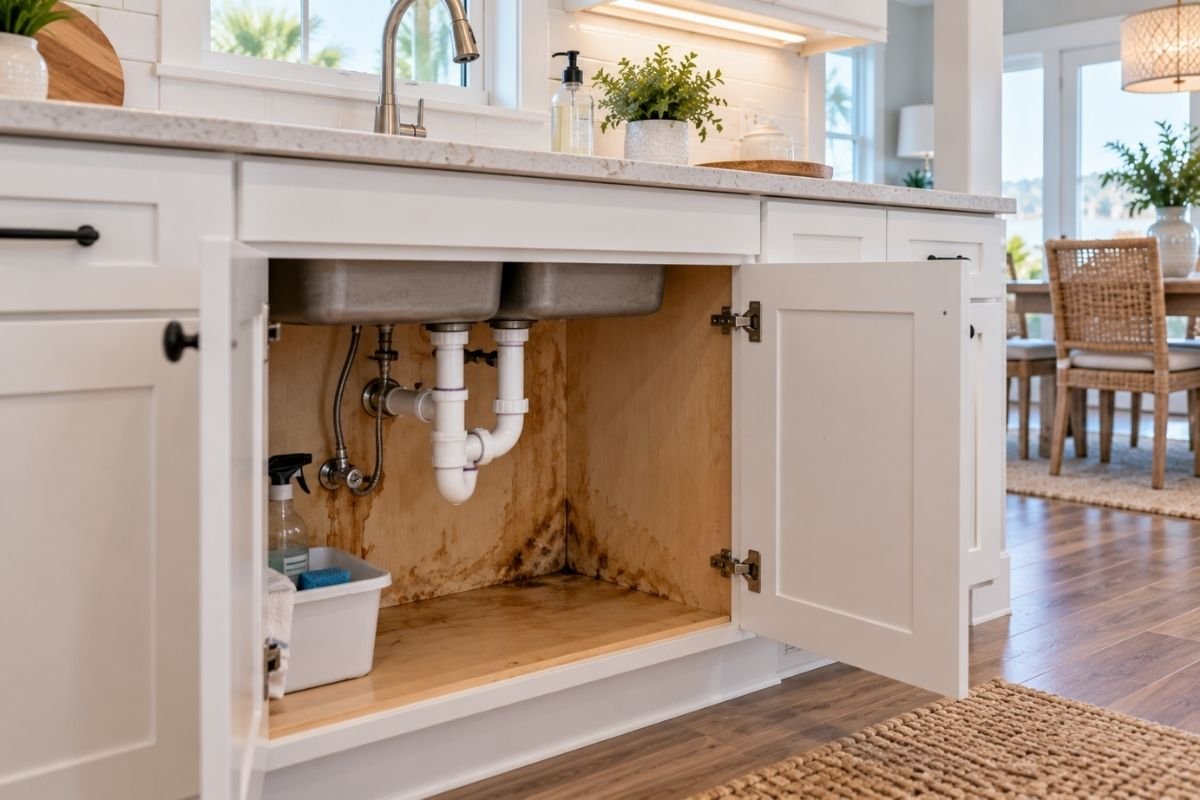
Plumbing issues
-
Poor exterior sealing
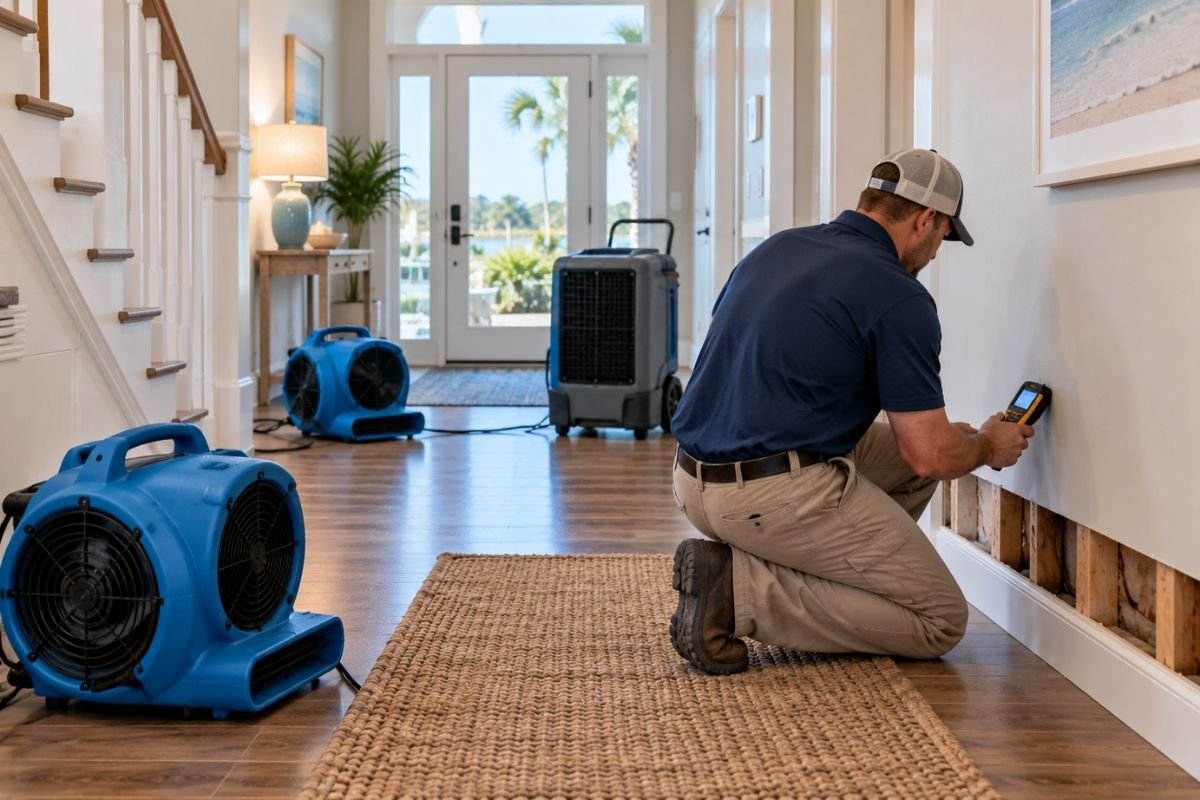
Although some water damage is visible, much of it stays hidden behind walls, trim, or siding.
How Water Damage Turns into Wood Rot
Wood naturally absorbs moisture. When wood stays wet for long periods, fungi begin to grow. These fungi break down wood fibers, causing the material to lose strength. This process is known as wood rot.
Over time:
-
Wood becomes soft and weak
-
Structural support decreases
-
Damage spreads to nearby areas
Because of this, water damage should never be ignored, even when it appears minor.
Why Structural Wood Rot Is a Serious Problem
Structural wood plays a key role in supporting your home. When this wood becomes damaged, the safety of the structure can be affected.
Structural wood rot can lead to:
-
Weak framing
-
Sagging floors or decks
-
Unstable door and window openings
-
Increased repair costs
As a result, early detection and repair are critical.
Signs Water Damage May Be Causing Wood Rot
Water damage does not always show obvious signs right away. However, several warning signs may point to deeper problems.
Soft or Weak Wood
When wood feels soft or spongy, moisture damage may already be present.
Discoloration or Staining
Dark patches, water stains, or uneven coloring often indicate long-term moisture exposure.
Peeling Paint or Bubbling Surfaces
Paint that peels or bubbles easily may hide moisture trapped underneath.
Musty Odors
Damp or musty smells often suggest hidden moisture or rot.
Warped or Misaligned Surfaces
Doors or trim that warp or pull away from walls can signal wood damage below the surface.
Areas Most Affected by Water Damage
Some areas of the home face more moisture exposure than others. Therefore, these locations should be inspected regularly.
Common problem areas include:
-
Window and door frames
-
Exterior trim and siding
-
Decks and porch structures
-
Areas near gutters and downspouts
-
Bathrooms and kitchens
By checking these areas often, homeowners can catch issues early.
How Structural Wood Rot Is Fixed
Fixing structural wood rot involves more than surface repairs. A proper repair process includes several steps.
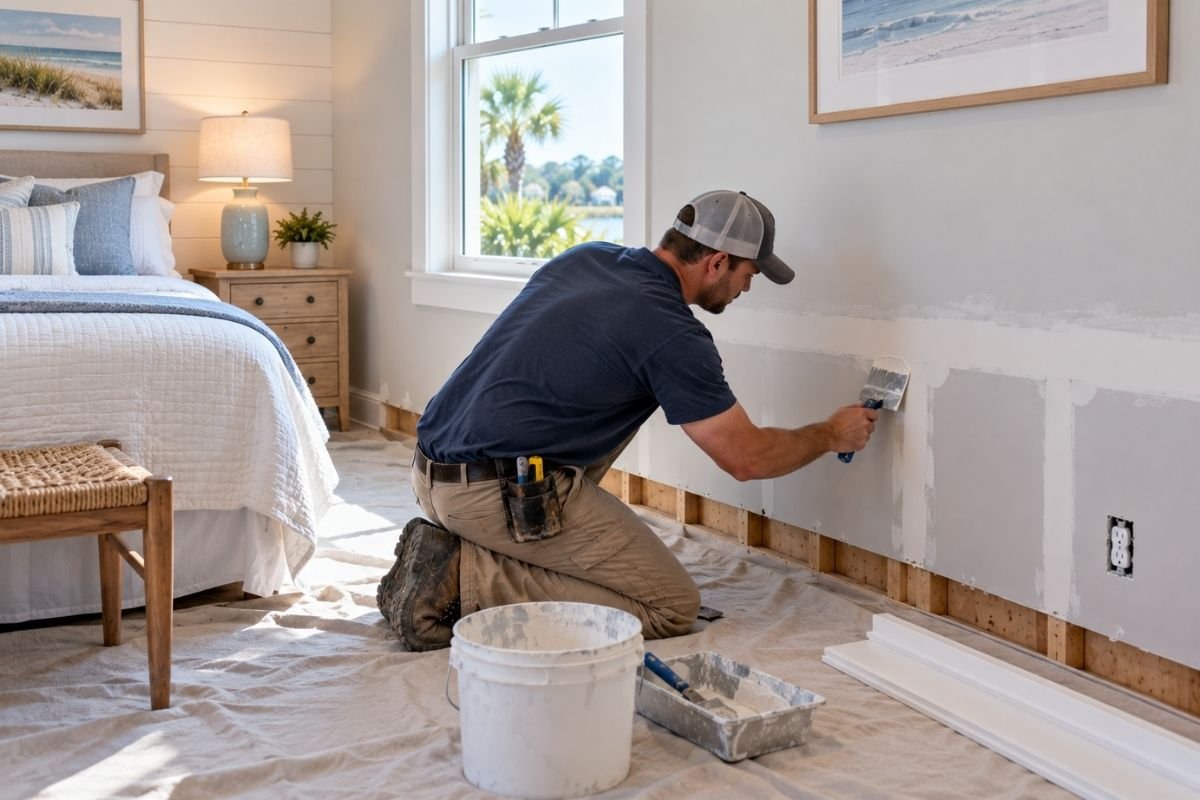
First, professionals locate the source of the water damage. Next, all rotted wood is removed completely. After that, replacement materials are installed and properly secured. Finally, the area is sealed to prevent future moisture problems.
This process:
-
Restores strength and stability
-
Stops rot from spreading
-
Protects surrounding materials
-
Improves long-term durability
Because structural integrity is involved, professional repair is strongly recommended.
Why DIY Repairs Are Risky
Some homeowners attempt to patch damaged wood themselves. While small cosmetic fixes may seem helpful, they often leave hidden damage untreated.
Without removing all rotted wood and fixing moisture sources:
-
Rot continues to spread
-
Structural strength remains compromised
-
Repairs fail over time
For this reason, professional repairs provide a safer and longer-lasting solution.
How Water Damage and Wood Rot Affect Home Value
Homes with water damage or visible rot often raise concerns for buyers. On the other hand, homes that show signs of proper maintenance feel more secure and appealing.
By addressing water damage and replacing rotted wood:
-
The home looks well cared for
-
Structural safety improves
-
Long-term repair costs decrease
-
Buyer confidence increases
Because of this, timely repairs protect both comfort and value.
Preventing Future Water Damage
After repairs are complete, prevention becomes important. Homeowners can reduce future risk by:
-
Maintaining gutters and downspouts
-
Sealing windows and doors properly
-
Addressing leaks quickly
-
Keeping wood surfaces protected with paint or sealant
Regular inspections also help catch problems early.
When to Call a Professional
If you notice signs of water damage or suspect wood rot, contacting a professional is the best next step. Even small issues can hide larger problems beneath the surface.
At Atlantic Coastal Solutions, water damage repairs and structural wood replacement are handled with care and attention to detail. The goal is always to restore safety, strength, and long-term protection.
Protect Your Home from Water Damage and Wood Rot
Water damage does not go away on its own. Over time, it leads to structural wood rot that weakens your home. By addressing moisture issues early and replacing damaged wood properly, homeowners can avoid serious repairs later.
If your home shows signs of water damage or wood rot, Atlantic Coastal Solutions can inspect the damage and provide reliable, professional repairs to protect your home.