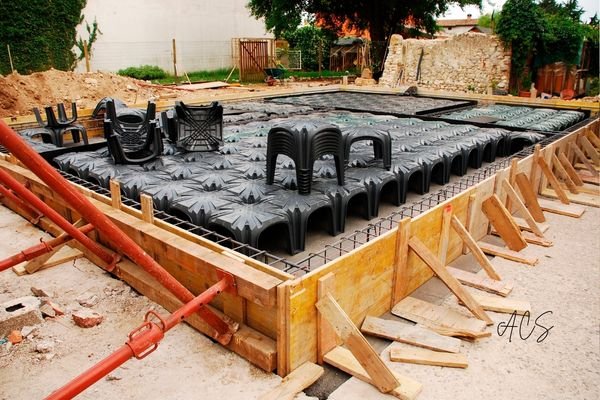
Commercial buildings in coastal North Carolina must maintain safe environments for employees, tenants, and visitors. Property owners often focus on structural maintenance, plumbing systems, and HVAC performance. However, indoor air quality can sometimes receive less attention. One hidden concern that may affect commercial properties is radon gas.
Radon forms naturally in soil and rock beneath buildings. The gas moves through the ground and can enter structures through foundation cracks, pipe openings, or gaps in construction joints. Because radon has no smell, color, or taste, people cannot detect it without professional testing.
Across Wilmington, Hampstead, Surf City, Topsail Beach, and Wrightsville Beach, many commercial buildings sit on sandy soil and include crawl spaces or slab foundations. These conditions can allow radon gas to enter indoor spaces. When radon becomes trapped indoors, levels may rise over time and create potential health risks.
Commercial radon mitigation systems provide an effective solution by redirecting radon gas away from the building before it reaches occupied areas.
Why This Service Matters
Protecting Employees, Tenants, and Visitors
Radon exposure has been linked to long term health risks. The Environmental Protection Agency identifies radon as one of the leading causes of lung cancer among non smokers.
In commercial buildings, many individuals may spend long hours indoors. Office workers, retail employees, and building occupants can face prolonged exposure if radon levels become elevated.
Radon mitigation systems help reduce radon concentrations and maintain safer indoor air quality. These systems improve protection for everyone inside the building.
Supporting Responsible Property Ownership
Business owners and property managers must maintain safe working environments. Addressing radon concerns demonstrates a commitment to health and safety.
For commercial property owners in Wilmington and Hampstead, installing radon mitigation systems helps ensure that buildings meet safety expectations for tenants and employees.
Common Signs You May Need Radon Mitigation
Indicators That a Commercial Property May Need Mitigation
Radon gas cannot be detected without specialized equipment. The most reliable way to determine whether mitigation is needed is through professional radon testing.
However, certain building conditions increase the likelihood of elevated radon levels.
Commercial radon mitigation may be necessary if:
-
Radon testing results show levels above recommended limits
-
The building has a crawl space or basement foundation
-
The structure includes slab-on-grade construction
-
Foundation cracks or utility openings are present
-
The property is located in an area with higher radon potential
Many commercial properties in Wilmington and Hampstead include lower level storage areas or mechanical rooms. Radon gas may accumulate more easily in these enclosed spaces.
Benefits of Hiring a Professional
Proper System Design and Installation
Commercial radon mitigation requires specialized knowledge of building structures and ventilation systems. Professional installers understand how radon moves through soil and how it enters commercial buildings.
Professional mitigation services offer several benefits.
Technicians evaluate the building layout and foundation structure. They determine the most effective mitigation method for the property.
Professionals install ventilation piping and specialized fans that draw radon gas from beneath the building. The system then safely vents the gas outside above the roofline.
Proper installation ensures the mitigation system operates efficiently and reduces radon levels effectively.
What the Process Typically Involves
Steps in Commercial Radon Mitigation
The mitigation process begins after radon testing confirms elevated levels inside the building.
First, technicians inspect the foundation and building layout. They identify areas where radon gas may enter the structure.
Most commercial mitigation systems use a method called sub-slab depressurization. This system pulls radon gas from beneath the building before it can enter indoor spaces.
A network of pipes is installed beneath the foundation or within crawl spaces. A radon fan then draws gas through the piping system and releases it safely outside.
After installation, follow up testing confirms that radon levels have been reduced.
Why This Matters in Hampstead, Wilmington, Surf City, Topsail Beach, and Wrightsville Beach
Coastal Soil and Construction Factors
Environmental conditions in coastal North Carolina can influence radon movement underground.
Many buildings in Wilmington, Hampstead, and Surf City are constructed on sandy soil. This soil allows gases such as radon to travel more easily beneath foundations.
Crawl spaces are also common in coastal construction. While they help manage moisture and flood risks, crawl spaces may allow soil gases to enter indoor spaces if mitigation systems are not installed.
Commercial buildings in beach communities such as Topsail Beach and Wrightsville Beach often include enclosed lower areas used for parking or equipment storage. Radon gas can accumulate in these spaces if ventilation remains limited.
Because construction styles and soil conditions vary across the region, mitigation systems provide an effective solution for maintaining safe indoor air quality.
When to Schedule Service
Best Time to Install a Mitigation System
Commercial radon mitigation should be scheduled once testing confirms elevated radon levels.
Property owners may also install mitigation systems during major renovations or structural repairs. Addressing radon concerns during renovation can simplify installation.
Property managers who oversee multiple buildings often conduct routine radon testing. If levels rise above recommended limits, mitigation systems help restore safe indoor air conditions.
Conclusion
Radon gas is an invisible environmental risk that can affect commercial buildings throughout coastal North Carolina. Because radon cannot be detected without testing, many property owners remain unaware of the issue until testing reveals elevated levels.
Commercial properties in Wilmington, Hampstead, Surf City, Topsail Beach, and Wrightsville Beach can benefit from professional radon mitigation systems. These systems remove radon gas from beneath buildings and prevent it from entering indoor spaces.
By installing commercial radon mitigation systems, property owners protect employees, tenants, and visitors while maintaining safe indoor air quality.