If you live in Hampstead, NC, you already know the coastal humidity can be brutal. While the ocean breeze feels refreshing outdoors, that same moist air can quietly damage your home from the inside. Many homeowners are surprised to find mold growing even after cleaning — and the real culprit often isn’t just visible moisture. It’s something far less obvious: air infiltration.
Air infiltration happens when outdoor air sneaks inside through cracks, gaps, or poorly sealed areas in your home. Over time, this constant flow of warm, humid air mixes with cool indoor air and creates condensation. That trapped moisture becomes the perfect breeding ground for mold growth, musty smells, and structural damage.
Understanding how air infiltration works — and how to stop it — can help you keep your home dry, healthy, and mold-free all year round.
How Air Infiltration Causes Moisture Problems
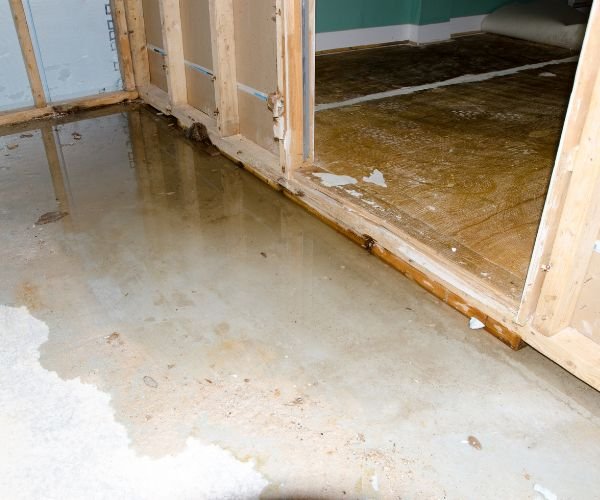
Most homes naturally “breathe” a little, but excessive air infiltration allows too much humidity to enter. When that moisture-laden air meets a cooler surface, such as an air-conditioned wall or ceiling, condensation forms. This water seeps into drywall, insulation, and wood framing.
At first, you may not notice anything. But over time, the combination of hidden moisture and organic materials creates the perfect environment for mold growth. The damage often starts behind walls or under floors, spreading silently before it becomes visible.
Typical entry points for air infiltration include:
-
Gaps around windows and doors.
-
Unsealed attic hatches or vents.
-
Cracks near baseboards or electrical outlets.
-
Loose or damaged HVAC ductwork.
-
Open crawl space vents.
When warm, moist air continues entering through these gaps, the moisture problem grows worse, even if you clean or repaint moldy areas.
Why Hampstead Homes Are at Higher Risk
Coastal towns like Hampstead, NC, are especially prone to moisture and air infiltration issues. The salty, humid air carries water vapor that easily enters small openings. Older homes, in particular, may have worn weatherstripping or insulation that no longer provides a tight seal.
Frequent temperature swings between the hot, humid outdoors and cool, air-conditioned interiors also accelerate condensation. This makes mold growth more common in walls, attics, basements, and crawl spaces.
Even new homes can have air leaks from poor construction sealing. That’s why a professional inspection using infrared imaging or thermal cameras is the best way to locate problem areas accurately.
Signs You May Have Air Infiltration and Moisture Issues
You might not see moisture, but there are several warning signs that indicate a problem:
-
Persistent musty or damp smells, especially near walls or windows.
-
Condensation on windows or glass doors.
-
Rooms that feel humid or sticky even with the air conditioner on.
-
Cold drafts during winter months.
-
Uneven temperatures or high energy bills.
-
Reoccurring mold spots on walls, ceilings, or furniture.
If these sound familiar, your home likely has air infiltration allowing moisture to build up inside.
How Professionals Detect and Fix the Problem
A proper inspection is the first step. Professionals use thermal cameras and infrared imaging to detect temperature differences that reveal hidden air leaks and moisture buildup. These cameras show where humid air is entering your home or where damp spots are forming behind surfaces.
Once identified, your technician can:
-
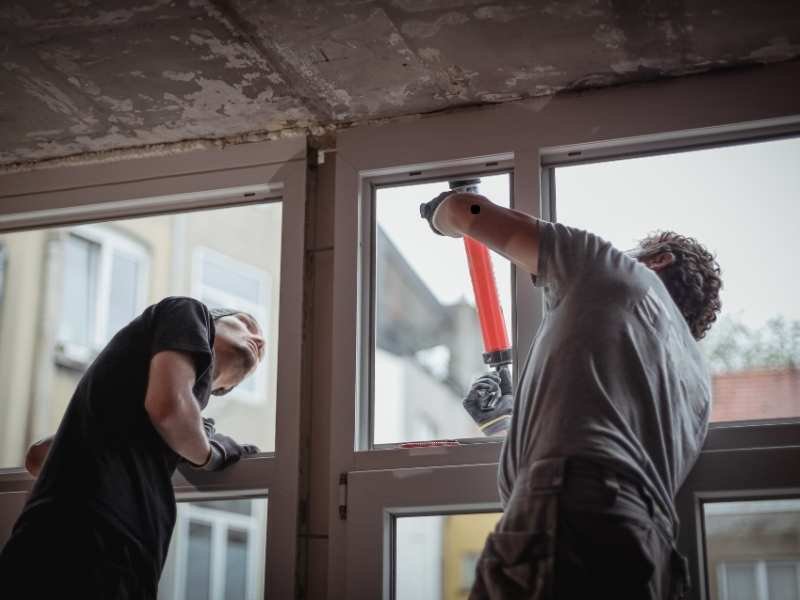
Seal cracks around windows, doors, and vents.
-
Add or replace insulation in attics or crawl spaces.
-
Install vapor barriers to control ground moisture.
-
Repair or replace damaged HVAC ducts.
-
Add ventilation fans in bathrooms, attics, or laundry areas.
These repairs not only prevent mold but also reduce energy waste and make your home more comfortable.
The Link Between Air Infiltration and Mold
When humid air continually seeps inside, it feeds existing mold spores and keeps the environment damp enough for growth. Even if you remove mold once, it will return if infiltration isn’t addressed.
That’s why mold cleaning and handyman repairs must go hand-in-hand. A handyman can seal cracks, patch drywall, and replace insulation — permanently solving what caused the mold in the first place. Without those repairs, mold cleaning alone is just a temporary solution.
Real Example: Fixing Air Infiltration in a Hampstead Home
A homeowner in Hampstead recently contacted our team after dealing with recurring mold in a guest bedroom. The walls had been cleaned twice, but dark patches kept reappearing. Using infrared imaging, we found that warm air was entering through a poorly sealed attic hatch, causing condensation inside the ceiling.
Our crew sealed the hatch, replaced the affected drywall, and installed a small vent fan for air circulation. The humidity dropped immediately, and the mold has not returned since.
This simple fix proved that controlling air infiltration can completely stop mold at its source.
Long-Term Prevention Tips
Once the leaks are repaired, maintaining a dry home requires a few simple habits:
-
Keep indoor humidity below 50% using a dehumidifier.
-
Inspect window seals and door frames every few months.
-
Run exhaust fans during and after showers or cooking.
-
Clean gutters regularly to prevent roof leaks.
-
Schedule annual mold inspections for peace of mind.
These preventive steps, combined with proper repairs, can make a huge difference in keeping your home mold-free.
Why Hire Professionals
While DIY sealing kits exist, finding all the small leak points in your home isn’t easy. Professionals have specialized tools to identify exactly where air and moisture enter.
A skilled handyman or restoration technician doesn’t just seal gaps — they understand airflow, insulation, and moisture dynamics. They can evaluate the entire system and make sure your home stays comfortable and dry year-round.
By hiring professionals in Hampstead, NC, you protect both your property and your health from the long-term effects of mold exposure.
Conclusion
Air infiltration is one of the most overlooked causes of mold problems in North Carolina homes. The process is slow, silent, and often invisible — but its impact can be severe. Thankfully, with professional inspection, thermal imaging, and handyman repairs, you can stop the problem at its source.
If you suspect hidden leaks or moisture issues in your Hampstead home, don’t wait until mold appears. Our experts at Atlantic Coastal Solutions Services provide full inspections, repairs, and moisture control solutions tailored to your home’s needs.
For additional homeowner guidance, check out the EPA’s Indoor Air Quality Guide. Together, we can help your home stay dry, healthy, and mold-free.