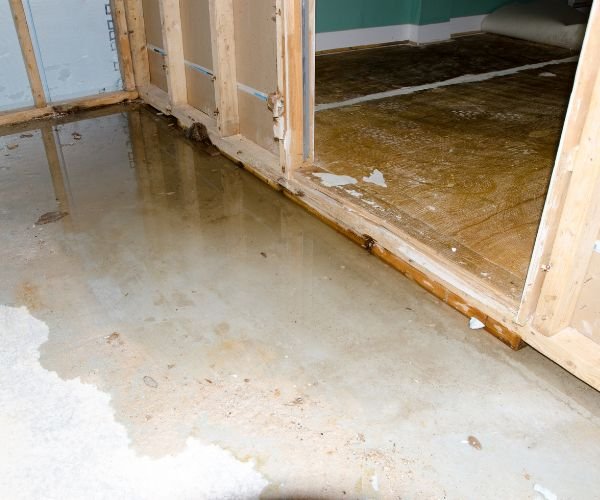
In a beautiful coastal town like Surf City, NC, living near the ocean has endless perks — the breeze, the views, and the relaxed lifestyle. But with that coastal charm comes one persistent challenge: moisture. Humidity levels are high year-round, and without proper care, that moisture can easily lead to mold growth inside your home.
Many homeowners think mold only appears after floods or leaks, but in reality, it can start from small everyday issues — condensation on windows, poor airflow, or even air infiltration through tiny cracks. Understanding how to prevent mold growth in Surf City, NC is essential to keeping your home safe, clean, and healthy.
Why Mold is So Common in Coastal Homes
Homes near the coast naturally experience higher humidity. When warm, moist air from outside mixes with cooler indoor temperatures, condensation forms. This moisture can collect on walls, ceilings, and hidden corners — creating ideal conditions for mold.
Even with air conditioning, homes in Surf City are vulnerable to musty smells, damp walls, and recurring mold patches. The problem gets worse if the home has poor ventilation, water leaks, or older insulation. Over time, mold can damage drywall, wood, flooring, and even affect indoor air quality.
That’s why taking proactive steps to prevent mold is far easier — and cheaper — than waiting to remove it later.
1. Control Indoor Humidity
Humidity is the main reason mold grows. Try to keep indoor humidity levels between 30% and 50%.
Here’s how you can manage it:
-
Use dehumidifiers in basements, crawl spaces, or bathrooms.
-
Keep your air conditioner well-maintained to remove excess moisture.
-
Open windows on dry, breezy days to let fresh air circulate.
-
Use exhaust fans in bathrooms, kitchens, and laundry areas.
If you notice foggy windows or a damp feel in the air, it’s a sign humidity is too high.
2. Fix Leaks Immediately
Even a tiny leak can cause major damage if left unchecked. Inspect your home regularly for:
-
Drips under sinks or behind toilets.
-
Stains or bubbles on ceilings and walls.
-
Soft spots near windows or doors.
Leaks allow moisture to collect behind surfaces where mold thrives unseen. Calling a handyman or moisture specialist early prevents long-term damage and costly repairs.
3. Seal Air Infiltration Points
Air infiltration — when humid outdoor air seeps into your home — is a hidden cause of moisture buildup.
Check and seal:
-
Window frames and door edges.
-
Attic hatches and crawl space vents.
-
Gaps around electrical outlets and plumbing lines.
Professionals can use infrared imaging or thermal cameras to detect where warm air is entering. Sealing those leaks not only helps with mold prevention but also reduces energy bills and keeps your home more comfortable.
4. Keep Water Away from Your Foundation
Rain and humidity are constant along the coast, so it’s important to direct water away from your house.
-
Keep gutters and downspouts clear of debris.
-
Ensure downspouts drain water several feet from the foundation.
-
Grade the soil around your home so water flows away, not toward it.
A dry foundation means less moisture entering through basement walls or crawl spaces.
5. Maintain Good Ventilation
Proper airflow is one of the easiest ways to prevent mold.
-
Use ceiling fans to move air around.
-
Leave interior doors open occasionally to balance humidity.
-
Don’t block air vents with furniture or curtains.
-
Consider a ventilation system or moisture control fan if you have a tight, energy-efficient home.
Fresh air circulation helps keep surfaces dry and mold-free.
6. Inspect Hidden Areas
Mold loves dark, quiet spaces — attics, crawl spaces, behind furniture, or under carpets. Check these areas regularly, especially after heavy rain or storms.
If you notice a musty smell, it usually means mold is already present somewhere nearby. A professional mold inspection can pinpoint the source before it spreads.
7. Regular Cleaning & Maintenance
Simple cleaning habits can go a long way toward mold prevention.
-
Wipe down bathroom tiles and shower walls after use.
-
Clean your HVAC filters monthly.
-
Wash curtains, rugs, and fabrics that trap moisture.
-
Use mold-resistant paint in damp areas like bathrooms or laundry rooms.
A little weekly maintenance helps protect your home’s surfaces and air quality.
8. The Role of Professional Help
Sometimes mold prevention requires more than household fixes. In Surf City’s coastal environment, professional help can make all the difference.
A handyman or restoration team can:
-
Inspect for hidden leaks or air infiltration.
-
Use thermal cameras to detect unseen moisture.
-
Repair damaged drywall, seals, or insulation.
-
Recommend long-term solutions like crawl space encapsulation or moisture barriers.
Professionals don’t just clean — they help you prevent the problem from ever returning.
Real Example: A Surf City Success Story
A family in Surf City recently called us after noticing a persistent damp smell in their living room. They had cleaned several times but the odor always returned. Using a thermal camera, our team found hidden moisture from air infiltration near a window frame.
We resealed the area, replaced the damaged drywall, and installed a small dehumidifier. Within a week, the smell was gone — and six months later, there’s still no sign of mold.
This story shows how small steps and smart repairs can protect your home for good.
Conclusion
Preventing mold growth in Surf City, NC isn’t about one big fix — it’s about consistent care and moisture control. Keep humidity low, seal leaks quickly, and ensure your home breathes properly. With the right maintenance and help from a skilled handyman, you can enjoy a healthy, mold-free home in your coastal paradise.