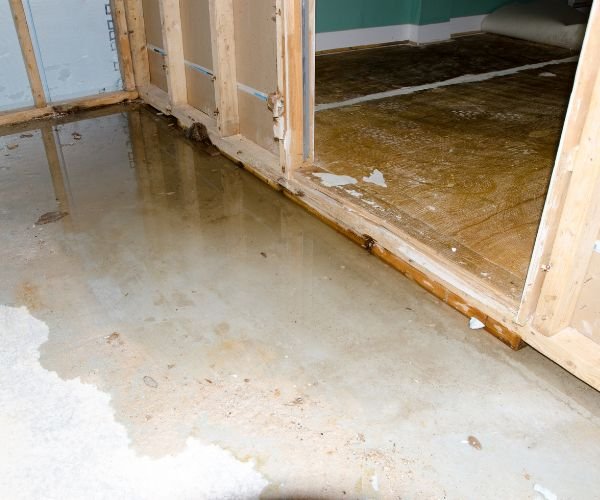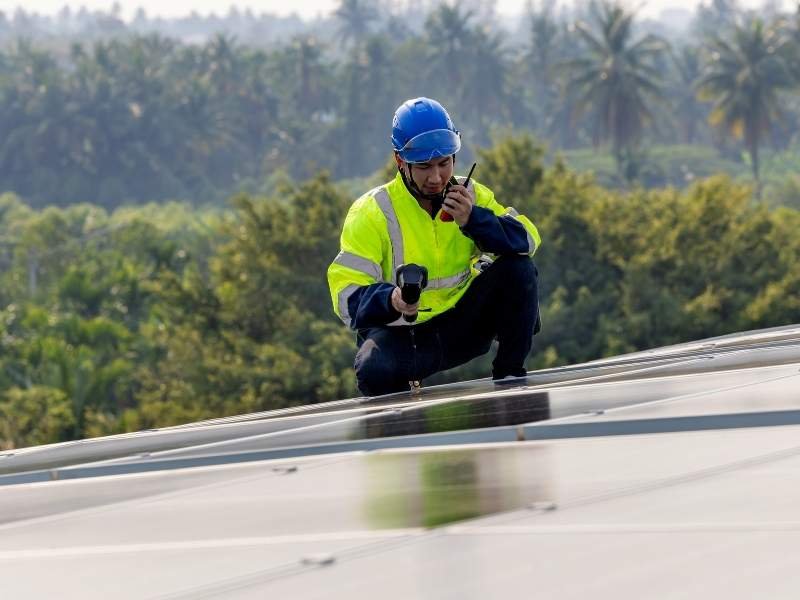
Moisture can be one of the most damaging problems inside a home — and often, it’s invisible. Hidden leaks behind walls, trapped condensation, and unnoticed roof damage can silently lead to mold growth, musty smells, and even structural decay. In places like Wilmington, Hampstead, and Surf City, NC, where humidity is high year-round, this issue is especially common.
Luckily, modern technology gives professionals a powerful advantage: thermal cameras and infrared imaging. These tools help identify moisture problems before they become expensive repairs.
Understanding Thermal Imaging
Infrared or thermal imaging works by detecting heat instead of visible light. Every object emits a level of infrared energy based on its temperature. A thermal camera reads those energy levels and displays them as a colorful image — warmer areas appear orange and red, while cooler areas show up blue or purple.
Since wet materials cool faster than dry ones, even a small damp spot stands out clearly. For example, a hidden plumbing leak may make part of a wall slightly cooler, revealing a dark patch on the thermal image even though the paint looks perfect.
This non-invasive approach allows inspectors to see behind surfaces without cutting or drilling, helping pinpoint problems quickly and accurately.
How Thermal Cameras Detect Hidden Moisture
Thermal cameras don’t directly see water, but they reveal the temperature differences caused by it. Here’s how professionals use this method to locate hidden issues:
-
Roof Leaks: After heavy rain, a roof’s wet insulation or ceiling areas will appear cooler on the camera, helping detect where water is pooling.
-
Plumbing Leaks: Pipes inside walls and under floors can leak slowly, saturating materials without leaving visible signs. Thermal imaging highlights those cold, damp zones.
-
Air Infiltration: Leaky windows, doors, or vents allow moist outside air into your home. Cameras detect the temperature change from that infiltration, helping seal those spots.
-
Crawl Space and Basement Moisture: Damp corners, condensation on foundation walls, or standing water are easily identified using infrared scanning.
Why Coastal North Carolina Homes Need Thermal Inspections
Homes along the North Carolina coast experience high humidity, salt air, and frequent storms — all ideal conditions for hidden water damage. Even small leaks can quickly lead to mold. In Wilmington, Hampstead, and Surf City, homeowners often notice a musty or damp smell long before they see visible mold.
Using thermal cameras for early detection allows experts to fix problems before the damage spreads. This technology is especially helpful after tropical storms or hurricanes, where moisture can seep into unseen areas of the structure.
Advantages of Using Thermal Cameras Over Visual Inspections
While a basic inspection can identify visible damage, it can’t detect moisture behind the surface. Thermal cameras offer several key advantages:
-
Non-destructive: No need to remove drywall or flooring to investigate.
-
Accurate results: Reveals even small temperature changes that point to moisture.
-
Time-saving: Large areas can be scanned quickly and efficiently.
-
Safer environments: Helps stop mold growth before it affects indoor air quality.
-
Comprehensive reporting: Thermal images provide visual proof of issues for insurance claims or restoration plans.
Real-Life Example: Finding Hidden Moisture in a Wilmington Home
Recently, a homeowner in Wilmington contacted our team after noticing a persistent musty odor in their living room. The walls looked completely dry, and there were no visible stains. Using a thermal camera, our technician scanned the wall and discovered a cool, dark area behind the baseboard — an indicator of trapped moisture.
When we investigated further, we found a small leak in a pipe running behind the wall that had been slowly soaking the insulation. The problem was repaired the same day, the area was dried and cleaned, and the homeowner avoided what could have become a major mold remediation project.
This example shows how infrared imaging allows professionals to detect problems early — saving both time and money.
Beyond Moisture: Additional Uses for Infrared Imaging
While detecting hidden moisture is one of its best uses, thermal imaging has many other valuable applications for homeowners and inspectors alike:
-
Checking insulation levels to locate heat loss in winter or cooling loss in summer.
-
Identifying electrical hotspots that could pose a fire risk.
-
Inspecting HVAC systems for airflow issues or duct leaks.
-
Detecting pest infestations where animal heat signatures appear behind walls.
For companies offering handyman services and home repairs, this technology ensures that every repair or renovation is based on accurate data rather than guesswork.
Why You Shouldn’t Ignore Hidden Moisture
Even a small leak can lead to bigger problems if left untreated. Moisture trapped inside walls or floors creates an environment perfect for mold growth, wood rot, and air infiltration, all of which can weaken the structure of your home.
A professional inspection with thermal cameras helps protect your investment, improves indoor air quality, and provides peace of mind that your property is truly dry and safe.
Protect Your Home with Professional Inspections
If you notice any of these warning signs — musty smells, damp spots, discoloration, or recent water damage — it’s time to schedule a moisture inspection. Our trained specialists use infrared imaging and thermal cameras to identify hidden issues quickly and safely.
For more information about how our team tackles moisture and mold problems across Wilmington, Hampstead, and Surf City, NC, visit our Moisture Problem Solutions page.
Conclusion
Thermal cameras and infrared imaging have completely changed how professionals detect hidden moisture. They allow inspectors to locate leaks, dampness, and air infiltration before the damage becomes visible — helping homeowners save money and maintain a healthy environment.
If your home has a musty odor, visible stains, or humidity problems, don’t wait until the issue grows worse. A simple infrared scan can reveal the truth behind your walls and protect your home for years to come.