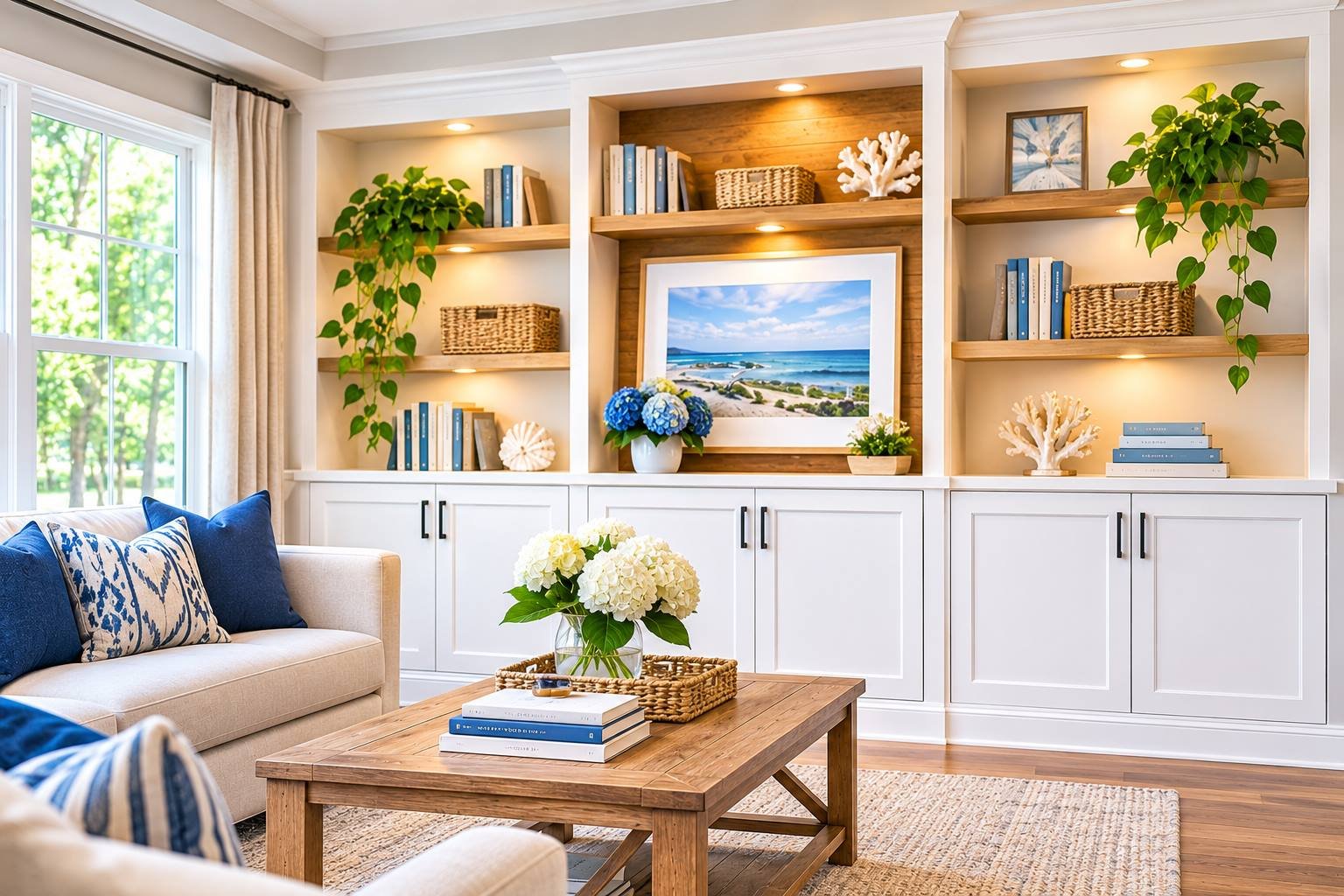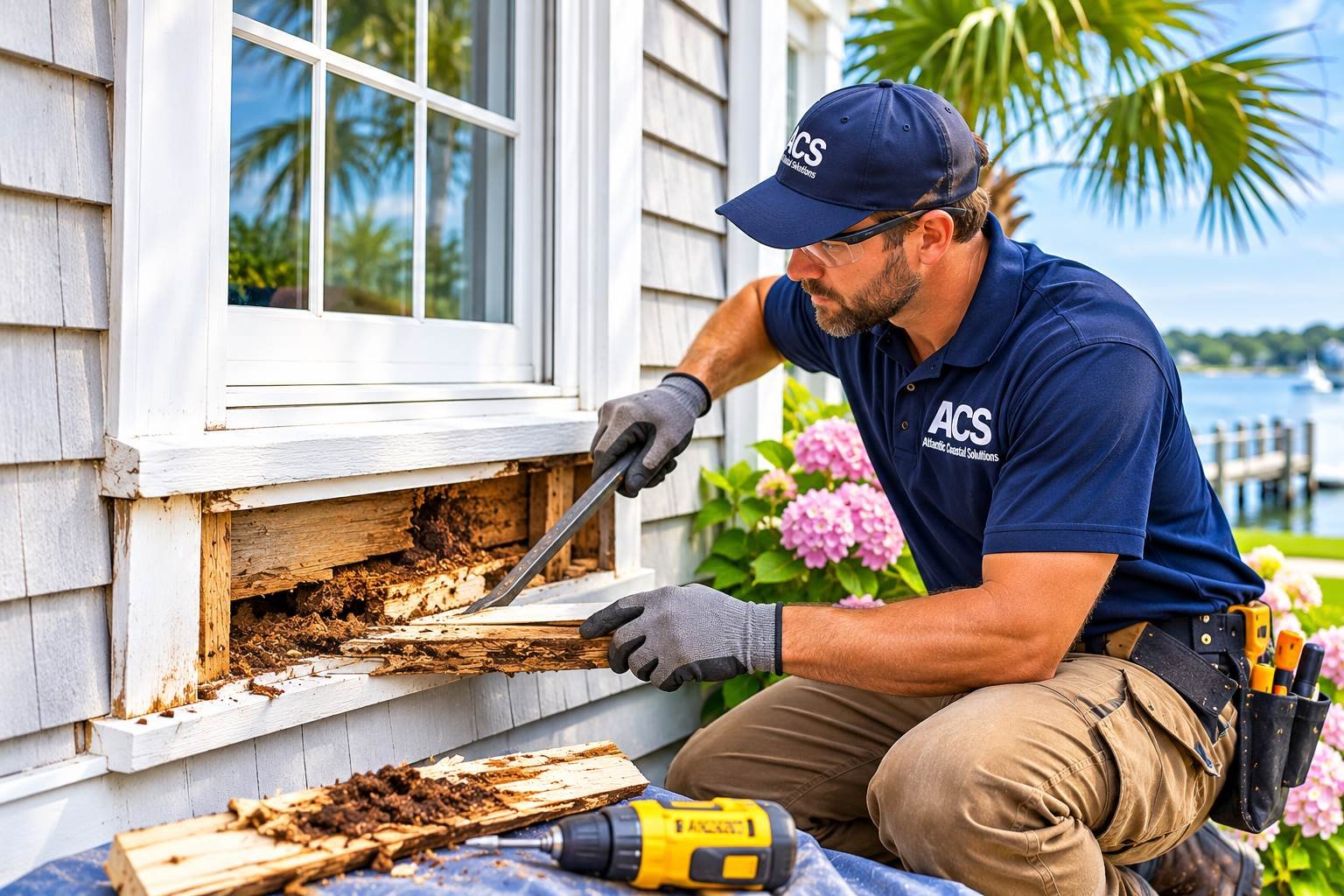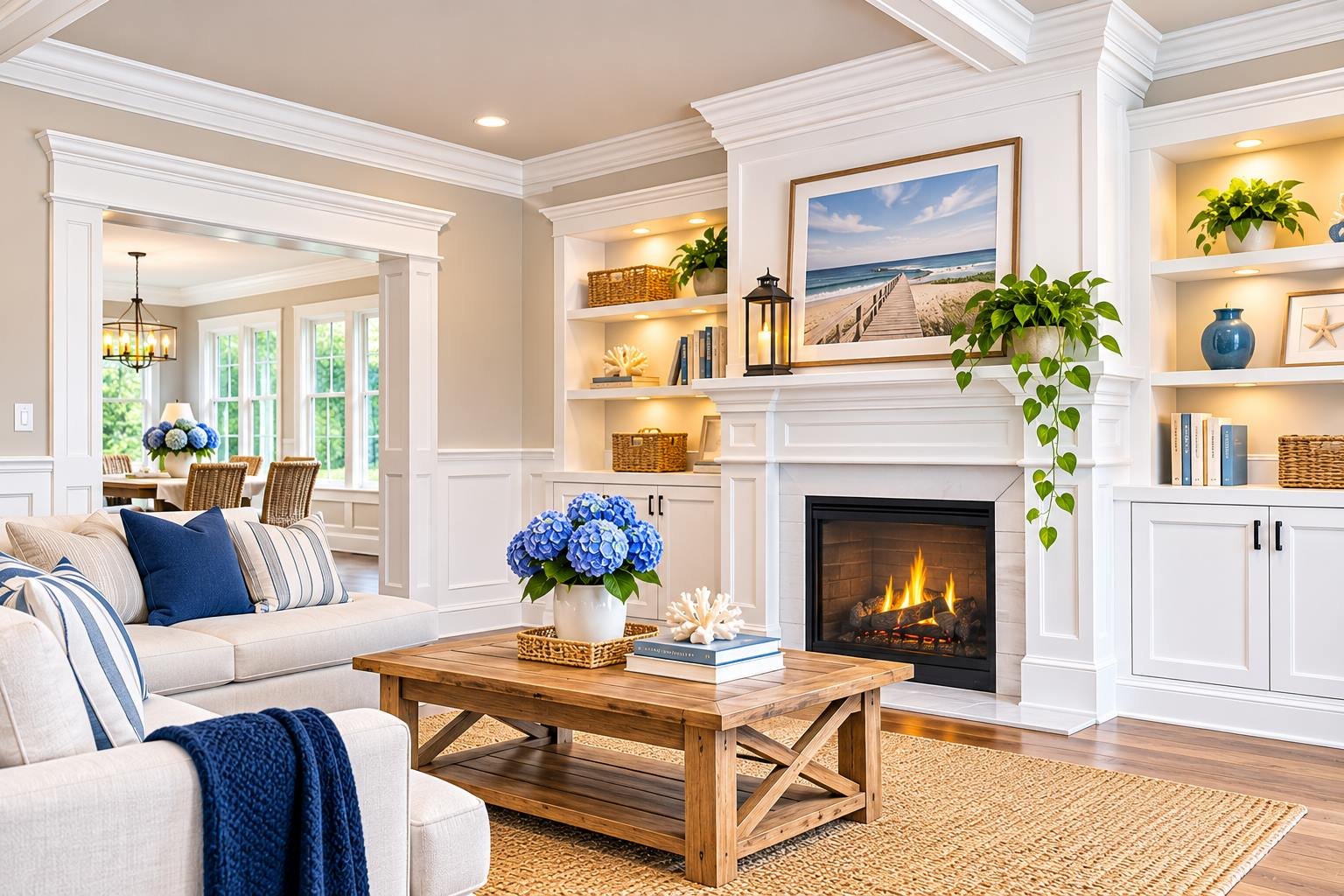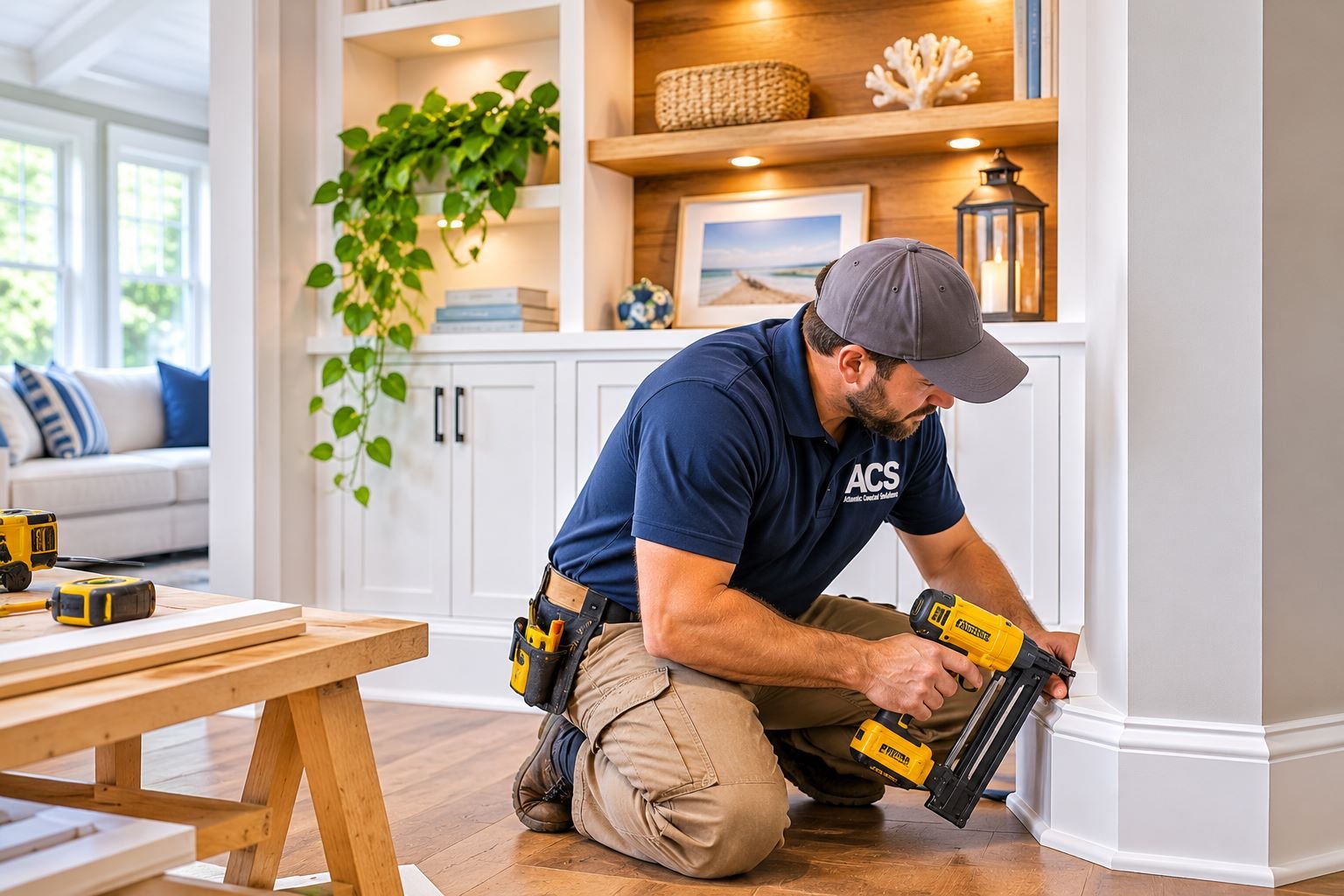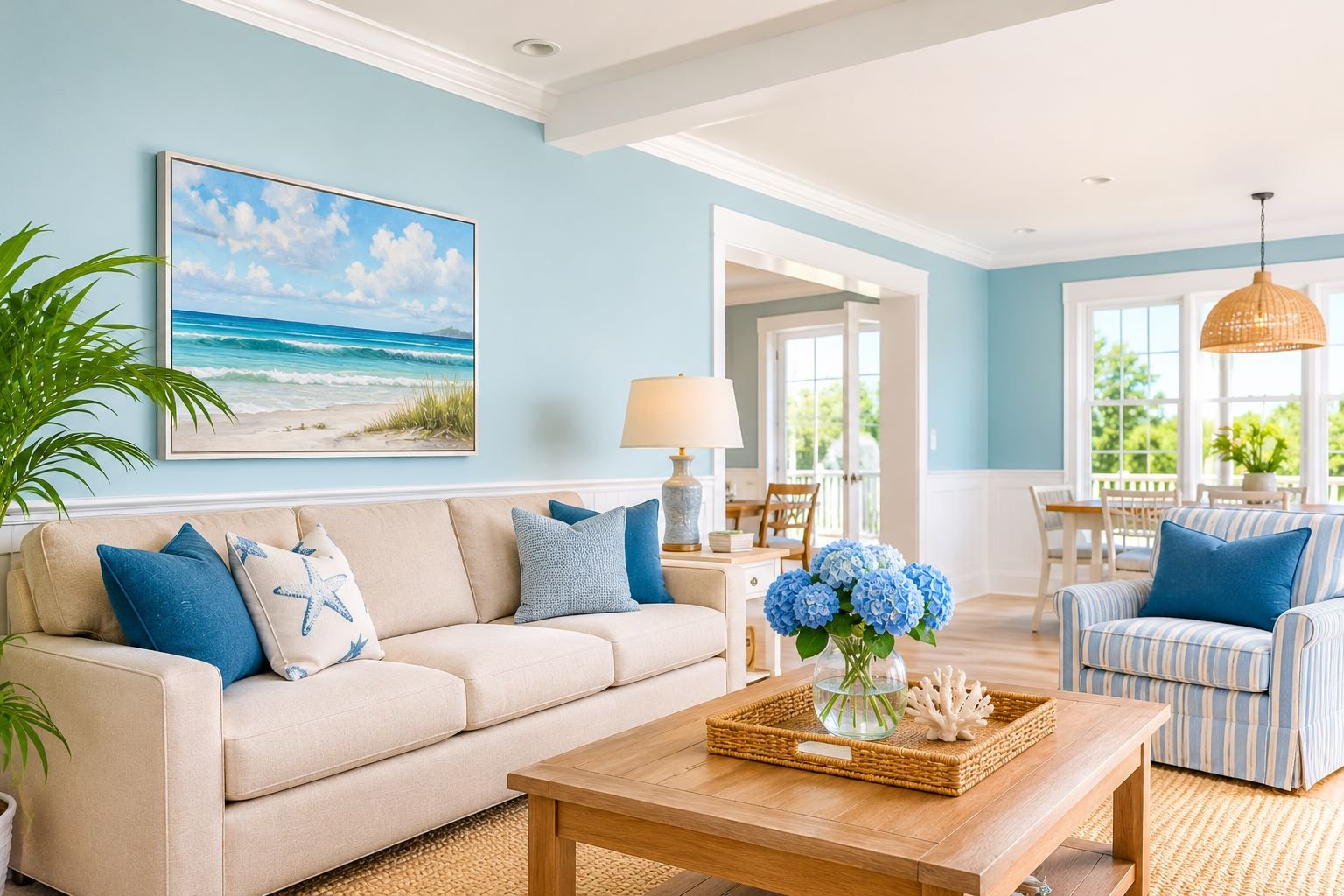
A beach house should feel welcoming from the moment someone walks through the door. Yet scuffed walls, damaged corners, faded paint, and uneven finishes can make an otherwise beautiful property look tired.
For homeowners seeking paint and drywall repair in Wrightsville Beach, NC, keeping interior surfaces in excellent condition is especially important. Whether you own a primary residence, a weekend retreat, or a vacation rental, small improvements can make a noticeable difference.
However, not every project requires a complete renovation. Sometimes, targeted wall repairs and a carefully planned painting project can refresh several rooms without major construction.
This guide explores practical ways to maintain attractive interiors, coordinate repairs, and plan improvements that suit the needs of coastal properties.
Why Interior Appearance Matters in Wrightsville Beach Homes
Wrightsville Beach attracts homeowners who appreciate coastal living, comfortable interiors, and inviting spaces for family and guests.
As a result, interior finishes play an important role in how a property feels.
For vacation rentals, walls and painted surfaces also experience frequent contact with luggage, furniture, and everyday activity.
Over time, these small impacts can create visible wear.
Common examples include:
- Scuff marks near entryways
- Chipped paint around door frames
- Damaged corners in narrow hallways
- Furniture marks behind sofas and beds
- Small holes from changing wall decorations
- Uneven finishes from previous touch-ups
Although these imperfections may seem minor individually, several damaged areas can affect the appearance of an entire room.
Fortunately, a coordinated repair plan can restore a cleaner, more consistent finish.
Create a Room-by-Room Repair Plan
Before scheduling repairs, walk through your property and inspect each room.
Instead of immediately repainting every surface, identify which areas need attention.
Start With High-Traffic Areas
Entryways, hallways, and living rooms usually experience the most activity.
For example, luggage may scrape hallway walls while chairs leave marks near dining areas.
Therefore, inspect these spaces first.
Look closely at corners, baseboards, and walls near frequently used doors.
Evaluate Bedrooms and Guest Rooms
Bedrooms may show damage behind headboards, nightstands, and wall-mounted decorations.
Additionally, changing furniture layouts can expose old mounting holes.
Rather than covering these areas with new decorations, consider repairing them before the next room update.
Inspect Kitchens and Bathrooms
Kitchens and bathrooms often require additional attention because of regular cleaning and changing indoor humidity.
Check painted surfaces around sinks, cabinets, and ventilation areas.
However, if you notice persistent moisture or unusual deterioration, investigate the cause before completing cosmetic work.
Record the Repairs
Create a simple checklist for each room.
For example:
Living room: Repair two corner chips and repaint one accent wall.
Hallway: Fill mounting holes and refresh damaged trim.
Bedroom: Repair furniture marks and repaint the main wall.
Kitchen: Touch up cabinet-adjacent wall surfaces.
This approach helps organize the project and reduces unnecessary work.
Repairing Wall Corners That Experience Frequent Damage
Wall corners often suffer more damage than flat surfaces.
Furniture, vacuum cleaners, luggage, and moving boxes can strike exposed edges.
Consequently, the corner may lose its clean shape.
Why Corner Damage Needs Special Attention
Many drywall corners contain protective corner bead beneath the finishing compound.
When an impact damages this component, the repair may require more than filling a small dent.
First, the repair professional examines the corner’s condition.
Next, they determine whether the existing bead remains secure.
If necessary, they reinforce or replace the damaged section before restoring the finish.
Finally, they shape the repair to create a straight, consistent edge.
Preventing Future Corner Damage
Homeowners can reduce repeated damage by improving furniture placement and keeping narrow walkways clear.
Additionally, suitable corner protection may help in areas that experience frequent impacts.
For rental properties, consider the routes guests use when moving luggage.
Small layout changes can sometimes reduce recurring maintenance problems.
Matching Existing Paint Without Creating Visible Patches
One of the biggest challenges in interior maintenance involves matching new paint with an existing finish.
Even when homeowners use the original paint color, the repaired area may remain noticeable.
Why does this happen?
Several factors can influence the final appearance.
Existing Paint Changes Over Time
Sunlight, cleaning, and ordinary wear can affect painted surfaces.
As a result, the original color may no longer match the surrounding wall perfectly.
Paint Sheen Matters
Two paints with the same color can look different when their sheen varies.
For example, a satin finish reflects more light than a matte finish.
Therefore, matching the sheen is just as important as matching the color.
Application Methods Affect Texture
Brushes and rollers can leave different surface patterns.
Consequently, a small brushed touch-up may stand out on a wall that originally received a roller finish.
When to Repaint the Entire Wall
Sometimes, repainting one complete wall produces a better result than several small touch-ups.
This approach can create a consistent appearance from corner to corner.
However, homeowners should consider the condition of the existing finish before deciding.
Planning Repairs Between Vacation Rental Bookings
Vacation rental owners often have limited time to complete maintenance.
Therefore, organizing repairs between guest stays can make the process more manageable.
Prioritize Visible Damage
Start with areas that guests will notice immediately.
For example, damaged entryway walls or chipped paint near the main living area may deserve attention before minor imperfections inside storage closets.
Consider Drying and Curing Times
Painting and wall finishing involve more than active labor.
Some materials need sufficient drying or curing time before normal use.
Consequently, scheduling repairs immediately before guest arrival may create unnecessary pressure.
Coordinate Multiple Small Projects
Instead of scheduling separate visits for every minor issue, consider grouping suitable repairs.
For example, one maintenance visit might address wall holes, damaged trim, and several paint touch-ups.
This approach may reduce repeated setup and cleanup.
Keep a Maintenance Record
Document the areas repaired, products used, and completion dates.
Additionally, save paint color names and product information.
These records can simplify future maintenance and help maintain consistent finishes throughout the property.
Choosing Durable Interior Finishes for Busy Homes
Different rooms have different maintenance needs.
Therefore, homeowners should select finishes based on how they use each space.
Hallways and Entryways
These areas experience frequent contact with people and belongings.
A durable, washable coating can simplify cleaning.
However, the best finish depends on the surface and desired appearance.
Living Rooms
Living rooms often benefit from finishes that balance appearance and everyday maintenance.
For example, a subtle sheen can provide a polished look without creating excessive reflection.
Children’s Rooms
Children’s rooms may experience fingerprints, marks, and occasional impacts.
Therefore, consider products that support routine cleaning.
Additionally, use appropriate wall protection where furniture frequently contacts painted surfaces.
Guest Bedrooms
Guest bedrooms should feel clean and welcoming.
Neutral finishes can create a consistent appearance, while accent colors add personality.
However, select colors that complement the property’s overall interior design.
For more information about coating performance and cleaning, homeowners can explore the Sherwin-Williams homeowner painting resources.
Accent Walls as Part of a Small Interior Makeover
A complete room renovation is not always necessary to create a fresh appearance.
In fact, one carefully chosen accent wall can change the character of a space.
Choose a Natural Focal Point
Consider the wall behind a bed, sofa, or dining area.
These locations often provide a natural focal point.
However, avoid choosing a wall simply because it is empty.
Instead, consider how the color will interact with furniture and natural light.
Explore Coastal-Inspired Colors
Wrightsville Beach homes often suit relaxed color palettes.
For example, soft sea-glass green can create a peaceful atmosphere.
Meanwhile, warm sand tones complement natural wood and woven furnishings.
Deep navy can also create a dramatic contrast when used selectively.
Prepare the Surface Before Painting
Accent walls attract attention.
Consequently, even small surface imperfections may become more noticeable.
Repair visible defects and prepare the wall before applying the new color.
A smooth, consistent surface helps the finished design look intentional.
Why Natural Light Changes the Appearance of Wall Repairs
Coastal homes often feature large windows that bring abundant daylight indoors.
Although natural light makes rooms feel bright and open, it can also reveal surface imperfections.
For example, sunlight entering at a low angle may highlight uneven patches or inconsistent textures.
Therefore, evaluate repaired surfaces under different lighting conditions.
Check Walls During Daylight
Inspect the surface when natural light reaches the room.
Look for visible ridges, uneven transitions, or noticeable differences in sheen.
Review the Finish Under Artificial Lighting
Next, turn on the room’s normal lighting.
Overhead fixtures and wall-mounted lights may reveal different imperfections.
Consider Viewing Angles
Stand near doorways and examine the wall from several directions.
A repair that looks smooth from the front may appear uneven from the side.
This extra attention can improve the final appearance.
Coordinating Trim Repairs With Interior Painting
Walls rarely exist independently of surrounding finishes.
Baseboards, door casings, crown molding, and window trim all contribute to a room’s appearance.
Therefore, a coordinated project should consider these elements together.
Inspect Baseboards
Look for chipped edges, loose sections, and damaged corners.
In addition, check areas where furniture or cleaning equipment frequently contacts the trim.
Evaluate Door Casings
Doors experience regular use.
As a result, nearby casings may develop cracks, scuffs, or separation at joints.
Minor carpentry work may be necessary before painting.
Plan the Work in the Right Order
Complete suitable carpentry repairs before final wall and trim painting.
Otherwise, later repairs may damage freshly finished surfaces.
Atlantic Coastal Solutions offers a range of property maintenance and home improvement services. Learn more about the company’s approach through its home improvement and repair services.
Avoiding Common Mistakes During Interior Repairs
Homeowners sometimes focus on finishing projects quickly.
However, rushing can create visible imperfections or additional work.
Mistake 1: Skipping Surface Cleaning
Dust, grease, and other contaminants can affect finishing results.
Therefore, clean suitable surfaces before applying repair materials or coatings.
Mistake 2: Using the Wrong Repair Material
Different damage types require different solutions.
For example, a shallow dent may need a different approach from a damaged corner or large opening.
Choosing suitable materials helps create a more reliable repair.
Mistake 3: Painting Before Repairs Are Ready
Applying paint too soon can interfere with the final finish.
Instead, follow product drying and preparation requirements.
Mistake 4: Ignoring Existing Texture
A smooth repair may remain visible on a textured wall.
Therefore, consider the surrounding texture before applying primer and paint.
Mistake 5: Completing Repairs in the Wrong Order
Painting before finishing nearby carpentry can lead to unnecessary touch-ups.
A coordinated sequence helps reduce repeated work.
How to Budget for a Combined Painting and Drywall Project
A practical budget begins with understanding the work involved.
Instead of estimating costs based only on room size, consider the condition of each surface.
Several factors influence project pricing.
Repair quantity: Multiple damaged areas generally require more labor than a single small repair.
Surface condition: Older finishes or poorly completed previous repairs may need additional preparation.
Texture requirements: Matching specialty textures can increase finishing time.
Paint selection: Coating quality and product type affect material costs.
Room accessibility: High ceilings and difficult-to-reach areas may require additional equipment.
Additional carpentry: Damaged trim or molding can add to the project scope.
Therefore, request a detailed estimate that separates necessary repairs from optional improvements.
This approach helps homeowners prioritize their budget.
Maintaining Painted Walls in a Coastal Property
After completing a repair project, routine care helps maintain the appearance of the finished surfaces.
Clean Marks Promptly
Remove suitable surface marks using cleaning methods recommended by the paint manufacturer.
However, avoid aggressive scrubbing that could damage the finish.
Protect Furniture Contact Points
Use furniture pads or adjust furniture placement where necessary.
Additionally, consider doorstops to prevent repeated impacts.
Save Leftover Paint Information
Record the paint brand, color, sheen, and product line.
This information can help with future touch-ups.
Inspect Walls During Seasonal Maintenance
Look for new cracks, chipped corners, and damaged trim.
Addressing small issues early can simplify future upkeep.
Keep Ventilation Working Properly
Coastal humidity can affect indoor comfort.
Therefore, maintain appropriate ventilation and address condensation problems when they occur.
Why Choose Atlantic Coastal Solutions for Your Home Improvement Needs?
Wrightsville Beach homeowners often need help with several small property improvements rather than one major renovation.
Atlantic Coastal Solutions provides home repair, maintenance, and improvement services across Wrightsville Beach, Wilmington, Hampstead, and surrounding communities.
The company combines hands-on repair experience with an understanding of building conditions.
Additionally, its services include property maintenance, interior improvements, and practical repair solutions.
Whether you want to refresh a frequently used living space or organize several repairs before your next rental booking, thoughtful planning can help achieve a more consistent result.
Frequently Asked Questions About Paint and Drywall Repair in Wrightsville Beach, NC
Should I repair small wall imperfections before repainting a room?
Yes. Repairing visible defects before painting helps create a smoother and more consistent finish.
Can a painter match an existing wall color exactly?
A close match may be possible. However, aging, lighting, sheen, and application methods can affect the final appearance.
Is it better to repaint an entire wall or touch up one area?
Small touch-ups may work well in some situations. Nevertheless, repainting the entire wall can produce a more uniform finish when existing paint has faded.
How can vacation rental owners reduce wall damage?
Protect exposed corners, maintain clear walkways, use suitable finishes, and inspect high-traffic areas between bookings.
Should trim repairs happen before wall painting?
Generally, yes. Completing carpentry and trim repairs first can reduce damage to newly painted surfaces.
How often should I inspect interior finishes?
Regular inspections are useful, especially after furniture