Commercial building owners and property managers understand the importance of regular inspections and maintenance. HVAC systems require servicing, fire protection systems need testing, and structural components must be monitored over time. Indoor air quality deserves the same level of attention, especially when it comes to radon.
Radon is an invisible, odorless, and naturally occurring radioactive gas that can enter commercial buildings from the ground. Since there are no obvious signs of its presence, commercial radon testing remains the only reliable way to determine whether elevated levels exist inside a property.
One of the most common questions business owners ask is how often commercial buildings should be tested for radon. The answer depends on several factors, including building type, previous test results, renovations, occupancy patterns, and local conditions.
Why Regular Commercial Radon Testing Matters
Many property owners assume that once a building has been tested, they never need to test again. However, radon levels can change over time due to building modifications, foundation settling, weather conditions, ventilation changes, and occupancy patterns.
Regular testing helps property owners identify changes before they become larger concerns. It also provides confidence that indoor air quality remains at acceptable levels for employees, customers, tenants, and visitors.
Testing should be viewed as an ongoing part of responsible property management rather than a one-time event.
How Radon Levels Can Change Over Time
Even if a commercial building previously showed low radon levels, future conditions may be different. Buildings constantly change as they age and undergo repairs, renovations, and upgrades.
Several factors can influence radon levels, including:
- Foundation settling and cracking
- Changes to HVAC systems
- Building additions or renovations
- Weather and seasonal conditions
- Changes in occupancy patterns
- Ventilation modifications
- Utility work and infrastructure upgrades
Because of these variables, periodic testing provides valuable reassurance that conditions remain safe.
When a Commercial Building Should Be Tested
Commercial buildings should be tested when they have never undergone professional radon testing. Initial testing establishes a baseline and determines whether elevated radon levels are present.
Buildings should also be tested before major property transactions. Buyers often want accurate information about environmental conditions before completing a purchase. Testing can help identify potential concerns and support informed decision-making.
Property managers may also choose to test periodically as part of a broader indoor air quality program.
Testing After Renovations and Construction Projects
One of the most important times to perform commercial radon testing is after significant renovations or construction work. Changes to building structure, airflow, pressure relationships, and ventilation systems can affect radon levels.
Examples include:
- Building additions
- Foundation repairs
- HVAC system upgrades
- Basement renovations
- Floor plan modifications
- Utility infrastructure changes
- Crawl space improvements
After these projects are completed, testing helps verify whether indoor radon conditions have changed.
Testing After Mitigation System Installation
If elevated radon levels are discovered and a mitigation system is installed, follow-up testing becomes essential. Property owners need confirmation that the system is performing correctly and reducing radon levels effectively.
Post-mitigation testing verifies system performance and provides documentation that the mitigation effort achieved its intended goal.
Businesses that need professional commercial radon testing services often schedule follow-up testing shortly after mitigation system installation.
Buildings With High Occupancy Should Test More Frequently
Some commercial properties accommodate large numbers of people every day. Office buildings, schools, healthcare facilities, apartment complexes, hotels, and retail centers often have significant daily occupancy.
Property managers of these facilities may choose to conduct testing more frequently as part of their commitment to maintaining healthy indoor environments.
Regular monitoring can help identify changes early and provide additional confidence regarding indoor air quality.
The Role of Property Managers in Radon Testing
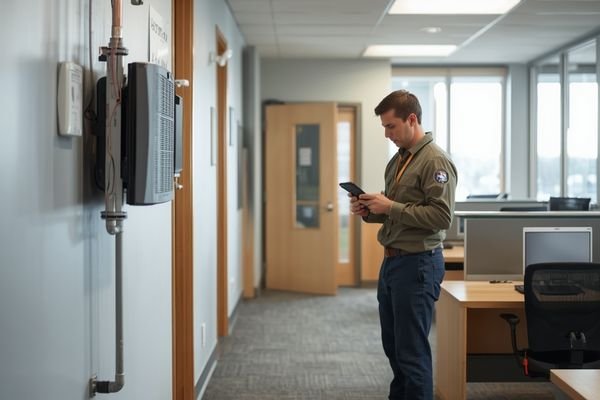
Property managers play an important role in scheduling testing, maintaining records, and responding to test results. They often coordinate with testing professionals, communicate with tenants, and oversee mitigation projects when necessary.
By making radon testing part of a routine maintenance plan, property managers can proactively address indoor environmental concerns before they affect occupants.
Maintaining accurate testing records can also be valuable during lease negotiations, inspections, and property transactions.
How Professional Testing Is Conducted
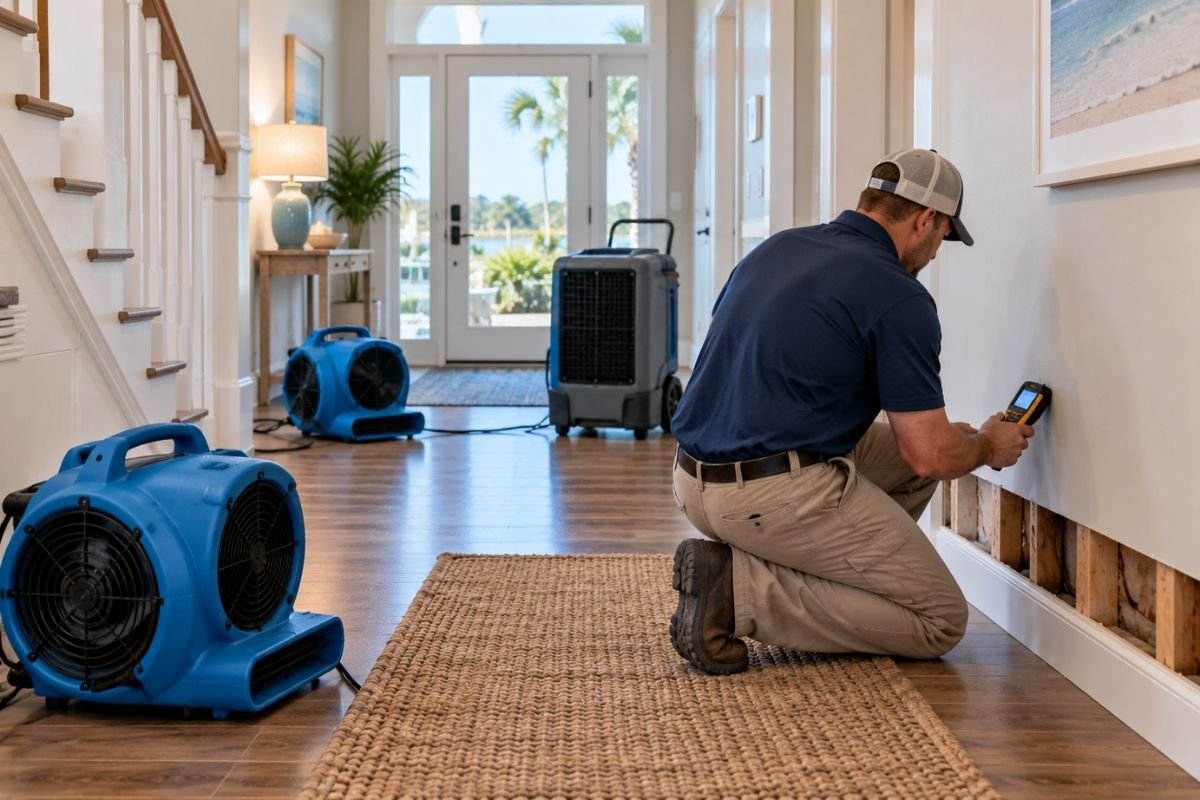
Commercial radon testing professionals evaluate the building layout, occupancy patterns, foundation type, and ground-contact areas before placing testing equipment.
Testing devices are typically positioned in occupied spaces where people spend time regularly. Ground-floor offices, classrooms, conference rooms, tenant spaces, and lower-level occupied areas often receive particular attention.
The collected data helps determine whether radon levels require additional action.
Signs That a Building Should Be Retested
Even if previous test results were acceptable, certain situations may indicate that retesting is appropriate.
- The building has undergone renovations.
- The HVAC system has changed.
- New cracks have appeared in the foundation.
- Occupancy patterns have changed significantly.
- Adjacent buildings have reported elevated radon levels.
- Years have passed since the last professional test.
Retesting helps verify that conditions remain acceptable and that no new concerns have developed.
Benefits of Ongoing Radon Testing
Regular commercial radon testing offers several advantages:
- Supports healthier indoor environments.
- Provides updated information about building conditions.
- Identifies potential problems early.
- Helps guide mitigation decisions.
- Supports responsible property management.
- Provides confidence for tenants and occupants.
- Creates useful documentation for future transactions.
These benefits make periodic testing a practical investment for many commercial property owners.
Using Trusted Radon Resources
Property owners should rely on trusted educational resources when developing a radon testing plan. The EPA provides information about radon zones and local radon resources that can help businesses better understand regional radon concerns.
Combining professional testing with reliable guidance helps property owners make informed decisions about indoor air quality management.
Creating a Long-Term Testing Strategy
Rather than viewing radon testing as a one-time task, commercial property owners should consider incorporating it into their long-term maintenance strategy. Regular evaluations help ensure that building conditions remain consistent and that any changes are identified quickly.
A structured testing schedule can provide peace of mind while supporting the overall safety and performance of the property.
Final Thoughts
Commercial radon testing is an important part of maintaining healthy indoor environments. While there is no single testing schedule that applies to every building, regular testing after renovations, property transactions, mitigation installations, and significant building changes can help property owners stay informed.
By incorporating radon testing into routine property management practices, businesses can better protect employees, customers, tenants, and visitors while supporting long-term building performance. Regular testing provides valuable information that helps owners make confident decisions about indoor air quality and commercial property maintenance.