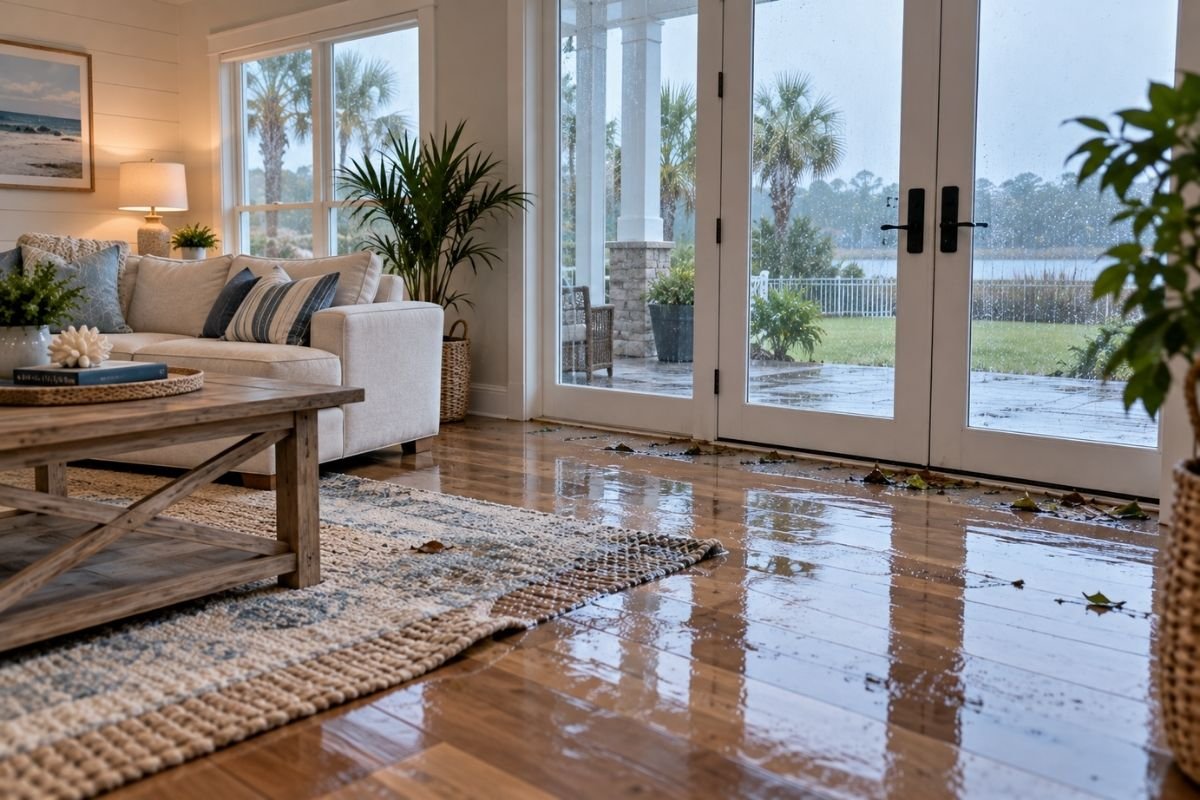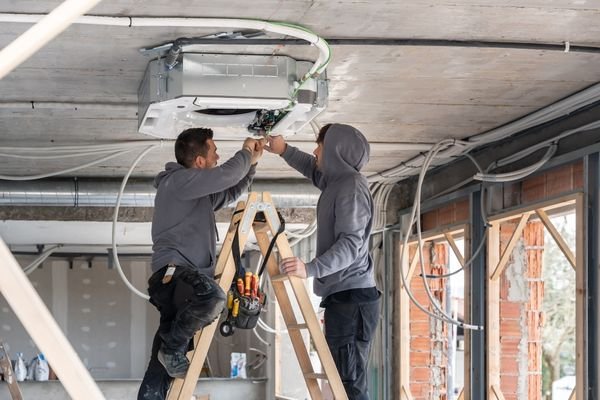
Many commercial property owners associate coastal building concerns with storms, flooding, humidity, salt air exposure, and high winds. While these issues certainly deserve attention, another important indoor air quality concern often goes unnoticed: radon. Because radon is invisible, odorless, and naturally occurring, commercial property owners may not realize it is present until professional testing is performed.
Commercial radon testing is important for all types of buildings, but coastal properties can face unique challenges that influence testing results and indoor air quality conditions. Understanding these challenges helps property owners make informed decisions about building maintenance, occupant safety, and long-term environmental management.
Whether you manage an office building, apartment complex, hotel, retail center, healthcare facility, or mixed-use development, professional radon testing can provide valuable information about your property’s indoor environment.
Understanding Radon in Commercial Buildings
Radon forms naturally as uranium breaks down in soil, rock, and groundwater. The gas moves upward through the ground and may enter commercial buildings through foundation cracks, utility penetrations, floor joints, crawl spaces, and other openings.
Once radon enters a building, it can accumulate indoors if conditions allow. Since there are no visible warning signs, commercial radon testing remains the only reliable way to determine whether elevated levels exist.
Testing provides business owners and property managers with the information needed to evaluate indoor air quality and determine whether additional action may be necessary.
Coastal Soil Conditions Can Vary Significantly
One of the reasons coastal properties present unique challenges is the variation in local soil conditions. Different soil types can influence how radon moves through the ground and enters buildings.
Some coastal areas contain sandy soils that allow gases to move more easily, while other locations may include denser soil compositions that affect airflow differently. These variations can make it difficult to predict radon levels without professional testing.
Because soil conditions vary even between neighboring properties, testing remains the most reliable way to evaluate individual buildings.
Weather Conditions Influence Radon Levels
Coastal regions experience changing weather conditions throughout the year. Storm systems, pressure changes, humidity levels, and seasonal weather patterns can all influence how radon behaves around a building.
Changes in atmospheric pressure may affect how gases move through the soil and into a structure. These fluctuations can contribute to variations in radon levels over time.
This is one reason why property owners should view radon testing as an ongoing part of building maintenance rather than a one-time event.
Humidity Can Affect Indoor Air Quality
Coastal North Carolina properties often deal with elevated humidity levels. While humidity itself does not cause radon, it can contribute to broader indoor air quality concerns.
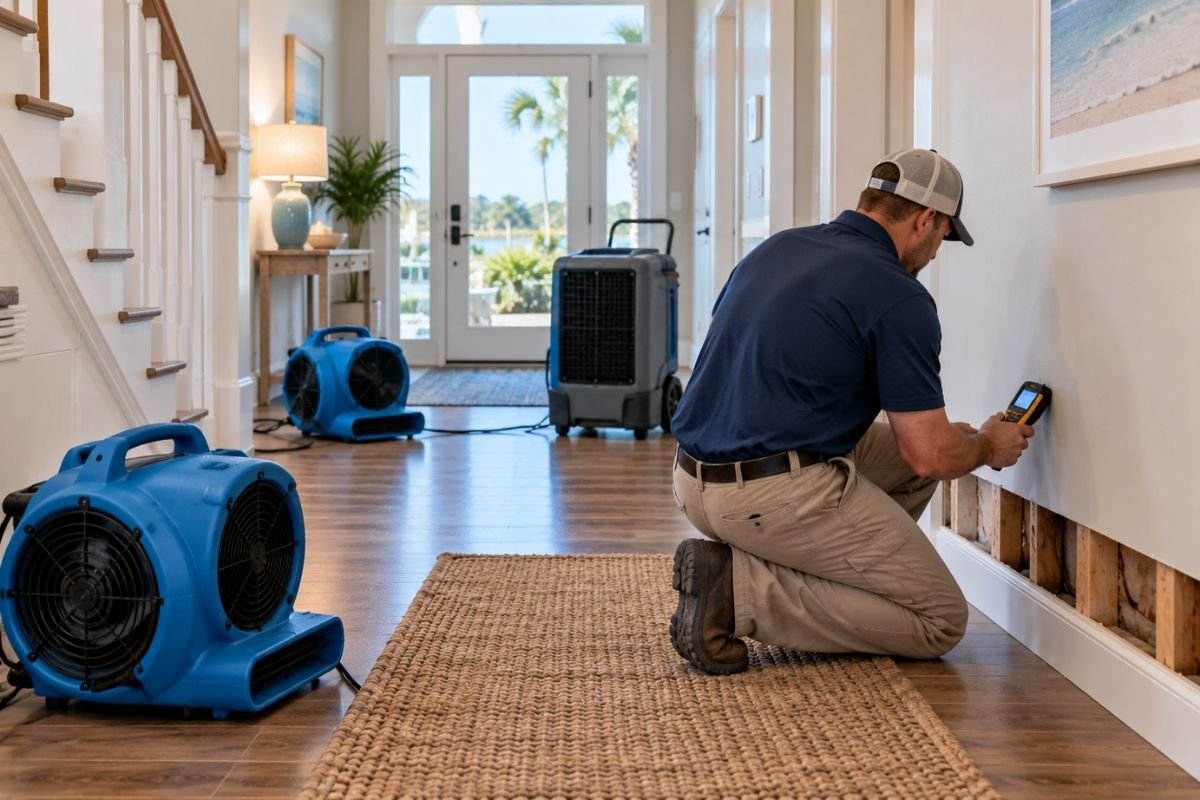
Many property owners invest in ventilation systems, dehumidification equipment, and moisture control strategies to improve indoor comfort. Radon testing complements these efforts by helping identify another potential indoor environmental concern.
Addressing indoor air quality as a whole often produces better results than focusing on individual issues separately.
Crawl Spaces Are Common in Coastal Construction
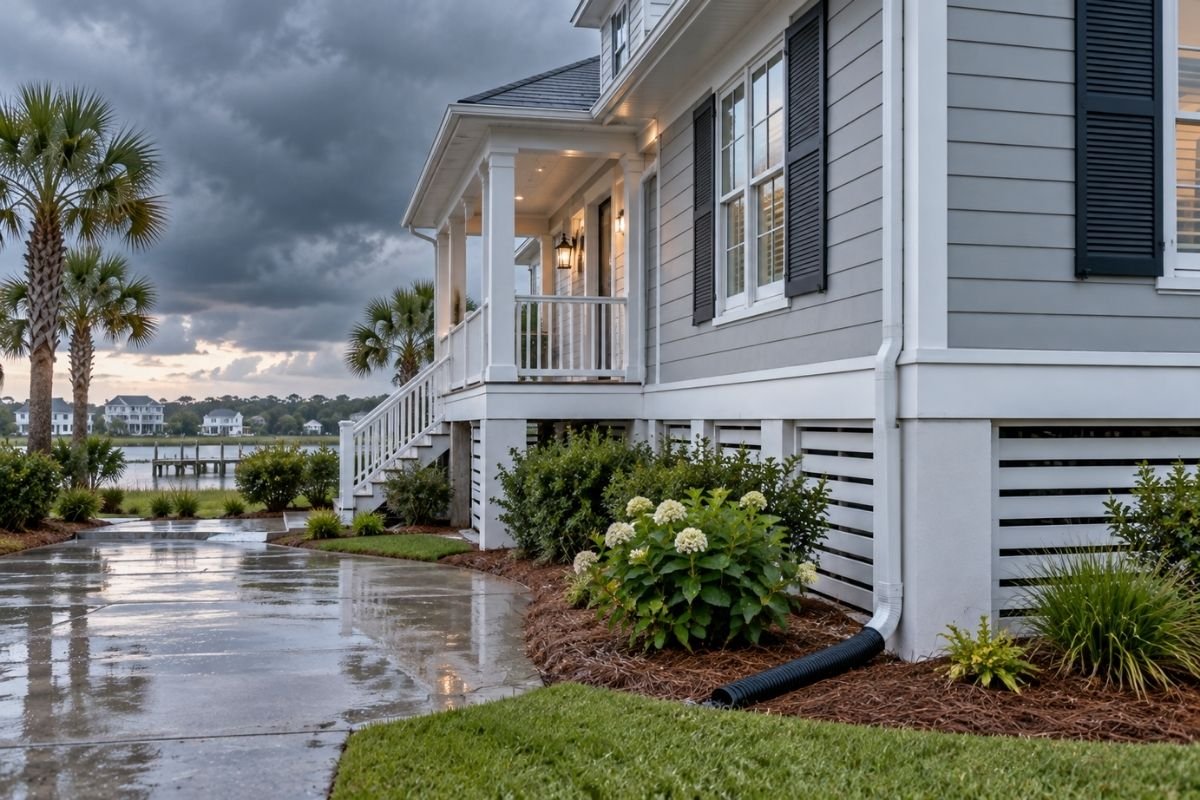
Many coastal commercial buildings utilize crawl space construction. Crawl spaces can provide practical advantages in areas where flooding, moisture management, or site conditions influence building design.
However, crawl spaces can also create pathways through which radon enters a building. If openings, gaps, or air movement allow soil gases to travel upward, indoor radon levels may increase.
Professional testing helps determine whether crawl space conditions are contributing to elevated radon concentrations.
Older Coastal Buildings May Have Additional Entry Points
Many coastal communities include older commercial buildings that have undergone years of use, renovation, and weather exposure. Over time, foundations may develop cracks, utility penetrations may expand, and structural components may shift.
These changes can create additional pathways through which radon enters the building. Property owners should not assume that a well-maintained building is automatically free from radon concerns.
Testing helps identify conditions that may otherwise remain hidden.
Mixed-Use and Multi-Tenant Buildings Create Additional Complexity
Coastal communities often feature mixed-use developments that combine retail, office, residential, and hospitality spaces within a single property. These buildings may have varying occupancy patterns, multiple HVAC systems, and complex layouts.
Commercial radon testing professionals must evaluate these factors carefully when designing testing strategies. Different sections of the building may experience different air pressure conditions, occupancy patterns, and airflow characteristics.
Comprehensive testing helps provide a clearer understanding of overall building conditions.
Hotels and Hospitality Properties Require Special Attention
Hotels, resorts, and vacation properties often experience frequent occupant turnover. Guests may spend only a few days in the building, while employees work there year-round.
Property owners should understand that indoor air quality affects both guests and staff. Professional testing helps hospitality businesses evaluate building conditions and maintain confidence in their indoor environments.
Regular testing can become an important part of a broader property maintenance program.
Why Professional Testing Is Important for Coastal Properties
Because coastal buildings face unique environmental conditions, professional testing becomes especially valuable. Qualified testing professionals understand how building design, local conditions, occupancy patterns, and environmental factors can influence radon levels.
Businesses that need reliable radon mitigation services often begin with professional testing to determine whether elevated levels exist and what solutions may be appropriate.
Accurate testing provides the foundation for informed decision-making and effective indoor air quality management.
What Happens If Elevated Levels Are Found?
If testing identifies elevated radon levels, property owners can evaluate mitigation options. Commercial mitigation systems help reduce radon concentrations before the gas accumulates inside occupied spaces.
Depending on the building design, mitigation may involve sub-slab depressurization, crawl space treatment, specialized vent systems, radon fans, or other approaches designed to reduce indoor concentrations.
The specific solution depends on the building’s characteristics and testing results.
The Value of Ongoing Monitoring
Because coastal environmental conditions can change over time, ongoing monitoring often provides additional benefits. Periodic testing helps verify that indoor conditions remain stable and that mitigation systems continue performing effectively.
Property owners who establish regular testing schedules often gain greater confidence in their building management strategies and indoor air quality programs.
Monitoring also helps identify changes before they become larger concerns.
Using Trusted Information Sources
Property owners should rely on trusted resources when learning about radon. The EPA radon information provides educational materials that help businesses better understand testing, mitigation, and indoor air quality considerations.
Combining professional testing with reliable educational guidance helps property owners make informed decisions regarding building safety.
Final Thoughts
Coastal commercial properties face unique challenges that can influence indoor radon levels. Soil conditions, weather patterns, humidity, crawl space construction, aging infrastructure, and complex building layouts all contribute to the need for professional evaluation.
Commercial radon testing helps property owners understand these conditions and make informed decisions about indoor air quality. Through regular testing, ongoing monitoring, and mitigation when necessary, businesses can maintain healthier environments for employees, customers, tenants, and visitors.
For coastal North Carolina property owners, proactive radon testing remains one of the most effective ways to identify hidden concerns and support long-term building management goals.