A small stain near your ceiling might seem harmless. However, the damage behind that stain could extend far beyond what you can see. Water can travel through wall cavities, soak insulation, and weaken drywall before obvious problems appear.
For homeowners dealing with water damaged drywall in Wilmington NC, early detection can make a significant difference. A slow plumbing leak, roof problem, or overflowing appliance can create expensive repairs when moisture remains unnoticed.
Fortunately, understanding the warning signs helps you act before the situation becomes more serious.
This guide explains how to recognize hidden moisture, determine when drywall needs replacement, and prevent future water damage in your Wilmington home.
Why Water Damage Often Starts Behind the Wall
Many homeowners discover water damage only after a stain appears. However, the actual leak may have started days or weeks earlier.
Water follows gravity, framing materials, and available openings. Consequently, the visible damage may appear far from its original source.
For example, a roof leak can allow rainwater to travel along a ceiling joist before reaching an interior wall. Similarly, a leaking bathroom pipe can affect an adjoining room.
In Wilmington, heavy rainfall and coastal weather can create additional opportunities for water intrusion.
Therefore, finding the source matters more than simply covering the visible stain.
Common Sources of Hidden Water Damage
Several household problems can introduce moisture into drywall:
- Leaking pipes inside walls
- Damaged roof flashing
- Overflowing bathtubs or sinks
- Faulty washing machine connections
- Window and door leaks
- Air-conditioning condensate problems
- Wind-driven rain during storms
Although these problems have different causes, they can produce similar symptoms.
As a result, a thorough moisture investigation helps homeowners avoid unnecessary repairs.
Seven Warning Signs of Water Damaged Drywall
Not all water damage looks the same. In fact, some of the earliest symptoms are easy to overlook.
1. Yellow or Brown Stains
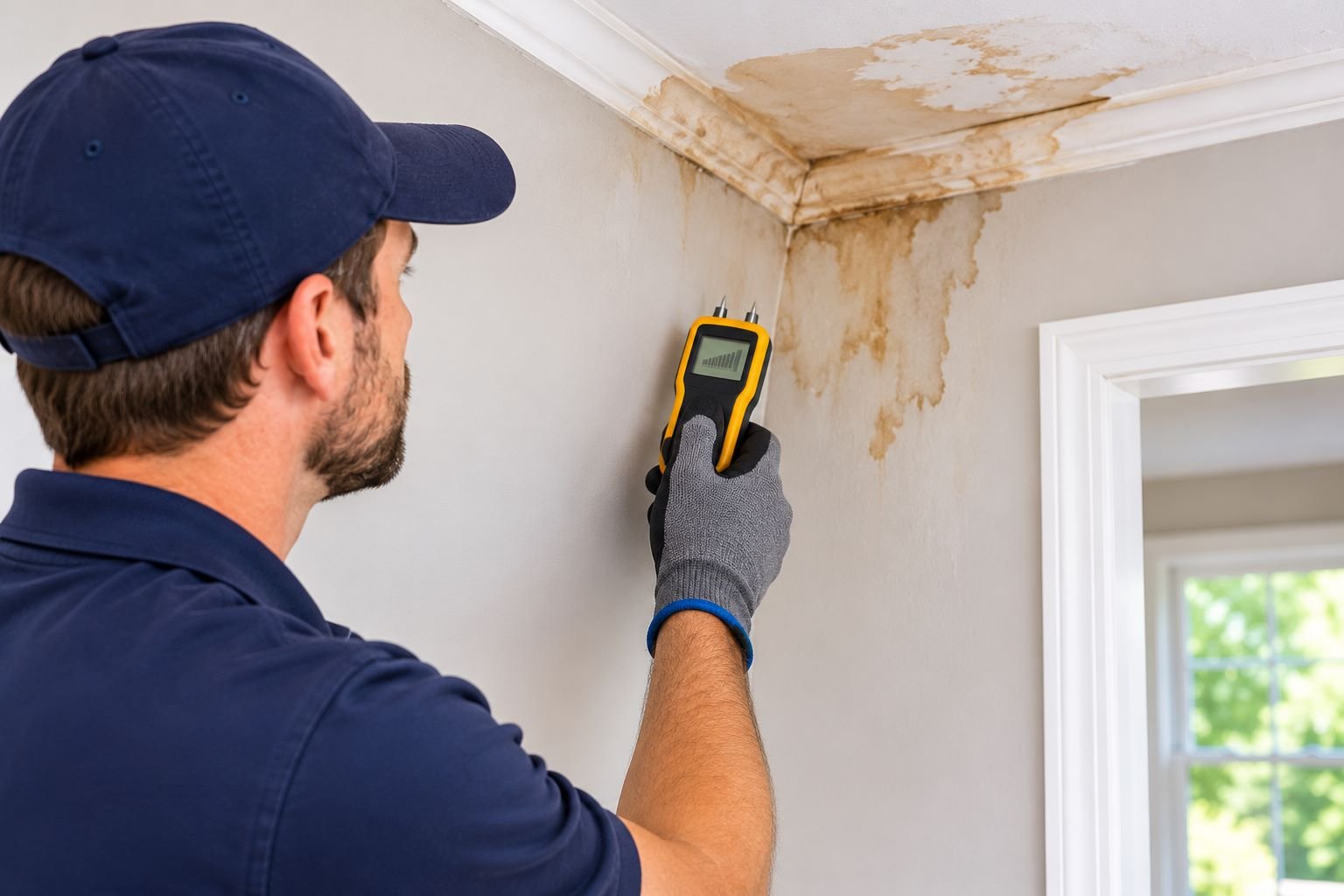
Discolored patches often indicate previous or ongoing water exposure.
However, the stain’s size does not always reflect the full extent of the damage.
A small mark may indicate a larger moisture problem above the ceiling or behind the wall.
2. Bubbling or Peeling Paint
Moisture can interfere with paint adhesion.
Consequently, the coating may bubble, crack, or separate from the drywall surface.
If the problem returns after repainting, investigate the underlying moisture source.
3. Soft or Spongy Wall Surfaces
Healthy drywall should feel firm.
However, prolonged water exposure can weaken its gypsum core and paper facing.
If a wall feels soft, avoid pressing or disturbing it unnecessarily. Instead, arrange an assessment to determine its condition.
4. Musty Odors
A persistent musty smell may indicate damp materials or microbial growth.
Furthermore, hidden moisture can remain behind cabinets, baseboards, and wall coverings.
Therefore, investigate unexplained odors, particularly after a leak or storm.
5. Swollen Baseboards
Water often collects near the bottom of walls.
As a result, baseboards may swell, separate from the wall, or develop discoloration.
Additionally, nearby flooring may show signs of moisture exposure.
6. Sagging Ceiling Drywall
A sagging ceiling requires immediate attention.
Water can add weight and weaken drywall, increasing the risk of collapse.
Therefore, keep people away from the affected area and seek qualified assistance. Do not stand beneath a visibly sagging ceiling.
7. Recurring Damp Patches
A damp patch that repeatedly appears in the same location suggests an unresolved problem.
For example, a hidden plumbing leak may continue releasing moisture even after the wall surface dries.
Consequently, repeated cosmetic repairs will not provide a lasting solution.
What Should You Do During the First 24 Hours?
Your response during the first day can influence the extent of the damage.
However, personal safety must always come first.
Stop the Water Source
If a plumbing fixture causes the leak, shut off the appropriate water supply when you can do so safely.
For roof or storm damage, avoid climbing onto unsafe surfaces. Instead, contact a qualified professional.
Check for Electrical Hazards
Water near outlets, switches, or electrical equipment creates serious risks.
Therefore, avoid touching affected electrical components.
If you suspect an electrical hazard, keep clear and contact a qualified electrician.
Document the Damage
Take photographs of visible stains, wet materials, and affected belongings.
Additionally, record when you discovered the problem.
This information may help with insurance discussions and professional assessments.
Arrange Prompt Drying
Once the area is safe, begin appropriate water removal and drying.
The U.S. Environmental Protection Agency recommends drying wet materials within 24–48 hours whenever possible to reduce mold growth risks.
For more information, review the EPA’s guide to mold, moisture, and home maintenance.
However, extensive flooding, contaminated water, or visible mold may require professional cleanup rather than ordinary household drying.
How Professionals Find Hidden Moisture
A surface inspection provides useful information. Nevertheless, it may not reveal moisture trapped inside building materials.
For this reason, restoration professionals may use specialized diagnostic tools.
Moisture Meters
Moisture meters help evaluate moisture conditions in building materials.
Professionals can compare readings from affected and unaffected areas.
Additionally, repeated measurements can help monitor drying progress.
However, different materials require appropriate testing methods and interpretation.
Thermal Imaging Cameras
Thermal imaging identifies temperature differences across surfaces.
These differences may suggest areas that need further investigation.
For example, moisture-related evaporative cooling can create unusual thermal patterns.
However, a thermal camera does not directly measure water content.
Therefore, professionals should confirm suspicious areas using moisture measurements and other evidence.
Homeowners can learn more about this technology in Atlantic Coastal Solutions’ guide to thermal camera moisture detection.
Wall Cavity Investigation
Sometimes, professionals must examine areas behind drywall.
They may inspect accessible plumbing connections, wall openings, or nearby building components.
However, unnecessary demolition can increase repair costs.
A targeted investigation helps determine which materials actually need attention.
Can You Save Water Damaged Drywall?
The answer depends on several factors.
First, professionals consider the water source. Next, they examine how long the material remained wet.
They also evaluate swelling, structural integrity, contamination, and possible microbial growth.
When Drying May Be Possible
Drywall may remain suitable for drying when clean water causes limited exposure and the material retains its strength.
For example, a quickly discovered supply-line leak may affect a small section without causing swelling.
However, the wall cavity and surrounding materials must also dry thoroughly.
When Replacement Becomes Necessary
Replacement may be appropriate when drywall:
- Shows significant swelling or distortion
- Has weakened or deteriorated
- Contains extensive mold growth
- Has suffered contaminated water exposure
- Cannot dry adequately
- Has damaged joints or compromised seams
Furthermore, wet insulation behind the drywall may require separate evaluation.
The EPA’s water-damage cleanup guidance explains that wallboard may dry in place when it shows no obvious swelling and its seams remain intact. Otherwise, removal and replacement may be necessary.
Therefore, homeowners should avoid assuming that every wet wall requires complete demolition or that every stained wall can be saved.
Understanding the Drywall Water Damage Restoration Process
Restoring a water-damaged wall requires a coordinated approach.
Unlike a simple cosmetic repair, the process must address both moisture and damaged materials.
Locate and Correct the Leak
First, identify the source of water intrusion.
A plumbing contractor may need to repair a pipe. Alternatively, a roofing specialist may need to correct damaged flashing.
Until the source stops, further restoration may prove ineffective.
Evaluate the Affected Materials
Next, determine how far moisture has traveled.
This assessment may include drywall, insulation, baseboards, flooring, and framing.
As a result, the repair plan can address the affected area rather than only the visible stain.
Remove Unsalvageable Materials
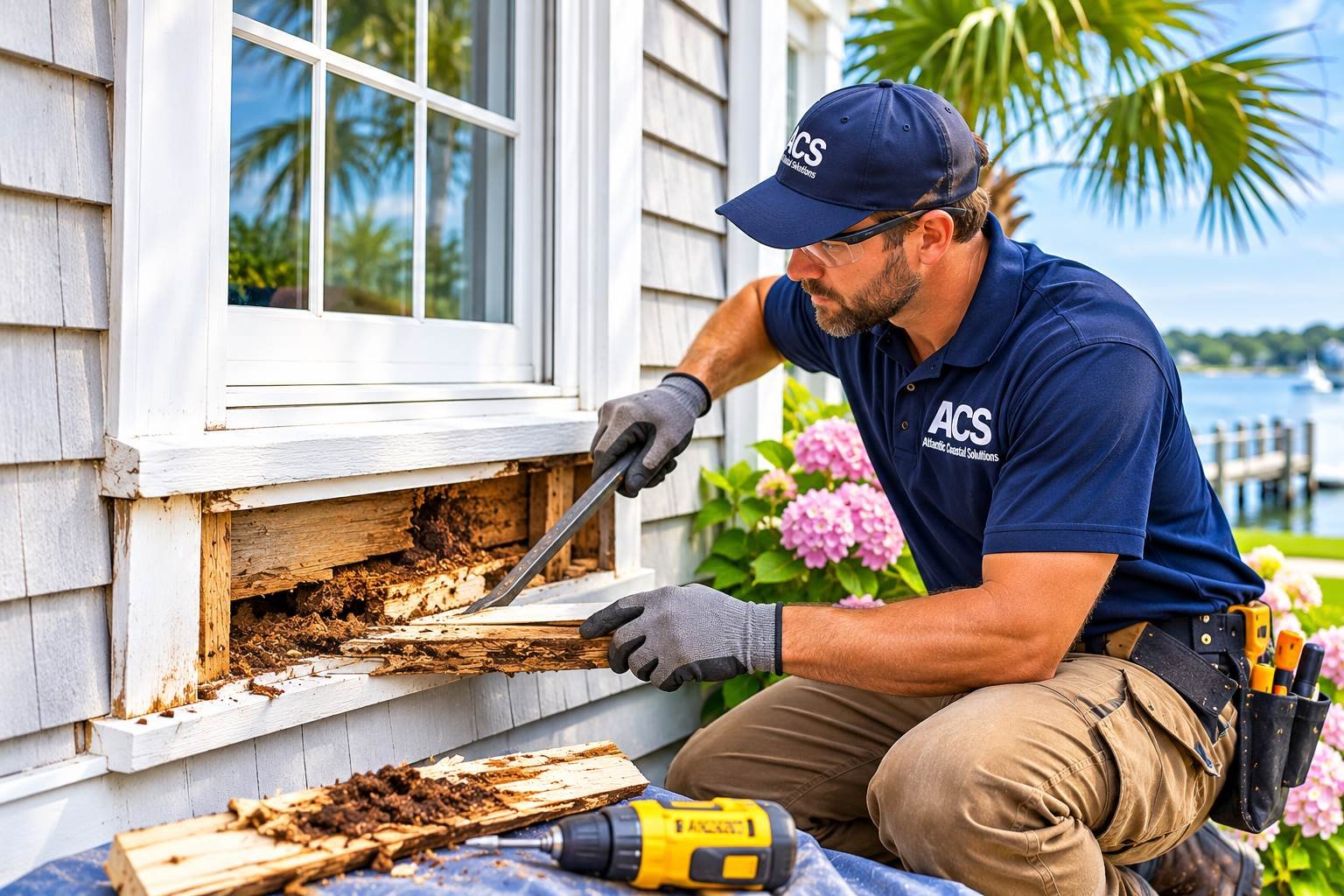
When materials cannot dry safely or retain adequate strength, professionals remove them using appropriate precautions.
Contaminated water and suspected mold require additional safety measures.
Furthermore, workers should avoid spreading contamination into unaffected rooms.
Dry the Remaining Structure
After removing unsuitable materials, the remaining structure may need controlled drying.
Professionals can use dehumidifiers and suitable air-moving equipment when conditions allow.
However, visible mold or contamination may require containment and specialized procedures before air movement begins.
Verify Moisture Conditions
Before reconstruction, confirm that the affected area has reached appropriate drying conditions.
Otherwise, installing new drywall could conceal remaining moisture.
Reconstruct the Wall
Finally, qualified repair professionals can install replacement materials and restore the interior finish.
The final result should address both the original water source and the damage it caused.
How Much Does Water Damaged Drywall Repair Cost in Wilmington?
Repair costs vary considerably.
A small, clean-water incident may require limited drying and restoration. In contrast, widespread water intrusion can affect several building systems.
Therefore, the total cost depends on the actual scope of work.
Important factors include:
Size of the affected area: Larger sections require more materials and labor.
Type of water: Contaminated water generally requires additional safety and cleanup measures.
Duration of exposure: Materials that remain wet longer may experience more extensive deterioration.
Accessibility: Hidden damage behind cabinets or built-in fixtures can increase labor requirements.
Related repairs: Plumbing, roofing, electrical, or insulation work may add to the project.
Finishing requirements: Matching specialty textures and existing finishes may require additional work.
For an accurate estimate, homeowners should request an assessment based on the property’s actual condition.
Does Homeowners Insurance Cover Drywall Water Damage?
Coverage depends on the policy and the cause of the damage.
For example, some policies cover certain sudden and accidental water incidents.
However, gradual leaks, maintenance-related problems, and flood damage may have different coverage rules or exclusions.
Additionally, homeowners insurance and flood insurance are not interchangeable.
Therefore, review your policy and contact your insurer before making assumptions about coverage.
When possible, document the damage before removing materials. However, never delay essential safety measures or urgent water mitigation solely to take photographs.
Keep receipts, inspection reports, and repair records for future reference.
Preventing Water Damage in Wilmington Homes
Although homeowners cannot prevent every emergency, regular inspections can reduce avoidable moisture problems.
Check Plumbing Connections
Inspect accessible supply lines beneath sinks and behind appliances.
Additionally, look for corrosion, dripping connections, or unexplained dampness.
Replace deteriorated components when necessary.
Maintain Roof Drainage
Clear gutters and check downspouts regularly.
Furthermore, inspect roofing after significant storms when conditions are safe.
Proper drainage helps direct rainwater away from vulnerable building areas.
Monitor Air-Conditioning Systems
Air-conditioning equipment produces condensation during normal operation.
However, clogged condensate lines or malfunctioning drain pans can cause water damage.
Therefore, include condensate drainage checks in routine HVAC maintenance.
Inspect Windows After Heavy Rain
Wind-driven rain can expose weaknesses around windows and exterior openings.
Consequently, check for staining, damp trim, or unusual moisture after severe weather.
Address damaged seals and building-envelope problems promptly.
Watch Indoor Humidity
High indoor humidity can contribute to condensation.
Use appropriate ventilation and dehumidification when necessary.
Additionally, monitor rooms that frequently develop condensation.
Why Wilmington Homeowners Should Act Early
A small moisture problem can become more complicated when homeowners ignore it.
For example, a slow leak may initially affect only one wall section. Over time, however, moisture may reach insulation, framing, and adjacent finishes.
Consequently, the eventual restoration may involve more than replacing drywall.
Early investigation helps homeowners understand the situation before choosing a repair method.
Furthermore, accurate moisture detection can reduce unnecessary demolition and help identify areas that need attention.
Atlantic Coastal Solutions provides information about moisture detection and property-related solutions for homeowners in the Wilmington area.
Understanding the source and extent of water damage is an important first step toward making informed restoration decisions.
Frequently Asked Questions About Water Damaged Drywall
How can I tell whether moisture remains behind drywall?
Visible stains, musty odors, and recurring damp patches may suggest moisture. However, professionals may need moisture meters and additional inspection methods to confirm the condition.
Will drywall dry on its own after a leak?
Some drywall may dry after limited clean-water exposure. Nevertheless, trapped moisture, damaged insulation, or contaminated materials may require professional attention.
Does every water stain mean the drywall needs replacement?
No. A stain alone does not establish the material’s condition. The repair decision depends on moisture exposure, structural integrity, and contamination.
Can thermal imaging detect water behind walls?
Thermal imaging can reveal temperature patterns associated with possible moisture. However, professionals need additional evidence to confirm water intrusion.
How quickly can mold develop after water damage?
Mold may develop when suitable materials remain damp. Therefore, the EPA recommends drying wet areas and items within 24–48 hours whenever possible.
Should I paint over a water stain?
Only after correcting the moisture source and confirming that the materials are dry and suitable for restoration. Otherwise, the stain or underlying damage may return.
Get Help With Water Damaged Drywall in Wilmington, NC
Water damage does not always announce itself with a major leak. Sometimes, a small stain or unusual odor provides the first warning.
However, early investigation can help reveal the source before the problem spreads.
Whether your Wilmington property has experienced a plumbing leak, roof intrusion, or unexpected moisture problem, understanding the condition of the affected materials helps guide the next steps.
Atlantic Coastal Solutions can help you explore moisture-related property concerns and available solutions.
Concerned about hidden water damage? Contact Atlantic Coastal Solutions to discuss your Wilmington property’s moisture concerns and request further information.