Radon Mitigation Solutions for Coastal Commercial Properties
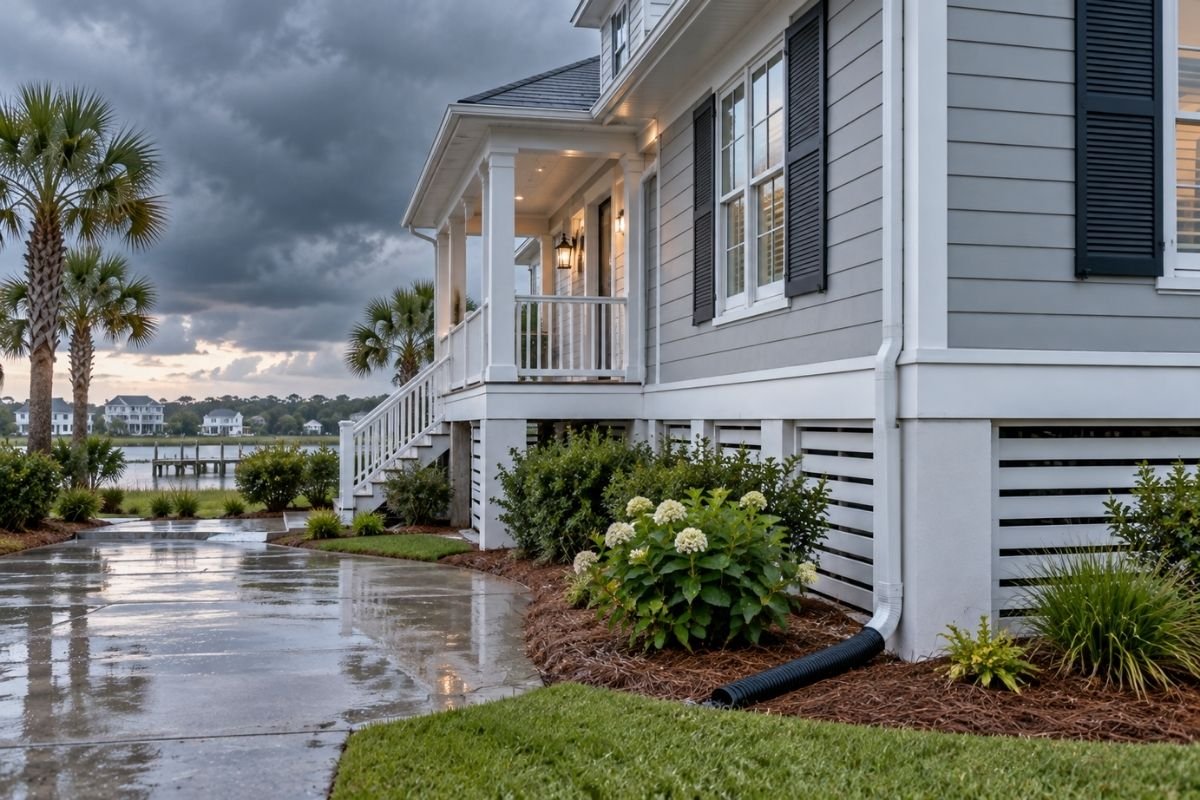
Coastal North Carolina offers an excellent environment for businesses, attracting residents, tourists, and commercial investment throughout the year. From office buildings and retail centers to hotels, restaurants, medical facilities, and apartment complexes, commercial properties along the coast face unique environmental challenges. While business owners often focus on storms, flooding, humidity, and salt air exposure, another hidden issue deserves attention: radon.
Radon is an invisible radioactive gas that can enter commercial buildings through the soil beneath them. Because it cannot be seen, smelled, or tasted, many property owners are unaware of its presence until professional testing is completed. When elevated radon levels are discovered, commercial radon mitigation provides an effective solution for reducing indoor concentrations and protecting building occupants.
For coastal commercial properties, understanding how radon enters buildings and the mitigation options available can help property owners create healthier and safer indoor environments.
Why Coastal Commercial Properties Should Be Concerned About Radon
Many people assume radon is only a concern in mountainous or inland regions. In reality, radon can be found in virtually any area where soil and rock naturally contain uranium. Coastal regions are no exception.
Commercial buildings located near the coast often experience unique environmental conditions that can influence indoor air movement and pressure differences. Factors such as changing weather patterns, moisture levels, soil conditions, and building design can all affect how radon enters and accumulates within a structure.
Because coastal businesses often serve employees, customers, tenants, and visitors throughout the year, maintaining healthy indoor air quality should be a priority for property owners and managers.
How Radon Enters Commercial Buildings
Radon typically enters buildings through openings in the lower portions of the structure. Common entry points include:
- Foundation cracks
- Construction joints
- Utility penetrations
- Floor drains
- Crawl spaces
- Sump pits
- Gaps around pipes and conduits
- Concrete slab openings
Even newer commercial buildings can have small openings that allow radon gas to enter. Once inside, the gas can accumulate if it is not properly vented or mitigated.
Common Coastal Commercial Properties That May Need Mitigation
Any commercial building that sits on the ground has the potential for elevated radon levels. Coastal properties that frequently benefit from testing and mitigation include:
- Office buildings
- Retail shopping centers
- Medical clinics
- Hotels and resorts
- Apartment complexes
- Restaurants
- Schools and educational facilities
- Warehouses
- Government buildings
- Mixed-use developments
The size or age of a building does not determine whether radon is present. Testing remains the only reliable method for identifying elevated levels.
The Importance of Professional Radon Testing
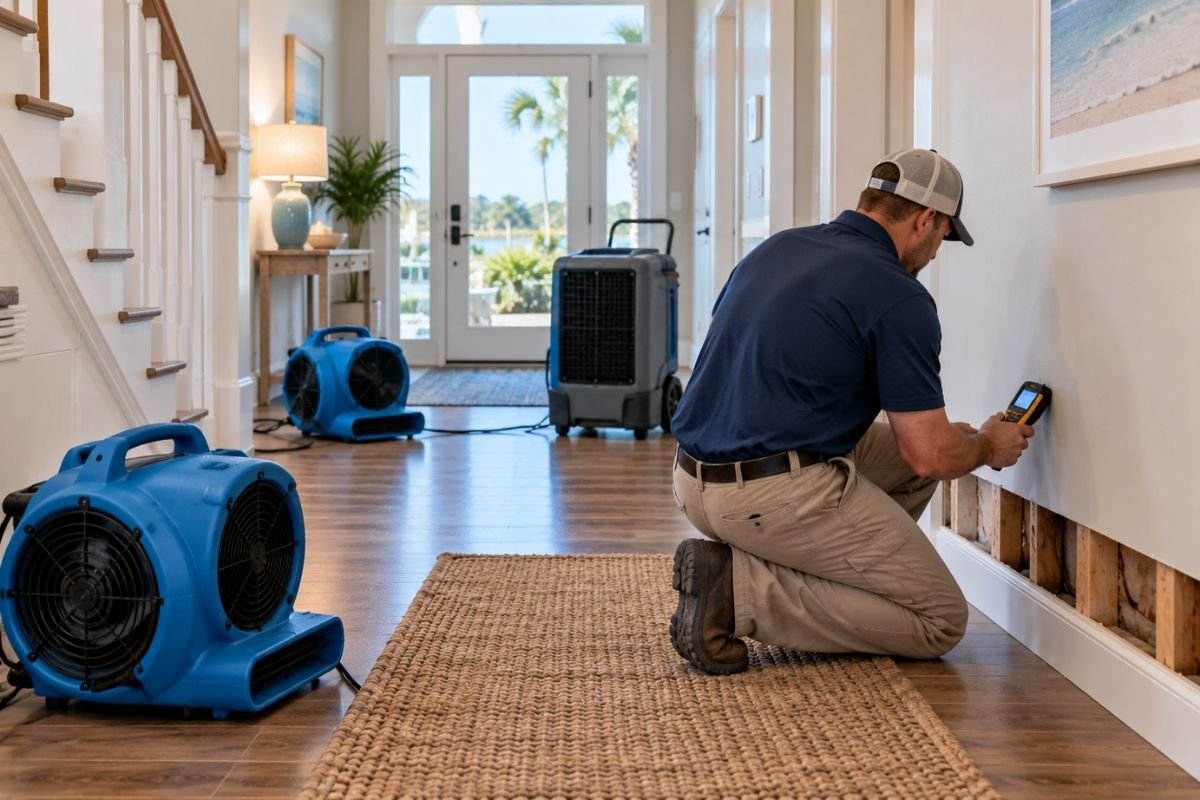
Before a mitigation system can be designed, accurate testing is required. Professional testing provides detailed information about radon levels throughout the building and helps identify areas where mitigation may be necessary.
Businesses can benefit from commercial radon testing services that evaluate the property and provide reliable data for decision-making. Testing allows property owners to understand whether elevated levels exist and what steps should be taken next.
Without testing, there is no way to determine whether a commercial property has a radon problem.
Sub-Slab Depressurization Systems
One of the most effective commercial radon mitigation solutions is sub-slab depressurization. This system creates negative pressure beneath the building’s foundation, helping prevent radon from entering occupied areas.
Specialized piping and fans collect radon gas from beneath the slab and safely vent it above the roofline. This approach is commonly used in both residential and commercial mitigation projects because of its proven effectiveness.
For larger commercial properties, multiple collection points may be required to achieve optimal performance.
Crawl Space Radon Mitigation
Many coastal commercial buildings include crawl spaces. These areas can serve as pathways for radon entry if they are not properly addressed.
Crawl space mitigation often involves installing durable vapor barriers, sealing significant openings, and creating negative pressure beneath the membrane. This helps reduce the movement of radon into occupied spaces above.
Because crawl spaces are common in coastal construction, this mitigation method can play an important role in reducing indoor radon levels.
Sealing Entry Points
Although sealing alone is rarely enough to solve a radon problem, it is often used as part of a larger mitigation strategy. Sealing foundation cracks, utility penetrations, floor joints, and other openings can help reduce the number of pathways through which radon enters the building.
Combined with active mitigation systems, sealing can improve overall system performance and efficiency.
Ventilation Improvements
Ventilation enhancements may also support commercial radon mitigation efforts. Proper air movement can help reduce indoor pollutant concentrations and improve overall indoor air quality.
Commercial buildings that experience stale air, humidity issues, or limited airflow may benefit from ventilation improvements as part of a comprehensive mitigation plan. However, ventilation alone is usually not considered a complete solution for elevated radon levels.
Benefits of Commercial Radon Mitigation
Installing a professional mitigation system offers several benefits for coastal commercial property owners:
- Reduces indoor radon concentrations
- Improves indoor air quality
- Supports employee wellbeing
- Creates a safer environment for customers and visitors
- Demonstrates responsible property management
- Helps protect long-term property value
- Provides confidence during property transactions
- Supports ongoing building maintenance efforts
These benefits make mitigation an important investment for many commercial properties.
Why Coastal Businesses Need Ongoing Monitoring
Environmental conditions along the coast can change throughout the year. Weather patterns, humidity levels, renovations, foundation movement, and building occupancy can all influence indoor radon levels.
After mitigation is installed, periodic monitoring and follow-up testing help verify that the system continues to perform properly. This allows property owners to maintain confidence in their mitigation strategy and identify any changes that may require attention.
Choosing the Right Commercial Mitigation Partner
Commercial mitigation systems are often more complex than residential installations. Larger buildings require specialized design considerations, multiple occupancy areas, and customized solutions that address the property’s unique characteristics.
Working with experienced professionals helps ensure that testing, system design, installation, and follow-up evaluations are completed correctly. A properly designed mitigation system provides long-term performance and reliable radon reduction.
For additional information about radon and its potential health impacts, visit the CDC radon information page.
Final Thoughts
Coastal commercial properties face unique environmental conditions, making indoor air quality an important part of responsible building management. Radon is an invisible issue that can affect businesses of all sizes, from office buildings and retail stores to hotels, healthcare facilities, and apartment complexes.
Commercial radon mitigation provides proven solutions for reducing indoor radon levels and creating safer environments for employees, customers, tenants, and visitors. Through professional testing, proper system design, and ongoing monitoring, coastal property owners can confidently address radon concerns and protect the long-term value of their buildings.