Many homeowners notice drywall cracks at some point and immediately wonder whether they are dealing with a simple cosmetic issue or a sign of a more serious problem. While some drywall cracks are harmless and occur naturally as homes settle, others may indicate structural concerns, moisture damage, or foundation movement that require professional attention.
Understanding the difference between minor drywall imperfections and warning signs of larger problems can help homeowners protect their investment and avoid costly repairs in the future.
Why Do Drywall Cracks Appear?
Drywall cracks can develop for many reasons. Some are completely normal, while others may signal underlying issues within the home’s structure.
Common causes include:
- Natural settling of the home
- Temperature and humidity changes
- Poor drywall installation
- Water damage
- Foundation movement
- Structural shifting
- Roof or framing issues
The location, size, and pattern of the crack often provide important clues about its cause.
Hairline Cracks Are Often Cosmetic
Small hairline cracks are among the most common drywall issues. These thin cracks frequently appear above doors and windows or along drywall seams. In many cases, they result from minor settling that occurs naturally during the first few years after a home is built.
These cracks are usually cosmetic and can often be repaired with professional patching, sanding, and repainting.
When Drywall Cracks May Indicate a Serious Problem
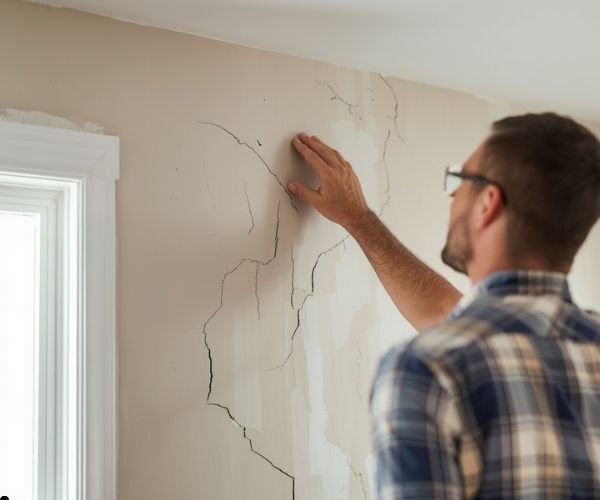
Some drywall cracks deserve closer attention. Larger cracks or cracks that continue to grow may indicate foundation movement or structural stress.
Warning signs include:
- Cracks wider than 1/8 inch
- Cracks that continue to expand
- Diagonal cracks extending from doors or windows
- Multiple cracks appearing throughout the home
- Doors and windows that stick or no longer close properly
- Uneven floors or sloping surfaces
When these symptoms appear together, a professional inspection is strongly recommended.
Horizontal Cracks Require Immediate Attention
Horizontal drywall cracks are less common and may indicate significant structural movement. These cracks can develop when excessive pressure is placed on walls due to foundation settlement or framing issues.
Unlike simple vertical seam cracks, horizontal cracks should be evaluated by experienced professionals as soon as possible.
Ceiling Cracks Can Signal Underlying Problems
Cracks that appear on ceilings often concern homeowners because they may indicate movement above the drywall surface. Roof issues, truss uplift, structural settling, or water damage can all contribute to ceiling cracks.
If ceiling cracks continue to grow or are accompanied by sagging, immediate inspection is recommended.
How Moisture Causes Drywall Cracks
Water damage is another common cause of drywall cracking. When drywall absorbs moisture, it can weaken, expand, and eventually crack.
Homeowners should look for:
- Water stains
- Soft drywall surfaces
- Peeling paint
- Musty odors
- Visible mold growth
Addressing the source of moisture is essential before repairing the drywall.
The Importance of Professional Evaluation
While some drywall cracks are easy to repair, accurately identifying their cause is often more challenging. Professional drywall contractors can determine whether the damage is cosmetic or related to structural movement, moisture intrusion, or installation problems.
An expert assessment ensures that underlying issues are addressed before cosmetic repairs are completed.
How Professional Drywall Repair Solves the Problem
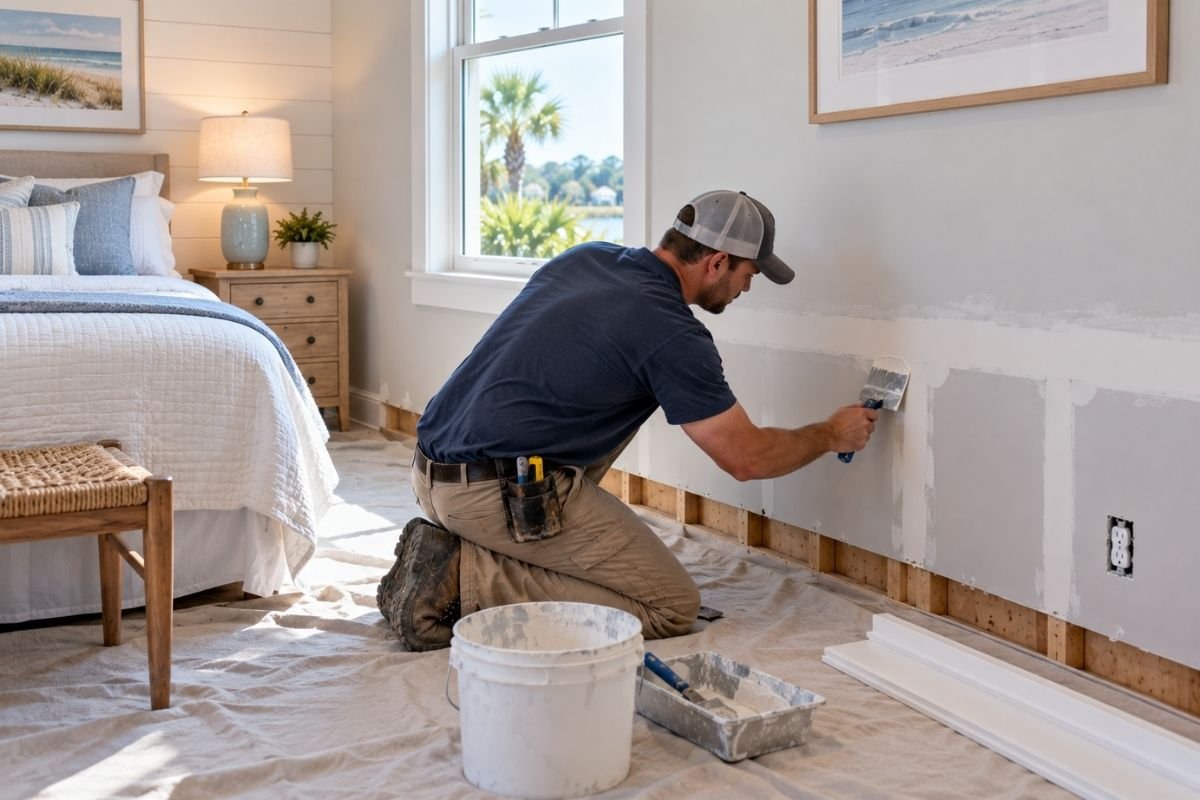
Professional drywall repair involves more than simply covering cracks with joint compound. Contractors identify the root cause of the damage and use proper repair techniques to create durable, long-lasting results.
Typical repair services include:
- Crack reinforcement
- Joint tape replacement
- Drywall patching
- Texture matching
- Painting and finishing
Preventing Future Drywall Cracks
While some settling is unavoidable, homeowners can reduce the risk of drywall cracking by controlling indoor humidity, addressing water leaks quickly, maintaining gutters and drainage systems, and scheduling routine home inspections.
Proper maintenance helps protect both the drywall and the structure behind it.
Conclusion
Not all drywall cracks indicate serious structural problems, but it is important to know the difference between cosmetic imperfections and warning signs of larger issues. Small hairline cracks are often harmless, while larger or expanding cracks may require professional evaluation.
If you notice drywall cracks in your home, consulting an experienced drywall repair professional can help identify the cause and ensure the problem is properly resolved before it becomes more expensive to fix.
Learn more about our professional drywall repair services for lasting results. For additional home maintenance guidance, visit the U.S. Department of Housing and Urban Development.