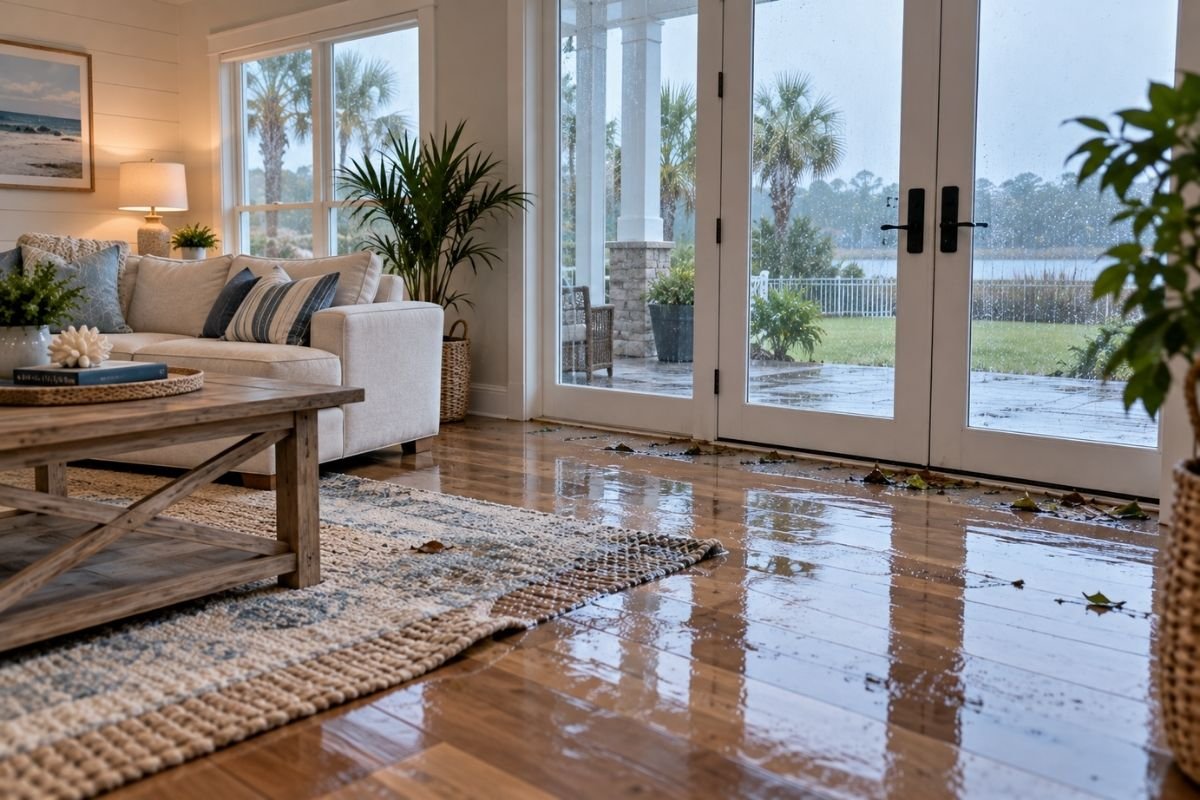
Drywall is one of the most common building materials used in modern homes because it is affordable, durable, and easy to install. However, drywall has one major weakness: moisture. Even a small water leak can cause significant drywall damage if it is not addressed quickly.
Water damaged drywall not only affects the appearance of your home but can also lead to mold growth, structural issues, and costly repairs. Understanding how water impacts drywall can help homeowners act quickly and protect their property.
Why Drywall Is Vulnerable to Water Damage
Drywall is made from gypsum covered by layers of paper. While gypsum itself can tolerate some moisture, the paper facing readily absorbs water. Once moisture enters the drywall, the material begins to weaken and deteriorate.
Because drywall is porous, water can spread quickly throughout walls and ceilings, often affecting larger areas than homeowners initially realize.
Common Causes of Water Damaged Drywall
Water can enter drywall from many different sources. Some problems develop suddenly, while others occur gradually over time.
- Roof leaks
- Burst pipes
- Plumbing leaks
- Flooding
- Hurricane and storm damage
- Faulty appliances
- Poor ventilation and condensation
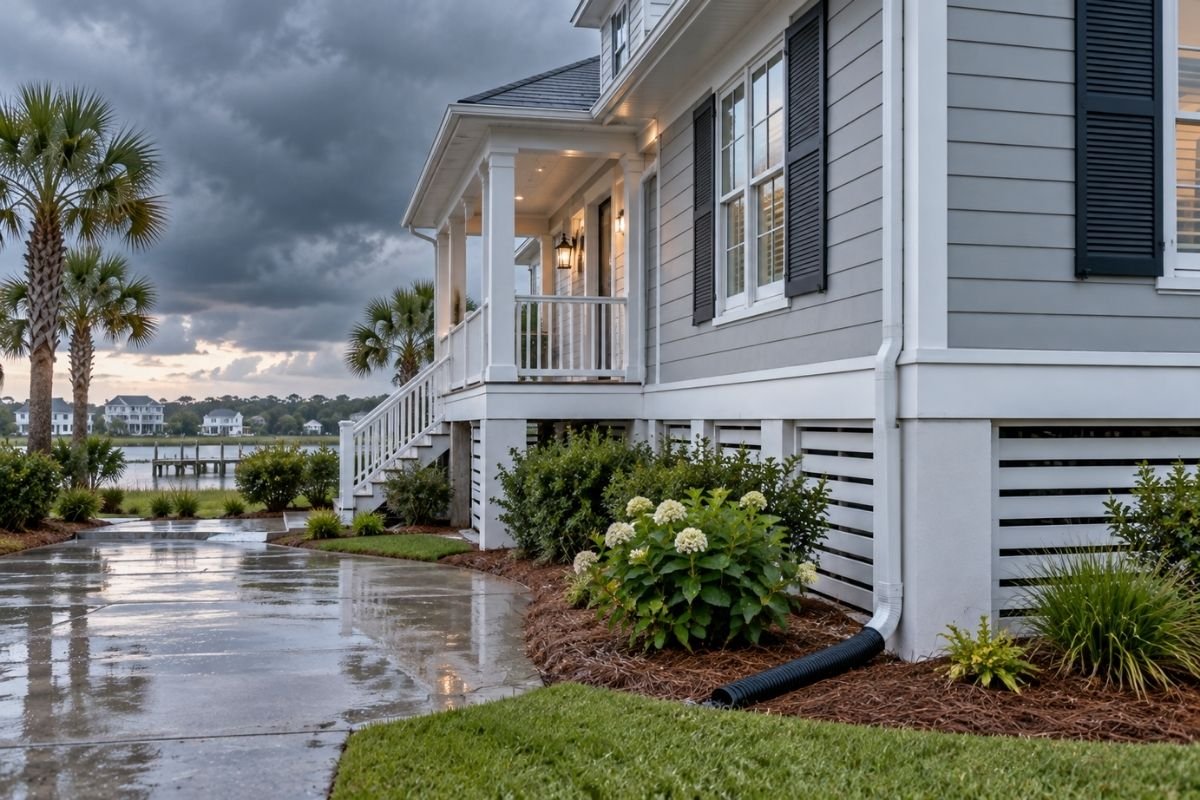
Coastal North Carolina homes are particularly vulnerable because of heavy rainfall, hurricanes, and high humidity levels.
Visible Signs of Water Damaged Drywall
Water damage often leaves obvious warning signs. Homeowners should inspect walls and ceilings regularly for evidence of moisture problems.
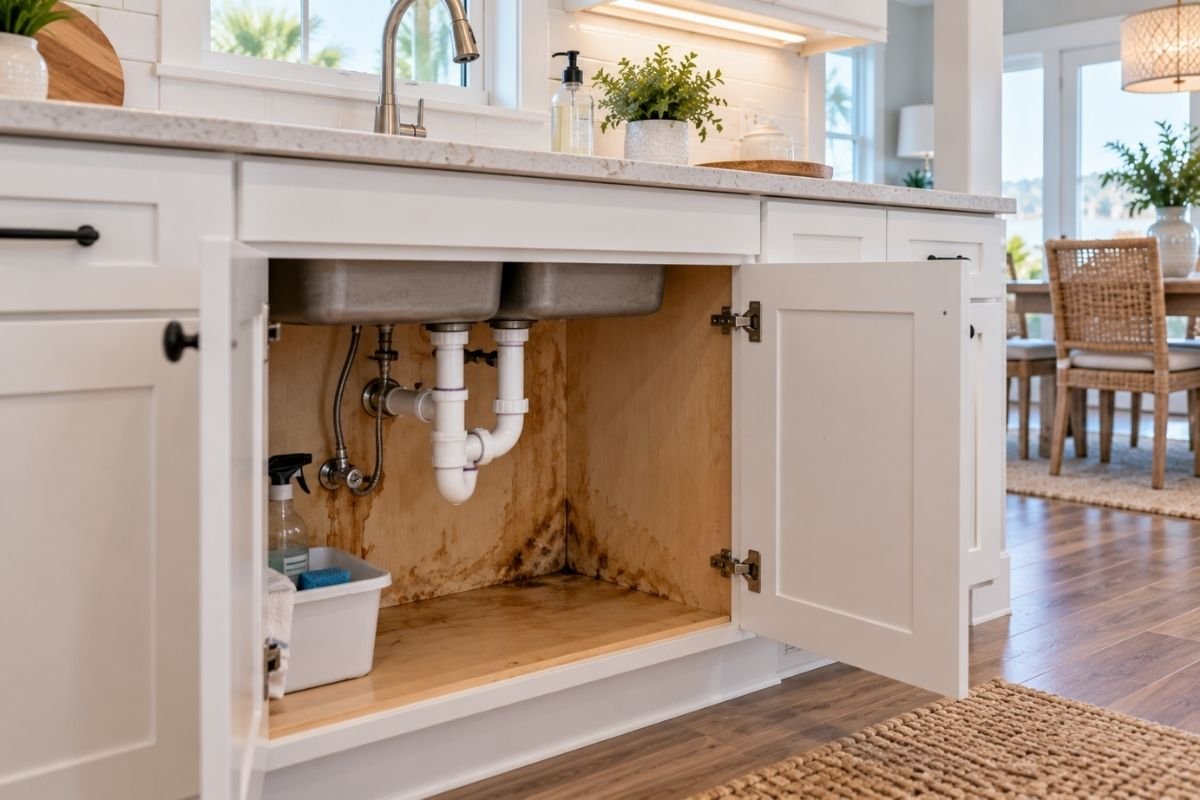
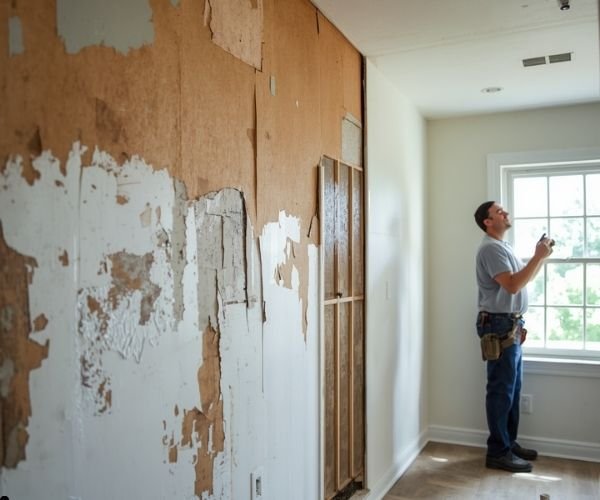
- Brown or yellow stains
- Peeling paint
- Bubbling surfaces
- Soft drywall areas
- Sagging ceilings
- Visible mold growth
- Musty odors
These symptoms often indicate that moisture has been present for an extended period.
How Water Weakens Drywall
When drywall absorbs moisture, it loses strength and stability. The material may swell, soften, and eventually crumble. Fasteners can loosen, seams may separate, and entire sections of drywall may begin to sag.
If severe enough, water damage can make drywall unsafe and require complete replacement.
Mold Growth Becomes a Serious Risk
One of the biggest concerns associated with water damaged drywall is mold growth. Mold can begin developing within 24 to 48 hours after moisture exposure.
Because drywall contains paper materials, it provides an ideal surface for mold colonies to grow and spread.
Mold contamination may affect indoor air quality and require specialized remediation services before repairs can be completed.
Hidden Water Damage Behind Walls
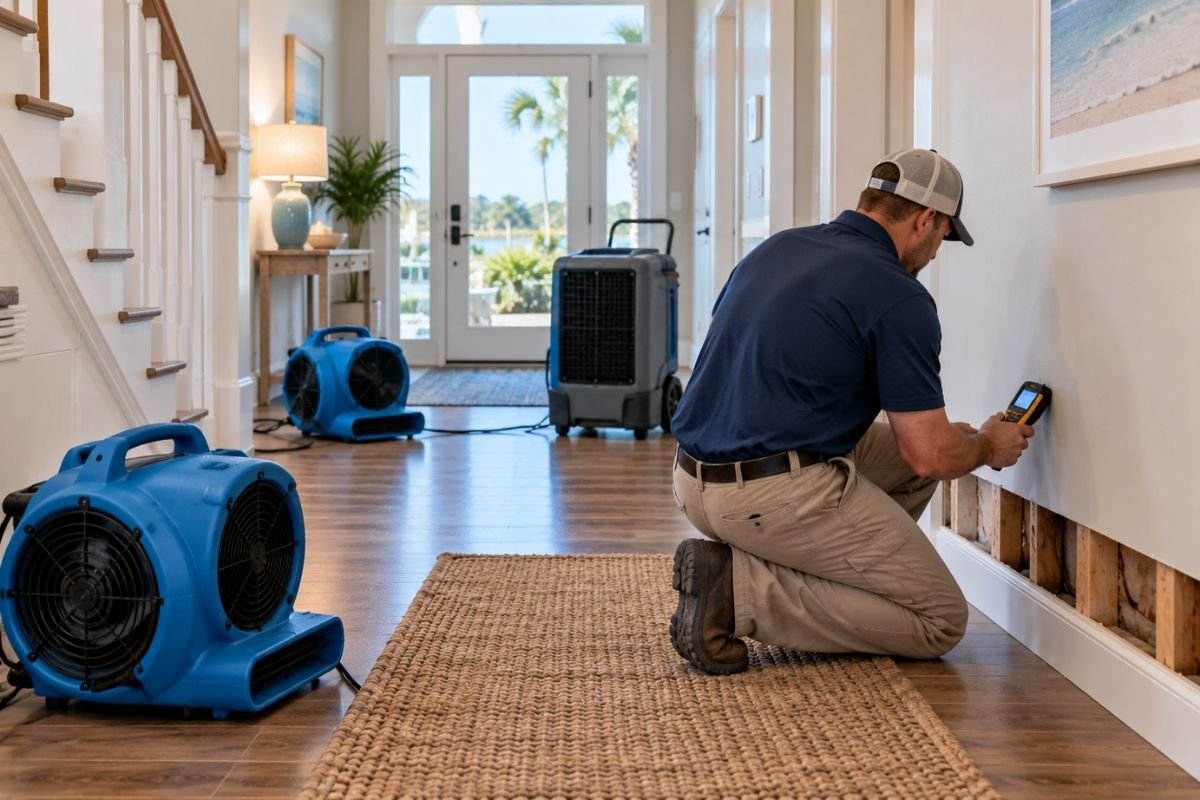
Not all water damage is immediately visible. Leaks inside walls can remain unnoticed for months, causing extensive damage behind the drywall surface.
Hidden moisture can damage insulation, wood framing, electrical systems, and other structural components.
Professional inspections often reveal damage that homeowners cannot see from the surface.
Why Quick Action Is Important
Delaying repairs can dramatically increase restoration costs. What begins as a small leak may eventually require extensive drywall replacement, mold remediation, and structural repairs.
Fast action helps:
- Reduce repair costs
- Prevent mold growth
- Protect structural materials
- Preserve indoor air quality
- Maintain property value
Professional Drywall Repair After Water Damage
Repairing water damaged drywall requires more than patching visible areas. Professionals first identify and correct the moisture source before evaluating the extent of the damage.
Depending on the severity of the damage, repairs may include:
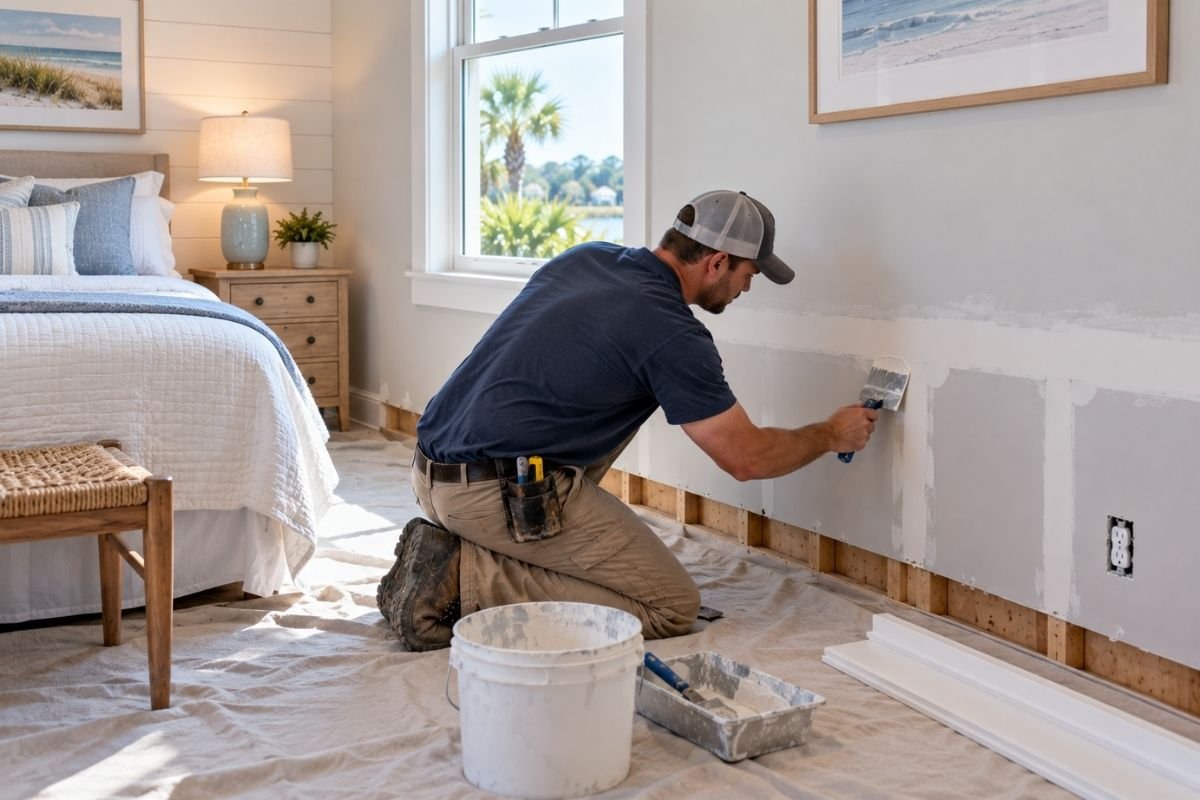
- Removing damaged drywall
- Drying affected areas
- Mold remediation
- Installing new drywall
- Texture matching and painting
Preventing Future Drywall Water Damage
Homeowners can reduce the risk of future water damage by maintaining roofs, inspecting plumbing systems, cleaning gutters, and ensuring proper ventilation throughout the home.
Regular maintenance can help identify small problems before they become expensive repairs.
Conclusion
Water damaged drywall should never be ignored. Moisture can quickly weaken drywall, promote mold growth, and cause extensive damage throughout your home. Recognizing the warning signs and responding quickly can save homeowners significant time and money.
If you have damaged walls or ceilings, our professional drywall repair services can restore your home safely and efficiently. For additional information about water damage prevention, visit the Federal Emergency Management Agency (FEMA).