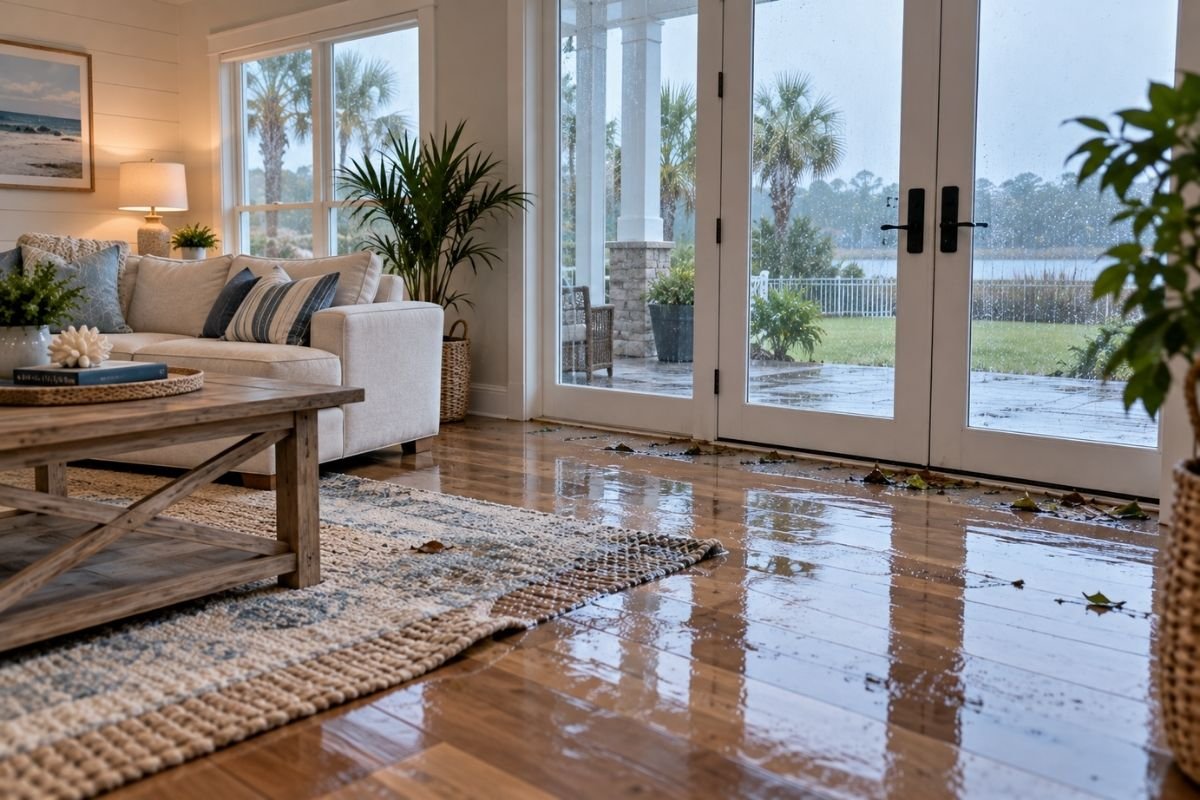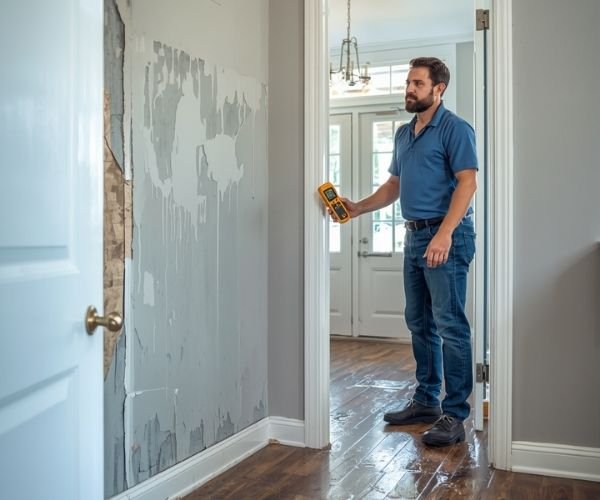
Water damage is not always obvious. While flooding, burst pipes, and major leaks often create visible problems, many homeowners deal with hidden water damage that remains unnoticed for weeks or even months. During that time, moisture can slowly affect walls, floors, ceilings, insulation, and structural materials.
Because hidden water damage often develops out of sight, it can lead to expensive repairs if left untreated. Recognizing the warning signs early can help homeowners address problems before they become more serious. Understanding what to look for is one of the best ways to protect your property and maintain a healthy indoor environment.
If you suspect hidden water damage in your home, identifying the issue quickly can reduce restoration costs and prevent additional complications.
What Is Hidden Water Damage?
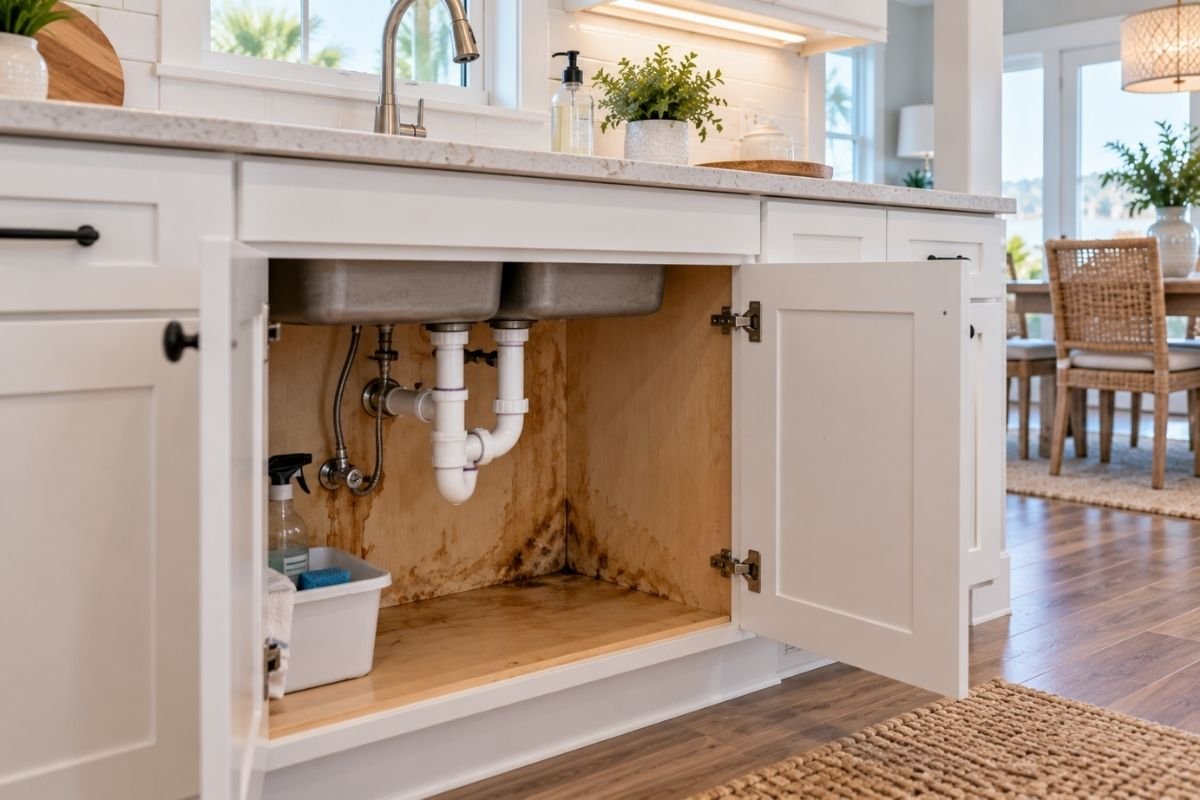
Hidden water damage occurs when moisture accumulates in areas that are not immediately visible. Water may become trapped behind walls, beneath flooring, inside ceilings, under cabinets, or within crawl spaces.
Unlike major flooding events, hidden water damage often develops gradually. Small plumbing leaks, roof problems, appliance malfunctions, and condensation issues can introduce moisture into building materials over time.
Because the damage is concealed, homeowners may not realize a problem exists until visible signs begin to appear.
Unexplained Musty Odors
A persistent musty smell is one of the most common indicators of hidden moisture. Water trapped behind walls, beneath flooring, or inside enclosed spaces can create conditions that lead to unpleasant odors.
If certain areas of your home consistently smell damp despite regular cleaning, hidden water damage may be present. The odor often becomes stronger in areas where moisture has remained for an extended period.
Investigating unusual smells early can help uncover hidden problems before significant damage occurs.
Stains on Walls or Ceilings
Water stains often indicate that moisture is moving through building materials. Yellow, brown, or discolored spots on walls and ceilings may signal a plumbing leak, roof problem, or moisture intrusion from another source.
Even small stains should not be ignored. They may indicate that water has been present for a considerable period and could be affecting areas beyond what is visible.
Prompt investigation helps determine the source of the problem and prevent additional damage.
Peeling Paint or Bubbling Wallpaper
Moisture trapped behind walls can cause paint and wallpaper to lose adhesion. As water accumulates, surfaces may begin peeling, bubbling, cracking, or warping.
Homeowners sometimes assume these issues are purely cosmetic, but they often indicate an underlying moisture problem. Addressing the cause rather than simply repainting the area is essential.
Correcting moisture issues early helps preserve both the appearance and condition of your home.
Warped or Buckling Flooring
Flooring materials often react when exposed to excess moisture. Hardwood floors may warp, laminate flooring may buckle, and vinyl materials may begin lifting or separating.
Because water can travel beneath flooring surfaces, damage may extend beyond the area where visible changes appear. Even slight unevenness can indicate moisture beneath the surface.
Professional inspection can help determine the extent of the damage and identify the source of the moisture.
Unexpected Increases in Water Bills
A sudden increase in your water bill may indicate a hidden plumbing leak. Pipes located behind walls, beneath slabs, or within ceilings can leak continuously without obvious signs.
Monitoring utility bills can provide an early warning of hidden water problems. If usage increases unexpectedly and household habits have not changed, further investigation may be necessary.
Finding leaks early often prevents more extensive property damage.
Soft or Damaged Drywall
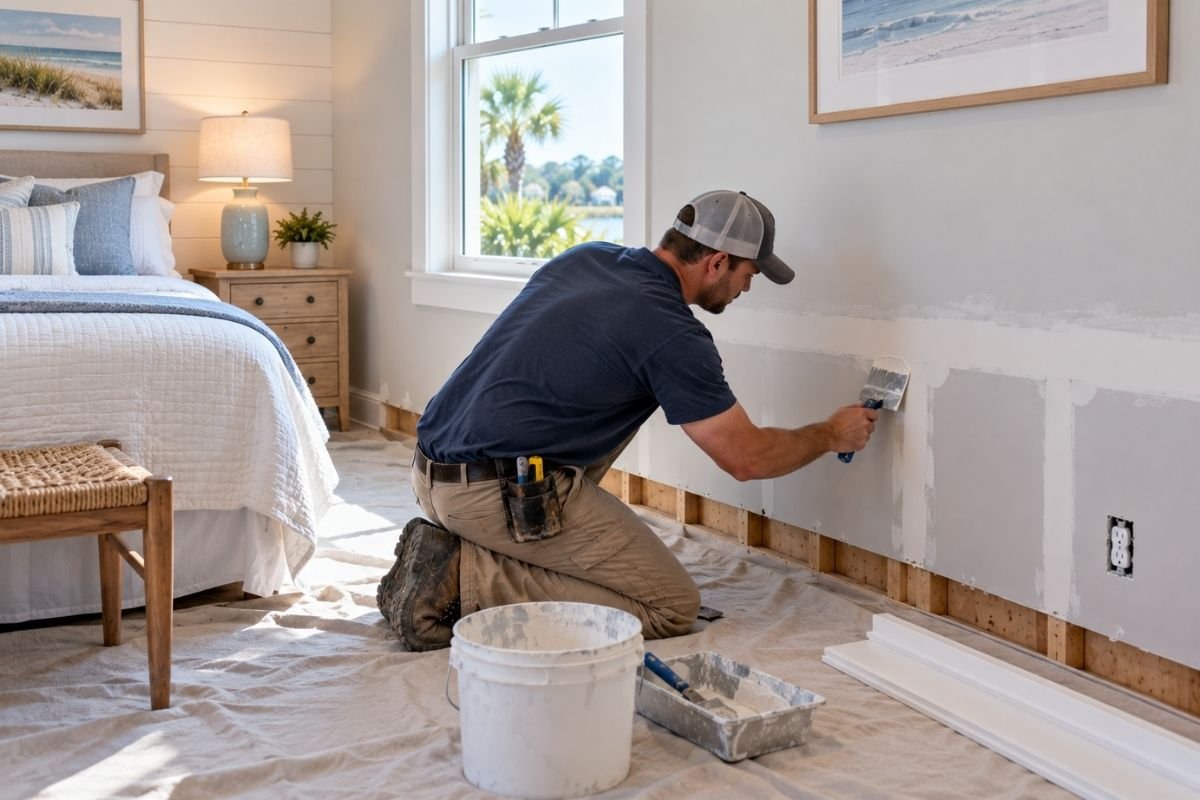
Drywall absorbs moisture easily. When water damage develops behind walls, drywall may become soft, swollen, or weakened.
Homeowners may notice areas that feel spongy, appear uneven, or show signs of deterioration. In severe cases, sections of drywall may begin crumbling or breaking apart.
Damaged drywall often indicates a long-term moisture issue that requires prompt attention.
Mold Growth in Unexpected Areas
Mold frequently develops when moisture remains present for extended periods. Visible mold growth around baseboards, behind furniture, near windows, or inside closets may indicate hidden water damage nearby.
Even small amounts of mold can suggest larger moisture concerns behind walls or beneath flooring. Identifying the source of the moisture is essential for preventing future growth.
Addressing hidden water damage often plays a key role in controlling mold problems.
Foundation and Crawl Space Moisture
Many homeowners rarely inspect crawl spaces or foundation areas. However, these locations often experience hidden moisture issues.
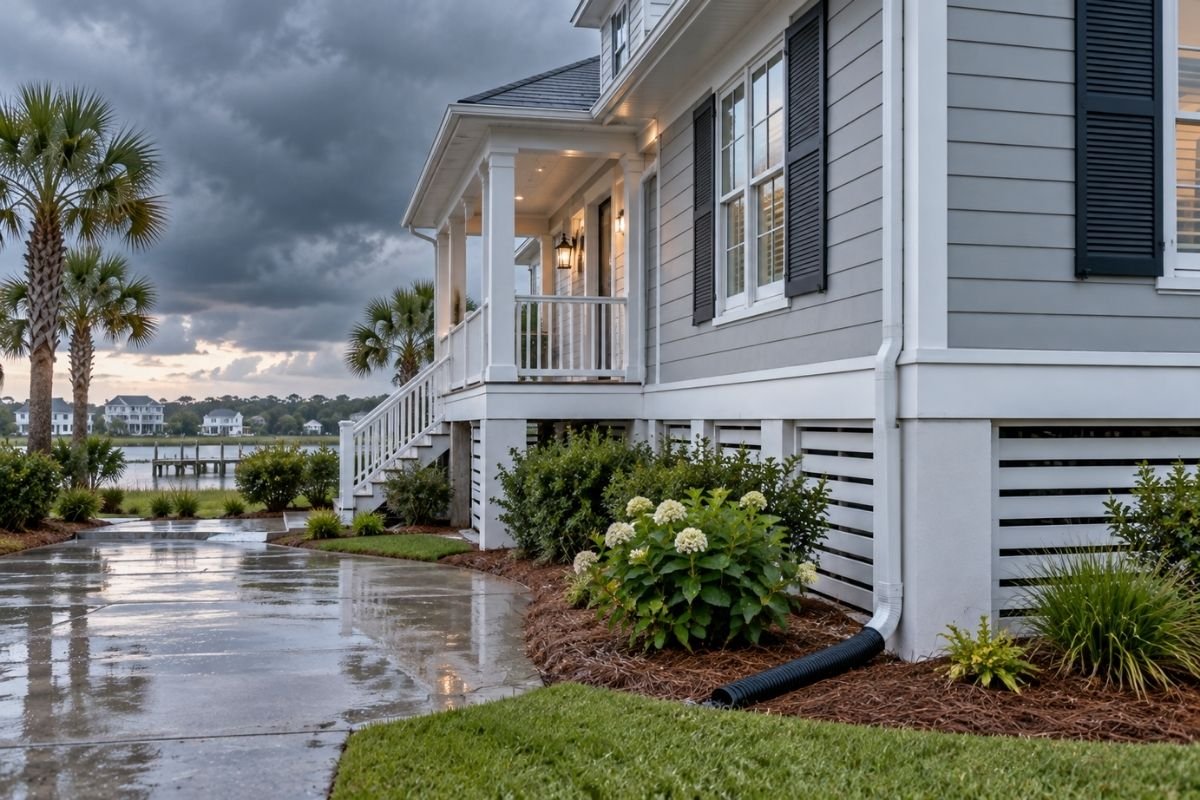
Standing water, damp soil, condensation, and poor drainage can all contribute to moisture accumulation beneath a home. Over time, these conditions may affect structural components and indoor air quality.
Routine inspections help identify problems before they spread throughout the property.
Roof Leaks That Go Unnoticed
Roof leaks do not always create immediate ceiling stains. Water may travel through attic spaces, insulation, wall cavities, and framing before becoming visible.
Because of this, roof-related water damage can remain hidden for extended periods. Regular roof inspections help identify damaged shingles, flashing issues, and other vulnerabilities before they allow water intrusion.
Preventative maintenance remains one of the best ways to reduce the risk of hidden moisture problems.
Why Professional Inspections Matter
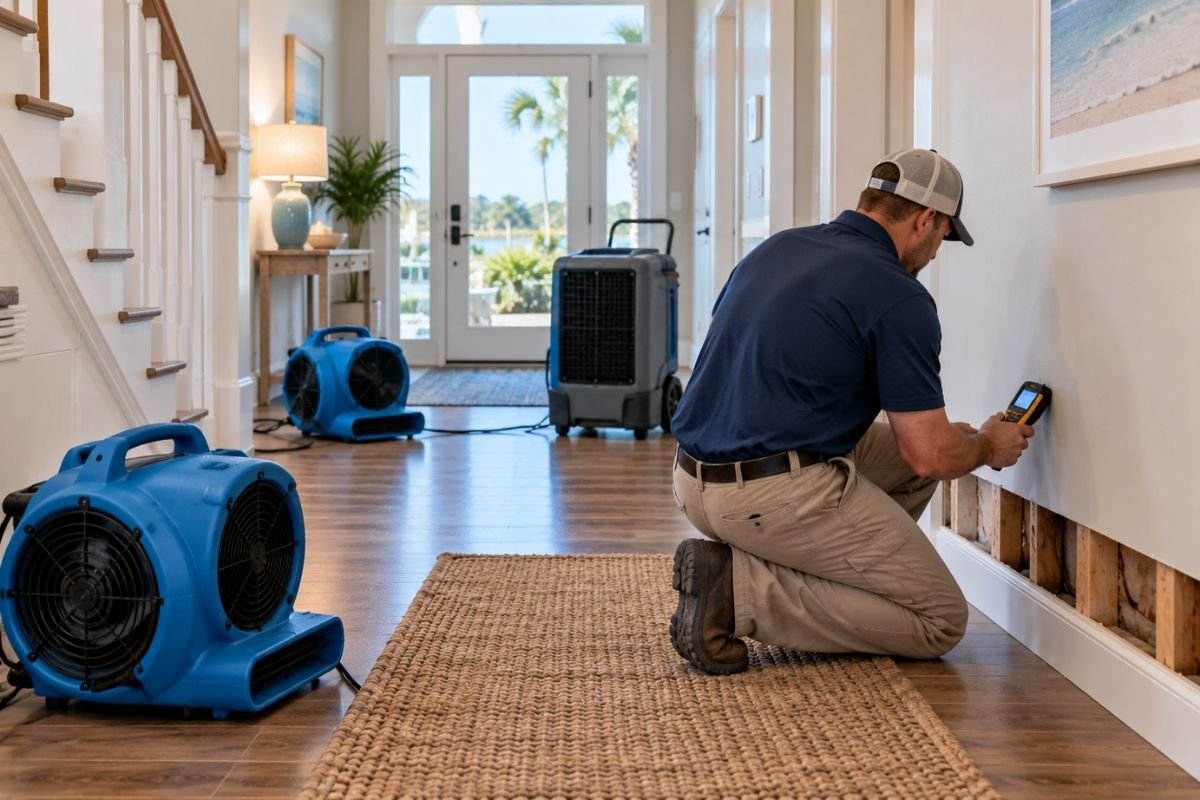
Hidden water damage often requires specialized equipment to detect. Moisture meters, thermal imaging cameras, and professional inspection techniques help identify water that may not be visible during a standard visual inspection.
Homeowners who suspect hidden moisture problems can benefit from professional water damage restoration services that include moisture detection and damage assessment.
Professional evaluations help determine the extent of the problem and guide appropriate restoration efforts.
The Cost of Ignoring Hidden Water Damage
Small water problems rarely stay small. Moisture that remains trapped inside building materials can continue spreading over time, affecting larger portions of the property.
Ignoring hidden damage may lead to structural deterioration, mold growth, flooring replacement, drywall repairs, and more extensive restoration costs. Early intervention is usually far less expensive than major repairs later.
Addressing concerns quickly helps protect both the property and your investment.
Protecting Indoor Air Quality
Hidden moisture can affect more than just building materials. Damp environments may contribute to indoor air quality concerns and create conditions that support mold growth.
Homeowners can learn more about maintaining healthy indoor environments by reviewing indoor air quality information provided by the Environmental Protection Agency.
Combining moisture control with proper maintenance helps create healthier living conditions.
Final Thoughts
Hidden water damage can silently affect a property for months before obvious signs appear. Musty odors, stains, peeling paint, warped flooring, unexpected water bills, and mold growth often indicate that moisture is present where it should not be.
Recognizing these warning signs early allows homeowners to take action before minor problems become major repairs. Through regular inspections, prompt repairs, and professional restoration when needed, homeowners can better protect their properties from the long-term effects of hidden water damage.