What to Do Immediately After Water Damage in Your Home
Water damage can happen without warning. A burst pipe, leaking appliance, roof problem, plumbing failure, or severe storm can quickly leave homeowners dealing with standing water and damaged belongings. While the situation can feel overwhelming, the actions you take during the first few hours can significantly affect the amount of damage your property experiences.
Knowing what to do immediately after water damage helps protect your home, reduce repair costs, and support a faster recovery process. Quick action can also help minimize the risk of mold growth and structural damage.
If your home experiences water damage, following a clear plan can help you stay safe and begin the restoration process as efficiently as possible.
Prioritize Safety First
Before entering a water-damaged area, consider potential safety hazards. Water and electricity can create dangerous conditions, especially if water has reached electrical outlets, appliances, or wiring.
If it is safe to do so, turn off electricity to the affected area. If you are unsure whether the area is safe, contact a qualified professional before entering.
You should also watch for slippery surfaces, weakened flooring, damaged ceilings, and other structural concerns that may have resulted from the water intrusion.
Stop the Source of the Water
The next step is identifying and stopping the source of the water if possible. For example, if a plumbing pipe has burst, shutting off the home’s main water supply can prevent additional damage.
If the damage resulted from a leaking appliance, disconnecting the appliance may help stop the flow. During severe weather events, it may not always be possible to stop the water immediately, but limiting additional exposure should remain a priority.
Stopping the source quickly helps reduce the amount of water entering the property and limits further damage.
Document the Damage
Before beginning cleanup, take photographs and videos of all affected areas. Document damaged flooring, walls, furniture, appliances, personal belongings, and structural components.
Detailed records may be useful when communicating with insurance providers and restoration professionals. Be sure to capture wide-angle images as well as close-up photographs of specific damage.
Good documentation can help create a clearer picture of the extent of the loss.
Contact Your Insurance Company
Notify your insurance company as soon as possible. Many insurance providers require prompt reporting of water damage claims.
Provide photographs, videos, and details regarding the cause of the damage. Ask about coverage requirements, claim procedures, and recommended next steps.
Keeping detailed records of all communications can help streamline the claims process.
Remove Standing Water
The longer water remains inside a home, the greater the potential for damage. Standing water can quickly affect flooring, drywall, insulation, furniture, and structural materials.
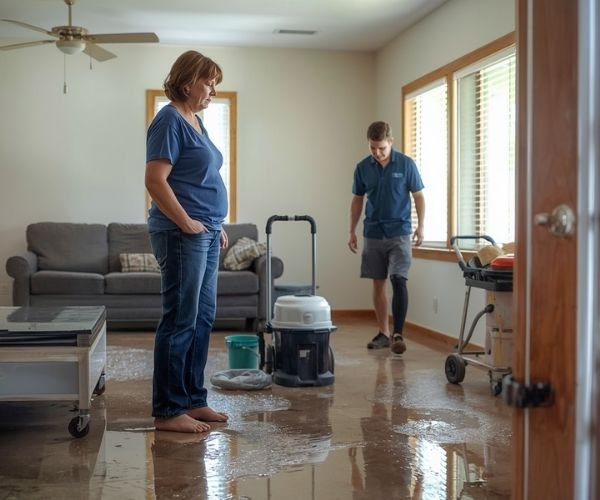
If conditions are safe, begin removing standing water using pumps, wet vacuums, or other appropriate equipment. Large losses often require professional extraction equipment to remove water efficiently.
Fast water removal helps reduce secondary damage and speeds up the drying process.
Move Valuable Items to a Dry Area
Protecting personal belongings should be a priority whenever possible. Move furniture, electronics, documents, photographs, and other valuable items away from affected areas.
Relocating belongings to a dry location can help prevent additional damage and improve the chances of successful restoration.
Items that remain in standing water for extended periods often experience more severe damage.
Begin the Drying Process
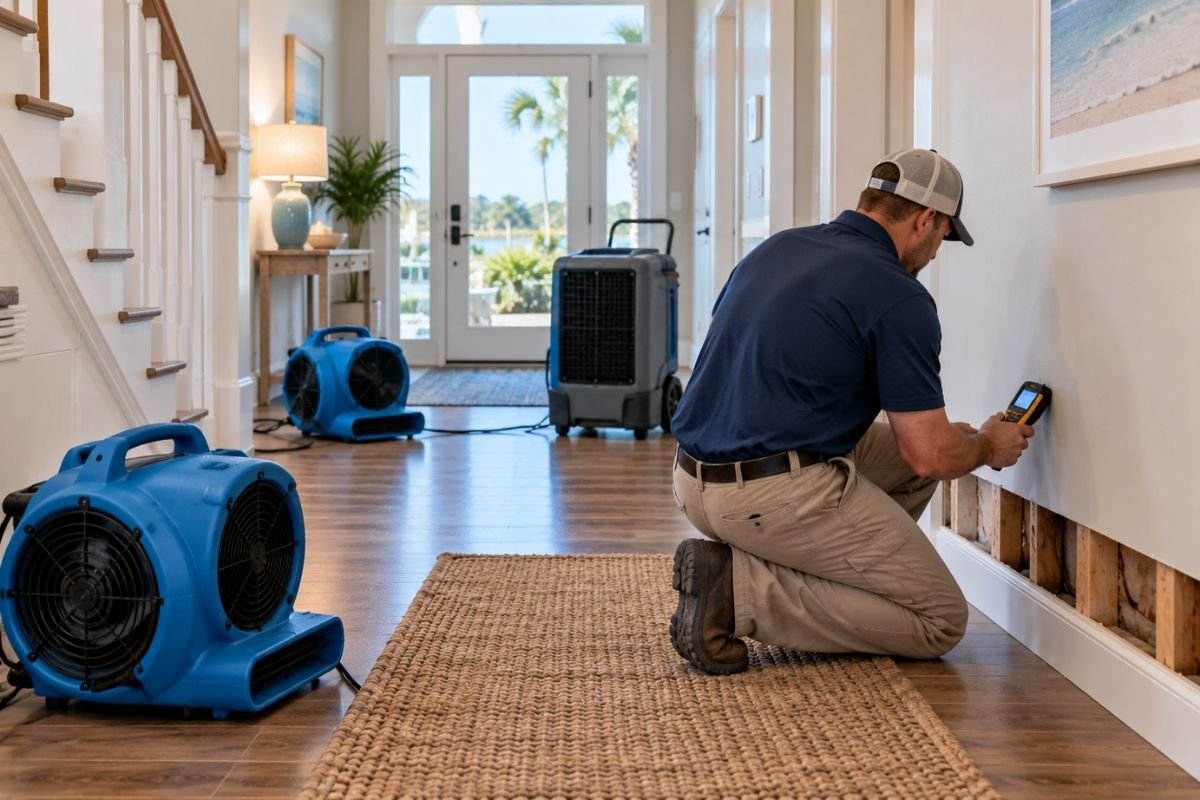
After removing standing water, drying becomes the next critical step. Open windows when weather permits and use fans and dehumidifiers to increase airflow.
Drying helps remove excess moisture trapped in building materials and reduces conditions that support mold growth. Depending on the severity of the damage, professional drying equipment may be necessary.
Thorough drying is one of the most important parts of the restoration process.
Watch for Signs of Mold Growth
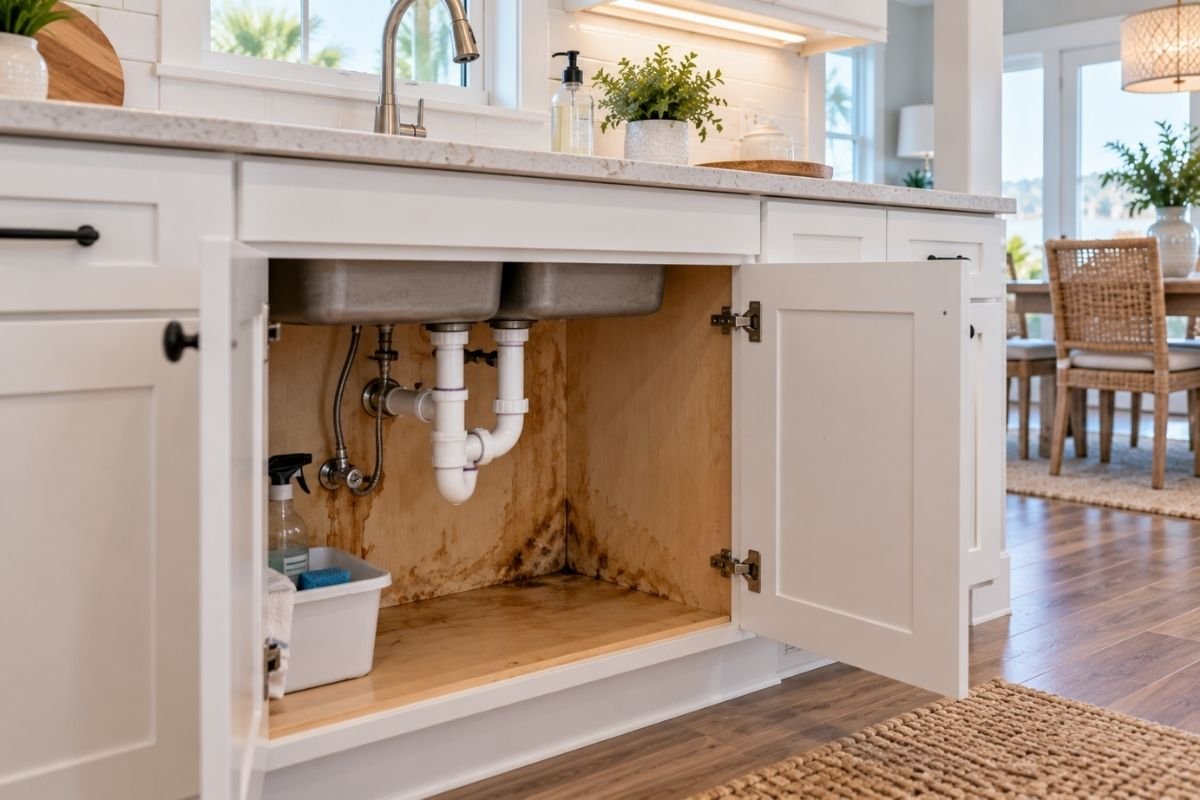
Mold can begin developing quickly when moisture remains inside a home. Homeowners should watch for musty odors, discoloration, visible growth, and persistent dampness.
Early identification helps prevent mold from spreading throughout the property. Fast drying and professional restoration services often reduce the likelihood of mold-related issues.
Addressing moisture quickly remains one of the best ways to protect indoor air quality.
Know When to Call Restoration Professionals
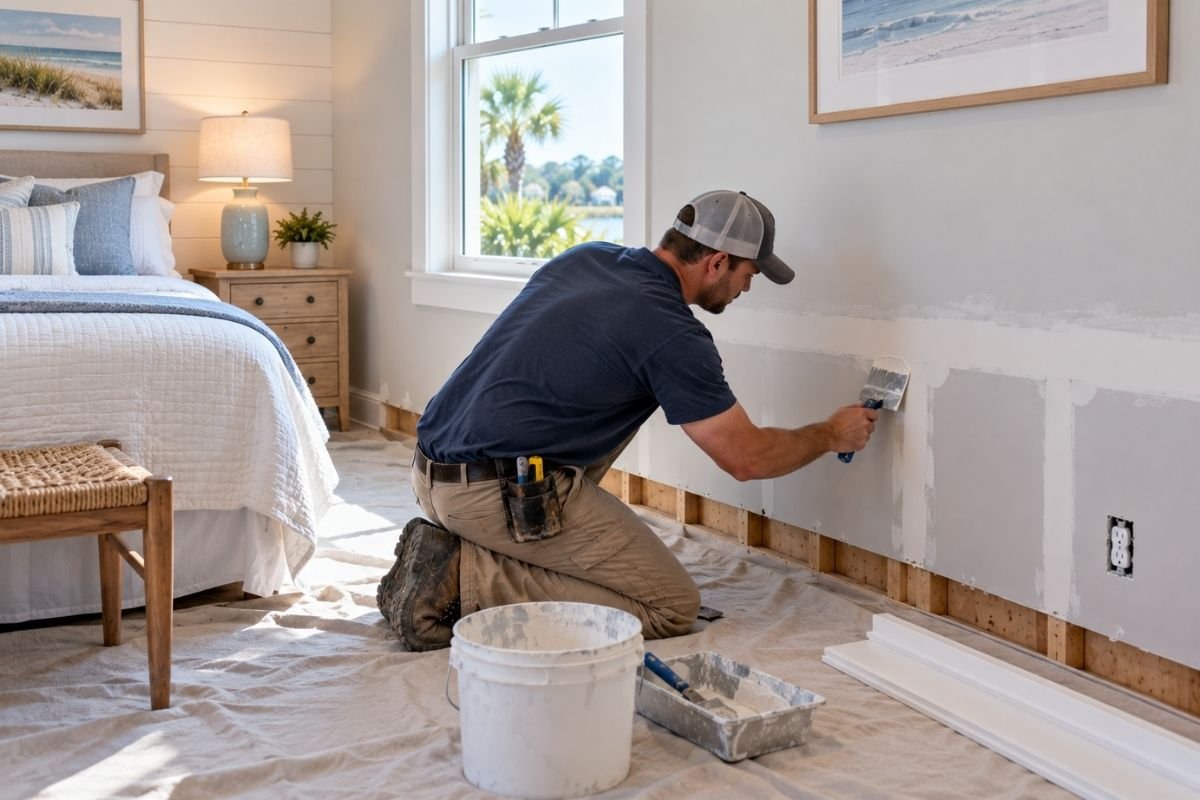
Some minor water incidents can be managed by homeowners, but larger losses often require professional assistance. Extensive flooding, contaminated water, structural damage, and widespread moisture problems typically require specialized equipment and expertise.
Homeowners who need professional water damage restoration services can benefit from expert water extraction, drying, moisture detection, and damage assessment.
Professional restoration teams help ensure that hidden moisture does not remain behind walls, under flooring, or within structural components.
Prevent Future Water Damage
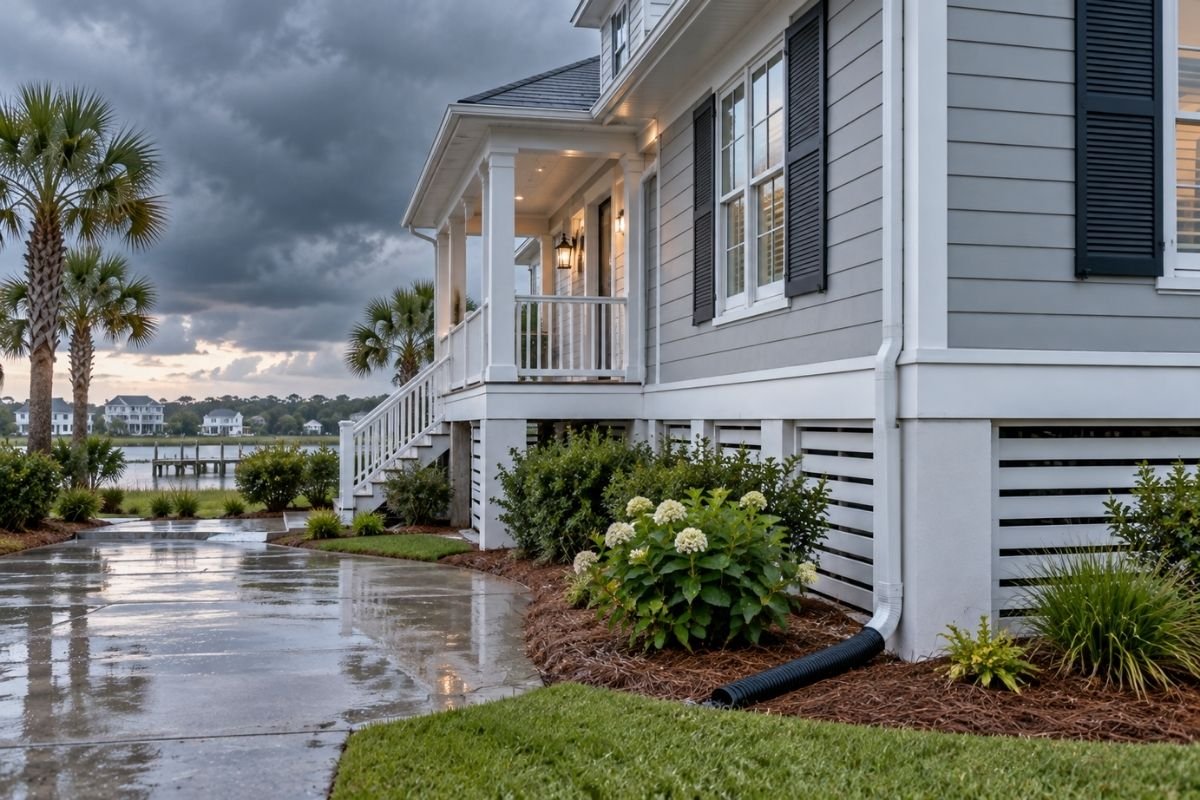
Once restoration is complete, homeowners should take steps to reduce the risk of future incidents. Regular plumbing inspections, roof maintenance, appliance checks, and gutter cleaning can help identify potential problems before they cause significant damage.
Preventative maintenance often costs far less than major water damage repairs.
Being proactive helps protect your home and reduce the likelihood of future emergencies.
Using Trusted Emergency Preparedness Resources
Homeowners can also review flood safety recommendations for additional guidance on protecting their families and properties during water-related emergencies.
Combining emergency preparedness with prompt restoration action helps reduce risks and improve recovery outcomes.
Final Thoughts
Water damage can escalate quickly if homeowners delay action. Prioritizing safety, stopping the water source, documenting damage, removing standing water, and beginning the drying process can significantly reduce the impact of a water-related emergency.
Professional restoration services often play an important role in helping homeowners recover efficiently while preventing additional damage. By acting quickly and following the proper steps, homeowners can protect their property and begin restoring their homes as soon as possible.