Business owners have many responsibilities when it comes to maintaining a safe commercial property. From fire safety and security systems to structural maintenance and indoor air quality, every aspect of a building contributes to the wellbeing of employees, customers, tenants, and visitors. One important issue that is often overlooked is radon exposure.
Radon is a naturally occurring radioactive gas that can enter commercial buildings through the ground. Because it is invisible, odorless, and tasteless, many property owners are unaware of its presence until professional testing is performed. When elevated levels are discovered, commercial radon mitigation becomes an essential solution for protecting the people who use the building every day.
Whether you operate an office building, retail store, healthcare facility, warehouse, school, apartment complex, or hospitality property, understanding the benefits of commercial radon mitigation can help you create a healthier and safer indoor environment.
Understanding Radon in Commercial Buildings
Radon forms naturally as uranium breaks down in soil, rock, and groundwater. The gas can travel through the soil and enter buildings through foundation cracks, utility openings, floor joints, crawl spaces, and other small gaps. Once inside, radon can become trapped and accumulate over time.
Unlike many building problems, radon does not provide obvious warning signs. Occupants cannot see it, smell it, or feel its presence. This makes professional testing the only reliable way to determine whether a commercial property has elevated radon levels.
According to the Environmental Protection Agency (EPA), radon is a significant indoor air quality concern that property owners should take seriously. When elevated levels are found, mitigation systems help reduce radon concentrations and improve overall safety.
Why Employee Safety Matters
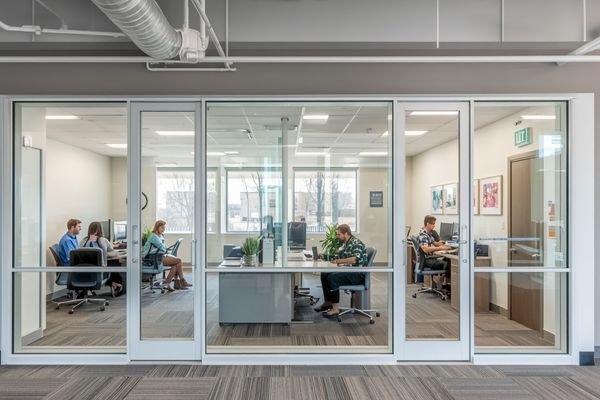
Employees often spend eight or more hours each day inside a commercial building. Over weeks, months, and years, this adds up to a significant amount of indoor exposure time. Because of this, maintaining healthy indoor air quality should be an important part of every workplace safety program.
Commercial radon mitigation helps reduce indoor radon levels, creating a healthier environment for employees. This demonstrates that business owners are committed to providing a safe workplace and taking proactive measures to address potential indoor environmental concerns.
When employees know their workplace is being properly maintained, it can also contribute to greater confidence and trust in management. Investing in building safety often reflects positively on the overall work environment.
Protecting Customers and Visitors
Commercial properties are not occupied solely by employees. Retail stores, medical offices, educational facilities, restaurants, hotels, and many other businesses welcome customers and visitors every day.
Business owners have a responsibility to provide a safe environment for everyone who enters their property. While customers may only spend a short amount of time inside a building, maintaining good indoor air quality remains an important part of professional property management.
Commercial radon mitigation helps ensure that indoor spaces remain safer and more comfortable for all occupants. This can be particularly important for businesses that depend on public trust and customer confidence.
Improving Indoor Air Quality
Indoor air quality affects the overall comfort and usability of a building. Poor indoor air quality can be associated with humidity issues, inadequate ventilation, airborne contaminants, and elevated radon levels.
Commercial radon mitigation systems are specifically designed to reduce radon concentrations within a building. By addressing this hidden issue, property owners can improve indoor environmental conditions and support a healthier atmosphere.
Many businesses invest heavily in HVAC systems, filtration equipment, and energy-efficient building upgrades. Radon mitigation complements these efforts by addressing another important aspect of indoor air quality management.
Supporting Property Management Responsibilities
Property managers are responsible for maintaining buildings that meet the needs of tenants, employees, and visitors. This includes identifying potential risks before they become larger problems.
Professional radon testing and mitigation can be valuable components of a comprehensive property management strategy. By addressing elevated radon levels promptly, property managers demonstrate a commitment to responsible building maintenance.
Businesses looking for professional commercial radon mitigation services can benefit from solutions specifically designed for larger commercial properties and complex building layouts.
Commercial Buildings That Benefit from Radon Mitigation
Many different types of commercial properties can benefit from radon mitigation, including:
- Office buildings
- Retail centers
- Medical facilities
- Schools and educational buildings
- Apartment complexes
- Warehouses
- Hotels and hospitality properties
- Government buildings
- Industrial facilities
- Mixed-use developments
Any structure with direct contact with the ground may have the potential for elevated radon levels. Testing is the only way to determine whether mitigation is necessary.
How Commercial Radon Mitigation Works
Commercial mitigation systems are designed to prevent radon from accumulating inside a building. The specific approach depends on factors such as foundation type, building size, occupancy areas, and existing radon levels.
Common mitigation methods may include sub-slab depressurization systems, specialized vent piping, radon exhaust fans, crawl space treatment solutions, and sealing significant entry points. These systems work together to safely redirect radon away from occupied spaces.
Because commercial buildings vary greatly in design and complexity, professional assessment is essential to ensure the most effective solution is selected.
Reducing Liability Concerns
Business owners and property managers are expected to maintain safe environments for employees and visitors. While radon may not be visible, ignoring elevated levels after testing can create unnecessary concerns.
Taking action through professional mitigation demonstrates a proactive approach to building safety. Addressing indoor air quality issues before they become larger concerns can help support responsible facility management practices.
Property owners who invest in preventative measures often find that proactive maintenance provides long-term benefits for both occupants and operations.
Enhancing Building Value and Reputation
A well-maintained building often attracts higher-quality tenants, supports stronger business operations, and creates a more positive impression on visitors. Addressing radon concerns can contribute to a property’s overall reputation for safety and professionalism.
For commercial real estate investors and property managers, mitigation may also be viewed as part of a long-term asset protection strategy. Buildings that demonstrate attention to environmental and safety concerns may be more attractive during lease negotiations, inspections, and property transactions.
The Importance of Ongoing Testing
After mitigation is installed, follow-up testing is important to verify system performance. Buildings change over time due to renovations, foundation settling, occupancy changes, and HVAC modifications. Periodic testing helps ensure radon levels remain under control.
Ongoing monitoring can provide confidence that the mitigation system continues to perform as intended and that occupants remain protected.
Final Thoughts
Commercial radon mitigation plays an important role in protecting employees, customers, tenants, and visitors. By reducing indoor radon levels, businesses can improve indoor air quality, support workplace safety, and demonstrate responsible property management.
Because radon cannot be detected without testing, proactive evaluation is essential. When elevated levels are identified, professional mitigation provides an effective solution that helps create a healthier environment for everyone who uses the building.
For North Carolina business owners, investing in commercial radon mitigation is a practical step toward safer buildings, improved indoor air quality, and long-term property protection.