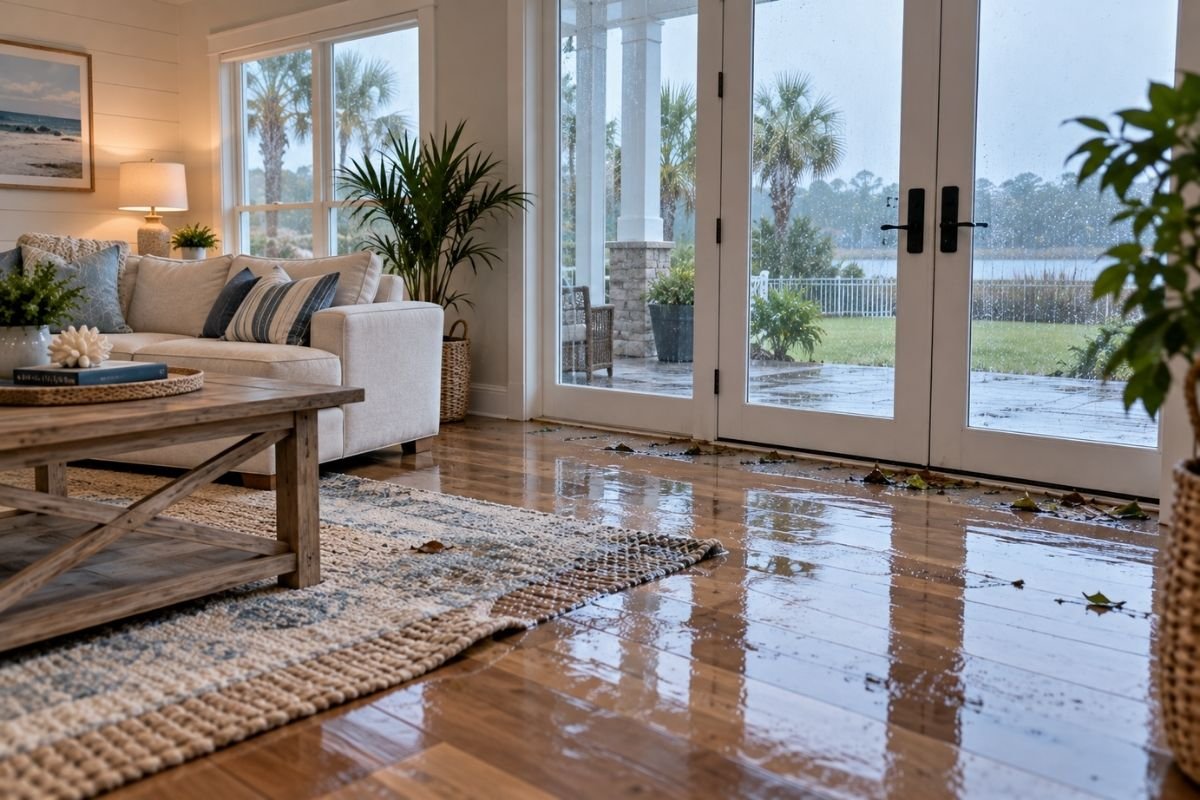
Storm Damage Restoration in Hampstead, NC: What to Do After Severe Weather
Severe weather can leave a Hampstead home with damage that is easy to see. It can also create problems that remain hidden behind walls, beneath flooring, or around windows and doors.
After heavy rain and strong winds, homeowners may notice roof leaks, wet ceilings, damaged drywall, standing water, or soaked flooring. In other cases, the first warning may be a faint stain or musty smell several hours later.
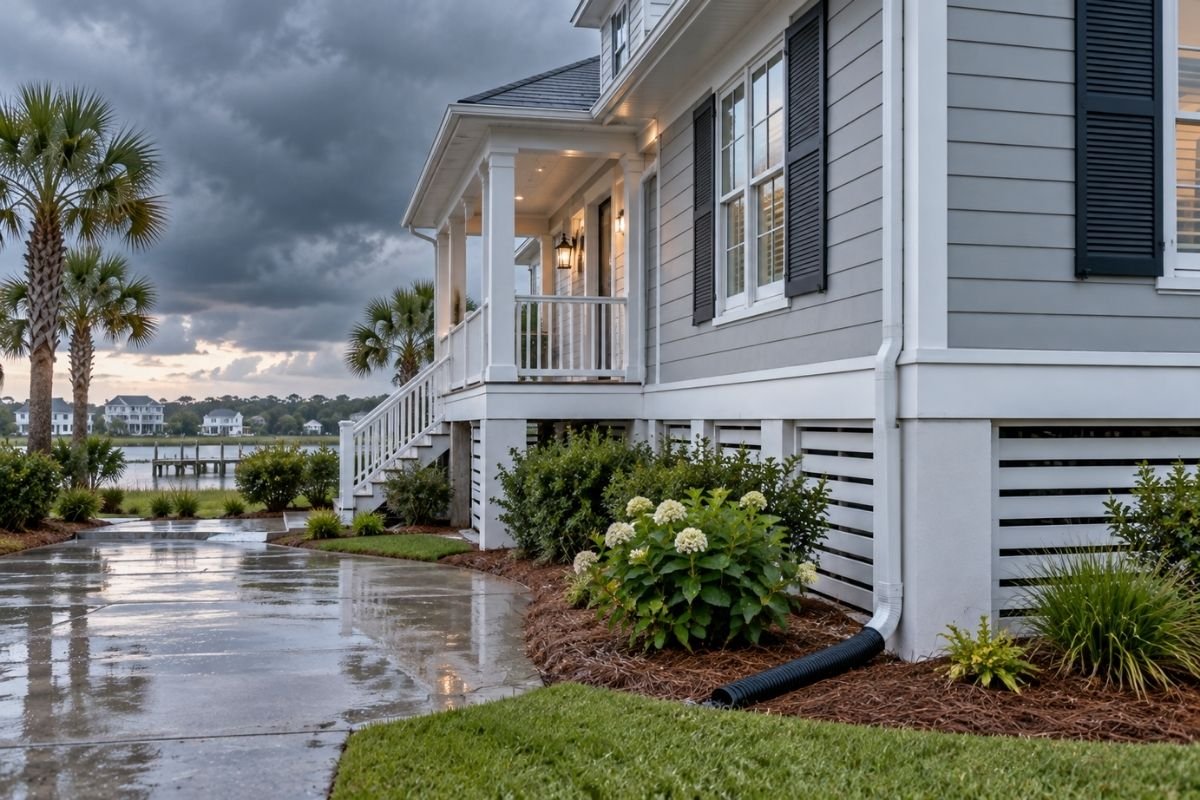
Acting early can help limit additional damage. However, safety should always come first.
Here is what Hampstead, NC homeowners should know about inspecting their property and beginning the storm damage restoration process after severe weather.
1. Make Safety the First Priority
Do not rush into a damaged area simply because the storm has passed.
Look for obvious hazards before entering or moving through the property. These may include fallen trees, damaged roofing, broken glass, standing water, or affected electrical components.
If the structure appears unsafe, stay out and seek professional guidance.
2. Stay Away From Standing Water Near Electrical Sources
Water and electricity can create a serious hazard.
Do not enter standing water when outlets, appliances, electrical panels, wiring, or extension cords may be involved.
A qualified professional may need to evaluate electrical conditions before restoration work begins.
3. Inspect the Home From a Safe Location
Begin with a visual inspection from the ground.
Look for missing roofing materials, damaged siding, fallen branches, broken windows, loose trim, or other visible changes.
Avoid climbing onto a wet or storm-damaged roof.
Some damage is safer to assess professionally.
4. Look for New Ceiling Stains
A new ceiling stain after heavy rain can indicate water intrusion.
The stain may be small even when moisture has traveled farther above the ceiling.
Watch for discoloration, sagging material, peeling paint, or changes in texture.
Do not assume the visible stain represents the full extent of the problem.
5. Check Walls Around Windows and Doors
Wind-driven rain can reach areas that stay dry during ordinary weather.
Inspect drywall and trim around windows and exterior doors.
Look for dampness, stains, bubbling paint, swollen trim, or soft material.
These signs may point to water entering around the opening.
6. Inspect Attic Areas When It Is Safe
Roof damage may allow rain into an attic before it becomes visible in the rooms below.
If the attic is safely accessible, look for wet insulation, staining, dripping water, or damp roof components.
Use caution around electrical wiring and unstable materials.
Professional inspection may be the safer option when conditions are uncertain.
7. Check Flooring for Moisture
Storm water can travel beneath flooring even after visible surface water has been removed.
Watch for lifted edges, buckling, discoloration, softness, or unusual movement underfoot.
Different flooring materials respond to moisture differently.
The material beneath the finished floor may also need evaluation.
8. Do Not Ignore Wet Carpet
Wet carpet is more than an inconvenience.
Moisture may also reach the padding and subfloor beneath it.
Simply drying the top surface may not address water trapped below.
The source and extent of the water exposure should be evaluated promptly.
9. Inspect Baseboards and Lower Walls
Water often leaves evidence near the bottom of a wall.
Baseboards may swell, separate, stain, or change shape.
Drywall can also absorb moisture from below.
Check these areas carefully after water enters a room.
10. Check Closets Near Exterior Walls
Hidden spaces can be easy to forget during a storm inspection.
Closets along exterior walls may show staining or dampness before more visible rooms do.
Move stored items carefully and inspect walls, flooring, and corners.
Pay attention to unusual odors as well.
11. Look Behind Furniture Where Possible
Large furniture can conceal damp walls and flooring.
If it is safe to move items, check the surfaces behind them.
Do not place heavy furniture back against a damp wall.
Allow affected materials to be properly evaluated and dried first.
12. Take Photos Before Major Cleanup
Document visible damage when it is safe to do so.
Photograph affected rooms, damaged materials, standing water, and exterior storm damage.
Keep records of repairs and restoration work.
Your insurance provider can explain what documentation may be required for a claim.
13. Stop Additional Water Entry When Safe
Restoration is difficult if new water continues to enter the property.
A damaged roof, broken window, plumbing issue, or exterior opening may need temporary protection.
Only perform temporary measures that can be completed safely.
Leave dangerous roof or structural work to qualified professionals.
14. Water Extraction May Be the First Restoration Step
If significant water has entered the home, removing standing water is an early priority.
The goal is to reduce continued exposure of building materials and contents.
Extraction alone does not mean the structure is dry.
Moisture can remain inside porous materials and concealed spaces.
15. Drying Goes Beyond What You Can See
A surface can feel dry while moisture remains underneath or behind it.
Drywall, insulation, wood, and flooring systems can hold water.
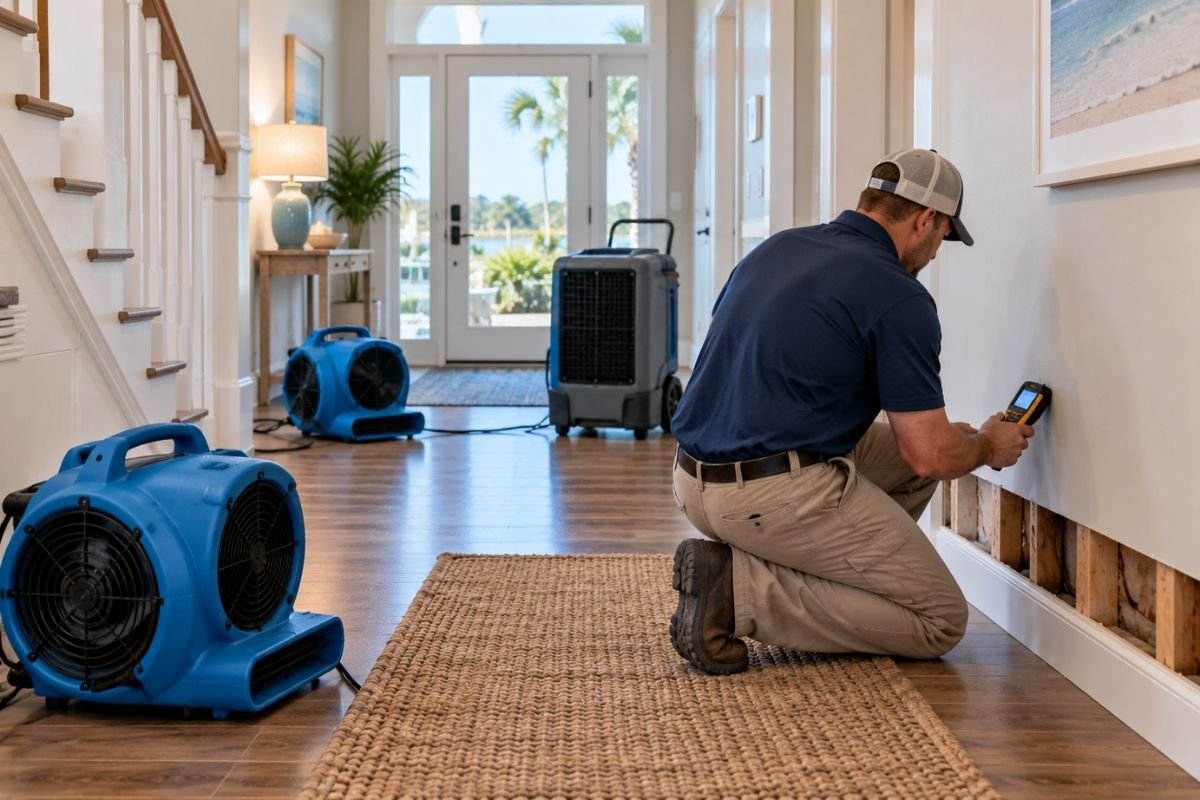
Restoration may require controlled airflow, dehumidification, and moisture monitoring.
The drying process should continue until affected materials reach appropriate conditions.
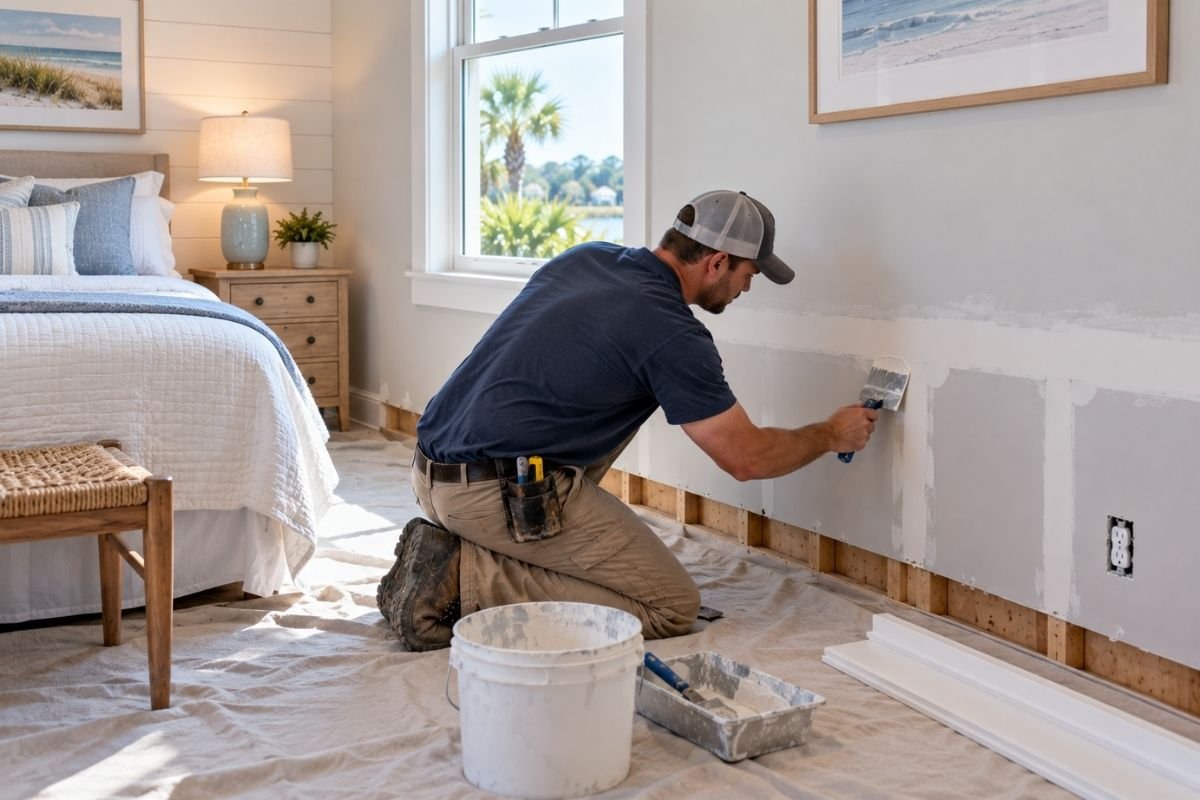
16. Some Drywall May Need Removal
Not every wet drywall area requires the same response.
The source of the water, duration of exposure, condition of the material, and extent of damage all matter.
Drywall that is soft, deteriorated, heavily damaged, or otherwise unsuitable for restoration may need replacement.
Minor damage may sometimes be repairable after the area is properly dried.
17. Wet Insulation Needs Attention
Insulation can hold moisture inside wall and ceiling cavities.
This makes visual inspection of the painted surface alone insufficient.
Storm restoration may involve evaluating insulation behind damaged areas.
Material that cannot be appropriately dried may require replacement.
18. Wood Components Should Be Evaluated
Wood framing, trim, subflooring, and other components can become wet during a storm.
Some materials may be dried and retained.
Others may require repair if deterioration or significant damage has occurred.
The correct approach depends on the material and its condition.
19. Do Not Paint Over Storm Damage
A new coat of paint can hide discoloration temporarily.
It does not solve an active leak or dry wet building materials.
Complete the moisture investigation, drying, and repairs before repainting.
This helps reduce the chance of stains or coating problems returning.
20. Watch for Changes in Indoor Odor
A persistent musty smell after a storm can indicate moisture in an area that is not immediately visible.
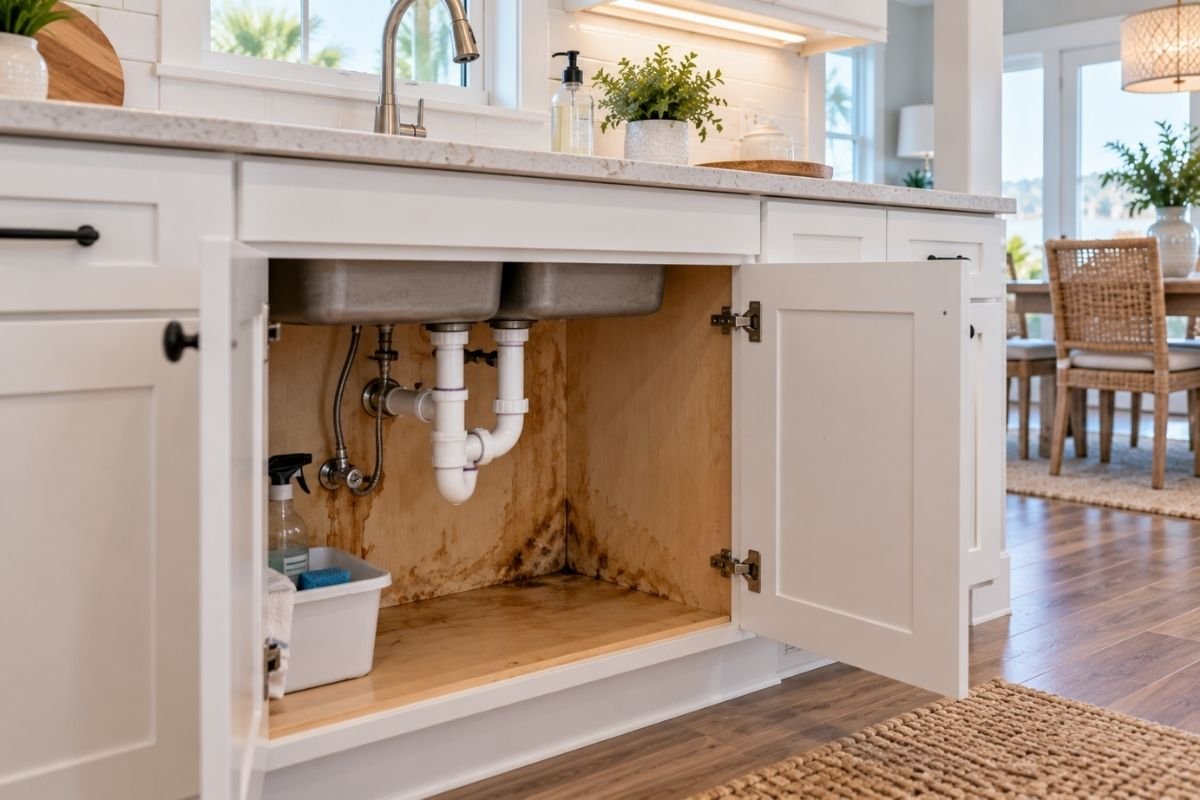
Check nearby walls, closets, flooring, cabinets, and other enclosed spaces.
Do not rely on air fresheners to cover the odor.
Finding the moisture source is more important.
21. Moisture Control Matters After Water Damage
Wet materials should not remain damp longer than necessary.
The U.S. Environmental Protection Agency provides guidance on mold and moisture control in homes.
Promptly addressing moisture is an important part of restoring a water-damaged property.
22. Storm Damage Can Reveal Existing Weak Points
Severe weather sometimes exposes problems that were already developing.
An aging seal around a window, deteriorated exterior material, or small roof issue may become more obvious during heavy rain.
Restoration should address the cause of water entry when possible.
Repairing only the interior symptom can allow the problem to return.
23. Plumbing Should Also Be Checked When Necessary
Not every water problem after a storm comes directly from rain.
Damage or power interruptions may affect plumbing systems, pumps, appliances, or other equipment.
If the source appears to involve household plumbing, it should be addressed before damaged walls and finishes are restored.
Learn more about plumbing repair in Hampstead, NC and why early repairs can help protect surrounding materials.
24. Restoration and Cosmetic Repair Are Different Stages
It can be tempting to focus on replacing drywall and repainting as soon as possible.
Those are usually later steps.
The property first needs to be made safe, the water source controlled, affected areas evaluated, and wet materials dried or removed as necessary.
Finish repairs can follow once those steps are complete.
25. Keep Monitoring the Home After Repairs
Continue watching repaired areas during future rain.
Look for returning stains, peeling paint, dampness, or unusual odors.
Recurring symptoms can indicate that the original source was not completely resolved.
Early attention can help prevent another round of damage.
Storm Damage Restoration for Hampstead, NC Homes
Storm damage is not always obvious immediately after severe weather. Water can travel through roofing, walls, insulation, flooring, windows, and other building components before visible symptoms appear.
Hampstead homeowners should inspect their property carefully, document visible damage, and address water intrusion as soon as it is safe to do so.
Effective storm damage restoration is about more than making a room look normal again. It involves controlling the source, removing unwanted water, drying affected materials, repairing damage, and restoring the finished surfaces in the correct order.
Taking those steps can help return the home to a clean, dry, and usable condition after severe weather.