How Coastal North Carolina Homeowners Can Reduce Water Damage Risk
Living near the North Carolina coast comes with beautiful surroundings, but coastal homes also face demanding weather conditions.
Heavy rain, tropical systems, wind-driven water, high humidity, plumbing leaks, and drainage problems can all contribute to water damage. Some events cannot be prevented, but homeowners can take practical steps to reduce avoidable risks and notice problems earlier.
Preparation is especially important because water does not always remain where it first enters. Moisture can travel beneath flooring, behind walls, around windows, and into other concealed spaces.
Here are practical ways coastal North Carolina homeowners can help protect their properties before the next major water problem develops.
1. Inspect the Roof Regularly
The roof is one of the home’s primary defenses against rain.
Look for visible changes after severe weather. Missing or damaged roofing materials, loose flashing, and other defects may allow water to enter.
Some roof problems are difficult to inspect safely from the ground.
Avoid climbing onto a wet or damaged roof and seek professional evaluation when necessary.
2. Pay Attention to Flashing
Roof penetrations and transitions require careful protection from water.
Flashing is commonly used around chimneys, vents, roof intersections, and similar areas.
Damage or deterioration in these locations can create entry points for rain.
Include them in routine roof maintenance.
3. Keep Gutters Clear
Gutters help move roof runoff away from parts of the home.
Leaves, pine needles, and other debris can interfere with water flow.
Inspect gutters periodically and after strong storms.
Address loose or damaged sections rather than waiting for the next period of heavy rain.
4. Check Downspout Discharge
Moving water off the roof is only part of the job.
Downspouts should discharge water in an appropriate location rather than allowing it to collect against the home.
Watch what happens during ordinary rainfall.
Puddling near the foundation may indicate that drainage deserves attention.
5. Watch How Water Moves Across the Property
Heavy rain can reveal drainage patterns that remain invisible during dry weather.
Look for areas where water repeatedly collects near the house.
Also watch for runoff moving toward entrances or other vulnerable areas.
Recurring drainage problems may need professional evaluation.
6. Inspect Exterior Doors
Wind-driven coastal rain can reach doors that remain dry during lighter weather.
Check thresholds, weatherstripping, trim, and surrounding finishes.
Look for gaps, deterioration, staining, or evidence of previous water entry.
Address problems before another major storm tests the opening.
7. Check Windows for Signs of Water Entry
Windows are another important area to inspect.
Inside the home, look for stains, peeling paint, swollen trim, or damaged drywall around the frame.
Outside, inspect visible seals and surrounding components.
A recurring stain should be investigated rather than repeatedly repainted.
8. Inspect Exterior Siding and Trim
Coastal weather can be demanding on exterior materials.
Look for loose siding, open joints, deteriorated trim, peeling coatings, or other visible damage.
Small exterior defects can become more important during wind-driven rain.
Routine maintenance can help keep the building envelope in better condition.
9. Maintain Exterior Paint
Painted exterior surfaces should be inspected for cracking, peeling, or other coating failure.
Do not simply apply another coat over unstable material.
Determine whether the surface beneath the paint needs repair.
Good preparation is important before refinishing coastal exterior surfaces.
10. Check for Deteriorated Wood
Wood trim and other exterior components can deteriorate when exposed to recurring moisture.
Look for softness, splitting, peeling paint, or visible decay.
Paint cannot restore badly deteriorated material.
Complete necessary repairs before refinishing the area.
11. Inspect the Attic After Severe Weather
Roof-related water intrusion may first become visible in an attic.
If the area is safely accessible, look for new stains, damp insulation, or other changes after major storms.
Use caution around electrical components and unstable surfaces.
Do not enter an area that appears unsafe.
12. Learn What Your Ceilings Normally Look Like
A small new stain is easier to recognize when you know the normal condition of your ceilings.
Occasionally inspect rooms beneath roof areas, bathrooms, and plumbing.
Watch for discoloration, bubbling paint, sagging, or texture changes.
Investigate new symptoms before covering them with paint.
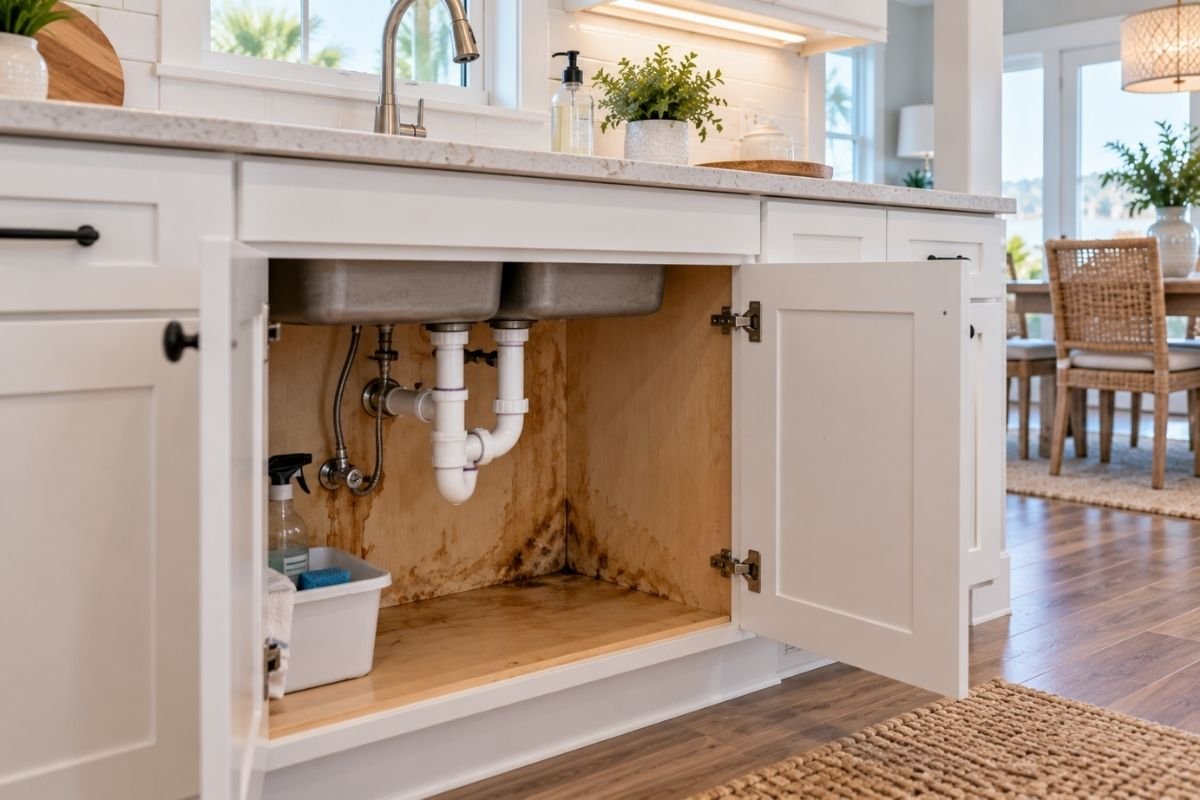
13. Check Under Sinks
Some damaging water problems begin with small plumbing leaks rather than storms.
Look beneath kitchen and bathroom sinks periodically.
Check for dampness, staining, corrosion, swollen cabinet material, or unusual odors.
Early attention can limit damage to cabinets, walls, and flooring.
14. Inspect Toilet Areas
Recurring moisture around a toilet deserves attention.
Check the flooring and nearby trim for changes.
Softness, discoloration, or movement can indicate a problem that extends below the visible surface.
Find the source before completing cosmetic repairs.
15. Watch Plumbing Supply Connections
Accessible water supply lines and valves should be checked periodically.
Look for drips, corrosion, or moisture around connections.
A slow leak can continue for a long time before it becomes obvious in the room.
Address plumbing concerns before surrounding materials become extensively damaged.
16. Do Not Forget the Washing Machine
A washing machine uses supply and drain connections that may be hidden behind the appliance.
Inspect accessible connections and the surrounding floor when practical.
Look for moisture, staining, or damaged material.
Pay attention if the appliance behaves differently during draining or filling.
17. Check the Dishwasher Area
Dishwasher leaks can spread beneath cabinets or flooring before water becomes obvious.
Watch for unexpected moisture along the cabinet base or nearby floor.
Changes in flooring can also provide a clue.
Investigate recurring dampness promptly.
18. Inspect the Water Heater Area
Look around the water heater and accessible connections for signs of leakage or corrosion.
Do not ignore small amounts of recurring water.
A problem in a utility area can spread into adjoining rooms.
Seek appropriate service when the source is unclear.
19. Address Slow Drains
Drainage problems inside the home can create inconvenience and, in some situations, contribute to overflows.
Pay attention when sinks, tubs, or showers begin draining differently.
Recurring problems deserve investigation rather than repeated temporary fixes.
Our guide to professional drain cleaning for coastal North Carolina homes explains why maintaining drainage systems matters.
20. Know Where the Main Water Shutoff Is
A plumbing emergency is not the ideal time to begin searching for the home’s main water shutoff.
Know its location in advance and understand how it operates.
Other household members may benefit from knowing as well.
Quick source control can be valuable during certain plumbing emergencies.
21. Monitor Indoor Humidity
Coastal North Carolina can experience humid conditions for much of the year.
Indoor moisture control can help protect building materials and improve the home’s environment.
Use ventilation appropriately in bathrooms, kitchens, and other moisture-producing spaces.
Persistent humidity problems may deserve further investigation.
22. Do Not Ignore Musty Odors
A musty smell can sometimes indicate hidden moisture.
Check closets, cabinets, exterior-facing walls, flooring, and areas near plumbing.
Covering the odor with fragrance does not correct the cause.
Look for the moisture source instead.
23. Move Valuable Items Away From Known Risk Areas
Important documents, photographs, electronics, and other valuable items should not be stored where recurring water problems are known to occur.
Consider elevated or more protected storage where appropriate.
This is particularly useful in utility spaces, lower storage areas, and other locations vulnerable to water.
Simple storage decisions can reduce avoidable losses.
24. Inspect the Home Before Storm Season
Routine maintenance is easier before severe weather arrives.
Check roofing, gutters, drainage, windows, doors, exterior finishes, and visible plumbing areas.
Complete practical repairs while conditions are calm.
Do not wait until a storm is approaching to discover an existing problem.
25. Inspect Again After Severe Weather
Even a well-maintained home can experience storm damage.
Once conditions are safe, look for changes inside and outside the property.
Check ceilings, windows, doors, attic areas, flooring, and exterior components.
Some water problems become noticeable only hours after the rain stops.
26. Document New Damage
Take photographs of visible damage when it is safe.
Keep records of repairs and affected belongings.
If insurance may be involved, contact the provider for instructions about documentation and claim requirements.
Policies and procedures vary.
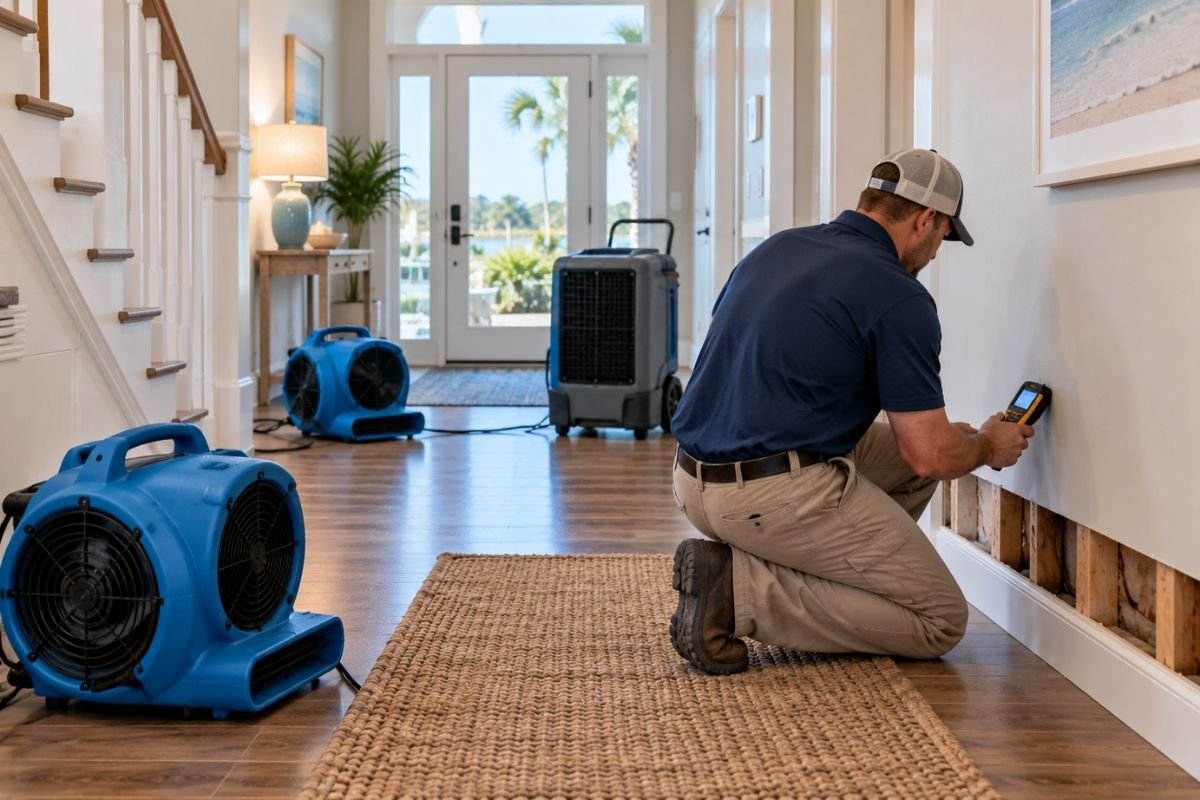
27. Start Appropriate Drying Promptly
If water enters the home, do not assume that removing the visible puddle solves the problem.
Moisture may remain in drywall, flooring, insulation, and other materials.
Water extraction, controlled drying, dehumidification, and moisture monitoring may be necessary depending on the event.
Safety and source control should come first.
28. Moisture Control Helps Limit Secondary Problems
Water-damaged materials should not remain damp unnecessarily.
The U.S. Environmental Protection Agency provides guidance about mold, moisture, and keeping indoor spaces dry.
Prompt attention to leaks and water intrusion is an important part of home maintenance.
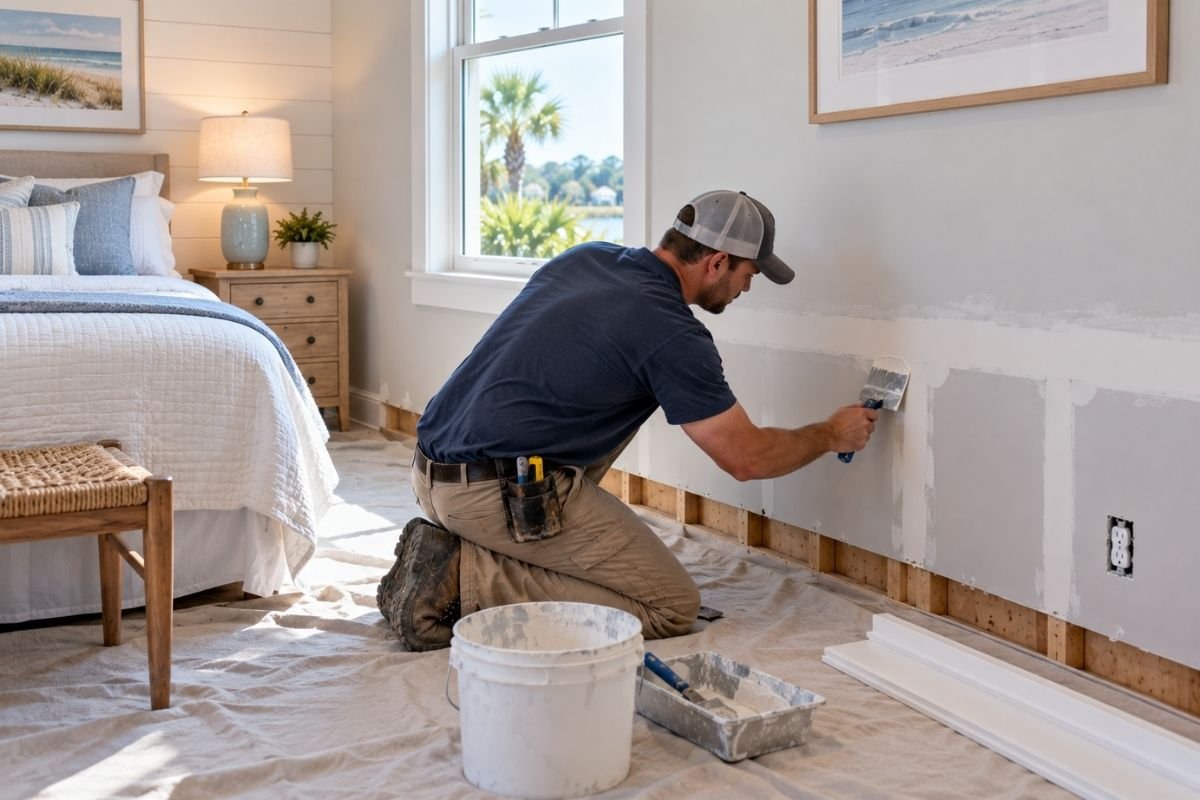
29. Do Not Rush Into Cosmetic Repairs
New drywall and paint can make a damaged room appear restored.
However, they should come after the water source is controlled and affected areas are appropriately dried.
Closing a wall too soon can conceal remaining moisture.
Follow the restoration process in the correct order.
30. Create a Simple Water-Damage Plan
Homeowners can prepare for water emergencies before they happen.
Know the main water shutoff location, keep important contact information accessible, and understand which areas of the property are most vulnerable.
Review the plan periodically with household members.
A little preparation can make decision-making easier during a stressful event.
Protecting Your Coastal North Carolina Home From Water Damage
No homeowner can prevent every storm, leak, or unexpected water event. However, regular inspections and timely maintenance can reduce some common risks and help identify damage earlier.
For coastal North Carolina homes, pay particular attention to roofing, windows, doors, exterior finishes, drainage, plumbing connections, appliances, and indoor moisture levels.
After severe weather, inspect the property again once conditions are safe. If water has entered the home, control the source and address drying before moving on to drywall, flooring, paint, or other finish repairs.
A proactive approach can help protect the home before, during, and after the challenging weather conditions that come with coastal living.