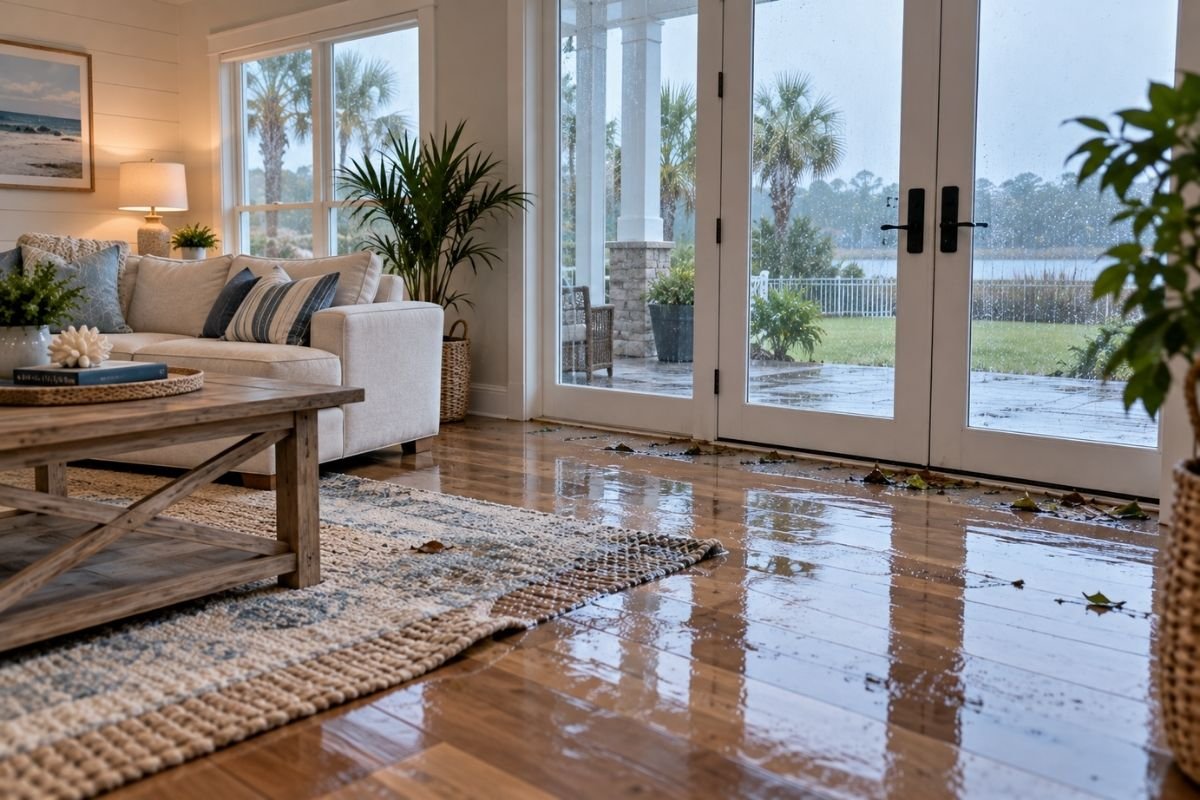
Water damage can happen when homeowners least expect it. A burst pipe, leaking roof, overflowing appliance, severe storm, or plumbing failure can introduce large amounts of water into a property within minutes. While the initial damage may seem manageable, delaying cleanup can quickly turn a minor problem into a major financial burden.
Fast water damage cleanup is one of the most important steps homeowners can take to reduce repair costs and protect their property. The longer water remains inside a home, the greater the potential for structural damage, mold growth, damaged belongings, and expensive restoration work.
Understanding why immediate action matters can help homeowners respond quickly when water emergencies occur.
Water Damage Gets Worse Every Hour
Water does not stay in one place. After entering a home, it spreads through flooring, drywall, insulation, cabinets, furniture, and structural materials.
Within a short period, water can move beyond the original affected area and begin damaging additional parts of the property. Materials that may have been salvageable during the first few hours can become permanently damaged if cleanup is delayed.
Quick water removal helps limit the spread of damage and reduces overall restoration costs.
Structural Damage Can Develop Quickly
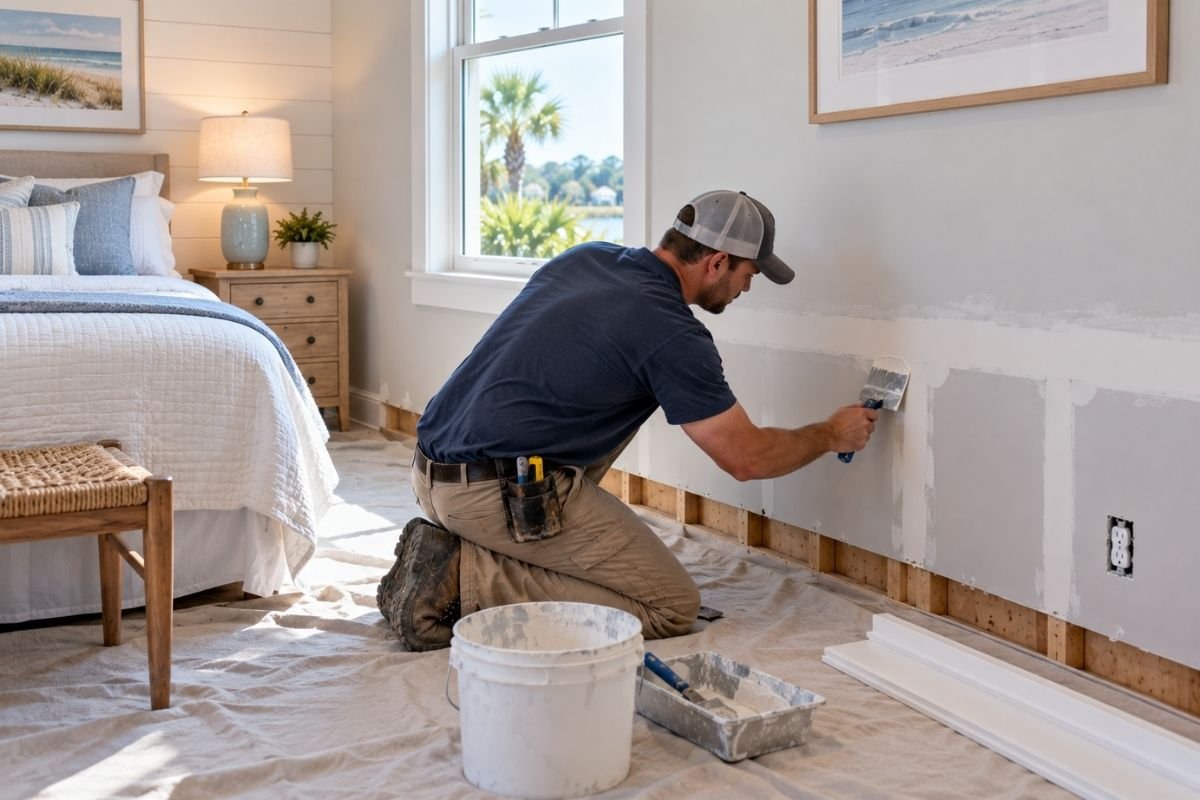
Building materials absorb moisture at different rates. Drywall, wood framing, flooring, and insulation can all weaken when exposed to water for extended periods.
As moisture remains present, materials may warp, swell, crack, or deteriorate. Structural repairs often become far more expensive than the initial water removal process.
Fast cleanup helps preserve building materials and reduces the likelihood of major reconstruction work.
Mold Growth Can Increase Restoration Costs
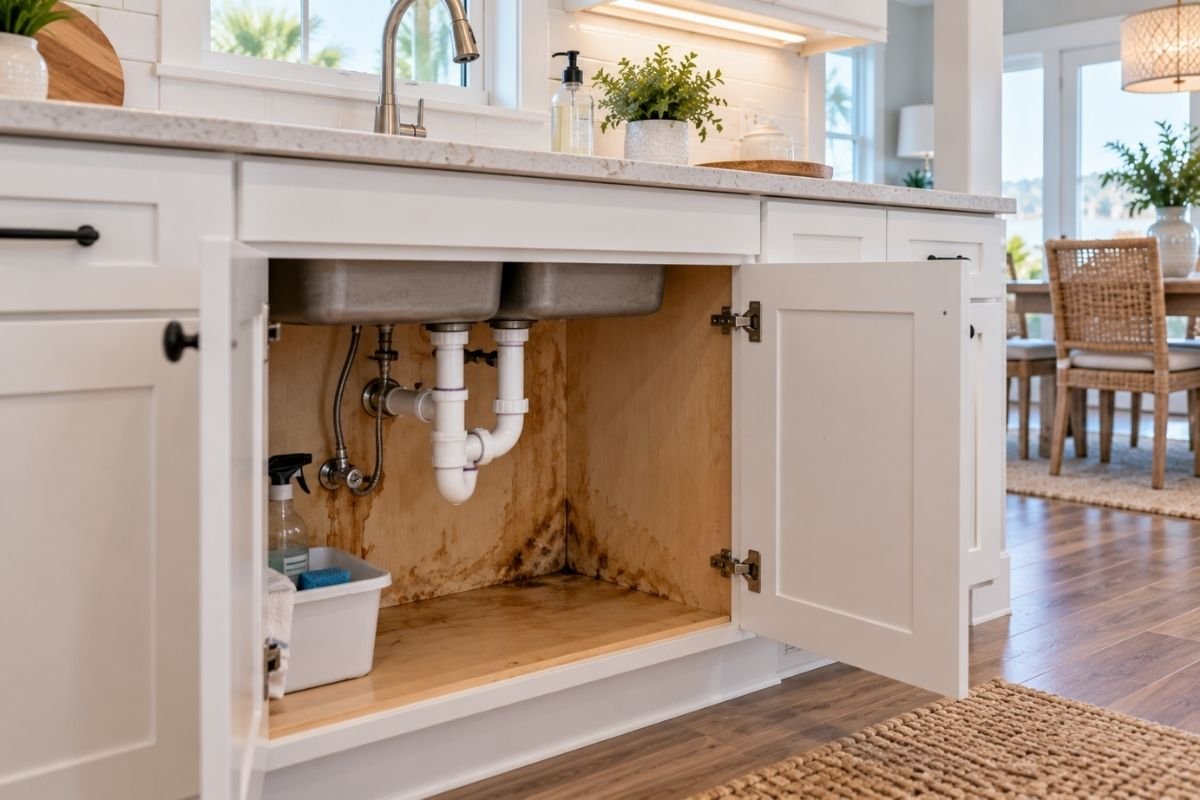
One of the biggest risks associated with delayed cleanup is mold growth. Mold thrives in damp environments and can begin developing when moisture remains trapped inside building materials.
Once mold starts spreading, homeowners often face additional remediation expenses on top of the original water damage repairs.
Removing water quickly and drying affected areas thoroughly helps reduce conditions that support mold growth.
Personal Belongings May Become Unsalvageable
Furniture, electronics, documents, photographs, clothing, and personal items often suffer significant damage when exposed to water.
The longer belongings remain wet, the more difficult they become to restore. Fast cleanup improves the chances of saving valuable possessions and reduces replacement costs.
Homeowners who act quickly often recover more items than those who delay the cleanup process.
Flooring Damage Can Spread Rapidly
Flooring materials are especially vulnerable to water exposure. Hardwood flooring may warp, laminate flooring can buckle, and carpets may retain moisture deep within the padding.
When water remains beneath flooring surfaces, damage often extends beyond what is immediately visible. Early extraction and drying help minimize the need for costly flooring replacement.
Addressing flooring issues promptly often results in substantial savings.
Hidden Moisture Creates Long-Term Problems
Even after visible water disappears, hidden moisture may remain behind walls, beneath flooring, and inside ceilings.
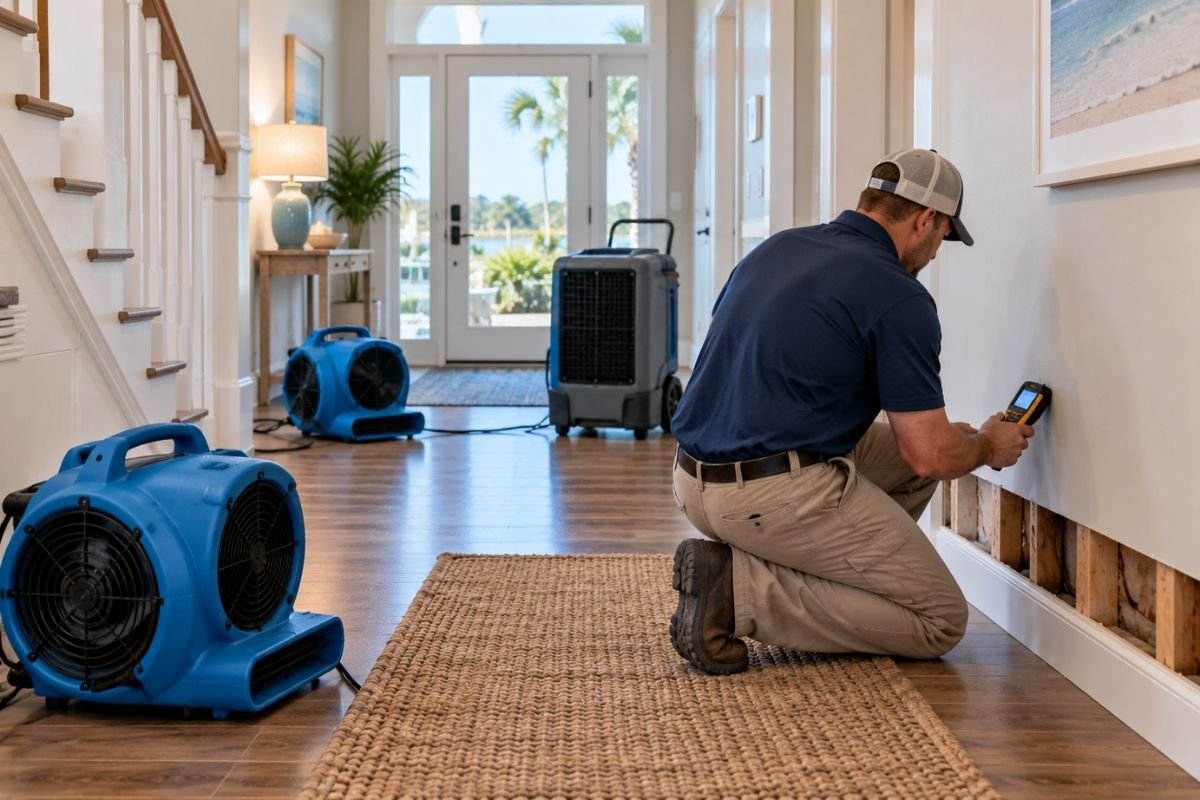
Without proper drying, these hidden areas can continue causing damage long after the initial event. Professional moisture detection equipment helps identify areas that require additional attention.
Finding hidden moisture early prevents future repair expenses and protects the home’s structure.
Insurance Claims Often Benefit from Quick Action
Many insurance providers expect homeowners to take reasonable steps to reduce further damage after a water-related incident.
Prompt cleanup demonstrates that the homeowner acted responsibly to protect the property. Delays may complicate claims and increase the overall cost of repairs.
Documenting damage and responding quickly can help simplify the insurance process.
Professional Equipment Speeds Up Recovery
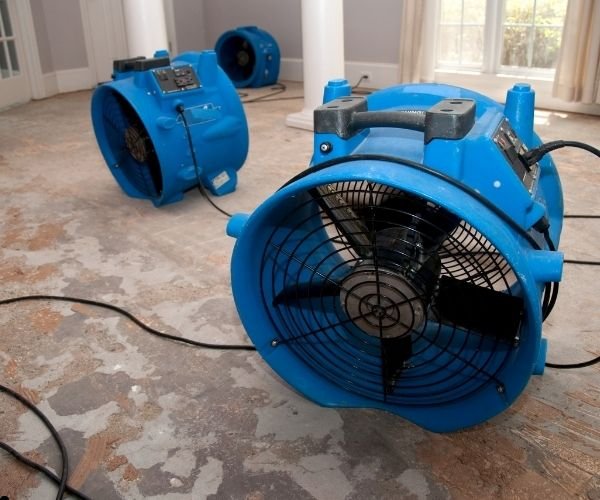
Professional restoration companies use specialized equipment designed to remove water and dry structures efficiently. Industrial extractors, air movers, dehumidifiers, and moisture detection tools help accelerate the restoration process.
These systems remove moisture much faster than standard household equipment, reducing the amount of time water remains inside the property.
Faster drying often translates into lower repair costs and shorter recovery times.
Why DIY Cleanup Is Not Always Enough
Homeowners can often handle small spills and minor water incidents, but larger losses frequently require professional assistance.
Visible water represents only part of the problem. Moisture hidden within walls, insulation, flooring, and structural components often requires specialized equipment to detect and remove.
Professional cleanup helps ensure that moisture does not remain trapped inside the home.
Preventing Secondary Damage
Secondary damage refers to problems that develop after the initial water event. These may include mold growth, wood rot, drywall deterioration, odor issues, and structural weakening.
Fast cleanup helps prevent these additional problems from developing. Addressing water damage immediately is often far less expensive than repairing multiple issues later.
Preventing secondary damage remains one of the biggest financial benefits of quick action.
When Mold Remediation May Be Necessary
If moisture remains present long enough for mold to develop, homeowners may require professional mold remediation services in addition to water damage repairs.
Addressing water issues quickly often helps avoid this additional expense and reduces the overall complexity of the restoration project.
Early intervention remains the most effective strategy for minimizing mold-related concerns.
Preparing for Future Water Emergencies
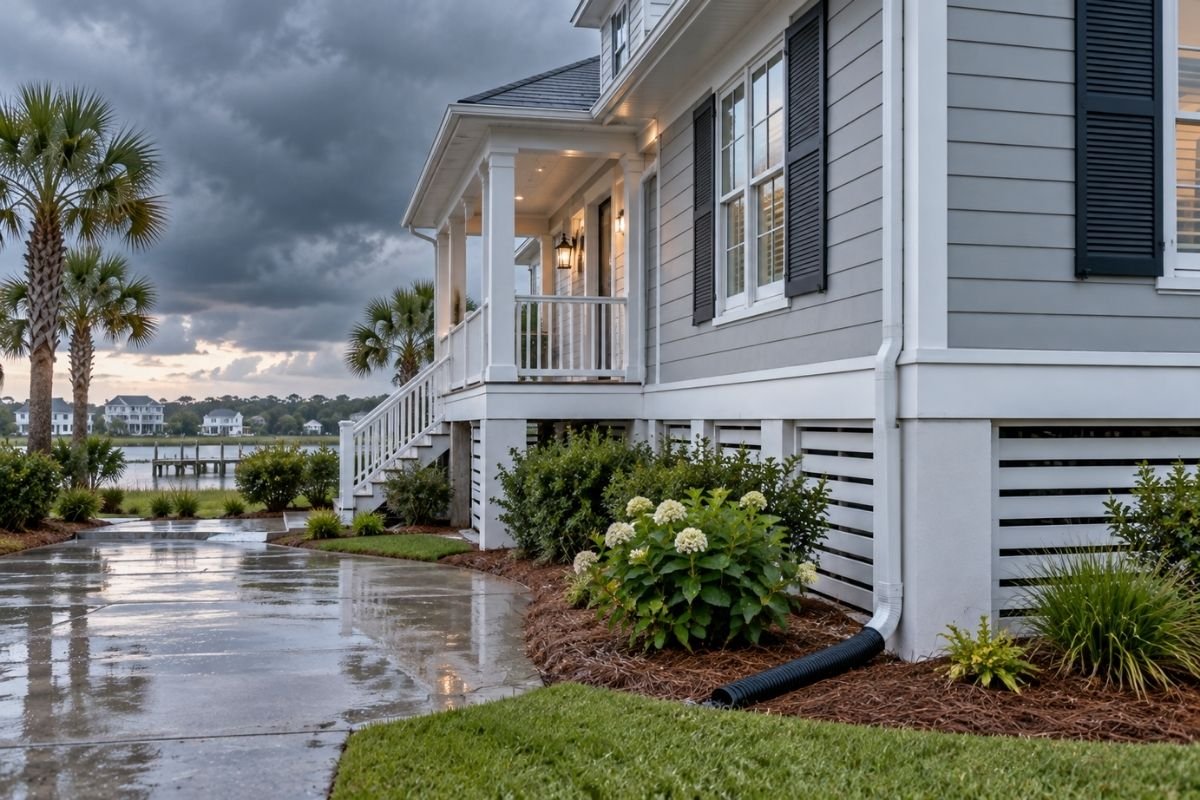
While homeowners cannot prevent every water-related incident, they can reduce risks through regular maintenance and preparation.
Inspecting plumbing systems, maintaining roofs, cleaning gutters, checking appliances, and monitoring drainage systems can help identify vulnerabilities before major problems occur.
Prepared homeowners are often able to respond more effectively when emergencies happen.
Learning More About Flood Preparedness
Homeowners can review flood preparedness tips to better understand how to protect their homes and families during water-related emergencies.
Preparation and fast action work together to reduce damage and improve recovery outcomes.
Final Thoughts
Fast water damage cleanup is one of the smartest investments homeowners can make after a water emergency. Quick action helps reduce structural damage, prevent mold growth, protect personal belongings, and lower overall repair costs.
By responding immediately and seeking professional assistance when necessary, homeowners can save thousands of dollars while protecting the long-term value of their property. The sooner cleanup begins, the better the chances of minimizing damage and restoring the home efficiently.