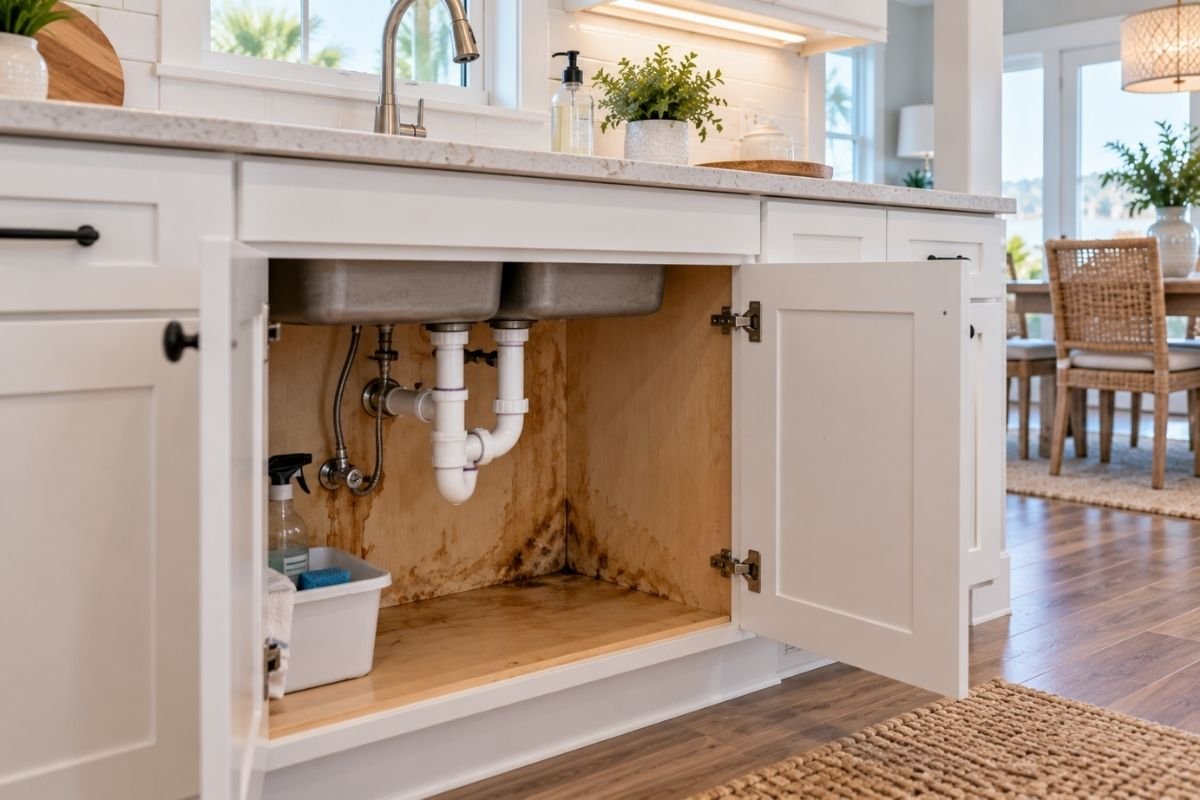
Why Regular Drain Cleaning Matters for Surf City, NC Homes
Drains work quietly in the background every day. Kitchen sinks handle food residue and grease. Bathroom drains collect hair, soap, and other debris. Over time, this material can build up inside the plumbing system.
For homeowners in Surf City, NC, regular drain care can help keep water moving properly. It can also reduce the risk of inconvenient clogs and backups.
Beach homes and coastal properties often see plenty of activity. Family members, guests, pets, and days spent outdoors can all increase the amount of sand, dirt, hair, and debris that reaches household drains.
Professional drain cleaning can help remove buildup before it creates a larger problem.
Drain Buildup Develops Gradually
Most drains do not become clogged overnight.
Instead, material slowly collects along the inside of the pipe. The opening becomes narrower as more debris sticks to the buildup.
Water may continue to drain at first. Eventually, you may notice that a sink or shower takes longer to empty.
Regular cleaning can address buildup before the drain becomes completely blocked.
Surf City Homes Can Bring Sand Indoors
Living near the beach has many benefits, but sand tends to follow people home.
It can collect on feet, towels, swimsuits, beach equipment, and pets. Some of that sand may eventually reach showers, tubs, sinks, and laundry areas.
Small amounts may seem harmless. However, sand can combine with hair, soap residue, and other material inside drains.
Rinsing off outside before entering the home can help reduce the amount of beach debris reaching indoor plumbing.
Outdoor Showers Can Help Reduce Indoor Debris
An outdoor rinse area can be especially useful for coastal properties.
Family members can rinse sand and salt from their feet and gear before going inside. Pet owners can also rinse dirty paws outdoors.
If you are considering this type of improvement, explore why outdoor showers work well for Surf City beach homes.
Even with good habits, indoor drains still need regular attention. Hair, soap, grease, and everyday household debris can continue to build up.
Kitchen Drains Collect Grease and Food Residue
The kitchen sink is one of the hardest-working drains in many homes.
Grease, oils, sauces, and food particles can enter the drain during cooking and cleanup.
Some substances may cool and stick to the inside of the pipe. Other particles can then attach to that layer.
Over time, the buildup can reduce water flow.
Avoid pouring cooking grease or oil into the sink. Dispose of it properly instead.
Bathroom Drains Have Different Challenges
Bathroom drains usually face a different type of buildup.
Hair is one of the most common problems. It can combine with soap residue and other material to create a stubborn restriction.
Shower and bathtub drain screens can catch a large amount of hair before it enters the plumbing.
Clean these screens frequently. A small preventive habit can reduce the amount of material entering the drain.
Slow Drains Can Be an Early Warning
A drain does not need to stop completely before it deserves attention.
Slow drainage often provides an early warning that buildup is restricting water flow.
You may notice water collecting in the shower. A bathroom sink may take longer to empty. The kitchen sink may also drain slowly after washing dishes.
Addressing the problem at this stage can be easier than waiting for a complete blockage.
Recurring Clogs May Point to Remaining Buildup
A drain that clogs repeatedly may not be fully clear.
A temporary solution can sometimes create a small path through the blockage. Water starts flowing again, but material remains inside the pipe.
New debris can quickly attach to that buildup.
This can explain why the same drain appears to clog again only a short time later.
Regular Drain Cleaning Can Support Better Flow
Professional drain cleaning aims to remove material that restricts the line.
Better flow can make everyday plumbing more reliable. Sinks empty normally, showers drain properly, and water moves through the system as expected.
The appropriate cleaning method depends on the location and type of blockage.
A professional can evaluate the problem before choosing the right approach.
Drain Cleaning Can Help With Unpleasant Odors
Some drain odors come from organic material that remains inside the line.
Food residue can affect kitchen drains. Hair, soap, and other debris can collect in bathroom plumbing.
As material remains in the pipe, unpleasant smells may develop.
Cleaning the visible drain opening may not reach buildup farther inside the line. A more thorough cleaning may be necessary when odors continue to return.
Gurgling Sounds Should Get Your Attention
Healthy drains should not regularly make loud gurgling sounds.
These noises can occur when air and water struggle to move normally through part of the drainage system.
If gurgling appears together with slow drains, recurring clogs, or backups, consider having the plumbing evaluated.
Several symptoms at once may point to a more significant drainage issue.
Multiple Slow Drains Can Signal a Larger Problem
One slow sink may have a local restriction.
Several slow fixtures deserve more attention.
For example, you may notice that a shower, bathroom sink, and toilet all behave differently within the same period.
Problems affecting several fixtures may involve a deeper section of the drainage system.
Professional evaluation can help determine where the problem begins.
Drain Backups Can Cause a Mess
A complete blockage can prevent wastewater from moving where it should.
Water may remain in a fixture or appear in another drain. In more serious cases, it can overflow onto floors or other surfaces.
That can quickly turn a plumbing problem into a cleanup problem.
Do not continue running large amounts of water when a backup occurs. Stop using affected fixtures until you understand the cause.
Guest Use Can Put More Demand on Beach Homes
Surf City homes may host family and friends during weekends, holidays, and beach vacations.
More people means more showers, dishes, laundry, and toilet use.
That extra activity can expose an existing drainage problem. A partially restricted line may struggle when water use increases.
Checking recurring slow drains before a busy season can help reduce unpleasant surprises when guests arrive.
Vacation Properties Need Drain Attention Too
Some coastal properties do not have someone living in them every day.
A second home or vacation property may sit unused for periods and then experience heavy use.
Owners should pay attention to drainage when returning to the property. Check sinks, showers, tubs, and other fixtures for slow flow or unusual odors.
Address problems before the home becomes busy again.
Laundry Areas Can Reveal Drainage Problems
Washing machines release a large amount of water during drain cycles.
A restricted line may have difficulty handling that volume.
You might hear nearby drains gurgle when the washer empties. In some cases, water may appear in another fixture.
Recurring problems during laundry cycles deserve professional attention.
Be Careful With What Goes Down the Drain
Good habits can reduce drain buildup.
Keep grease, cooking oils, coffee grounds, and large food particles out of the kitchen sink.
Use screens in showers and tubs to catch hair.
Avoid treating drains like trash cans. The less unnecessary material that enters the plumbing system, the easier it is to maintain proper flow.
Do Not Depend on Repeated Quick Fixes
Minor clogs near a drain opening may sometimes have a simple solution.
However, a recurring problem needs more than repeated temporary fixes.
If you keep treating the same drain, the underlying buildup may still be present.
A professional can identify the location of the restriction and determine an appropriate cleaning method.
Professional Cleaning Can Reach Deeper Problems
Household tools have limits.
A blockage may sit farther inside the plumbing than a basic drain tool can reach.
Professional drain cleaning equipment can address deeper restrictions and more stubborn buildup.
The goal is not simply to make water move for the moment. The goal is to restore better drainage through the affected section.
Regular Maintenance Can Help You Spot Problems Earlier
Drain maintenance also gives homeowners an opportunity to notice changes.
Pay attention to how quickly sinks and showers empty. Listen for unusual sounds. Notice recurring odors.
These small changes can provide useful clues about the condition of the drainage system.
Early attention may help prevent a minor inconvenience from becoming an urgent plumbing problem.
Coastal Storms Make Home Maintenance Important
Surf City homeowners also need to prepare for periods of severe coastal weather.
Heavy rainfall and storms can create water management challenges around a property. Keeping household systems in good condition is one part of being prepared.
The National Weather Service provides hurricane safety and preparedness information for coastal communities.
After major weather events, watch for unusual plumbing or drainage behavior inside and outside the home.
When Should You Schedule Drain Cleaning?
There is no single schedule that fits every home.
A property with frequent plumbing use may need attention sooner than a lightly used home.
Instead of relying only on a calendar, watch for changes in performance.
Slow drains, recurring clogs, unpleasant odors, gurgling sounds, and backups are all reasons to investigate the system.
Homes that repeatedly experience the same drain problem may benefit from professional cleaning before another complete blockage occurs.
Keep Your Surf City Drains Ready for Everyday Life
Reliable drains make everyday life easier, especially in an active coastal home.
Sand, hair, soap, grease, food residue, and other debris can gradually reduce water flow. Regular maintenance and smart household habits can help limit that buildup.
Professional drain cleaning can also help when slow drainage or recurring clogs become a pattern.
For Surf City, NC homeowners, paying attention to drains before they completely stop can help prevent inconvenient backups and keep the plumbing system working more reliably.