Slow Drains in Wilmington, NC: When Is It Time for Professional Cleaning?
A slow drain is easy to ignore. Water still disappears, so the problem may not seem urgent. However, slow drainage often means something is restricting water flow inside the plumbing system.
For Wilmington, NC homeowners, acting early can help prevent a minor drain problem from becoming a complete blockage. Hair, grease, soap residue, food particles, and other debris can gradually collect inside pipes.
Understanding why drains slow down can help you decide when simple maintenance is enough and when professional drain cleaning may be the better choice.
What Does a Slow Drain Mean?
A healthy drain should move water away at a normal rate.
When material collects inside a pipe, the available space for water becomes smaller. The drain may continue working, but it takes longer to empty the fixture.
The restriction can become worse over time. Eventually, the drain may stop flowing properly.
That is why a slow drain should be treated as an early warning rather than a normal inconvenience.
Why Do Drains Become Slow?
Different fixtures collect different types of debris.
Kitchen sinks often deal with grease, oil, food residue, and small particles. Bathroom sinks and showers commonly collect hair and soap residue.
Laundry areas can also receive lint, dirt, and debris from clothing.
As these materials collect inside a drain line, they can gradually restrict water flow.
Slow Kitchen Sink Drains
A kitchen sink handles a large amount of daily cleanup.
Grease is a common source of trouble. Warm grease may enter the drain as a liquid. As it cools, it can stick to the inside of the pipe.
Food particles and other debris can then attach to that layer.
Over time, the kitchen sink may begin draining more slowly after washing dishes or preparing meals.
Keep Cooking Grease Out of the Drain
One of the easiest ways to protect a kitchen drain is to keep grease and oil out of it.
Do not pour leftover cooking grease directly into the sink.
Allow it to cool and dispose of it properly. Scrape food residue from dishes before washing them.
A sink strainer can also help catch larger food particles.
Slow Shower Drains
Hair and soap residue are common causes of slow shower drainage.
Loose hair can collect inside the drain. Soap and other material may then stick to it.
You may first notice a small amount of water around your feet. As the restriction grows, standing water may remain for longer periods.
A drain screen can catch much of the hair before it enters the plumbing.
Slow Bathtub Drains
Bathtub drains face many of the same problems as showers.
Hair, soap, body care products, and other residue can gradually collect in the line.
Watch how quickly the tub empties after use.
If the water takes much longer than it once did, a restriction may be developing.
Bathroom Sink Buildup
Bathroom sinks also collect everyday residue.
Hair, soap, toothpaste, grooming products, and other material can enter the drain.
The sink may eventually take longer to empty after brushing teeth or washing hands.
Do not wait until water remains in the basin for several minutes. A consistent change in drainage deserves attention.
One Slow Drain vs. Several Slow Drains
The number of affected fixtures can provide an important clue.
One slow sink may have a restriction close to that fixture. Several slow drains can suggest a problem farther inside the drainage system.
For example, you might notice a slow shower and bathroom sink at the same time.
If drainage changes across several areas of the house, professional evaluation becomes more important.
Listen for Gurgling Sounds
Slow drainage may not be the only symptom.
A restricted system can sometimes produce gurgling or bubbling sounds. You may hear them after using a sink, shower, toilet, or washing machine.
Do not ignore recurring noises when they appear with slow drains.
Together, these symptoms can provide useful information about a developing plumbing problem.
Pay Attention to Drain Odors
Unpleasant odors can also accompany drain buildup.
Organic material may remain inside kitchen or bathroom plumbing. As it collects, odors can develop.
Cleaning only the visible drain opening may not reach material farther inside the pipe.
If an odor keeps returning, the line may need a more complete cleaning.
Recurring Slow Drains Need More Attention
A drain that improves and then slows again may still contain buildup.
A temporary fix can create a narrow opening through a clog. Water begins moving again, but much of the material remains.
New debris can quickly collect on that surface.
The same drain then becomes slow again.
Professional cleaning may provide a more thorough solution when this cycle continues.
Why Waiting Can Lead to a Complete Clog
Drain restrictions can continue growing while water still passes through them.
At first, the difference may be small. A sink might take only a few extra seconds to empty.
Later, water may remain in the fixture for much longer.
If enough material blocks the line, water may stop moving altogether.
Addressing the problem earlier can help reduce the chance of an unexpected complete blockage.
A Backup Is More Serious Than a Slow Drain
A slow drain gives you some warning. A backup can create an immediate mess.
Wastewater may return through a sink, shower, tub, or floor drain when it cannot move normally through the system.
If a backup occurs, limit water use in the affected area.
Continuing to run fixtures can add more water to an already restricted system.
Professional Drain Cleaning Can Address Buildup
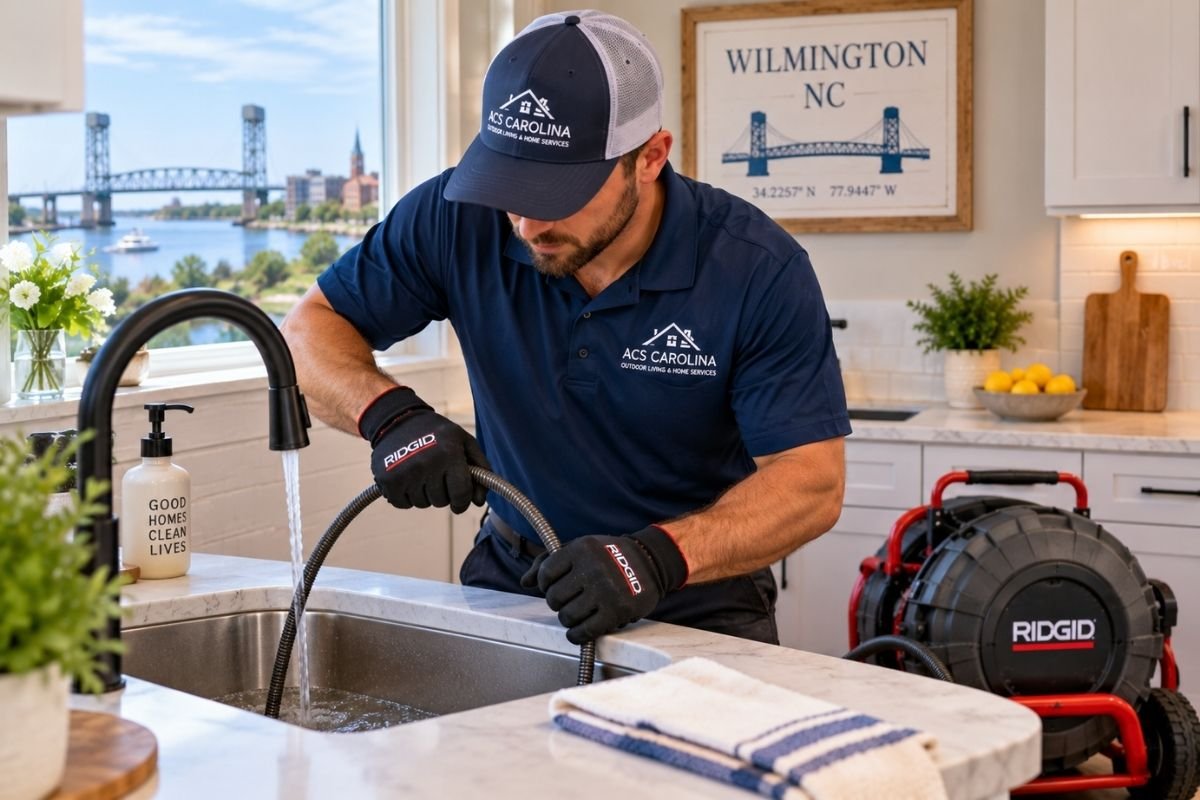
Professional drain cleaning goes beyond simply treating the visible opening of a fixture.
The first step is understanding the symptoms and likely location of the restriction.
Different problems may require different equipment and cleaning methods.
The goal is to improve flow through the affected section and address troublesome buildup.
When Is Professional Drain Cleaning a Good Idea?
Consider professional service when a drain problem becomes persistent or affects normal household use.
Common reasons include:
- A drain that becomes progressively slower
- The same drain repeatedly clogging
- Several slow drains at the same time
- Recurring gurgling sounds
- Persistent drain odors
- Standing water in showers or tubs
- Water backing up into another fixture
- Household methods failing to solve the problem
These symptoms can help a professional determine what needs further investigation.
Can You Prevent Slow Drains?
You cannot prevent every plumbing problem, but better household habits can reduce common buildup.
Control what enters your drains whenever possible.
Use hair screens in showers and tubs. Keep grease out of kitchen sinks. Scrape food from plates before washing them.
These simple steps can reduce the amount of debris collecting inside drain lines.
Be Careful With Sand and Outdoor Debris
Coastal living can bring extra debris into the home.
Sand and dirt can arrive on shoes, clothing, towels, pets, and outdoor equipment.
Shake sandy items outside before placing them in the washing machine. Rinse heavily soiled equipment outdoors when possible.
Reducing the amount of outdoor debris entering household drains can make routine plumbing maintenance easier.
Think About Your Entire Home, Not Just One Fixture
A drain is part of a larger plumbing system.
If one fixture behaves differently, monitor nearby fixtures too.
For example, notice whether the toilet bubbles when the sink drains. Check whether the shower slows down when another fixture is being used.
Patterns like these can provide useful clues about where a problem may be located.
Older Homes May Need Closer Attention
Plumbing systems can change as they age.
Older drain lines may develop corrosion, rough interior surfaces, damage, or other conditions that affect water flow.
Recurring drainage problems may not always come from ordinary household debris.
If cleaning does not solve the issue for long, further plumbing evaluation may be necessary.
Drain Cleaning Is Different From Plumbing Repair
A clogged or dirty drain does not always mean a pipe is damaged.
Likewise, not every slow drain can be solved with cleaning.
A damaged pipe, root intrusion, or another structural problem may require repair rather than routine drain cleaning.
Professional evaluation can help determine which type of service fits the problem.
Protect Other Improvements Around Your Home
Good maintenance helps protect both the functional and finished areas of a property.
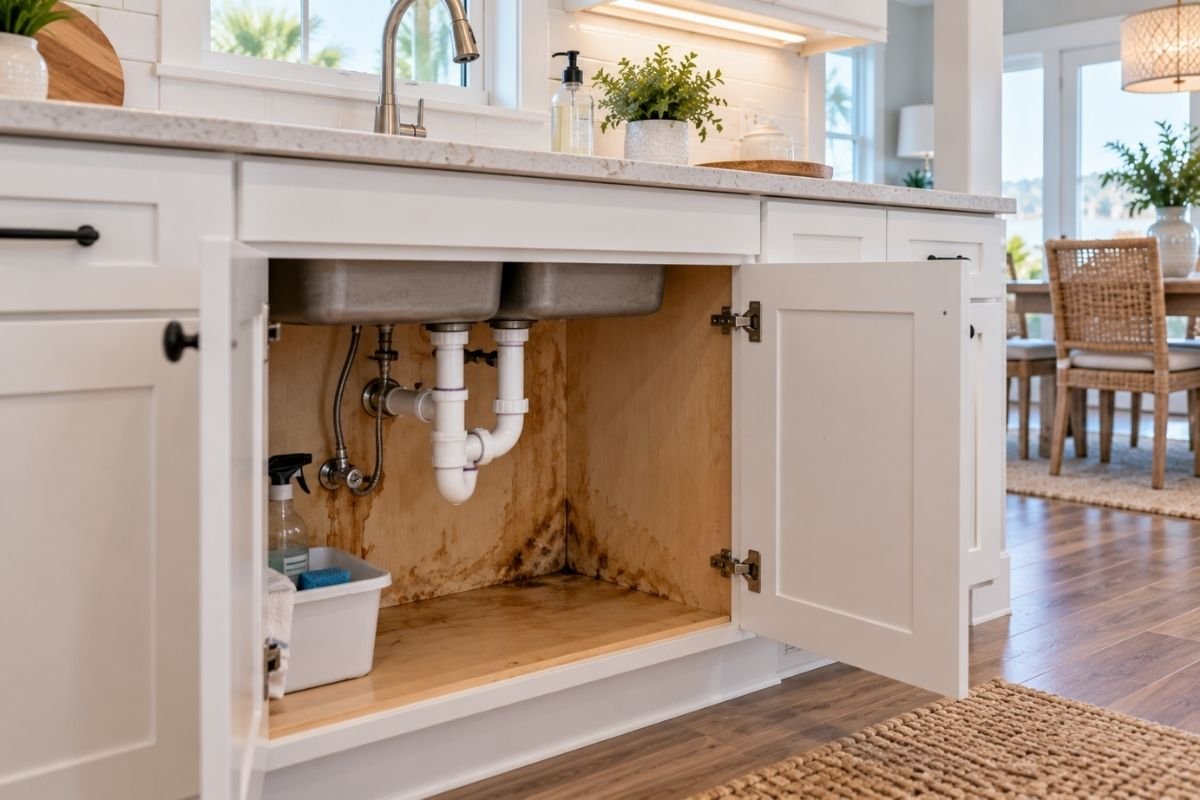
A plumbing overflow can affect cabinets, flooring, walls, and other nearby surfaces.
If you are improving other areas of your property, you can also explore how an outdoor kitchen can transform your Wilmington, NC backyard.
Taking care of the systems behind the home is just as important as improving the spaces you can see.
Heavy Rain Can Create Additional Water Concerns
Wilmington can experience heavy rainfall and tropical weather.
Homeowners should pay attention to both household plumbing and exterior drainage during severe weather.
The National Weather Service provides flood safety information and preparedness guidance.
After significant rainfall, watch for unusual water or drainage behavior around your property.
Do Not Wait for a Drain Emergency
A completely blocked drain often starts as a slower one.
Paying attention to changes can give you time to address the problem before normal household routines are disrupted.
If a sink, shower, or tub consistently takes longer to empty, find out why.
Recurring symptoms deserve even more attention.
Keep Your Wilmington Drains Moving Properly
Slow drains can be an early sign of buildup inside your plumbing system.
Hair, soap, grease, food particles, and other debris can gradually reduce water flow. What begins as a minor delay can eventually become a stubborn clog or backup.
Good household habits can help reduce common buildup. Professional drain cleaning can help when slow drainage keeps returning or begins affecting several fixtures.
For Wilmington, NC homeowners, addressing slow drains early can help keep everyday plumbing more reliable and reduce the risk of an unexpected blockage.