When Should You Replace Plumbing Fixtures in Your Surf City, NC Home?
Plumbing fixtures work hard every day. Faucets, toilets, showerheads, valves, and other components may operate thousands of times over the years.
Eventually, some fixtures begin to show their age. A faucet may drip even after repairs. A toilet may become unreliable. Shower controls can become difficult to use. Older finishes may also show corrosion or wear.
For homeowners in Surf City, NC, knowing when to repair a fixture and when to replace it can help prevent recurring problems. Replacement can also improve the appearance and function of a kitchen or bathroom.
Here are common signs that a plumbing fixture may be ready for an upgrade.
1. The Fixture Needs Frequent Repairs
An occasional repair does not always mean a fixture needs replacement.
However, repeated problems can change the equation. If the same faucet, toilet, or shower fixture needs attention again and again, replacement may offer a more practical solution.
Consider the age and overall condition of the fixture. Also compare the cost and inconvenience of repeated repairs with installing a new one.
2. Your Faucet Keeps Dripping
A dripping faucet is one of the most noticeable plumbing problems.
Worn internal parts can often be replaced. That may restore normal operation when the fixture remains in good condition.
Older faucets can be different. Corrosion, worn components, or hard-to-find replacement parts may make continued repairs less attractive.
If the faucet continues leaking after previous repairs, it may be time to consider replacement.
3. The Faucet Is Difficult to Operate
A faucet should turn on and off smoothly.
Handles that feel stiff, loose, or difficult to control can make everyday use frustrating.
Internal wear may be responsible. Mineral buildup can also affect certain components.
A professional can determine whether a repair can restore proper operation or whether a new fixture makes more sense.
4. You See Corrosion Around the Fixture
Coastal homes deserve extra attention when it comes to corrosion.
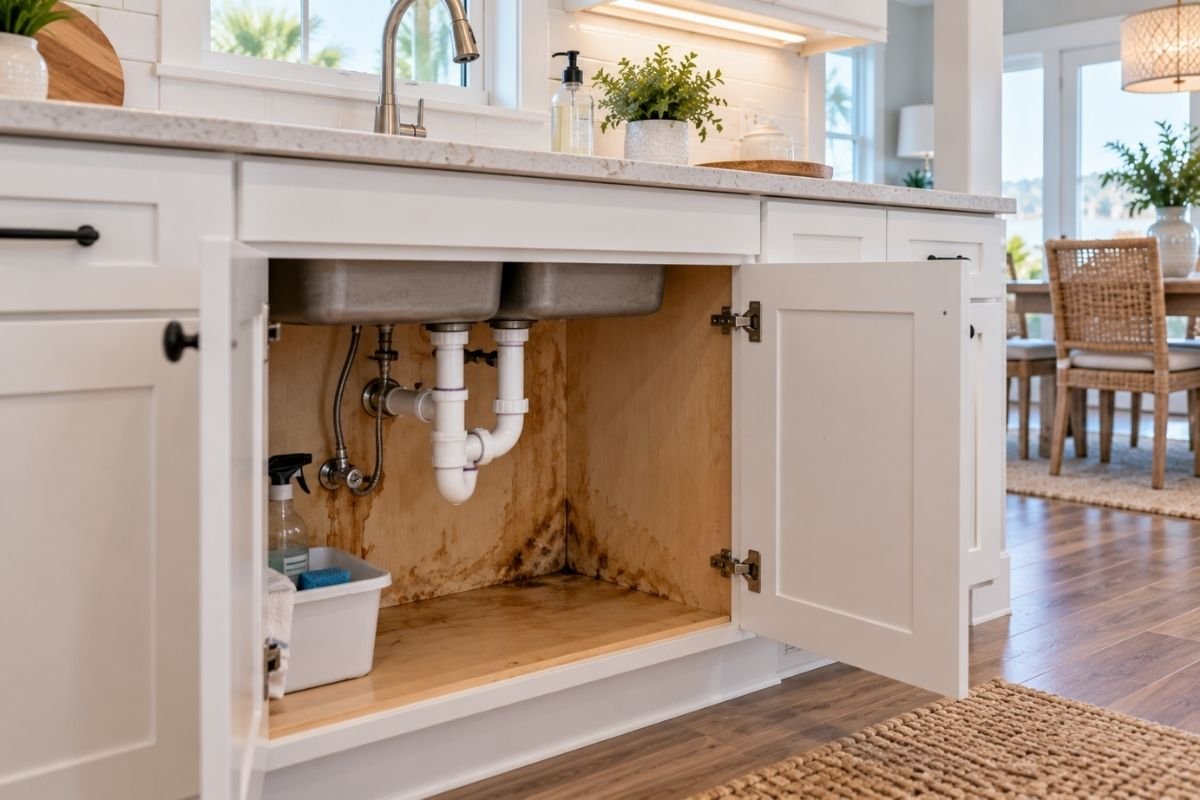
Surf City properties experience humidity, moisture, and salt in the coastal environment. Exposed metal components may show wear over time.
Look around faucets, handles, connections, and other visible hardware.
Minor surface changes may be cosmetic. More significant deterioration deserves closer inspection.
5. Water Appears Around the Base of a Faucet
Water should remain where the fixture is designed to direct it.
Moisture collecting around the base of a faucet can indicate a problem with seals, connections, or other components.
Do not simply wipe the area dry each day.
Repeated moisture can affect countertops, cabinets, and surrounding materials. Find the source and address it.
6. A Toilet Runs Frequently
A toilet that continues running after flushing may have worn internal components.
Many running toilet problems can be repaired without replacing the entire fixture.
However, an older toilet that develops repeated problems may eventually become a replacement candidate.
Pay attention if the toilet begins running on its own between uses. That can indicate water is moving when it should not be.
7. The Toilet Has a Visible Crack
A visible crack deserves immediate attention.
Cracks in a toilet tank or bowl should not be treated like ordinary cosmetic wear.
If you notice water around the toilet or visible damage to the fixture, stop ignoring it.
A professional can evaluate the situation and determine the appropriate next step.
8. The Toilet Feels Unstable
A toilet should feel secure when used.
Movement can indicate a mounting issue or a problem around the base.
Do not assume that tightening something will always solve the problem. Movement can sometimes accompany issues that need further inspection.
Address the cause before surrounding flooring experiences unnecessary moisture or stress.
9. Your Showerhead No Longer Performs Well
Showerheads can lose performance over time.
Mineral deposits may block individual spray openings. The fixture may also leak or provide an uneven spray pattern.
Cleaning can sometimes restore performance.
If the fixture remains unreliable or badly worn, replacement can provide a simple bathroom upgrade.
10. Shower Controls Are Difficult to Use
Shower controls should allow you to adjust water comfortably.
Stiff handles, leaking controls, or inconsistent operation may indicate worn components.
Some valve and control problems can be repaired. Others may justify replacing components or updating the fixture.
A professional can evaluate the existing setup before changes are made.
11. Your Fixtures Look Outdated
Fixture replacement is not always prompted by a plumbing failure.
Sometimes homeowners simply want to update an older kitchen or bathroom.
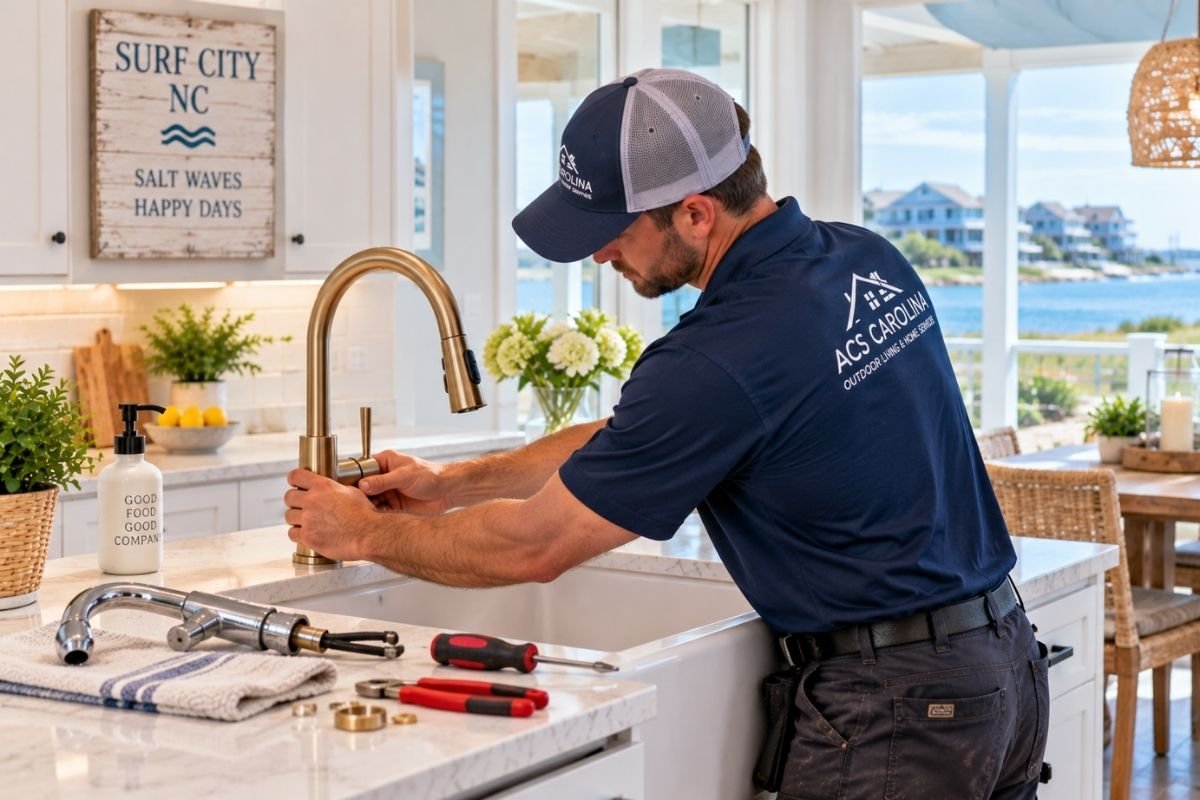
A new faucet can change the appearance of a vanity or kitchen sink without requiring a complete renovation.
Choose a finish that works with nearby cabinet hardware, lighting, and other design elements.
12. Different Fixture Finishes No Longer Match
Bathrooms often receive updates one piece at a time.
After several years, the room may contain multiple finishes and fixture styles.
Replacing selected plumbing fixtures can create a more coordinated appearance.
For example, matching sink faucets and shower hardware can help the bathroom feel more intentional.
13. You Are Remodeling the Bathroom
A renovation is a natural time to review older plumbing fixtures.
If countertops, vanities, tile, or showers are changing, keeping a worn fixture may not make sense.
Select plumbing fixtures early in the project. Dimensions and connection requirements can affect other parts of the design.
Early planning can also help avoid choosing a fixture that does not fit the finished space.
14. You Are Updating the Kitchen
The kitchen faucet receives frequent use and can become an important part of a kitchen refresh.
Homeowners may choose pull-down sprayers, different handle configurations, or a new finish.
Function should come before appearance.
Make sure the faucet fits the sink, countertop, available mounting holes, and existing plumbing configuration.
15. You Want More Water-Efficient Fixtures
Replacing an older fixture can provide an opportunity to consider water efficiency.
The U.S. Environmental Protection Agency’s WaterSense program identifies certain products that meet water-efficiency and performance criteria.
WaterSense-labeled options are available across several plumbing fixture categories.
Compare specifications, performance, and compatibility before choosing a product for your home.
16. The Fixture No Longer Fits Your Household
Your needs can change even when a fixture still works.
A family may want a more convenient kitchen faucet. An older homeowner may prefer easier-to-operate handles. A busy bathroom may benefit from a different fixture configuration.
Replacement gives you an opportunity to choose a product that better suits everyday use.
Think about function before choosing based only on appearance.
17. Replacement Parts Are Becoming Difficult to Find
Older or discontinued fixtures can become harder to repair.
Replacement parts may no longer be readily available. In other cases, repeated repairs may require more time than the fixture is worth.
When this happens, replacing the fixture can simplify future maintenance.
A new fixture may also provide easier access to replacement components later.
18. Hidden Leaks May Damage Nearby Materials
Not every fixture leak creates a visible puddle.
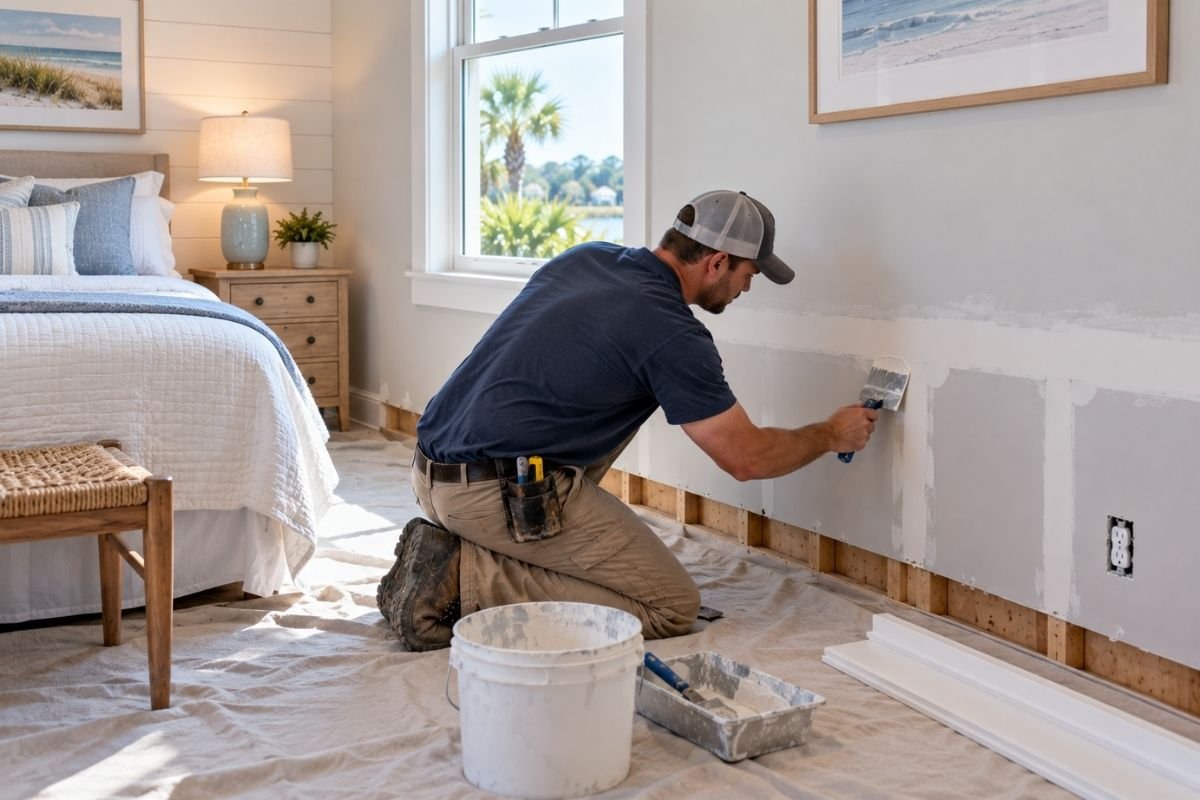
Small amounts of water can reach cabinets, walls, or flooring before the problem becomes obvious.
Watch for swelling, discoloration, peeling finishes, soft materials, or musty odors.
If you find these signs near a plumbing fixture, investigate the water source first.
Repair or Replace?
The answer depends on the specific problem.
A relatively new fixture with one worn component may be worth repairing. A badly deteriorated fixture with repeated problems may be better to replace.
Consider these factors:
- Age of the fixture
- Frequency of previous repairs
- Condition of the fixture body
- Availability of replacement parts
- Evidence of corrosion or damage
- Water efficiency
- Current household needs
- Whether the room is already being renovated
Looking at the complete picture can make the decision easier.
Professional Installation Matters
A new fixture needs correct installation to work as intended.
Connections should fit properly. Seals need to remain watertight. The fixture should sit securely in the correct position.
After installation, test the fixture and inspect the surrounding area for leaks.
Professional installation can also help identify compatibility issues before they create unnecessary problems.
Check the Plumbing Around the New Fixture
Replacing a fixture can reveal the condition of nearby plumbing components.
Supply lines, shutoff valves, connections, and drains may have been in place for years.
It can make sense to inspect these components while the area is accessible.
Addressing a worn connection during the project may prevent another service call later.
Know Where the Shutoff Valves Are
Homeowners should know how to stop water to important fixtures.
A working shutoff valve can help control water if a faucet, toilet, or supply connection begins leaking.
Check that valves remain accessible rather than hidden behind stored items.
It is also useful to know the location of the home’s main water shutoff.
Keep Drains in Mind During Fixture Updates
Replacing a faucet will not solve a clogged drain.
If the sink also drains slowly, the drainage problem may need separate attention.
Surf City homeowners can read our guide explaining why regular drain cleaning matters for Surf City homes.
Addressing both fixture and drainage problems can help the entire sink or bathroom area function better.
Coastal Homes Benefit From Routine Inspections
Surf City homes face a humid coastal environment.
Check visible plumbing periodically. Look around faucets, toilets, supply connections, and valves for changes.
Watch for moisture and corrosion. Also pay attention to fixtures that begin operating differently.
Small changes can provide an early warning before a problem becomes more disruptive.
Replace Fixtures Before a Small Problem Becomes Larger
You do not need to replace every fixture simply because it is old.
However, repeated leaks, corrosion, cracks, unreliable operation, and frequent repairs should not be ignored.
Sometimes a simple repair is all that is needed. In other situations, replacement can provide a more dependable solution and refresh the room at the same time.
Update Your Surf City Home With the Right Plumbing Fixtures
Plumbing fixtures affect both the appearance and everyday function of a home.
Faucets, toilets, shower fixtures, and valves can gradually wear out. Recognizing the signs can help you decide whether repair or replacement makes more sense.
For Surf City, NC homeowners, regular inspections are especially useful in a coastal environment. Watch for leaks, corrosion, loose components, and changes in performance.
Choosing the right replacement and installing it correctly can help keep your kitchen or bathroom working reliably while giving the space a fresh, updated look.