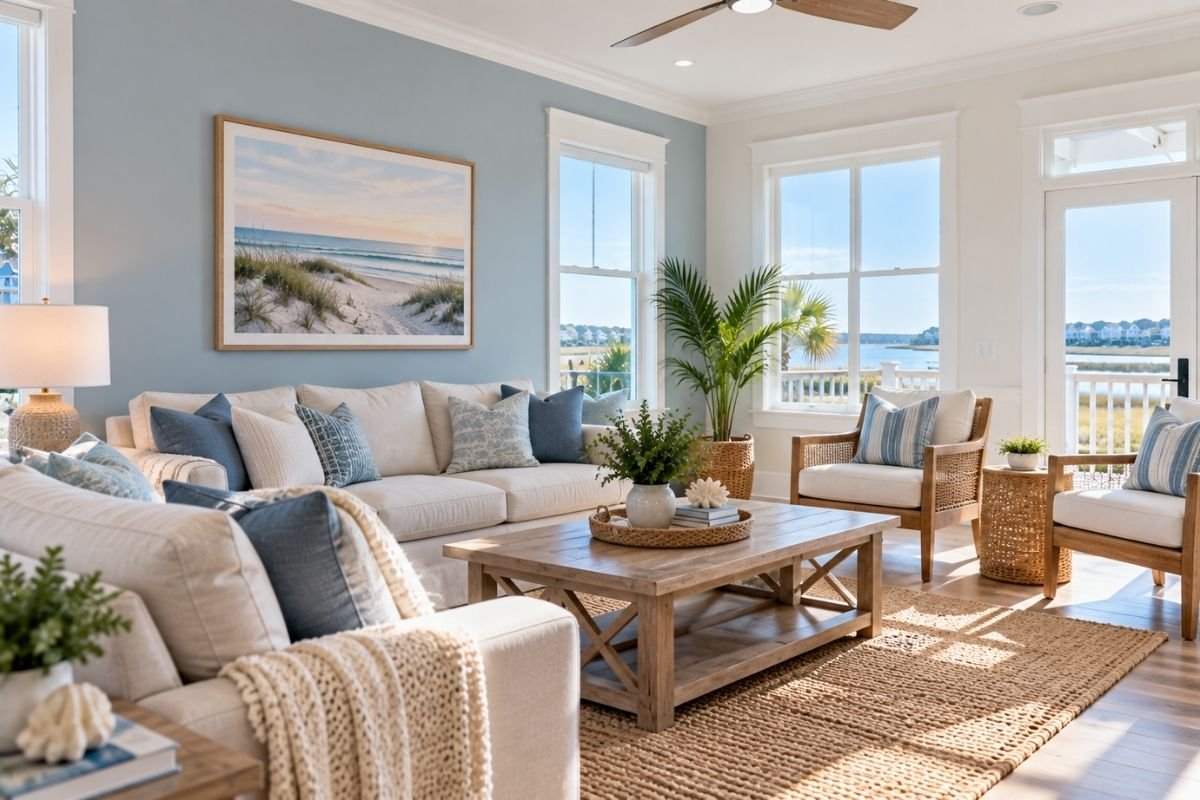
Interior Painting Ideas for Surf City, NC Coastal Homes
Fresh paint can change the way an entire home feels. It can brighten dark rooms, refresh worn walls, highlight architectural details, and create a more consistent style from one space to another.
For homeowners in Surf City, NC, interior paint can also complement the relaxed character of coastal living. However, creating a coastal-inspired home does not mean every wall needs to be blue or decorated around a beach theme.
The best paint choices work with the home’s natural light, flooring, furniture, cabinetry, and everyday use.
Here are practical interior painting ideas for refreshing a Surf City coastal home.
1. Start With the Natural Light
Natural light can dramatically affect how paint appears.
A color may look soft in the morning and noticeably different later in the day.
Rooms with large windows may also reflect colors from the sky, landscaping, or nearby water.
Review paint samples in the actual room before making a final decision.
2. Warm White Can Create a Bright Coastal Interior
White remains popular in coastal homes because it can create a clean and open appearance.
However, whites vary considerably.
Some have warm undertones, while others appear cooler.
Choose a white that works with the flooring, countertops, cabinetry, and other permanent finishes in the room.
3. Soft Neutrals Can Add Warmth
A coastal home does not need stark white walls everywhere.
Soft beige, sand, greige, and other light neutrals can create warmth while maintaining an airy appearance.
These colors can work particularly well with natural wood and woven textures.
They also provide a flexible background for changing furniture and décor.
4. Coastal Blue Works Best With Restraint
Blue naturally fits many coastal interiors.
Still, covering every room in strong blue can make the color lose its impact.
Consider using softer blue-gray shades or reserving deeper blues for selected areas.
This can create coastal character without making the home feel overly themed.
5. Blue-Gray Can Create a Relaxed Atmosphere
Blue-gray paint can work well in bedrooms, bathrooms, and casual living areas.
The balance between blue and gray changes from one paint color to another.
Some shades can appear significantly bluer in strong daylight.
Test samples before committing to the entire room.
6. Soft Green Can Bring the Outdoors Inside
Muted green tones can complement coastal landscaping and natural materials.
Sage and other subdued greens can create a calm appearance without relying on traditional beach colors.
They may work well in bedrooms, offices, bathrooms, or selected accent areas.
Pair them with trim and finishes that support the overall palette.
7. Use Dark Colors Strategically
Dark colors can add depth to a coastal interior.
Navy, charcoal, and other deeper shades can work on a selected wall, built-in feature, or smaller room.
Consider how much natural and artificial light the area receives.
A dark color used intentionally can create contrast without making the entire home feel heavy.
8. Give the Living Room a Fresh Foundation
The living room often connects several parts of the home.
A flexible wall color can help furniture, artwork, rugs, and outdoor views become the main visual features.
Light neutrals are one option, but they are not the only choice.
Select a color that works with the room’s existing materials and lighting.
9. Coordinate Open-Plan Spaces
Many coastal homes have kitchens, dining rooms, and living areas that visually connect.
Using unrelated colors in each area can make the space feel fragmented.
The colors do not need to be identical.
Choose shades with compatible undertones so the rooms transition naturally.
10. Refresh the Kitchen Without Replacing Everything
Kitchen renovations can become expensive quickly.
Sometimes fresh wall paint provides enough change to make the room feel renewed.
Choose a color that works with cabinets, countertops, backsplash, flooring, and lighting.
These fixed surfaces should guide the paint decision.
11. Let Kitchen Cabinets Influence the Wall Color
White cabinets can work with many wall colors, but their undertone still matters.
Wood cabinetry introduces another set of warm or cool tones.
Hold paint samples next to the cabinets rather than evaluating them separately.
This makes it easier to see whether the colors work together.
12. Dining Rooms Can Handle More Personality
A dining area can be a good place to introduce a richer color.
The room may be used more often in the evening, when artificial lighting changes the appearance of the walls.
Consider how the color looks under the dining fixture.
A deeper shade can create a comfortable atmosphere when balanced with the rest of the home.
13. Create a Calm Primary Bedroom
Bedrooms often benefit from colors that feel comfortable rather than overly energetic.
Soft neutrals, muted greens, and blue-gray shades can all work in coastal homes.
Consider bedding, flooring, and window treatments before selecting the wall color.
The goal is to create a room that feels connected rather than assembled from unrelated pieces.
14. Give Guest Bedrooms Their Own Character
Guest bedrooms provide an opportunity to experiment with color.
A subtle coastal shade can give the room personality without changing the palette throughout the entire home.
Keep the color flexible enough to work with different bedding and accessories.
This makes future updates easier.
15. Bathroom Paint Needs Careful Selection
Bathrooms regularly experience higher humidity than many other rooms.
Choose paint products intended for the surface and conditions.
Ventilation also plays an important role in managing bathroom moisture.
Do not rely on paint alone to solve an existing moisture problem.
16. Consider the Vanity and Tile Before Choosing Bathroom Paint
Bathroom walls share a relatively small space with several permanent finishes.
Tile, countertops, vanity colors, flooring, and fixtures can all influence how paint appears.
Compare samples directly beside these surfaces.
This can help avoid an undertone that clashes after the room is finished.
17. Hallways Can Help Connect the Home
Hallways often connect rooms with different colors and styles.
A versatile neutral can provide visual continuity between them.
Hallways may also receive less natural light.
Test the color carefully instead of assuming it will look the same as it does in a bright room.
18. Entryways Can Set the Tone
The entry is one of the first interior spaces guests see.
Fresh paint can make it feel brighter and more welcoming.
Consider how the entry connects to nearby hallways and living areas.
A cohesive color transition can make the home feel more intentional.
19. Do Not Forget Interior Doors
Interior doors can become scuffed and worn over time.
Fresh paint can make them look cleaner and more finished.
White is common, but darker doors can create interesting contrast in some interiors.
Coordinate the door color with trim and nearby wall colors.
20. Trim Color Can Change the Finished Look
Trim frames walls, doors, and windows.
Fresh trim paint can make an older room look noticeably cleaner.
Wall and trim colors should work together.
Even two shades described as white can have undertones that conflict with each other.
21. Consider Painting Built-In Features
Built-in shelves, cabinets, and window seats can become design features with the right paint.
They can match the walls for a subtle appearance or use a contrasting color for emphasis.
Surface preparation is important because built-ins receive regular contact.
Use products appropriate for the material and intended use.
22. Accent Walls Can Add Interest
An accent wall can introduce color without committing an entire room to a stronger shade.
Choose the wall intentionally.
Architectural features, headboards, fireplaces, or built-ins can provide a natural focal point.
A random accent wall may feel disconnected from the room.
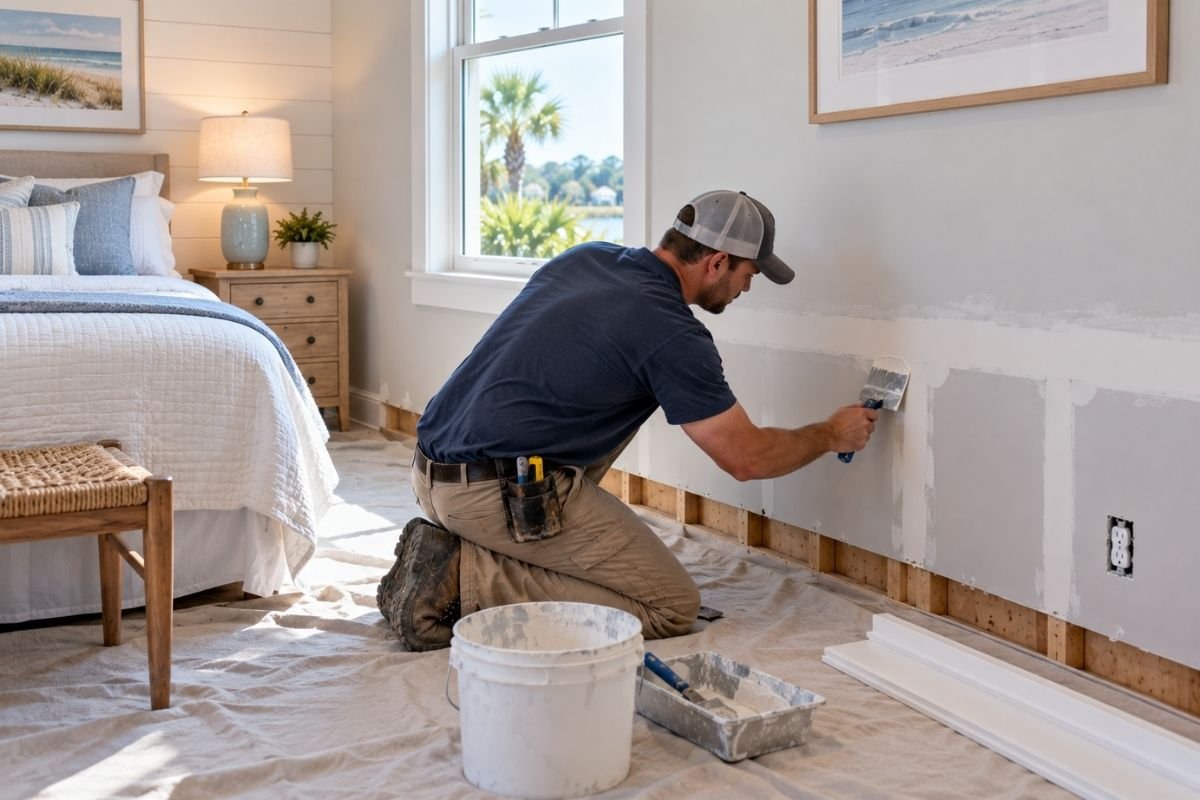
23. Paint Cannot Hide Damaged Drywall
Fresh color works best on a properly prepared surface.
Holes, dents, cracks, damaged tape, and uneven patches can remain visible after painting.
In some cases, new paint makes those imperfections easier to see.
Complete necessary drywall repairs before applying the finish coats.
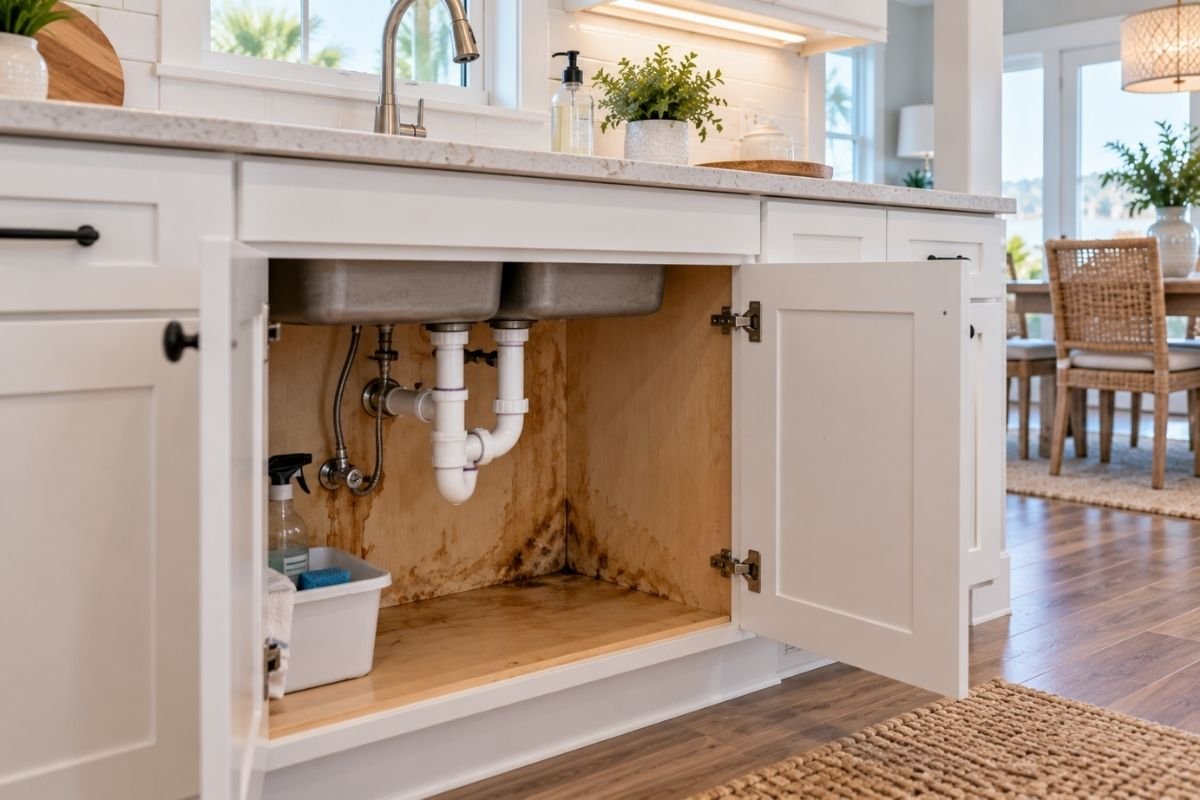
24. Repair Water Damage Before Repainting
Water stains should not simply disappear beneath another coat of paint.
First determine why the moisture appeared.
A roof, plumbing, window, or other building problem may need attention.
Only restore the finished wall after the underlying source has been corrected.
25. Preparation Makes a Major Difference
Painting is only one part of a quality interior finish.
Walls may need cleaning, patching, sanding, caulking, or priming before paint is applied.
Skipping preparation can leave defects visible through the new coating.
A smooth, stable surface creates a better foundation for the finish.
26. Choose Paint Sheen Based on the Room
Paint sheen affects both appearance and maintenance.
Different surfaces and rooms may benefit from different finishes.
Higher sheen can make some wall imperfections more visible because it reflects more light.
Consider the condition of the surface as well as how the room is used.
27. Test Colors Before Painting the Entire Room
A small paint chip cannot show exactly how a color will look across a large wall.
Test your leading choices in the room itself.
Observe them in morning light, afternoon light, and artificial lighting.
This is especially useful in bright coastal homes where natural light changes throughout the day.
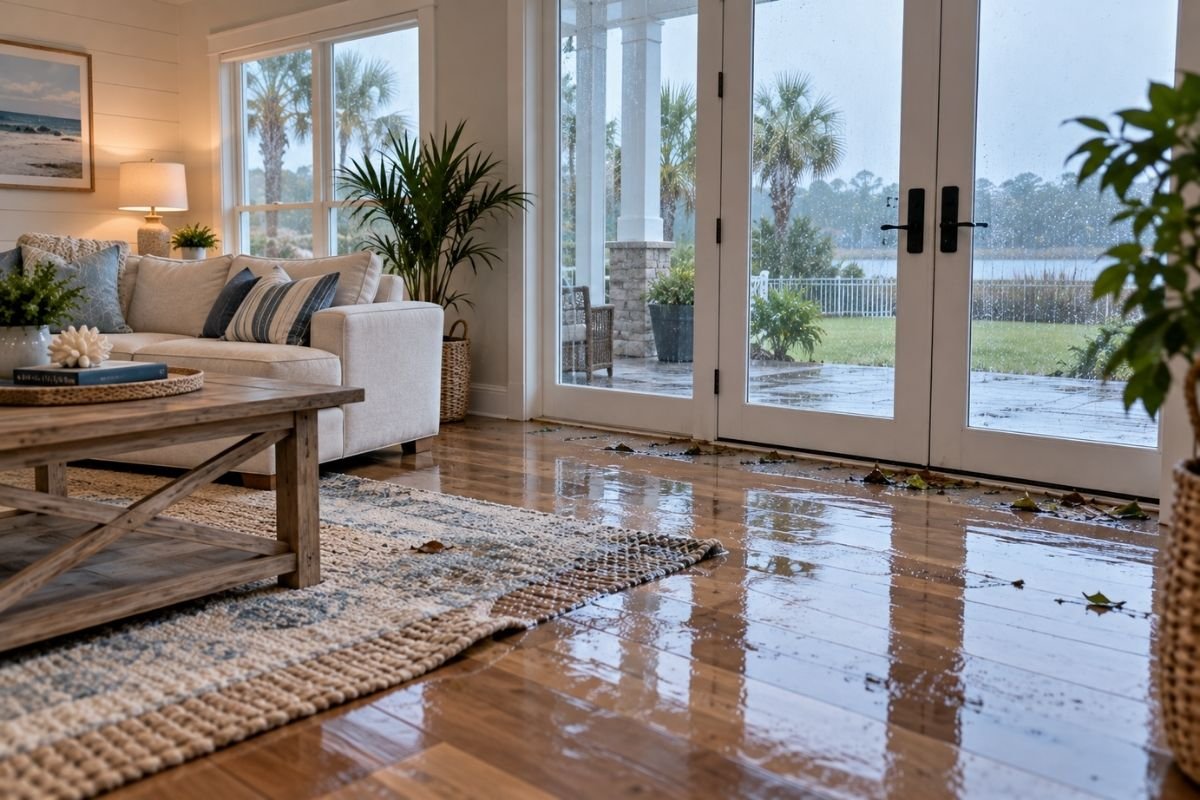
28. Coordinate Interior Paint With Outdoor Living Areas
Large windows and glass doors can visually connect indoor and outdoor spaces.
Your interior does not need to match the deck or patio exactly.
However, complementary materials and colors can make the transition feel natural.
If you are improving both areas, explore these outdoor kitchen features for Surf City, NC homes for additional coastal design inspiration.
29. Think About Indoor Air Quality During Painting
Homeowners can compare paint products based on their needs and manufacturer specifications.
The U.S. Environmental Protection Agency provides information about volatile organic compounds and indoor air quality.
Follow product instructions and provide appropriate ventilation during painting.
Allow coatings to dry and cure according to the manufacturer’s guidance.
30. Professional Painting Can Create a More Consistent Finish
Large painting projects require more than applying color to a wall.
Cut lines, surface preparation, repairs, primer, coverage, and finish consistency all affect the result.
Professional help can be useful when several rooms need attention or when walls require substantial preparation.
Careful workmanship helps the new color look intentional throughout the home.
Refresh Your Surf City Home With Interior Paint
Interior painting can give a Surf City, NC home a fresh look without requiring a major renovation.
Light neutrals can create an airy foundation. Soft blues and greens can add coastal character, while carefully chosen darker colors can provide contrast and depth.
The best results begin before the first coat of paint. Repair damaged walls, evaluate permanent finishes, test colors in the actual room, and consider how natural light changes throughout the day.
With thoughtful color choices and proper preparation, fresh paint can make a coastal home feel brighter, cleaner, and more connected from room to room.