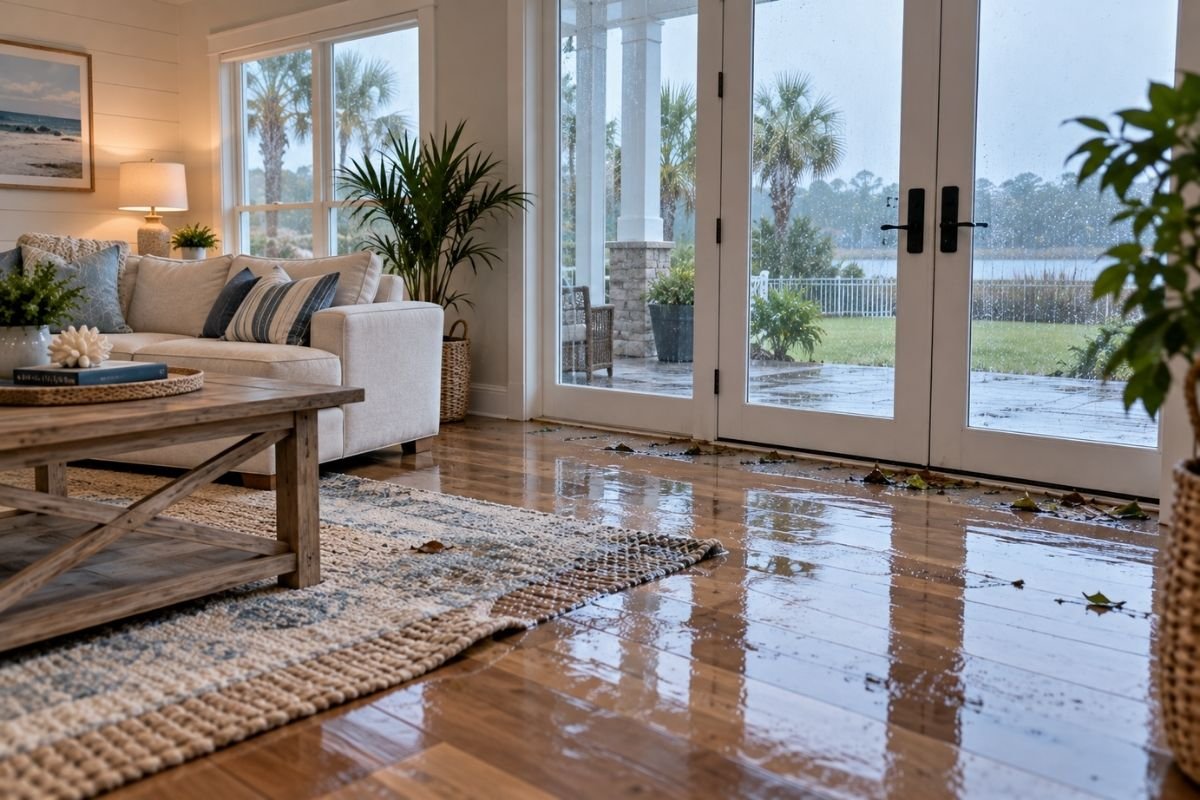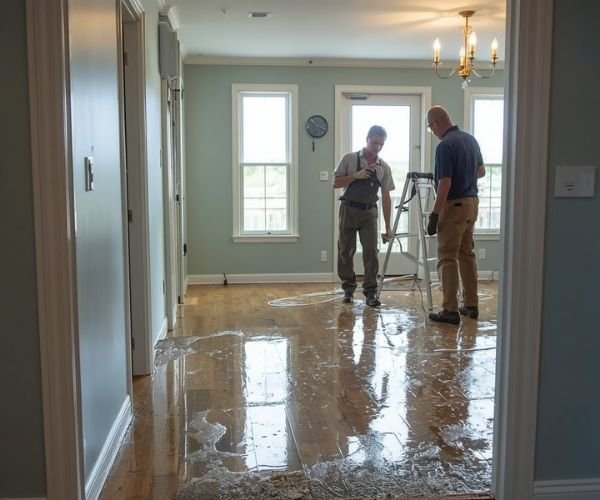
Water damage is one of the most common and costly problems homeowners face. In Coastal North Carolina, homes are exposed to unique environmental conditions that increase the risk of water-related issues throughout the year. From powerful storms and heavy rainfall to plumbing failures and high humidity, many factors can contribute to property damage.
Understanding the most common causes of water damage can help homeowners take preventative measures and respond quickly when problems occur. Early detection and fast action often reduce repair costs and help protect a home’s structure and indoor environment.
Whether the damage comes from a sudden emergency or a slow leak that develops over time, knowing the causes can help homeowners better prepare for potential risks.
Severe Storms and Heavy Rainfall
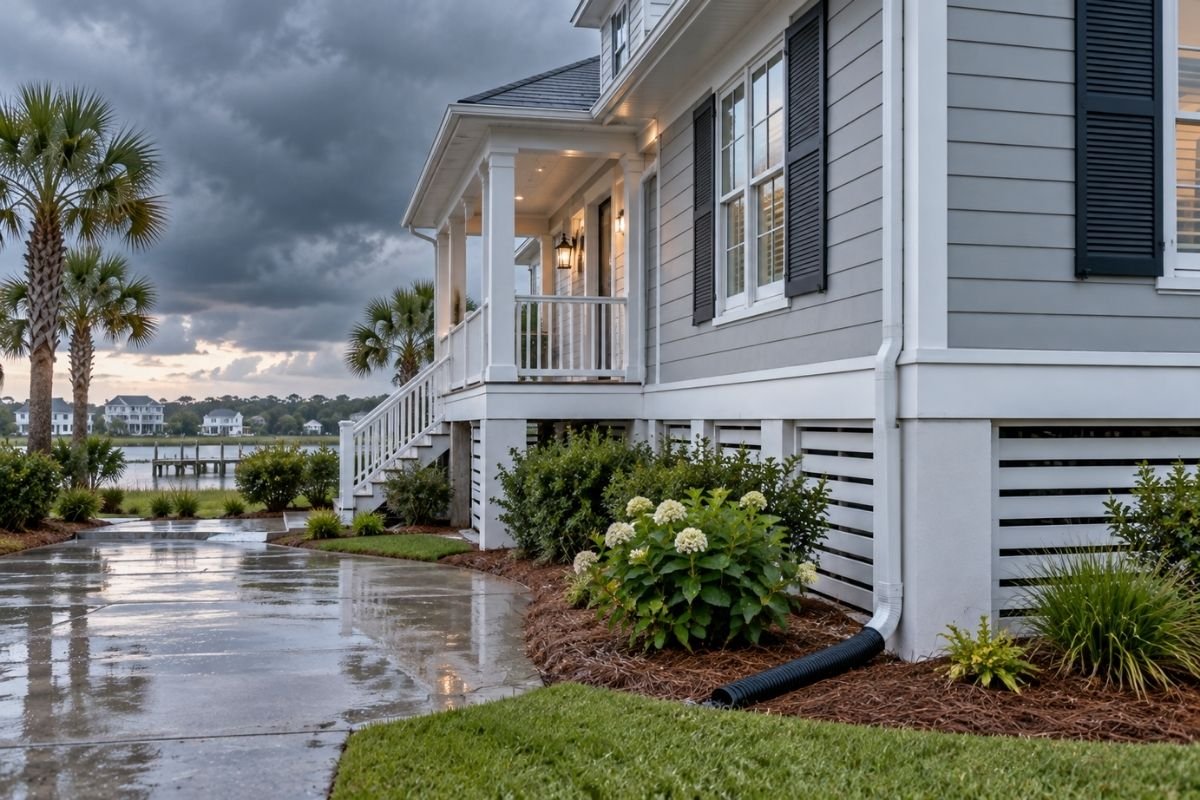
Coastal North Carolina regularly experiences strong storms, tropical weather systems, and periods of heavy rainfall. When large amounts of water accumulate around a property, it can overwhelm drainage systems and find its way into homes.
Water may enter through damaged roofs, foundation cracks, windows, doors, or poorly sealed exterior openings. Even homes that have never experienced water damage before can become vulnerable during severe weather events.
Regular inspections and preventative maintenance can help reduce the risk of storm-related water intrusion.
Hurricanes and Coastal Flooding
Hurricanes pose a significant threat to coastal communities. Strong winds, storm surge, and flooding can cause extensive water damage to residential properties.
Floodwater may affect flooring, drywall, insulation, furniture, electrical systems, and personal belongings. Even after floodwaters recede, moisture can remain trapped within building materials.
Because hurricane-related flooding can create widespread damage, homeowners often require professional restoration services to remove water and properly dry affected areas.
Burst or Leaking Pipes
Plumbing failures remain one of the leading causes of residential water damage. Pipes can burst due to age, corrosion, excessive pressure, shifting foundations, or unexpected damage.
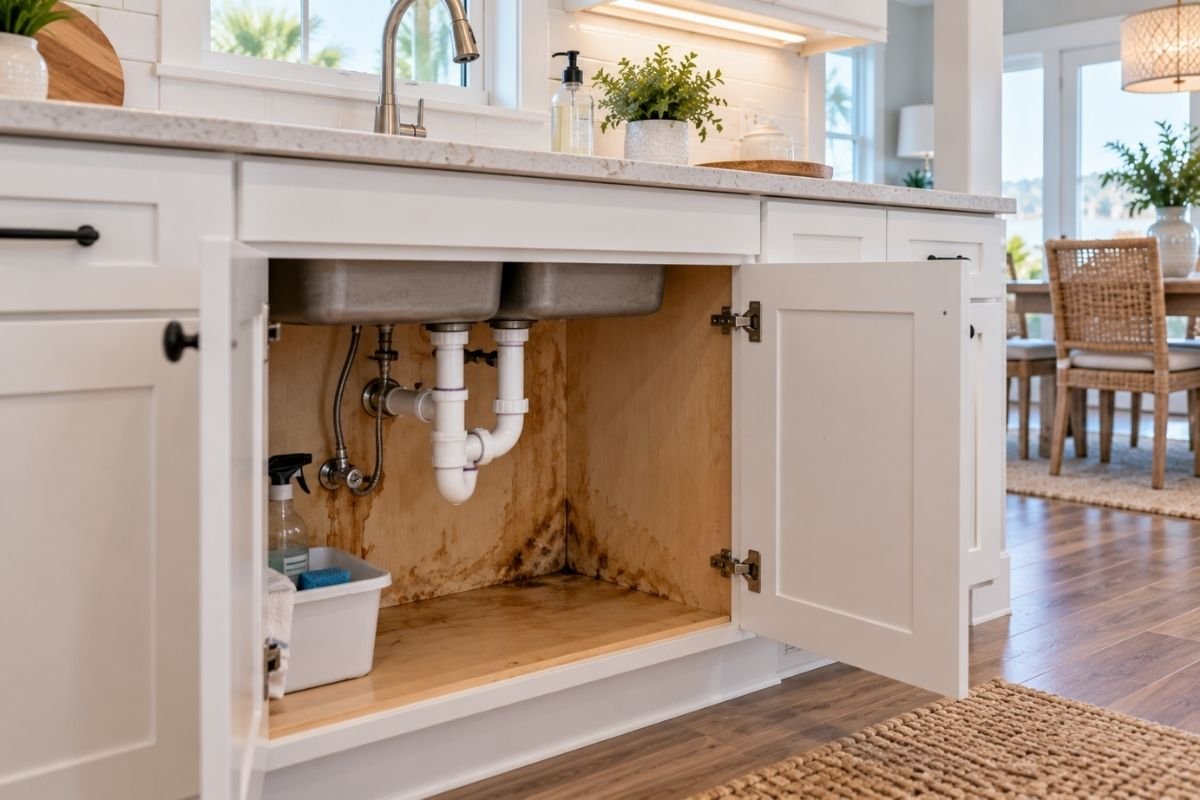
Even a small leak can cause significant problems if it goes unnoticed. Water can slowly damage drywall, flooring, cabinets, insulation, and structural materials.
Routine plumbing inspections help identify potential issues before they develop into costly emergencies.
Water Heater Failures
Water heaters operate under constant pressure and handle large volumes of water every day. As these systems age, tanks can corrode, connections can fail, and leaks may develop.
A failed water heater can release a substantial amount of water into a home within a short period. Utility rooms, garages, basements, and nearby living spaces may all be affected.
Regular maintenance and timely replacement of aging water heaters can help reduce this risk.
Roof Leaks
Roof systems protect homes from the elements, but damaged shingles, flashing problems, clogged gutters, and aging materials can allow water to enter the structure.
Roof leaks often begin as minor issues before becoming major problems. Water may travel through attics, ceilings, insulation, and wall cavities before visible signs appear.
Annual roof inspections can help homeowners identify and address vulnerabilities before significant water damage occurs.
Appliance Leaks
Many household appliances use water connections that can eventually fail. Washing machines, dishwashers, refrigerators, and ice makers are common sources of leaks.
Damaged hoses, loose fittings, worn seals, and aging components may allow water to escape unexpectedly. In some cases, homeowners may not notice a leak until flooring or cabinetry begins to show signs of damage.
Inspecting appliance connections regularly helps prevent unexpected water-related problems.
Clogged Gutters and Downspouts
Gutters and downspouts play an important role in directing water away from a home’s foundation. When leaves, debris, and dirt block these systems, water may overflow and accumulate near the structure.
Over time, this excess moisture can contribute to foundation issues, basement leaks, crawl space moisture problems, and exterior water intrusion.
Routine gutter cleaning helps maintain proper drainage and reduces the risk of water damage.
Foundation Cracks and Drainage Problems
Foundation cracks provide a pathway for water to enter a home. Coastal properties may experience shifting soil conditions, settlement, and moisture fluctuations that contribute to foundation movement.
Poor grading and inadequate drainage can further increase water accumulation around the home. During periods of heavy rain, water may seep through cracks and enter lower-level spaces.
Addressing drainage concerns early helps protect both the foundation and the interior of the home.
HVAC System Issues
Heating and cooling systems produce condensation during normal operation. If condensate drains become clogged or components malfunction, water may accumulate and cause damage.
Homeowners sometimes overlook HVAC-related moisture problems because they often develop gradually. Over time, excess moisture can damage ceilings, walls, flooring, and insulation.
Regular HVAC maintenance helps ensure proper drainage and system performance.
High Humidity Levels
Coastal North Carolina experiences elevated humidity levels throughout much of the year. Excess moisture in the air can contribute to condensation, damp conditions, and indoor air quality concerns.
While humidity may not cause sudden flooding, it can contribute to long-term moisture damage when combined with ventilation issues or existing water intrusion problems.
Dehumidification and proper ventilation help maintain healthier indoor conditions.
Why Fast Water Damage Restoration Matters
Regardless of the cause, fast action is essential when water damage occurs. Standing water and excess moisture can quickly affect building materials, furniture, and personal belongings.
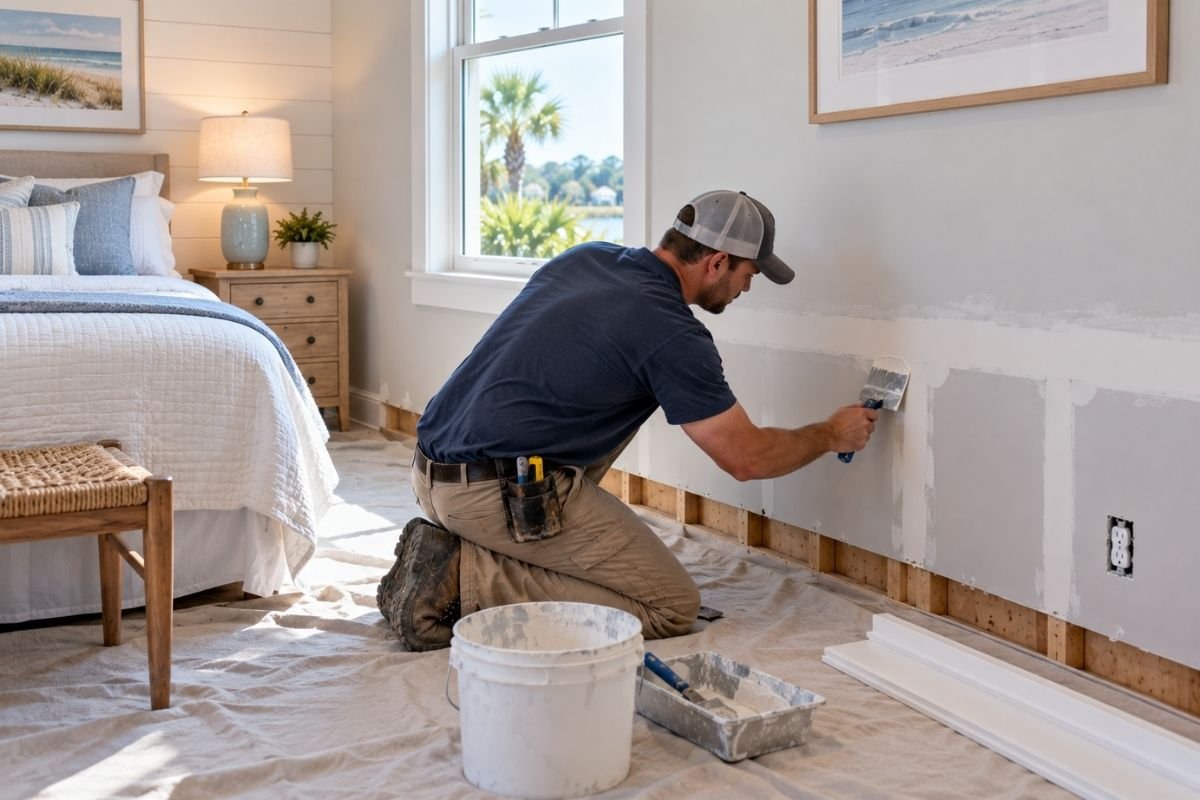
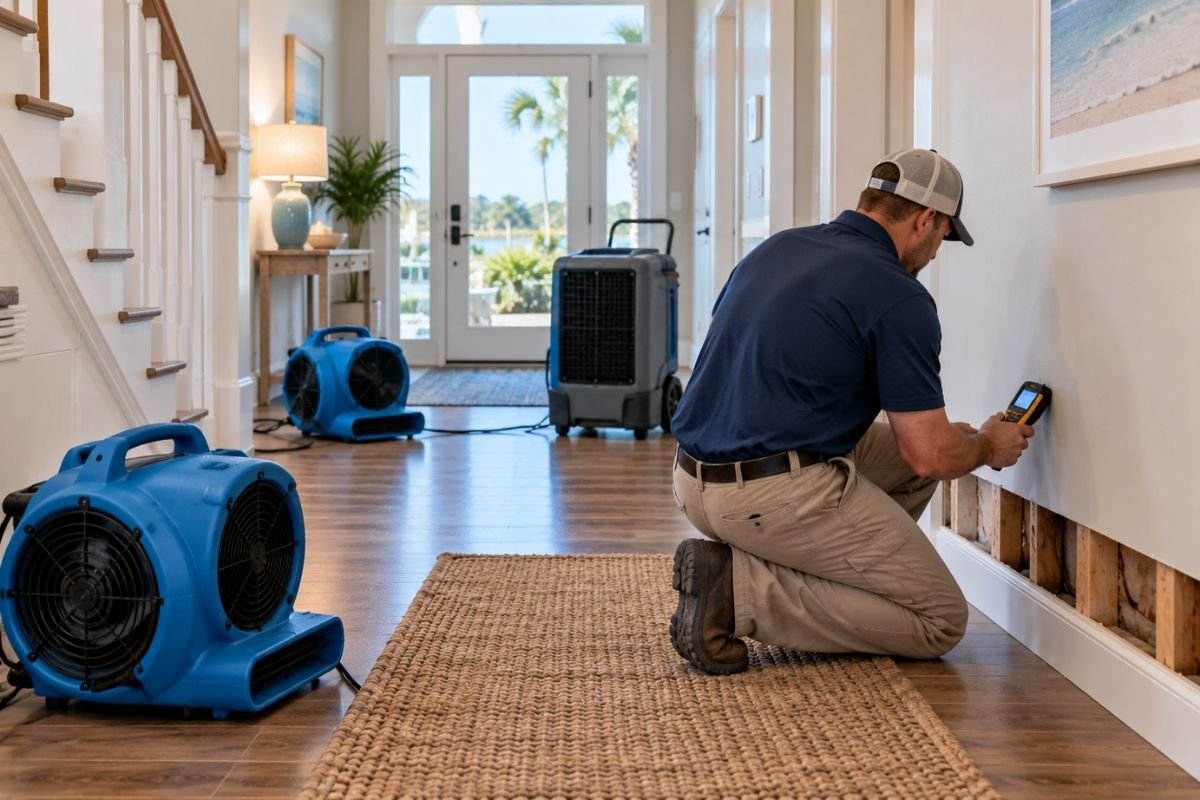
Prompt restoration helps reduce structural damage, limit repair costs, and minimize the risk of additional problems. Homeowners who need professional assistance can benefit from timely inspections, water extraction, drying, and moisture detection services.
Many water-damaged properties also benefit from mold remediation services if moisture remains present long enough to support mold growth.
Protecting Your Home from Future Water Damage
Preventative maintenance remains one of the best ways to reduce the risk of water damage. Homeowners should inspect roofs, plumbing systems, appliances, gutters, and drainage systems regularly.
Addressing small issues before they become major problems often saves time, money, and frustration. Routine maintenance can also extend the life of important home systems.
Being proactive helps homeowners better protect their investment and maintain a safer living environment.
Using Trusted Flood Resources
Homeowners can review flood insurance information to better understand flood risks and available coverage options for coastal properties.
Preparedness and awareness play important roles in minimizing the impact of future water-related events.
Final Thoughts
Coastal North Carolina homes face a variety of water damage risks, including storms, flooding, plumbing failures, roof leaks, appliance malfunctions, and high humidity levels. Understanding these common causes helps homeowners take preventative measures and respond quickly when problems arise.
When water damage occurs, prompt restoration can help reduce long-term damage, protect indoor air quality, and support a faster recovery. By staying proactive and addressing maintenance concerns early, homeowners can better safeguard their homes against future water-related issues.