Choosing the Right Pergola for Your Coastal North Carolina Home
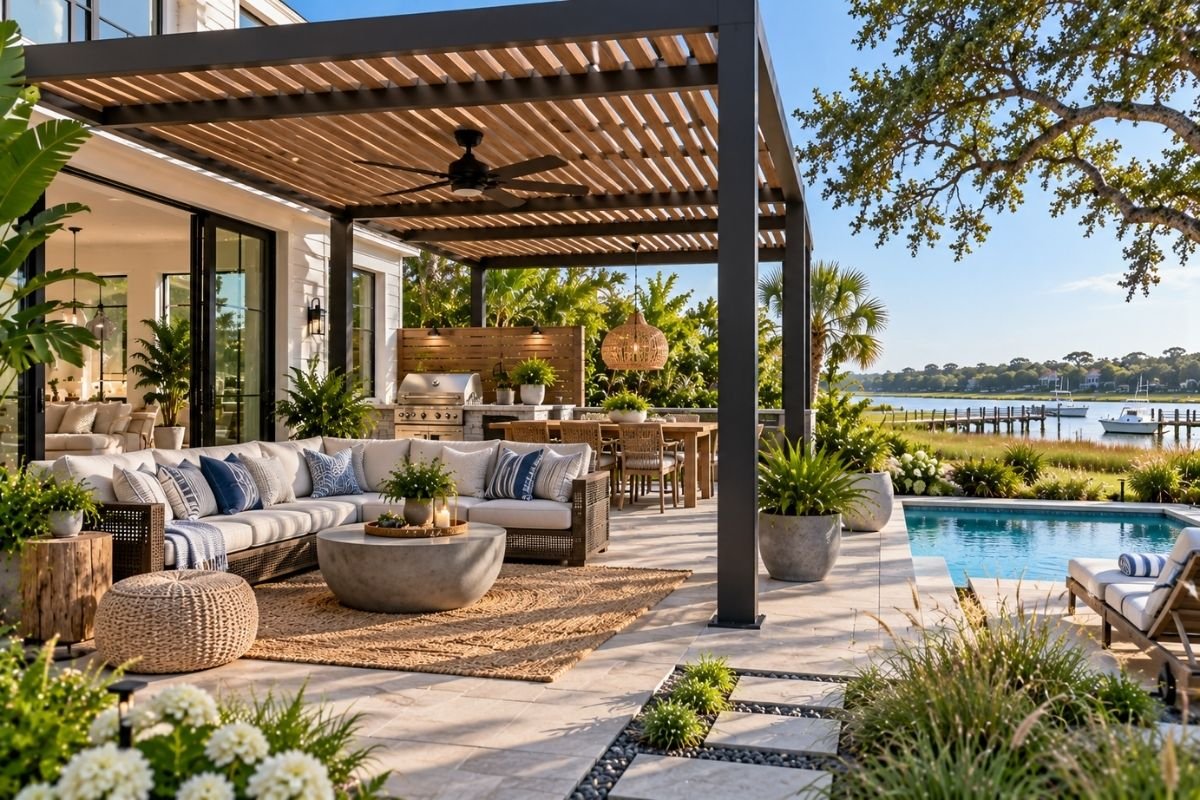
A pergola can make a coastal North Carolina backyard more comfortable, attractive, and useful. It can create shade over a patio, define an outdoor dining area, or provide a relaxing place to enjoy the backyard.
However, choosing a pergola near the coast requires careful planning. Salt air, humidity, strong sunlight, rain, and seasonal storms can affect outdoor structures over time.
The right pergola should fit your home, your outdoor space, and the way you plan to use it. It should also suit the conditions found along the North Carolina coast.
Before choosing a design, consider these important factors.
Start With How You Want to Use the Pergola
Begin with the purpose of the space.
Some homeowners want a shaded area for outdoor dining. Others want a comfortable lounge, a poolside retreat, or a gathering place near an outdoor kitchen.
Your main goal will influence the pergola’s size, location, furniture, lighting, and shade options.
Common uses include:
- Outdoor dining
- Family gatherings
- Backyard entertaining
- Poolside seating
- Outdoor kitchen seating
- Quiet relaxation
- Garden seating
Planning around your lifestyle can help you avoid adding features that you rarely use.
Choose the Best Location
Location can determine how comfortable the pergola feels throughout the day.
A pergola near the house can create an easy transition between indoor and outdoor living. It can work especially well near a kitchen or frequently used back door.
A freestanding pergola offers another option. You can place it near a pool, garden, or attractive view.
Before deciding, watch how sunlight moves across the property. Also consider wind, drainage, privacy, and walking paths.
Think About the Coastal Environment
Coastal North Carolina has conditions that can affect exterior structures.
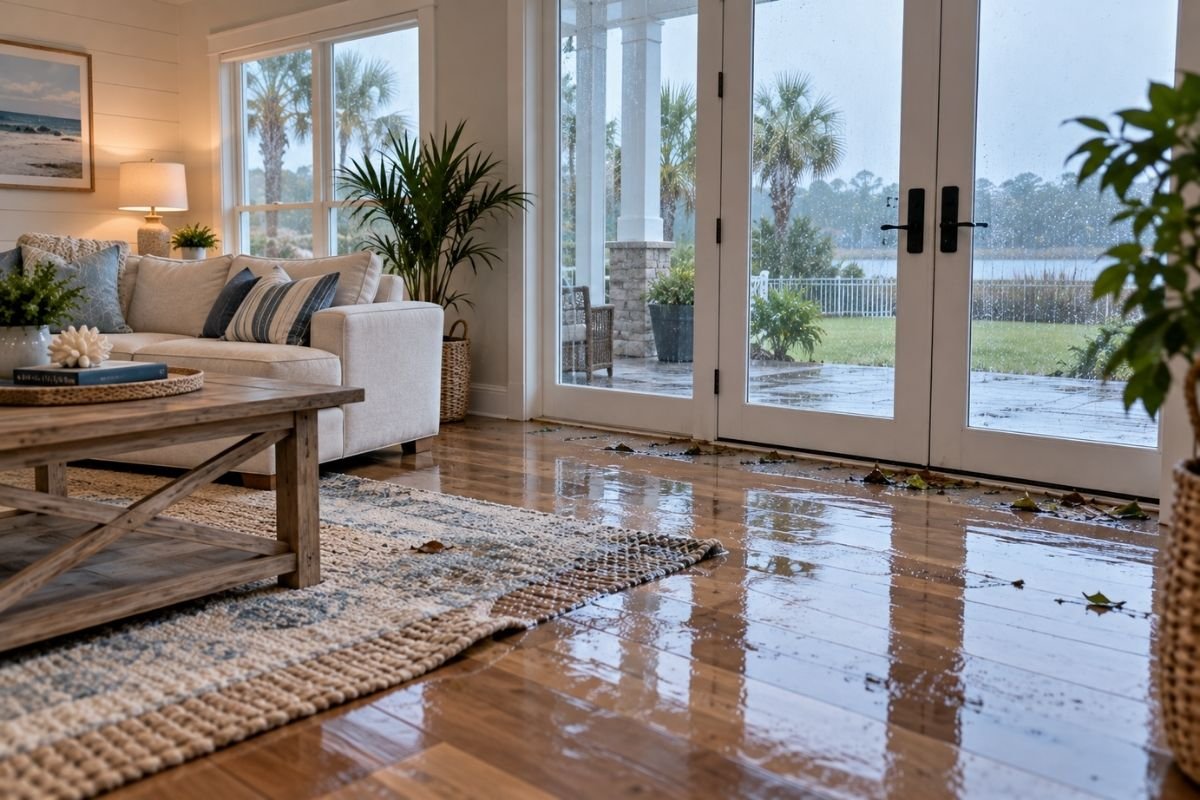
Salt in the air can contribute to corrosion. Humidity and rain can increase moisture exposure. Strong sunlight can also affect finishes and outdoor materials.
Storms may bring heavy rain and strong winds.
These conditions make material selection and construction details especially important.
Compare Pergola Materials
There is no single pergola material that works for every property.
Each option offers a different combination of appearance, maintenance, durability, and cost.
Wood Pergolas
Wood creates a warm and natural appearance. It can complement traditional homes, coastal cottages, gardens, and outdoor kitchens.
You can paint or stain wood to coordinate with the house.
However, wood needs ongoing care. Moisture and sunlight can affect the finish over time.
Regular inspection and maintenance can help preserve its appearance.
Aluminum Pergolas
Aluminum can create a clean and modern look.
It is also a popular option for homeowners who want to reduce some of the maintenance associated with natural wood.
Finish quality and hardware remain important, especially in coastal environments.
Vinyl Pergolas
Vinyl can provide a bright, clean appearance that suits many coastal homes.
It usually requires routine cleaning rather than staining or painting.
Homeowners should compare product quality, structural requirements, and design options before choosing a system.
Composite Options
Some pergola systems use composite or engineered materials.
These products can offer different maintenance and appearance benefits.
Review the manufacturer’s guidance to understand how a specific product performs outdoors.
Do Not Forget About Hardware
Posts and beams receive most of the attention, but hardware matters too.
Brackets, screws, fasteners, anchors, and connectors help hold the structure together. These components also face exposure to moisture and coastal air.
Choose hardware that suits the pergola material and exterior environment.
Periodic inspections can help identify corrosion or loose connections early.
Choose a Style That Complements the Home
A pergola should look like a natural part of the property.
Consider the home’s architecture, exterior colors, rooflines, and existing outdoor materials.
A modern home may suit a pergola with simple lines and minimal details. A traditional coastal home may look better with natural wood or a lighter finish.
You can also repeat materials from the patio or outdoor kitchen to create a more consistent design.
Decide How Much Shade You Need
Pergolas can provide different levels of shade.
The spacing and direction of the overhead elements influence how much sunlight reaches the area below.
Some homeowners prefer an open design. Others want more protection during the hottest parts of the day.
Retractable canopies and other shade systems can provide additional coverage when needed.
Consider the position of the sun before deciding on the final design.
Plan the Size Around Your Furniture
Do not choose pergola dimensions based only on the available yard space.
Think about what will sit beneath it.
A dining table needs room for chairs to move. A lounge area may include a sofa, chairs, side tables, and an outdoor rug.
Measure the furniture before finalizing the pergola size. Leave comfortable walking space around major pieces.
Consider an Outdoor Kitchen Connection
A pergola can work well as part of a larger outdoor entertaining area.
For example, an outdoor kitchen can handle cooking while the pergola provides a nearby place for dining and conversation.
If you are planning both features, explore these outdoor kitchen ideas for coastal North Carolina homes.
Plan cooking equipment carefully. Keep suitable clearance around grills and other heat-producing appliances.
Add Lighting From the Beginning
Lighting can make a pergola much more useful after sunset.
String lights create a casual atmosphere. Pendant fixtures can provide focused light above a dining table.
You can also add lighting around steps, pathways, and landscaping.
If you want permanent fixtures, include electrical planning early in the project.
Consider Airflow and Comfort
Warm and humid weather can affect outdoor comfort.
An open pergola naturally allows air to move through the space. Some designs may also support an outdoor-rated ceiling fan.
A fan can improve airflow over a seating or dining area.
Make sure the structure provides suitable support before adding one.
Use Privacy Without Closing the Space
Some coastal properties have neighboring homes nearby.
You can add privacy without building solid walls around the pergola.
Slatted panels can screen selected views. Tall planters and landscaping can create a softer barrier.
Outdoor curtains may also provide flexible privacy.
Keep some sides open when possible. This helps preserve airflow and the open character of the pergola.
Plan for Rain and Drainage
Rainwater should move away from the pergola and nearby structures.
Check the ground and patio before construction begins. Avoid areas where water regularly collects.
A more solid pergola cover can change the direction of runoff. Plan where that water will travel.
Good drainage can also make the outdoor area easier to use after a storm.
Take Wind Seriously
Coastal weather can bring periods of strong wind.
A pergola needs appropriate structural support and secure connections for its location and design.
Accessories also deserve attention. Curtains, removable shades, hanging decorations, and lightweight furniture may need to be secured or removed before severe weather.
The National Weather Service offers hurricane preparedness information for coastal residents.
Think About Maintenance Before You Build
A beautiful pergola should also fit your maintenance preferences.
Some homeowners do not mind periodic staining or painting. Others prefer materials that mainly need routine washing.
Ask yourself how much maintenance you want to handle each year.
Also consider access for cleaning, inspections, and future repairs.
Connect the Pergola With Landscaping
Landscaping can make a pergola feel more established within the backyard.
Planting beds can soften the edges of a patio. Large planters can add greenery around pergola posts.
Climbing plants can also create visual interest, although they require trimming and maintenance.
Choose plants that suit the property’s sunlight, soil, and coastal exposure.
Consider the View From Inside the House
A pergola affects more than the backyard.
You may also see it through windows and glass doors from inside the home.
Think about how the structure will frame the backyard from these indoor spaces.
A well-positioned pergola can create an attractive focal point even when you are not outside.
Plan for Future Outdoor Improvements
Your backyard may continue to change over time.
You might add an outdoor kitchen, pool, outdoor shower, fire feature, or new landscaping later.
Consider these possibilities before choosing the pergola location.
Leaving space for future improvements can help you create a more connected outdoor layout.
Balance Appearance With Practical Design
It is easy to focus on photographs and design inspiration when choosing a pergola.
Appearance matters, but practical details matter just as much.
Think about shade, furniture, airflow, drainage, weather exposure, maintenance, and how people will move through the area.
A pergola that looks beautiful and functions well can provide more value to everyday outdoor living.
Create an Outdoor Space That Fits Coastal Living
A pergola can become an important part of a coastal North Carolina backyard.
It can provide shade, define an entertaining area, complement an outdoor kitchen, or create a quiet place to relax.
The best design depends on your home and lifestyle. Coastal conditions should also guide your choices.
Consider materials, hardware, wind, moisture, sunlight, drainage, and maintenance before making the final decision.
With careful planning, you can create a pergola that looks at home in your backyard and supports the way you enjoy coastal living.