Plumbing Fixture Upgrades for Coastal North Carolina Homes
Plumbing fixtures are some of the most frequently used features in a home. Kitchen faucets, bathroom faucets, toilets, showerheads, and valves all play a role in everyday comfort.
Over time, these fixtures can wear out or become less convenient to use. Some homeowners also choose to replace working fixtures because they want better function, easier maintenance, or a more updated appearance.
For coastal North Carolina homeowners, fixture upgrades also provide an opportunity to consider durability and water efficiency. Humidity, moisture, frequent use, and the demands of coastal living can all influence the products you choose.
Here are practical plumbing fixture upgrades to consider for your home.
1. Upgrade an Aging Kitchen Faucet
The kitchen faucet handles frequent use throughout the day.
Older faucets may develop loose handles, leaks, worn finishes, or inconsistent operation. Even when the fixture still works, it may no longer suit the way you use the kitchen.
A replacement can improve both function and appearance.
Before choosing one, check the sink configuration, available mounting holes, faucet height, and surrounding space.
2. Consider a Pull-Down Kitchen Faucet
A pull-down sprayer can make everyday kitchen tasks easier.
The flexible spray head can help rinse dishes, clean the sink, and fill larger containers.
Different models offer different spray settings and handle configurations.
Choose a design that provides enough clearance around nearby cabinets and windows.
3. Replace a Faucet That Needs Frequent Repairs
A single worn component does not always justify replacing an entire faucet.
However, repeated repairs can become frustrating.
If a fixture continues leaking or developing new problems, compare the cost of continued repairs with replacement.
Age, corrosion, condition, and replacement-part availability can all influence the decision.
4. Update Bathroom Sink Faucets
Bathroom faucets can change the look of a vanity without requiring a full remodel.
A new fixture can introduce a cleaner design and provide smoother everyday operation.
Choose a faucet that matches the sink’s mounting configuration.
Also consider how the finish works with mirrors, cabinet hardware, lighting, and shower fixtures.
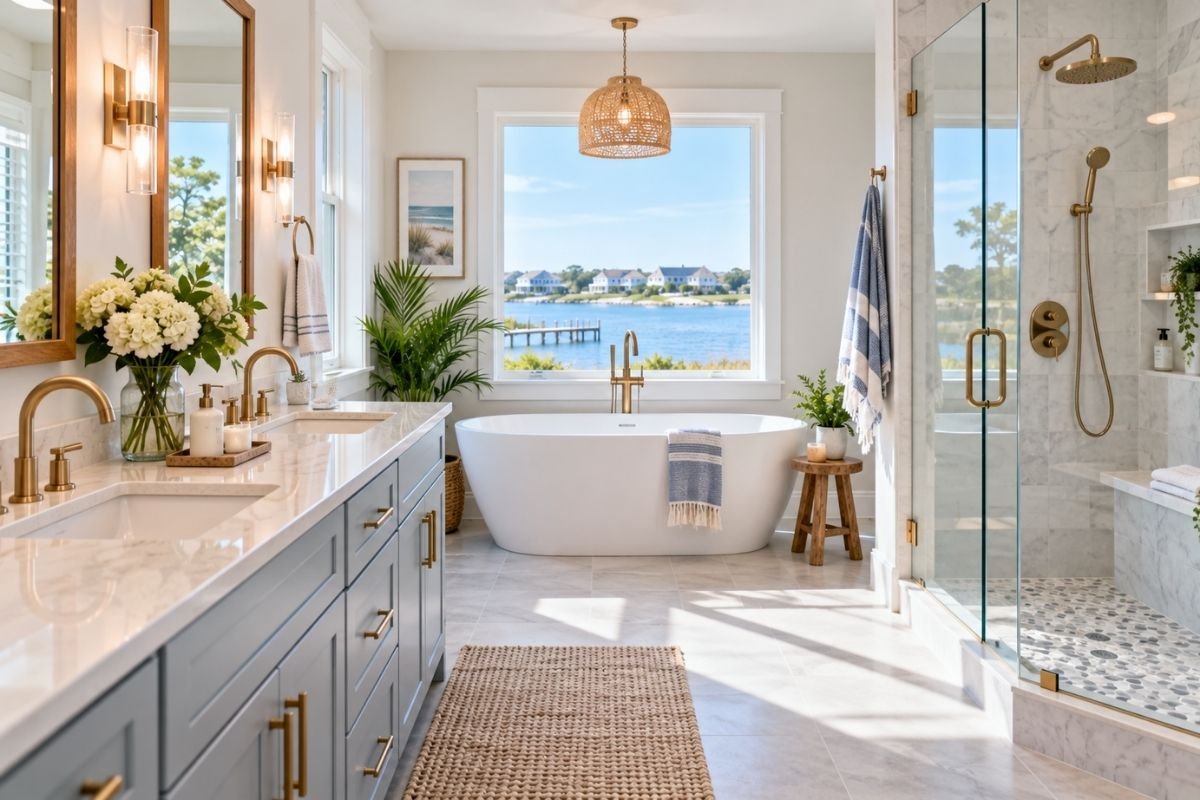
5. Coordinate Fixtures Across the Bathroom
Bathrooms often receive upgrades at different times.
This can leave the room with several unrelated fixture styles and finishes.
If you are replacing more than one fixture, consider coordinating them.
Matching or complementary finishes can give the bathroom a more intentional appearance.
6. Upgrade an Older Showerhead
A showerhead can become less effective because of age, wear, or mineral buildup.
Some homeowners also want a different spray pattern or improved functionality.
Replacement can be a relatively focused bathroom upgrade.
Compare flow, spray options, size, maintenance requirements, and compatibility before choosing a model.
7. Consider a Handheld Showerhead
A handheld shower can add flexibility to a bathroom.
It can make rinsing the shower easier. It may also help when bathing children or pets.
Some systems combine a fixed showerhead with a handheld component.
Choose a design that works comfortably within the size and layout of the shower.
8. Review Older Shower Controls
Shower controls should operate smoothly and predictably.
Stiff handles, leaks, loose components, or inconsistent operation can signal wear.
Some control problems can be repaired. Others may require replacement of worn components or a larger fixture update.
A professional can evaluate the existing valve and plumbing configuration before work begins.
9. Replace an Unreliable Toilet
Many toilet problems can be repaired with new internal components.
Replacement may make more sense when an older fixture repeatedly needs attention.
Visible damage, recurring problems, and poor operation are all reasons to evaluate the fixture.
A new toilet can also provide an opportunity to consider current water-efficient options.
10. Look for Water-Efficient Products
Water efficiency can be part of the fixture selection process.
The U.S. Environmental Protection Agency’s WaterSense program identifies products that meet water-efficiency and performance criteria.
WaterSense-labeled options are available for several types of household plumbing fixtures.
Compare performance, compatibility, and features before choosing a replacement.
11. Do Not Forget Shutoff Valves
Fixture upgrades are a good time to inspect nearby shutoff valves.
These valves allow water to be stopped at individual fixtures when repairs are needed.
An older valve may become difficult to operate or develop a leak around its connection.
If a valve is worn or unreliable, addressing it during fixture work can make future maintenance easier.
12. Inspect Supply Lines During an Upgrade
Supply lines are another important part of the fixture installation.
They may have been in place much longer than the faucet or toilet being replaced.
Inspect accessible lines for deterioration, corrosion, damaged connections, or other signs of wear.
Replacing a fixture without considering the condition of its connections can leave an older problem in place.
13. Choose Fixtures With Coastal Conditions in Mind
Coastal North Carolina homes experience humidity and moisture throughout the year.
Properties closer to saltwater may also experience greater salt exposure.
Consider material quality and finish durability when selecting exposed fixtures and hardware.
Follow manufacturer care instructions to help maintain the finish.
14. Think About Ease of Cleaning
A beautiful fixture can become frustrating if it is difficult to maintain.
Consider the shape of the faucet, the number of handles, surface finish, and areas where water spots may collect.
Simple designs can sometimes make routine cleaning easier.
Choose a fixture that fits the amount of maintenance you want to handle.
15. Make Fixtures Easier to Use
Function should guide an upgrade as much as appearance.
Lever-style handles may be easier for some household members to operate. Pull-down kitchen sprayers can improve reach. Handheld shower fixtures can provide more flexibility.
Think about who uses the fixture and how they use it.
The best upgrade should make everyday routines easier.
16. Consider Fixture Height and Reach
Dimensions matter when choosing a faucet.
A tall kitchen faucet may provide useful clearance for large pots. However, it must fit comfortably beneath cabinets or windows.
The spout should also reach an appropriate area of the sink.
Check measurements before ordering a replacement.
17. Make Sure the New Fixture Fits the Existing Setup
Not every attractive fixture will fit every sink or plumbing configuration.
Check mounting holes, spacing, countertop thickness, available clearance, and plumbing connections.
Bathroom fixtures may also have different installation requirements.
Confirming compatibility before installation can prevent delays and unnecessary modifications.
18. Upgrade Fixtures During a Larger Renovation
A kitchen or bathroom renovation is a natural time to review plumbing fixtures.
Choosing them early can help coordinate countertops, sinks, cabinetry, tile, and other finishes.
It also gives you time to confirm installation requirements before finished surfaces are completed.
This can create a smoother renovation process.
19. You Do Not Need a Full Remodel to Make an Improvement
Fixture replacement can also work as a standalone project.
A new kitchen faucet or bathroom fixture can refresh a space without changing cabinets or countertops.
This makes plumbing fixture upgrades useful for homeowners who want a targeted improvement.
Focus on the fixtures that receive the most use or create the most frustration.
20. Replace Fixtures Before Recurring Leaks Cause More Trouble
A fixture that repeatedly leaks deserves attention.
Water around a faucet, toilet, or connection can affect nearby surfaces when the problem continues.
Repair may still be appropriate for a fixture in good condition.
However, replacement may provide a better solution when wear or deterioration continues to cause problems.
21. Watch for Corrosion
Check accessible fixtures and plumbing components periodically.
Look for corrosion around faucet connections, shutoff valves, supply lines, and other exposed metal parts.
Changes in appearance do not always mean a component has failed.
Still, significant deterioration should be evaluated before it develops into a larger issue.
22. Update Guest Bathrooms for Easier Everyday Use
Guest bathrooms may contain fixtures that have received little attention for years.
Check faucets, toilets, and shower fixtures before a busy season or before visitors arrive.
A fixture that leaks or operates poorly can create unnecessary inconvenience.
Targeted replacements can make the room more reliable without requiring a complete renovation.
23. Consider Fixtures in Vacation and Second Homes
Many coastal properties experience periods of heavy use followed by periods when the home is unoccupied.
Reliable plumbing fixtures are especially important in these properties.
Inspect fixtures and visible connections before leaving the home for an extended period.
Address active leaks rather than allowing them to continue while nobody is present.
24. Outdoor Living Areas May Need Plumbing Too
Plumbing fixture planning does not have to stop at the exterior door.
Outdoor kitchens and showers can include sinks, faucets, and other water connections.
These fixtures need materials and installation methods suited to outdoor exposure.
If you are considering exterior improvements, explore these outdoor kitchen ideas for coastal North Carolina homes.
25. Outdoor Shower Fixtures Need Extra Consideration
An outdoor shower can be useful for rinsing away sand, salt, and dirt before entering the home.
However, its fixtures face direct exposure to outdoor conditions.
Material selection, drainage, seasonal care, and maintenance all matter.
Choose components intended for the environment in which they will be installed.
26. Know the Difference Between Fixture and Drain Problems
A new faucet cannot fix a clogged drain.
If water leaves the fixture slowly, the drainage system may need separate attention.
Likewise, professional drain cleaning will not repair a leaking faucet or damaged supply connection.
Identifying the actual problem helps homeowners choose the correct service.
27. Professional Installation Matters
Fixture performance depends on proper installation.
Connections need to remain watertight. The fixture should sit securely, and its controls should operate correctly.
Installation is also an opportunity to check nearby plumbing components for wear.
Test the completed fixture carefully before considering the project finished.
28. Check for Leaks After Installation
Continue inspecting a newly installed fixture during its first period of normal use.
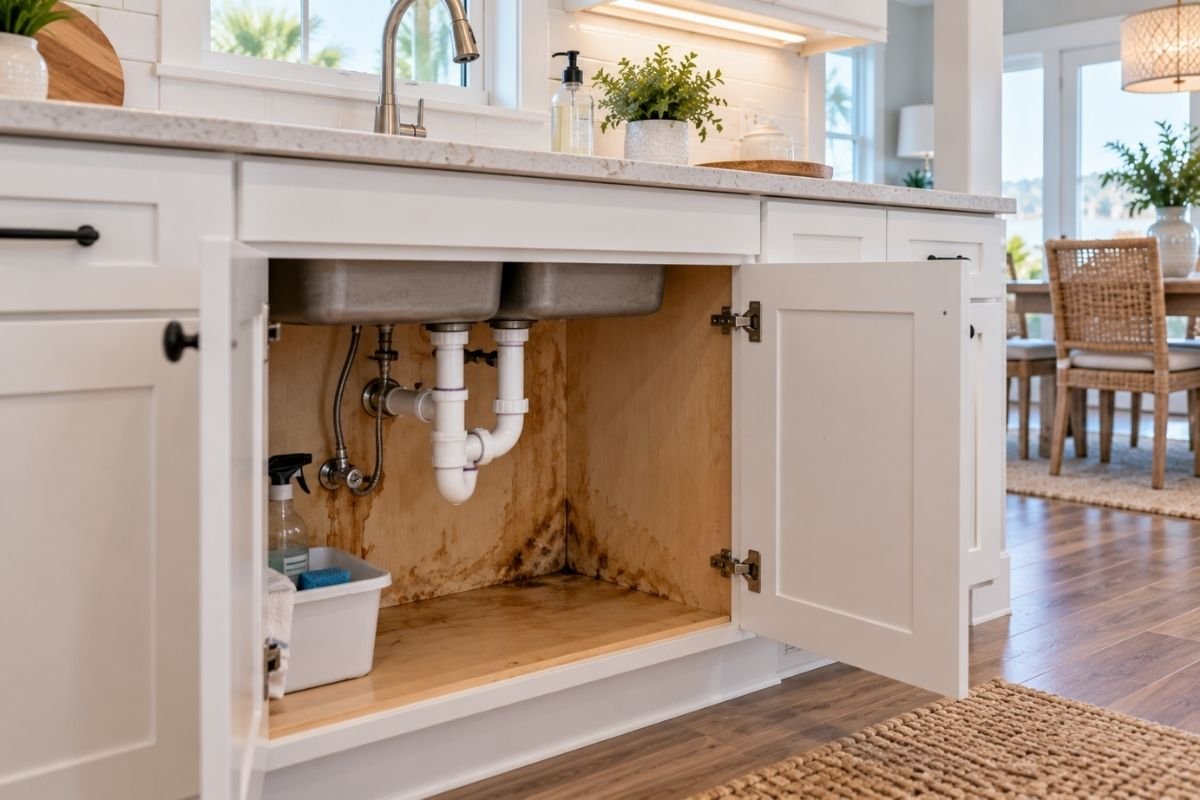
Look beneath sinks and around connections for moisture.
Check the toilet base after flushing. Inspect shower controls and nearby surfaces.
Finding an installation issue quickly can prevent prolonged water exposure.
29. Keep Your Main Water Shutoff Accessible
Every homeowner should know where the main water shutoff is located.
This is useful during fixture work and plumbing emergencies.
Individual fixtures may also have local shutoff valves.
Keep important valves accessible and learn how your home’s water can be stopped when necessary.
30. Choose Upgrades Based on Your Home and Lifestyle
There is no single plumbing fixture package that suits every coastal home.
A family home may prioritize durability and easy cleaning. A vacation property may benefit from simple, dependable fixtures. Another homeowner may focus on accessibility or water efficiency.
Start with the way your household uses each room.
Then choose fixtures that support those needs.
Give Your Coastal North Carolina Home a Practical Plumbing Upgrade
Plumbing fixture replacement can do more than update the appearance of a kitchen or bathroom.
The right upgrades can improve everyday function, replace unreliable components, support water efficiency, and make fixtures easier to use.
For coastal North Carolina homeowners, material quality and maintenance also deserve attention. Humidity, moisture, and coastal exposure can influence how fixtures and hardware perform over time.
Whether you are replacing one worn faucet or updating several fixtures during a renovation, careful product selection and proper installation can help create a more reliable and comfortable home.