Electrical Outlet and Switch Problems in Wrightsville Beach, NC Homes
Outlets and switches are easy to overlook because homeowners use them every day without thinking about them. You plug in a charger, turn on a light, or use a kitchen appliance and expect everything to work normally.
However, outlets and switches can wear out, become damaged, or develop problems over time. A loose plug, unreliable switch, or outlet that suddenly stops working may signal that the component needs attention.
For homeowners in Wrightsville Beach, NC, coastal humidity and moisture also make it important to pay attention to electrical components in kitchens, bathrooms, garages, porches, and outdoor areas.
Here are common outlet and switch problems to watch for and situations where professional electrical repair or replacement may be needed.
1. An Outlet That Suddenly Stops Working
A dead outlet does not always mean the receptacle itself has failed.
First, check whether other outlets or lights in the same area have also lost power. A circuit breaker or GFCI device may have tripped.
If normal troubleshooting does not restore power, avoid repeatedly using or testing the outlet.
A qualified electrician can identify the cause.
2. Plugs That Fall Out of the Outlet
A plug should remain securely connected when inserted into a receptacle.
If chargers, lamps, or appliance plugs frequently slip out, the outlet may be worn.
This is more than an everyday annoyance. The receptacle is no longer holding plugs the way it should.
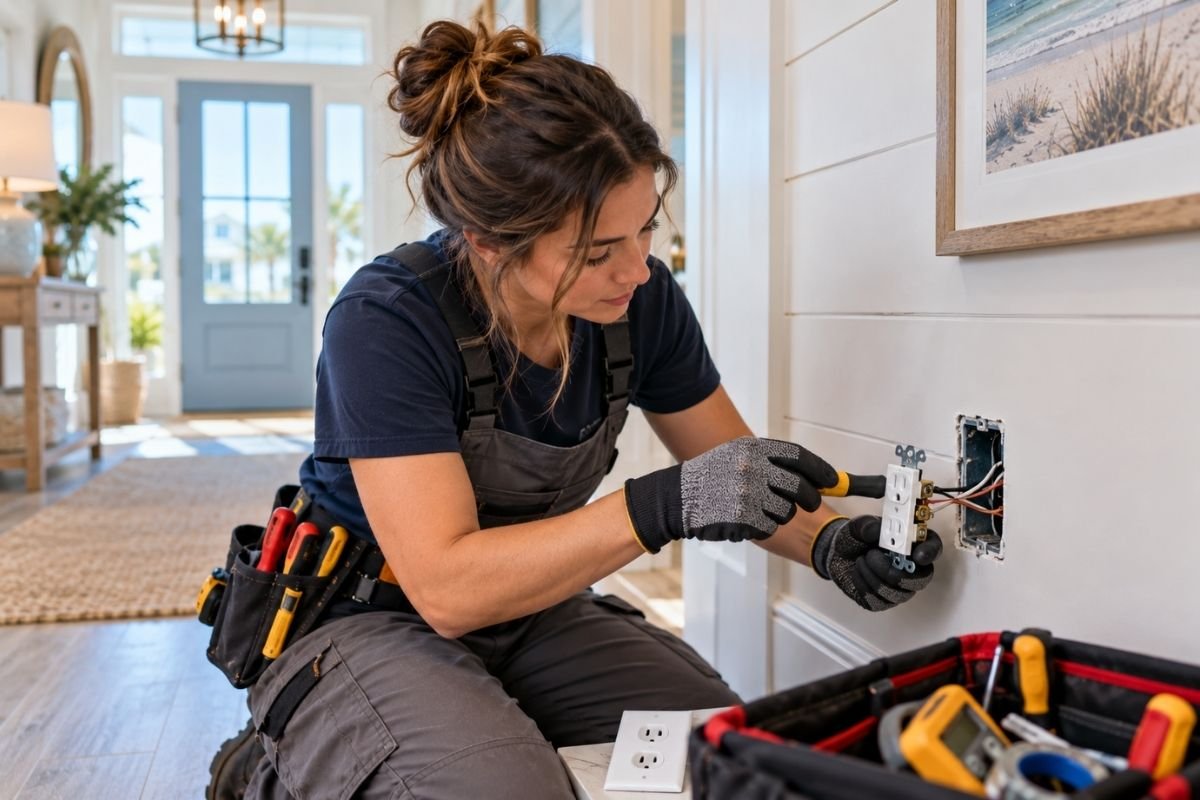
Replacing a worn outlet can restore a secure connection.
3. An Outlet That Moves When You Unplug Something
The receptacle should remain firmly attached to the electrical box.
If the entire outlet moves when a plug is inserted or removed, its mounting may need attention.
Do not keep pushing a loose outlet back into the wall.
Have the mounting and electrical component checked properly.
4. Cracked Outlet Covers
Outlet covers help protect the electrical components behind them.
A small cosmetic mark may not affect operation. A cracked, broken, or missing cover is different.
Replace damaged covers rather than leaving the electrical opening exposed.
If the outlet itself is damaged, replacing only the cover will not correct the problem.
5. Discoloration Around an Outlet
Dark marks or unusual discoloration around a receptacle should never be treated as normal wear.
They can indicate excessive heat or another electrical problem.
Stop using the affected outlet and have it professionally evaluated.
Do not simply install a new decorative cover over the existing component.
6. An Outlet That Feels Unusually Warm
Unexplained heat around an electrical outlet deserves attention.
Stop using a receptacle that becomes unusually hot, especially if you also notice an odor, discoloration, or inconsistent power.
The cause should be identified before the outlet returns to normal use.
Electrical heat problems are not suitable for trial-and-error repairs.
7. Buzzing or Crackling Sounds
Outlets and ordinary wall switches should not make persistent buzzing or crackling sounds.
If you hear an unusual sound when operating a component, stop treating it as a minor inconvenience.
Turn off or avoid using the affected component when it is safe to do so.
Arrange for professional electrical evaluation.
8. Burning or Hot-Plastic Odors
A burning smell near an outlet or switch requires prompt attention.
Do not wait to see whether the odor disappears.
Avoid using the affected electrical component and seek qualified assistance.
If there are signs of an active electrical emergency or fire, follow emergency procedures immediately.
9. A Switch That Works Only Sometimes
A wall switch should turn its connected fixture on and off consistently.
If it only works after several attempts, the switch may be worn or another electrical issue may exist.
Do not make repeated operation part of your normal routine.
Have an unreliable switch evaluated and replaced when appropriate.
10. A Loose Light Switch
A switch can become physically loose with age or use.
The control may wobble, move strangely, or no longer have the same firm action it once had.
These changes can indicate wear.
Replacing the component can restore reliable operation when the switch itself is the problem.
11. A Switch That Feels Different Than Before
Homeowners often notice subtle electrical problems because a familiar component suddenly feels different.
A switch may become difficult to operate or fail to remain in position.
Pay attention to these changes.
A component does not need to stop working completely before it deserves inspection.
12. Switches or Outlets With Visible Damage
Impact, renovation work, moving furniture, and normal wear can damage electrical components.
Cracked receptacles, broken switches, exposed internal parts, and damaged faceplates should be corrected.
Do not continue using a visibly damaged electrical component.
Replacement may be the safest practical solution.
13. Why GFCI Protection Matters
Ground-fault circuit interrupter protection is especially important in locations where electrical equipment may be used near water or moisture.
GFCI devices are designed to interrupt power when certain electrical conditions occur.
They are commonly associated with bathrooms, kitchens, garages, exterior areas, and other appropriate locations.
A qualified electrician can determine whether the protection in your home meets current requirements for the installation.
14. A GFCI Outlet That Trips
A GFCI outlet may trip as part of its protective function.
After the cause has been removed, it may reset normally.
If it trips repeatedly, do not keep resetting it without investigating why.
Repeated operation can signal a problem with connected equipment or the electrical system.
15. A GFCI Outlet That Will Not Reset
A GFCI device that refuses to reset may require professional evaluation.
The device itself may have a problem, or another electrical condition may prevent it from resetting.
Do not bypass or defeat the protective feature.
Have the cause identified correctly.
16. Check Bathroom Outlets
Bathrooms combine electrical equipment with regular moisture.
Inspect visible receptacles for damage, looseness, or unreliable operation.
If an outlet stops working or its protective device repeatedly trips, have the issue checked.
Do not use damaged electrical equipment near sinks or other wet areas.
17. Pay Attention to Kitchen Receptacles
Kitchen outlets support many appliances and devices.
Problems can become especially noticeable when a frequently used receptacle stops working.
Avoid using damaged adapters or questionable extension arrangements as a permanent workaround.
Repair the underlying outlet or circuit problem instead.
18. Inspect Laundry Room Electrical Components
Laundry rooms contain both electrical equipment and water connections.
That makes damaged receptacles, switches, and cords particularly important to address.
If a washing machine connection leaks, consider both the plumbing problem and any nearby electrical equipment.
Keep water away from electrical components and arrange qualified help when needed.
19. Garage Outlets Can Develop Problems Too
Garage receptacles may power tools, chargers, freezers, and other equipment.
Check them if plugs become loose or power becomes unreliable.
Also inspect covers and visible components for physical damage.
Do not assume a garage outlet is less important because it sits outside the main living space.
20. Coastal Outdoor Outlets Need Regular Attention
Exterior electrical components experience conditions that indoor outlets do not.
Wrightsville Beach properties can face humidity, wind-driven rain, and salt carried in coastal air.
Inspect accessible outdoor outlets and their covers for deterioration.
If a component is damaged or no longer protected correctly, have it repaired.
21. Weather Covers Should Remain in Good Condition
Outdoor receptacles rely on appropriate covers and equipment for their location.
A cracked, loose, or missing cover can leave the installation less protected from outdoor conditions.
Do not ignore visible damage.
Use products suitable for the specific outdoor installation.
22. Inspect Electrical Components After Severe Weather
Coastal storms can bring wind, rain, and water into areas that are normally dry.
After severe weather, visually inspect exterior fixtures and outlets when conditions are safe.
Do not touch or attempt to operate electrical equipment that appears wet, damaged, or affected by flooding.
Have questionable equipment professionally evaluated before use.
23. Never Use Wet Electrical Equipment
Water and electricity create a serious hazard.
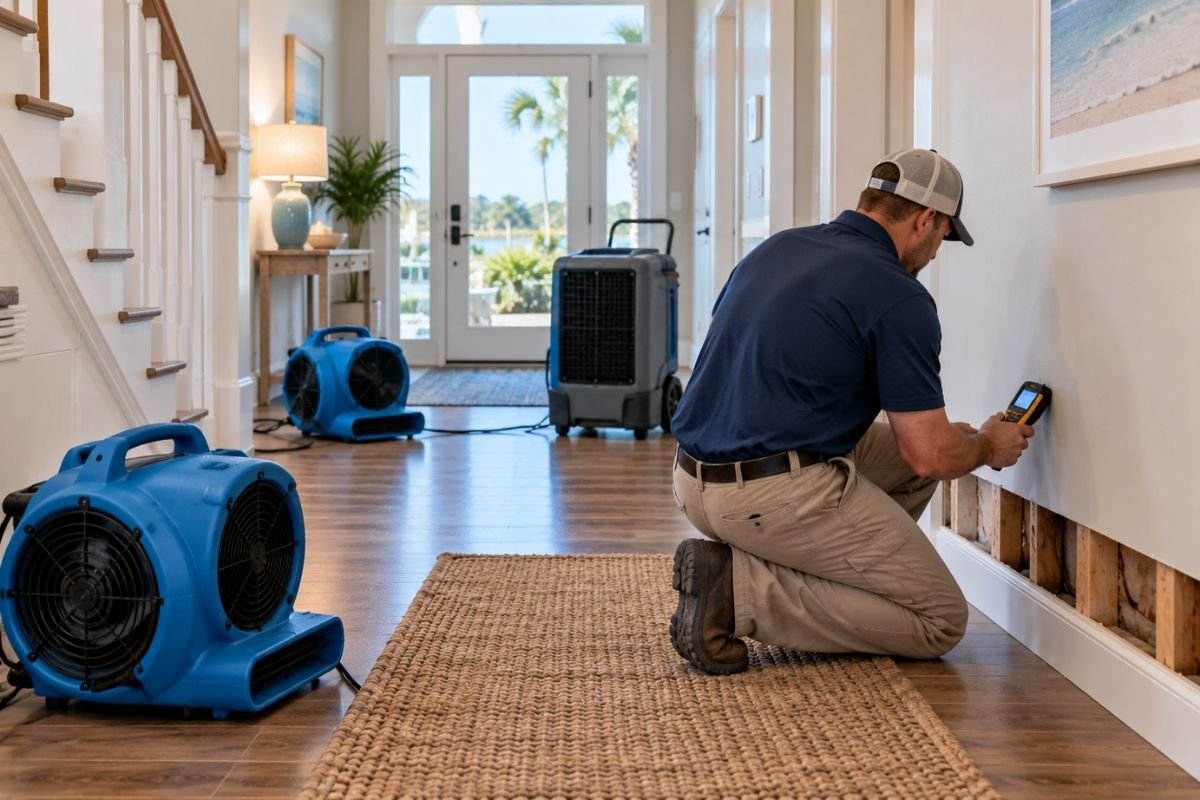
If an outlet, switch, appliance, or electrical fixture has been exposed to significant water, do not assume it is safe once the surface dries.
A qualified professional should determine whether damaged electrical equipment can remain in service.
Keep people away from the affected area when an electrical hazard may exist.
24. Do Not Overlook Exterior Switches
Switches used for porch lights, outdoor fans, or other exterior equipment can also wear out.
If a switch becomes unreliable or physically damaged, address it promptly.
Exterior installations need components suitable for their environment.
Indoor equipment should not simply be substituted where outdoor-rated products are required.
25. Replace Outdated or Damaged Components During Renovations
A renovation provides a convenient time to inspect switches and receptacles in the work area.
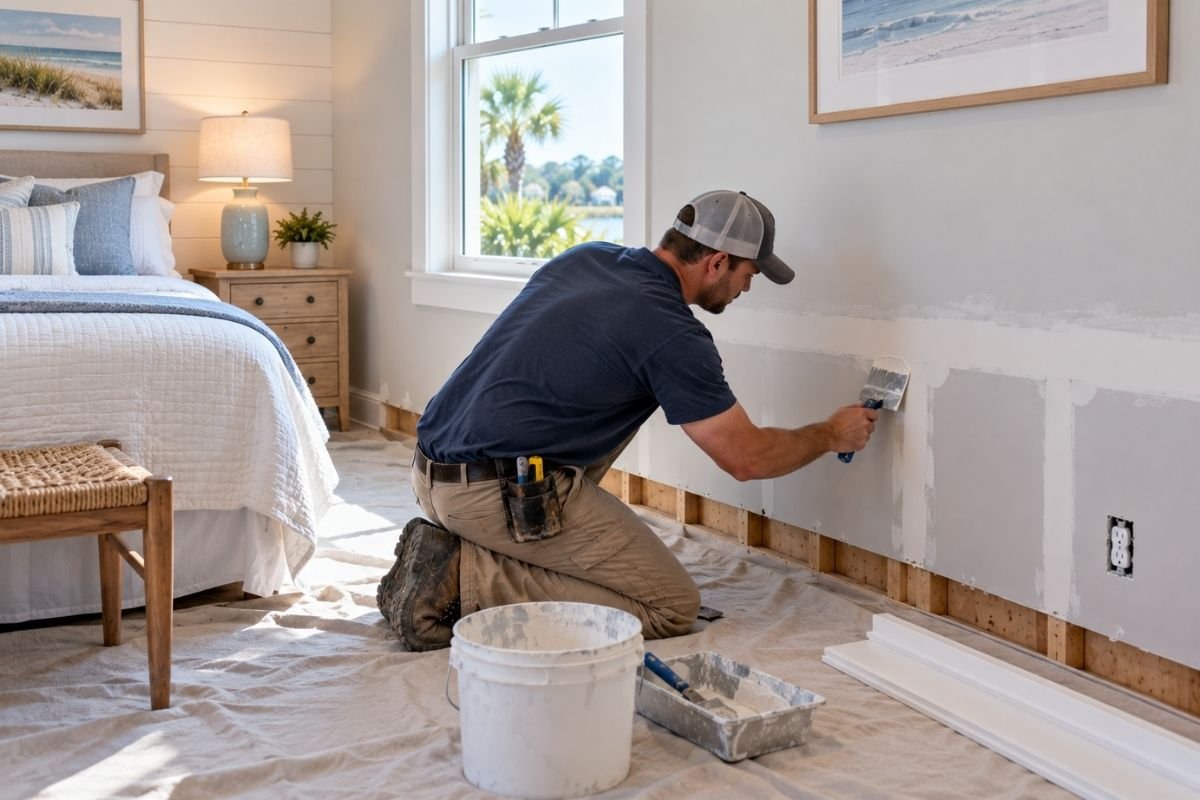
If walls are already being repaired or painted, damaged components can be addressed before final finishes are complete.
This can also improve the finished appearance of the room.
Electrical problems should be corrected before cosmetic work hides the warning signs.
26. New Switches Can Improve Everyday Convenience
Not every switch replacement begins with a failure.
Homeowners may choose updated controls as part of a lighting renovation.
Some rooms may benefit from dimmers or compatible smart controls.
The connected lighting and control need to work together correctly.
27. Choose Components for Their Intended Location
Electrical products are designed for specific applications.
A component suitable for a dry bedroom may not be appropriate for a wet or outdoor environment.
Product ratings and installation requirements matter.
A qualified electrician can help select the correct equipment for the location.
28. Do Not Ignore Electrical Issues During Other Home Projects
Home improvement projects sometimes reveal problems hidden behind fixtures or finished surfaces.
If you discover damaged electrical components during a renovation, address them before closing the area again.
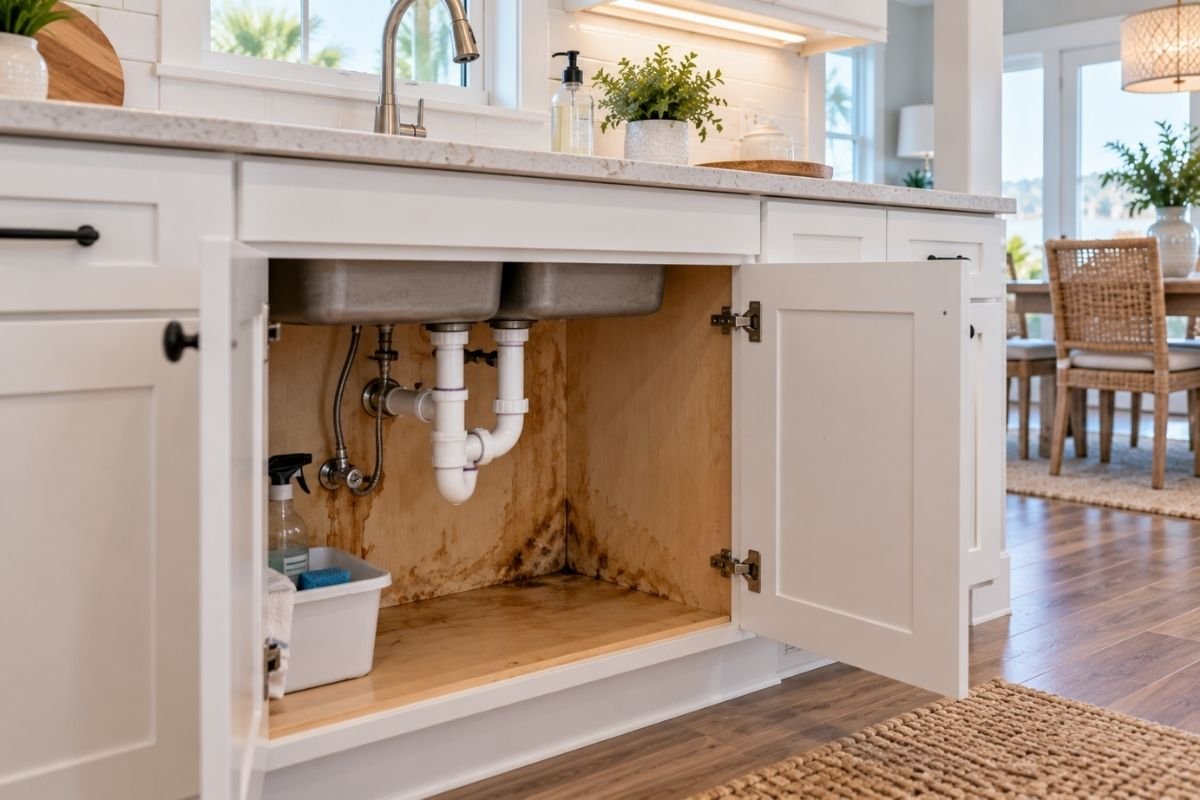
The same principle applies to water problems. Moisture can damage more than the visible finish.
For another coastal home maintenance example, read about common causes of clogged drains in Wrightsville Beach, NC homes.
29. Follow Reliable Electrical Safety Guidance
Electrical repair should be treated differently from ordinary cosmetic maintenance.
The Electrical Safety Foundation International provides home electrical safety information for homeowners.
Professional help is especially important when you notice heat, burning odors, repeated tripping, visible damage, or other signs of an electrical fault.
Do not attempt electrical work beyond your knowledge and experience.
30. Know When Replacement Makes More Sense
Some electrical components can remain reliable for many years.
Others become worn, damaged, loose, or unreliable.
Replacement may be appropriate when an outlet or switch no longer operates correctly or has visible damage.
The underlying electrical condition should still be checked rather than assuming the visible component is the only issue.
Keep Outlets and Switches Reliable in Your Wrightsville Beach Home
Electrical outlets and switches are small parts of a home, but they support activities throughout the day.
Loose plugs, dead outlets, unreliable switches, damaged covers, unusual heat, burning odors, and repeated GFCI trips should not become normal household problems.
For Wrightsville Beach, NC homeowners, outdoor and moisture-prone areas deserve additional attention because coastal conditions can expose electrical components to a demanding environment.
Inspect visible components, respond to changes early, and use qualified electrical professionals when repair or replacement is needed. Correcting a small electrical problem early can help keep your home safer and more dependable.