Common Causes of Clogged Drains in Wrightsville Beach, NC Homes
A clogged drain can interrupt a normal day very quickly. A kitchen sink may stop draining during cleanup. A shower may fill with standing water. In some cases, several fixtures may start acting differently at the same time.
For Wrightsville Beach, NC homeowners, understanding what causes clogged drains can make prevention easier. Coastal living can also introduce sand, dirt, and outdoor debris into a busy home.
Many drain problems develop slowly. Everyday materials enter the plumbing and collect inside the pipes. Eventually, water has less room to move.
Here are some of the most common causes of clogged drains and practical ways to reduce them.
1. Hair Buildup in Bathroom Drains
Hair is one of the most common causes of slow bathroom drains.
Loose hair enters shower, bathtub, and sink drains during everyday use. It can become tangled inside the drain and catch other material.
Soap residue may then stick to the hair. Over time, the blockage becomes larger.
A simple drain screen can catch much of the hair before it enters the plumbing. Clean the screen often so water can continue flowing freely.
2. Soap Residue
Soap can contribute to buildup inside bathroom drains.
Residue may combine with hair, skin particles, and other debris. This mixture can gradually collect along the inside of a drain line.
The drain may still work at first. However, water can begin moving more slowly as the opening becomes narrower.
Regular drain care can help prevent this buildup from becoming a complete blockage.
3. Grease and Cooking Oil
Kitchen drains often develop problems because of grease and cooking oil.
Liquid grease may seem harmless when it is warm. Once it cools inside the plumbing, it can stick to the pipe walls.
Food particles and other debris can then attach to the greasy surface.
Avoid pouring cooking grease down the sink. Allow it to cool and dispose of it properly instead.
4. Food Particles in the Kitchen Sink
Small pieces of food can enter the drain while dishes are being rinsed.
Over time, these particles may collect inside the plumbing or become trapped in existing buildup.
Scrape plates before washing them. A sink strainer can also catch larger pieces before they enter the drain.
These simple habits can reduce unnecessary material inside kitchen plumbing.
5. Coffee Grounds
Coffee grounds should not be treated like a liquid waste product.
They can collect inside drains and combine with grease or other residue.
Dispose of used coffee grounds in the trash or another appropriate location instead of washing them into the sink.
This small change can help protect kitchen drains from unnecessary buildup.
6. Sand From the Beach
Sand is a special concern for many coastal households.
Trips to the beach can bring sand home on feet, towels, swimsuits, toys, surf equipment, and pets.
Some of that material may end up in showers, tubs, sinks, or laundry areas.
Sand can settle in plumbing and combine with other debris. Rinse sandy items outside when possible before bringing them indoors.
7. Beach Gear and Outdoor Debris
Beach equipment can carry more than sand.
Grass, small pieces of vegetation, dirt, and other outdoor debris may stick to coolers, chairs, toys, and footwear.
Rinsing equipment outside can help keep this material away from indoor drains.
Homeowners who frequently return from the beach may also benefit from a dedicated outdoor rinse area.
8. Outdoor Showers Can Reduce Indoor Drain Mess
An outdoor shower can help keep sand and salt outside the home.
People can rinse their feet, swimwear, and beach gear before entering. Pet owners can also clean sandy paws outdoors.
If you are considering one, explore these outdoor shower ideas for Wrightsville Beach, NC properties.
An outdoor shower does not eliminate the need for indoor drain care. However, it can reduce the amount of coastal debris entering the house.
9. Pet Hair
Pets can contribute to drain buildup too.
Bathing a dog indoors can send loose fur, dirt, and sand toward the drain.
Use a suitable drain screen when washing pets. Remove loose hair before it enters the plumbing whenever possible.
For beach-going pets, an outdoor rinse may help keep both sand and fur away from indoor drains.
10. Laundry Debris
Laundry areas handle dirt that comes from clothing, towels, bedding, and other fabrics.
Beach towels can carry sand into the washing machine. Clothing may also contain dirt and small debris.
Shake heavily soiled or sandy items outside before washing them.
This can reduce the amount of debris entering the laundry system.
11. Too Much Material Entering a Garbage Disposal
A garbage disposal can handle certain food scraps, but it does not make every type of kitchen waste safe for plumbing.
Large amounts of food can still create drainage problems.
Fibrous, starchy, greasy, or difficult-to-break-down material may contribute to buildup or restrictions.
Use the disposal carefully and place larger food waste in the trash when appropriate.
12. Foreign Objects
Sometimes a clog is caused by something that should never have entered the drain.
Small objects can fall into sinks or tubs. Children may also accidentally place items where they do not belong.
Drain covers can reduce this risk in certain fixtures.
If an object enters the plumbing, avoid pushing it deeper into the line.
13. Flushing the Wrong Items
Toilets also connect to the home’s drainage system.
Items that do not break down properly can contribute to blockages.
Homeowners should be careful about what they flush. Products labeled for convenience may still behave differently from toilet paper inside plumbing systems.
When in doubt, place non-toilet waste in the trash.
14. Mineral Buildup
Minerals can also affect plumbing over time.
Depending on water conditions and the plumbing system, deposits may form inside certain pipes or fixtures.
This can reduce available space for water to move.
If several plumbing fixtures show unusual flow problems, a professional can help determine whether buildup or another issue is responsible.
15. Older Plumbing
The condition of the plumbing itself can contribute to drainage problems.
Older pipes may have rough interior surfaces, corrosion, damage, or other issues that make it easier for debris to collect.
Repeated clogs in the same area may deserve closer inspection.
Cleaning can address buildup, but damaged plumbing may require a different solution.
16. Tree Root Intrusion
Some drainage problems develop outside the house.
Roots naturally seek moisture. If an underground drain or sewer line has a vulnerable opening, roots may enter and interfere with flow.
This is not a problem that homeowners can solve by cleaning a sink drain.
Recurring backups or problems affecting several fixtures may require professional investigation.
17. A Damaged Drain Line
Not every slow drain is caused by ordinary debris.
A damaged, shifted, or deteriorated pipe can also interfere with drainage.
This is why recurring problems should not always receive the same temporary treatment.
A professional evaluation can help distinguish between a clog and a plumbing repair issue.
18. Poor Drainage Habits
Small habits can create large problems over time.
Pouring grease into the sink, allowing hair to enter the shower drain, and washing large amounts of food debris down the kitchen drain all increase the workload on plumbing.
Changing these habits can reduce future buildup.
Prevention often starts with controlling what enters the drain.
Why Does a Clog Keep Coming Back?
A recurring clog may mean that part of the blockage remains inside the pipe.
A quick fix can sometimes open enough space for water to pass. However, debris may still coat the inside of the line.
New material then catches on the remaining buildup.
The drain becomes slow again, and the cycle repeats.
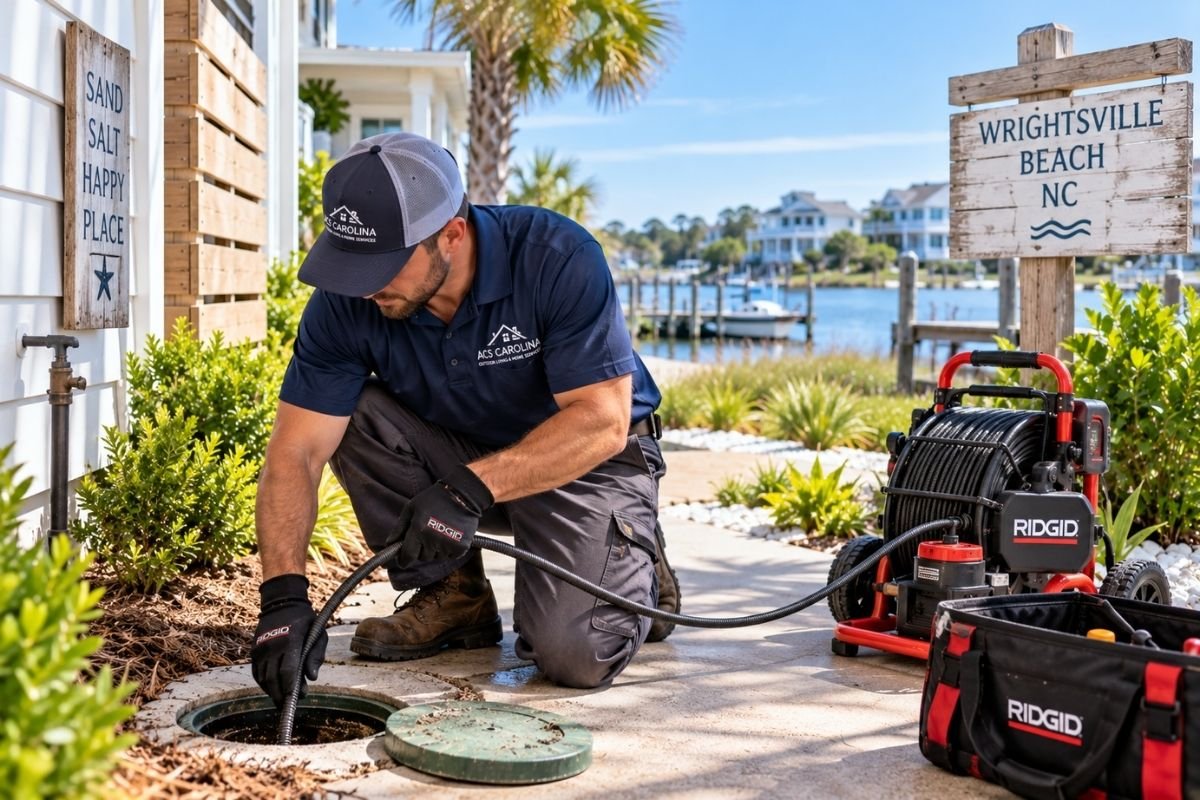
Professional drain cleaning can provide a more thorough approach when the same problem keeps returning.
Watch for Changes in Drain Performance
Your drains can provide warning signs before they stop completely.
Pay attention to slow drainage, standing water, recurring odors, or unusual gurgling sounds.
A sudden change may indicate a developing restriction.
Several affected drains at once can signal a problem deeper in the system.
Do Not Ignore Wastewater Backups
A backup requires more attention than a slightly slow drain.
Stop using affected fixtures if wastewater begins returning through a sink, tub, shower, or other drain.
Adding more water to the system may make the problem worse.
Professional help can identify the location and cause of the blockage.
Can Professional Drain Cleaning Help?
Professional drain cleaning can remove buildup that household methods may not reach effectively.
The right approach depends on the type of clog and its location.
A professional can first evaluate the symptoms. Then, the appropriate equipment can be used to address the restriction.
This approach is especially useful for stubborn or recurring drain problems.
Protect Your Drains With Simple Habits
You can reduce many common drain problems with a few everyday habits.
- Keep cooking grease out of the sink.
- Scrape food from dishes before washing them.
- Use strainers in kitchen sinks where appropriate.
- Use hair screens in showers and tubs.
- Shake sand from towels and clothing before washing them.
- Rinse beach equipment outdoors.
- Keep foreign objects away from drains.
- Pay attention when a drain starts slowing down.
These steps cannot prevent every plumbing problem. However, they can reduce the amount of unnecessary debris entering your drainage system.
Coastal Weather Makes Home Maintenance Important
Wrightsville Beach properties face coastal weather throughout the year.
Heavy rain and tropical weather can create additional water management concerns around a home.
The National Weather Service provides hurricane preparedness guidance for coastal residents.
After significant weather events, pay attention to unusual plumbing or drainage behavior.
Keep Wrightsville Beach Drains Flowing Properly
Many clogged drains begin with ordinary household materials.
Hair, soap, grease, food particles, sand, pet hair, and other debris can gradually restrict water flow. In other cases, recurring clogs may point to a deeper plumbing problem.
Good household habits can reduce unnecessary buildup. Professional drain cleaning can help when a clog becomes stubborn or keeps returning.
For Wrightsville Beach, NC homeowners, taking action when drainage first changes can help prevent a small inconvenience from becoming a much larger plumbing problem.