How Coastal Conditions Affect Paint in North Carolina Homes
Paint does more than give a home color. It also creates a finished surface that faces everyday wear, sunlight, humidity, moisture, and changing weather conditions.
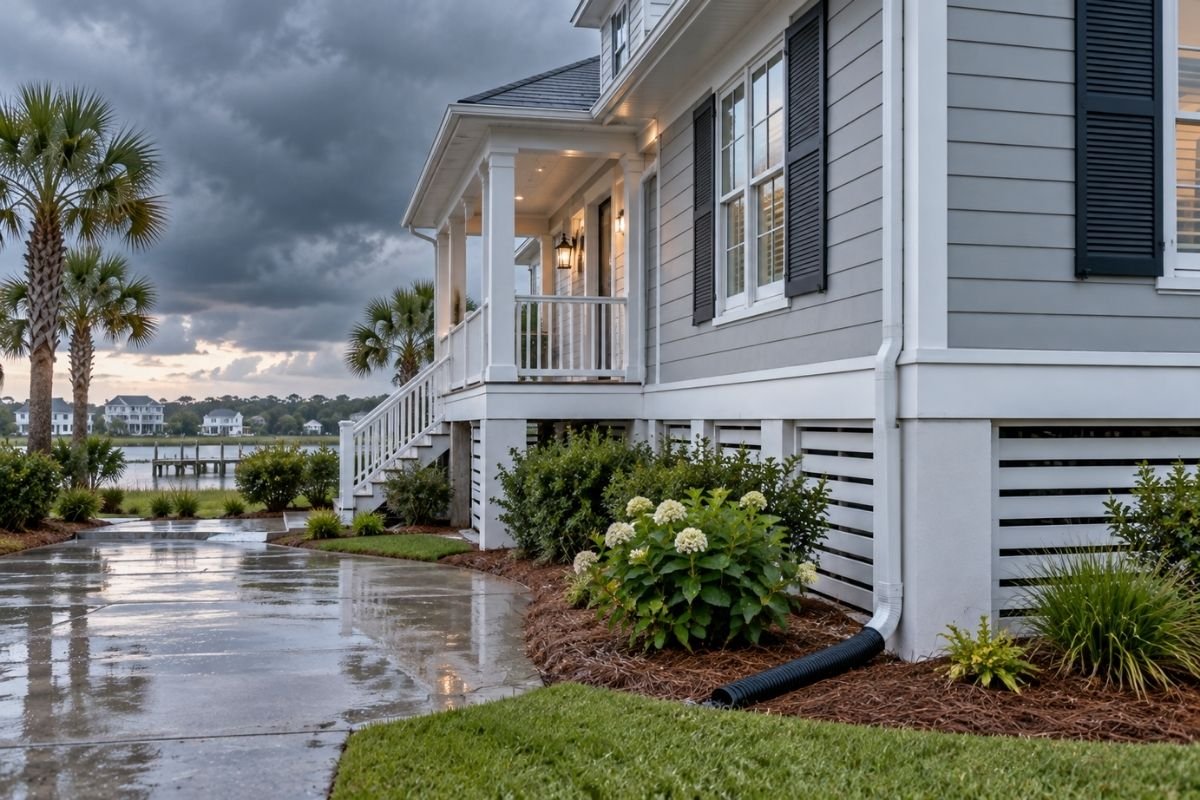
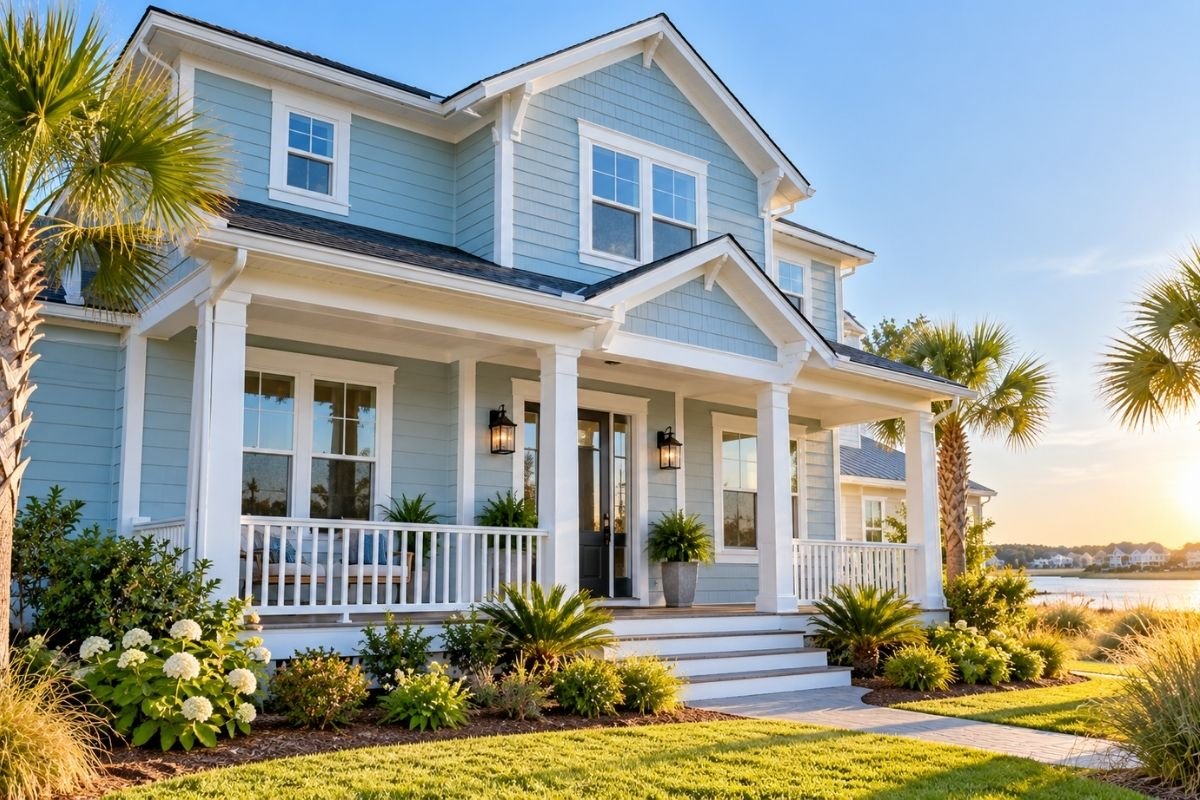
For coastal North Carolina homeowners, those conditions can be especially demanding. Homes near the coast may experience high humidity, strong sunlight, wind-driven rain, and salt carried through the air.
These factors can affect interior and exterior painted surfaces in different ways. Regular inspections, good preparation, and timely repairs can help homeowners keep those finishes looking better over time.
Here are common coastal conditions that can affect residential paint and what homeowners should watch for.
1. Coastal Humidity Can Affect Painted Surfaces
Humidity is a normal part of coastal living.
Indoors, high moisture levels can affect bathrooms, laundry rooms, kitchens, and other areas that already produce humidity.
Outside, painted surfaces regularly face changing weather conditions.
Proper ventilation, surface preparation, and suitable coatings all matter in these environments.
2. Bathrooms Need More Than Fresh Color
A bathroom may look ready for repainting when walls become dull or stained.
However, paint should not be used to hide an ongoing moisture problem.
Check ventilation and investigate recurring peeling, bubbling, or staining first.
Once the underlying issue is resolved, the surface can be prepared for a new finish.
3. Laundry Rooms Can Experience Extra Moisture
Laundry rooms contain both water connections and appliances that may contribute to warm, humid conditions.
Inspect walls around the washing machine and nearby plumbing.
Look for stains, peeling coatings, or changes in the drywall.
Address leaks before repainting the room.
4. Kitchens Need Durable Finishes
Kitchen walls face cooking moisture, cleaning, fingerprints, and everyday activity.
Areas near food preparation surfaces may need more frequent cleaning than walls in a bedroom.
Choose paint products based on the room’s use and the manufacturer’s recommendations.
Good preparation is still essential for a durable result.
5. Salt Air Can Affect Exterior Surfaces
Properties near the ocean may experience salt carried through coastal air.
Salt residue can collect on siding, trim, doors, railings, and other exterior surfaces.
This makes routine exterior inspection and maintenance especially useful.
Follow appropriate cleaning and coating recommendations for the surface material.
6. Strong Sunlight Can Fade Exterior Color
Coastal homes often receive strong direct sunlight.
Over time, ultraviolet exposure can affect the appearance of exterior coatings and colors.
Some sides of the home may weather faster because they receive more sun.
Inspect each elevation rather than assuming the entire exterior ages at the same rate.
7. Dark Exterior Colors May Show Weathering Differently
Deep exterior colors can create striking contrast.
However, color selection should consider the specific material, exposure, and coating system.
Strong sunlight can also make changes in some finishes more noticeable.
Review product guidance before selecting an exterior color.
8. Wind-Driven Rain Can Reach Unexpected Areas
A covered porch or protected wall may remain dry during ordinary rainfall.
Coastal storms can change that.
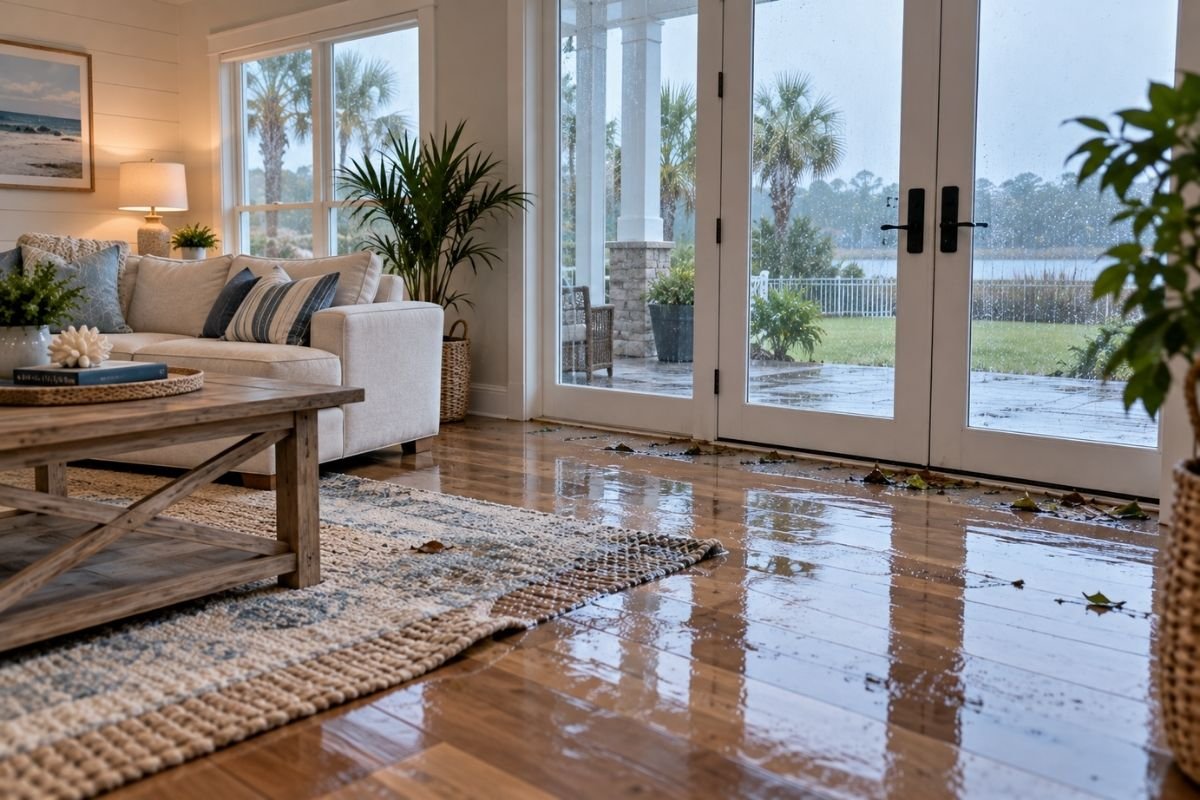
Strong wind may push rain toward doors, windows, trim, soffits, and covered outdoor areas.
Inspect these surfaces after severe weather for new signs of moisture or coating damage.
9. Peeling Exterior Paint Needs Investigation
Peeling paint is more than a color problem.
The coating may have lost adhesion because of age, moisture, surface condition, or another factor.
Applying new paint over loose material will not create a stable finish.
Determine the cause and prepare the surface before repainting.
10. Bubbling Paint Can Signal Moisture
Blisters or bubbles may appear when a coating loses its bond with the underlying surface.
Moisture is one possible contributor.
Do not simply puncture the bubble and cover it with new paint.
Investigate the condition underneath first.
11. Cracked Paint Can Allow Further Deterioration
Small cracks in an exterior coating may become more noticeable over time.
Inspect cracked areas and the material beneath them.
Surface preparation may involve removing unstable coatings and correcting damaged substrate.
The exact repair depends on the material and its condition.
12. Exterior Wood Needs Regular Attention
Wood trim and other painted wood components deserve close inspection in a coastal environment.
Look for peeling paint, open joints, softness, cracking, or visible deterioration.
Do not assume a new coat of paint can restore damaged wood.
Repair deteriorated material before refinishing it.
13. Check Window Trim Carefully
Window trim is exposed to both weather and transitions between different building materials.
Inspect painted surfaces around windows for cracking, peeling, gaps, or staining.
Changes can indicate that maintenance is needed.
Address the underlying condition before applying fresh paint.
14. Door Trim Can Weather Faster Than Nearby Walls
Exterior doors receive frequent use and may be exposed to sunlight and rain.
The surrounding trim can also develop chips, cracks, and worn areas.
Inspect the complete entry rather than focusing only on the door.
Repairing and repainting the surrounding trim can refresh the entire entrance.
15. Porch Ceilings Should Be Inspected Too
Covered porch ceilings may seem protected from weather.
However, humidity and wind-driven moisture can still affect them.
Look for peeling paint, staining, mildew-like discoloration, or damaged material.
Identify the cause of unusual changes before refinishing the surface.
16. Railings Receive Heavy Exposure
Painted railings face weather while also receiving frequent physical contact.
Horizontal areas can collect moisture and debris.
Check joints, corners, and other areas where coating damage begins.
Early maintenance may help prevent deterioration from spreading.
17. Exterior Paint Cannot Repair Rotten Wood
Fresh paint can make worn wood look better temporarily, but it cannot restore material that has deteriorated.
Soft or damaged wood needs to be evaluated first.
Replacement or repair may be necessary before painting begins.
A sound surface provides a better foundation for the new coating.
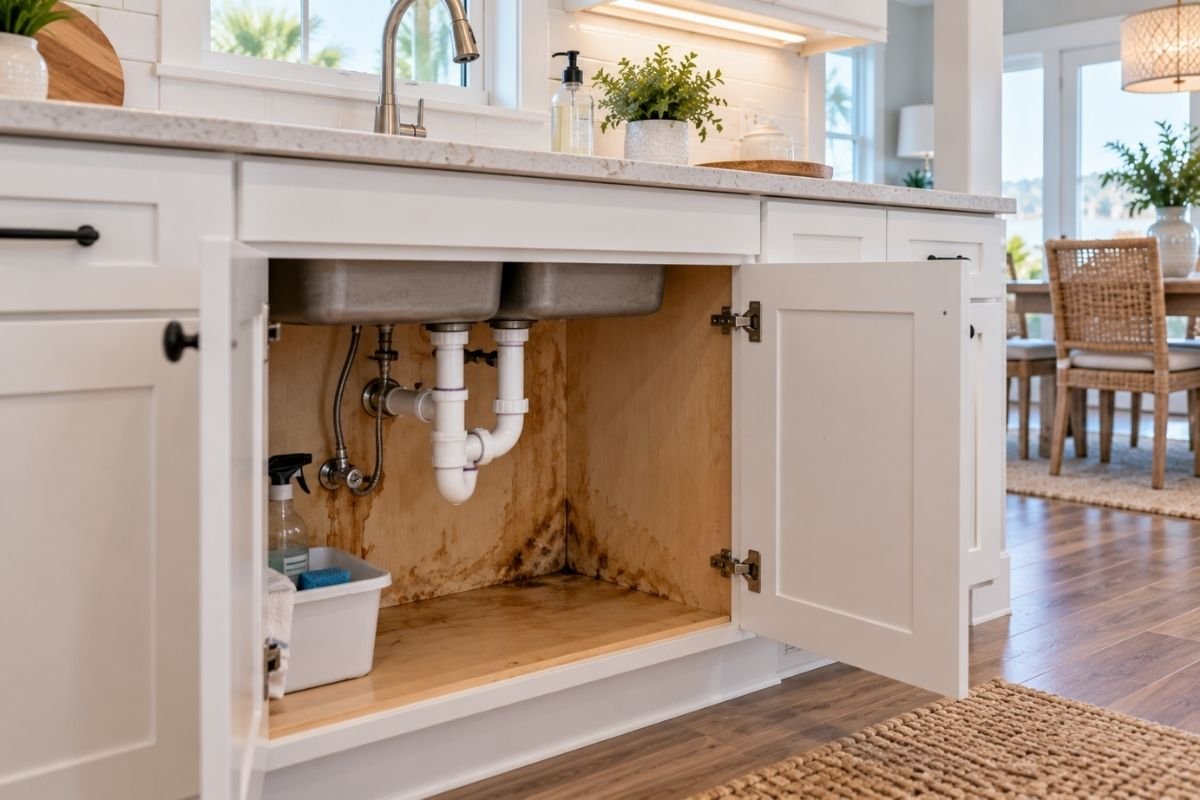
18. Interior Water Stains Need a Source
A stain on an interior wall or ceiling should not automatically become a painting project.
Water may come from plumbing, roofing, windows, or another source.
Find and correct the cause first.
Then determine whether the drywall can be repaired or needs replacement.
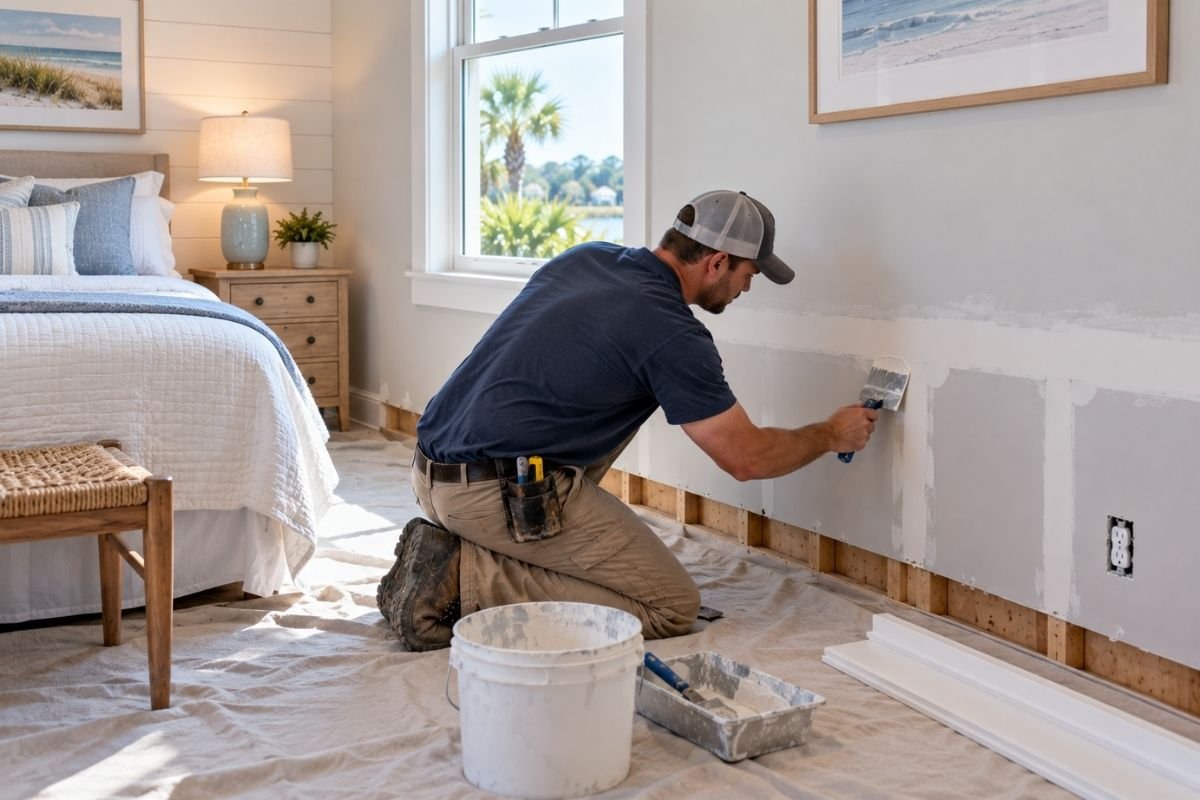
19. Drywall Damage Should Be Repaired Before Painting
Paint cannot hide every surface problem.
Dents, cracks, holes, damaged seams, and rough patches may remain visible beneath a new finish.
Repair and smooth the drywall before applying the final paint.
This creates a cleaner and more consistent result.
20. Coastal Storms Can Create Interior Paint Problems
After a major storm, inspect more than the exterior of the home.
Look inside for new stains, bubbling paint, damp drywall, or discoloration around windows and ceilings.
These changes can reveal water intrusion that is not obvious from outside.
Early investigation may limit additional damage.
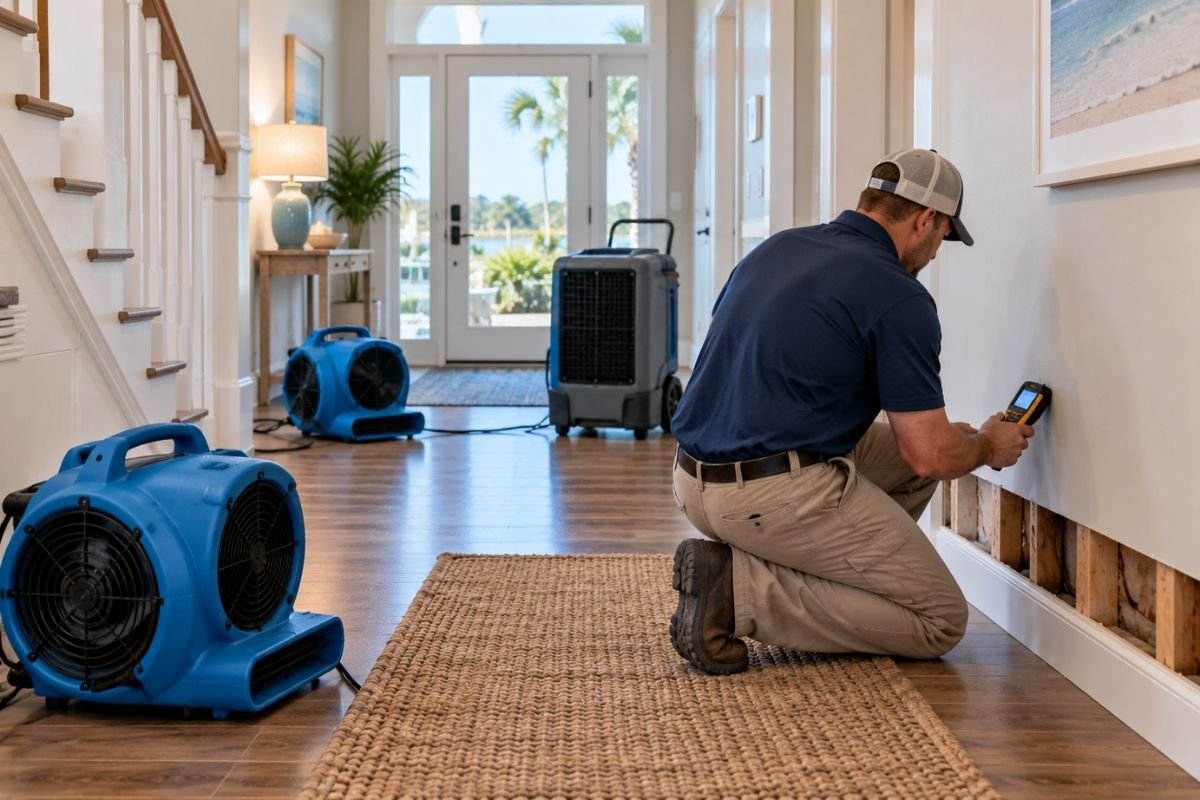
21. Do Not Repaint Damp Surfaces
A wall should be ready for finishing before primer or paint is applied.
Painting over damp material can lead to additional coating problems.
Correct the moisture source and allow appropriate drying first.
Larger water incidents may require professional drying and assessment.
22. Surface Cleaning Matters Before Exterior Painting
Exterior surfaces can collect dirt, dust, salt residue, pollen, and other contaminants.
A coating needs an appropriately prepared surface.
Cleaning methods should suit the material being painted.
Allow the surface to reach suitable conditions before applying primer or paint.
23. Loose Paint Needs to Be Removed
New paint is only as stable as the surface beneath it.
Painting directly over flaking or peeling material can lead to an uneven result.
Unstable coatings need appropriate removal during preparation.
The remaining surface should be sound before refinishing begins.
24. Primer Can Support a Better Finish
Some projects benefit from primer before the finish coats.
Bare materials, repaired areas, stains, and significant color changes may have different preparation requirements.
Use products that are compatible with both the surface and the selected finish paint.
Follow manufacturer instructions for application and drying.
25. Weather Conditions Matter During Exterior Painting
Exterior painting depends on more than finding a day without rain.
Temperature, humidity, surface moisture, wind, and the possibility of changing weather can all affect the project.
Follow the coating manufacturer’s recommended application conditions.
Avoid rushing work when conditions are unsuitable.
26. Allow Enough Drying Time Between Coats
A surface can appear dry before it is ready for another coat.
High humidity may influence drying conditions.
Follow the product’s recoat instructions rather than relying only on appearance.
Proper timing supports a more consistent finish.
27. Choose Exterior Paint for the Surface
Different exterior materials can have different coating requirements.
Wood, masonry, siding, trim, and other surfaces should not automatically receive the same preparation process.
Choose products intended for the material and exposure.
Good product selection begins with understanding the surface.
28. Coordinate Painting With Other Repairs
Painting should often be one of the later stages of a repair project.
Complete necessary plumbing, electrical, drywall, and exterior repairs before final coatings whenever practical.
This reduces the chance of damaging newly painted surfaces.
It also helps create a cleaner finished result.
29. Inspect Outdoor Living Areas While Maintaining Paint
Coastal homes often extend daily living onto porches, decks, and outdoor entertaining areas.
Inspect painted trim, ceilings, doors, and nearby finishes while maintaining these spaces.
If you are planning a larger exterior improvement, explore these outdoor kitchen ideas for coastal North Carolina homes.
Coordinating repairs and finishes can create a more consistent exterior design.
30. Moisture Control Protects More Than Paint
Recurring moisture should never be treated as a cosmetic problem alone.
It can affect drywall, wood, coatings, and other building materials.
The U.S. Environmental Protection Agency explains the importance of moisture control in homes.
Correcting moisture sources before refinishing helps protect the repair itself.
Maintain Painted Surfaces in Your Coastal North Carolina Home
Coastal conditions can be demanding on both interior and exterior finishes. Humidity, strong sunlight, salt air, wind-driven rain, and storms can all contribute to changes in painted surfaces over time.
Routine inspections can help homeowners notice peeling, cracking, staining, damaged drywall, deteriorated wood, and other problems before they become more extensive.
The most important rule is simple: repair the cause before repairing the appearance. Moisture problems, damaged materials, and unstable coatings should be corrected before fresh paint is applied.
With careful preparation, appropriate products, and regular maintenance, paint can continue to protect and refresh a coastal North Carolina home for years to come.