Many seniors want to remain in their own homes as they age. Familiar surroundings, established routines, and the comfort of home often contribute to a higher quality of life. However, maintaining independence can become more challenging when everyday spaces are not designed to accommodate changing mobility and accessibility needs.
The bathroom is one of the most important areas to consider when planning for long-term independence. Aging-in-place bathroom remodeling focuses on creating a safer, more accessible environment that allows seniors to continue using their bathrooms comfortably and confidently.
With thoughtful design and practical upgrades, homeowners can create a bathroom that supports their needs today while preparing for the future.
What Is Aging-in-Place Remodeling?
Aging-in-place remodeling involves modifying a home so that it remains safe, functional, and comfortable as a person grows older. Instead of relocating to an assisted living facility or making major changes later, homeowners proactively adapt their living spaces to meet future needs.
Bathroom remodeling is often one of the most valuable aging-in-place investments because it addresses one of the most frequently used areas of the home.
These upgrades help reduce safety risks while promoting greater independence and convenience.
Why the Bathroom Deserves Special Attention
Bathrooms contain several potential hazards, including wet floors, slippery surfaces, limited support points, and confined spaces. As mobility and balance change over time, these factors can increase the likelihood of accidents.
Creating a safer bathroom environment helps seniors perform daily tasks with greater confidence and reduces dependence on caregivers or family members.
Many aging-in-place upgrades are simple yet highly effective.
Walk-In Showers Make Daily Life Easier
Traditional bathtubs often become difficult to use as mobility changes. Stepping over a high tub wall can increase fall risks and make bathing less comfortable.
Walk-in showers eliminate this obstacle and provide easier access. Many designs feature low-threshold or zero-entry entries that simplify movement into and out of the shower area.
These showers also create a more modern appearance while improving safety.
Built-In Seating Enhances Comfort
Shower seating provides an additional level of comfort and support. Built-in benches and fold-down seats allow seniors to bathe while seated when necessary.
This feature can help reduce fatigue and improve stability during shower use. It also provides peace of mind for individuals who may have concerns about standing for extended periods.
Seating solutions remain one of the most requested aging-in-place bathroom features.
Grab Bars Provide Reliable Support
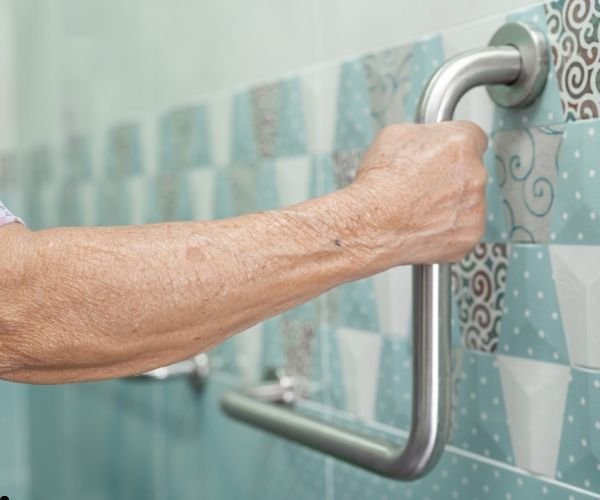
Grab bars help seniors maintain balance and move safely throughout the bathroom. Properly installed support bars offer stability near showers, bathtubs, toilets, and other key areas.
Today’s grab bars are available in stylish finishes that blend seamlessly with modern bathroom designs. Homeowners can improve safety without creating a clinical appearance.
Strategic placement helps maximize both convenience and effectiveness.
Non-Slip Flooring Reduces Fall Risks
Flooring plays an important role in bathroom safety. Wet surfaces can become slippery, increasing the risk of accidents.
Slip-resistant flooring materials provide improved traction and help create a safer environment. Popular options include textured porcelain tile, luxury vinyl flooring, and specialized safety flooring products.
Choosing the right flooring helps support confident movement throughout the room.
Comfort-Height Toilets Improve Accessibility
Comfort-height toilets sit slightly higher than traditional models, making them easier to use for individuals with limited mobility or joint discomfort.
The additional height reduces the effort required to sit down and stand up. When combined with nearby grab bars, these fixtures provide even greater support.
This simple upgrade can make a significant difference in daily comfort.
Wider Doorways Improve Accessibility
Narrow bathroom doorways can create challenges for individuals using walkers, wheelchairs, or other mobility devices. Expanding door openings improves accessibility and allows easier movement throughout the home.
Even homeowners who do not currently use mobility aids often choose wider doorways as part of a long-term aging-in-place strategy.
Planning ahead helps reduce the need for future renovations.
Better Lighting Improves Safety
Proper lighting is essential for bathroom safety. Dark areas and poor visibility can increase the risk of trips and falls.
Modern remodeling projects often incorporate layered lighting that includes overhead fixtures, vanity lighting, and motion-activated night lights.
Improved visibility helps seniors navigate the bathroom more comfortably at any time of day.
Easy-to-Reach Storage Solutions
Accessible storage helps seniors avoid unnecessary bending, stretching, and reaching. Well-designed cabinetry and shelving keep everyday items within easy reach.
Popular storage improvements include pull-out drawers, recessed niches, floating shelves, and custom vanity organizers.
Convenient storage contributes to both safety and functionality.
Increasing Long-Term Home Value
Aging-in-place upgrades not only improve daily living but can also enhance property value. Many homebuyers appreciate accessibility features because they provide flexibility for future needs.
Modern accessible bathrooms often appeal to a wider range of buyers while offering practical benefits for current homeowners.
These improvements represent both a lifestyle investment and a property improvement.
Professional Remodeling Makes a Difference
Proper installation is essential for accessibility features to function safely and effectively. Grab bars, flooring systems, shower components, and structural modifications should be completed by experienced professionals.
Many homeowners rely on home accessibility improvement services to help ensure remodeling projects meet safety and performance expectations.
Quality workmanship helps maximize the long-term value of the renovation.
Learning More About Aging in Place
Homeowners interested in planning for the future can explore aging in place resources to learn more about creating safer and more accessible living environments.
Understanding available options helps homeowners make informed decisions about long-term home improvements.
Final Thoughts
Aging-in-place bathroom remodeling allows seniors to remain independent, comfortable, and safe within their own homes. Features such as walk-in showers, grab bars, non-slip flooring, improved lighting, and accessible storage create a bathroom that adapts to changing needs.
By investing in thoughtful upgrades today, homeowners can enjoy greater confidence, improved safety, and a higher quality of life for years to come. Aging-in-place remodeling is more than a renovation—it is a proactive step toward maintaining independence and comfort at home.