How Professional Drain Cleaning Helps Protect Coastal North Carolina Homes
Plumbing problems can quickly disrupt life at home. A clogged kitchen sink can interrupt meal preparation. A blocked shower can leave standing water behind. A serious backup can create an even larger cleanup problem.
For coastal North Carolina homeowners, professional drain cleaning can play an important role in routine home care. It can remove troublesome buildup, improve water flow, and help address recurring drainage problems before they become more disruptive.
Coastal living can also introduce sand, dirt, pet hair, and outdoor debris into the home. Combined with normal household waste, these materials can place extra demands on drains.
Understanding how professional drain cleaning works can help homeowners know when it may be time to schedule service.
Drain Problems Often Start Small
Many clogged drains develop gradually.
A thin layer of residue may begin collecting inside a pipe. Hair, soap, grease, food particles, and other debris can then attach to that buildup.
Water still moves through the line, so the problem may go unnoticed.
As the opening becomes smaller, drainage starts to slow. Eventually, the pipe may become severely restricted.
Professional Cleaning Goes Beyond the Drain Opening
Homeowners can often remove visible hair or debris from the top of a drain.
However, the actual restriction may sit farther inside the plumbing system.
Professional drain cleaning allows a technician to address buildup beyond the fixture opening. The exact method depends on the location and nature of the problem.
This can be especially useful when the same drain keeps slowing down or clogging again.
It Can Restore Better Water Flow
A restricted drain forces water through a smaller opening.
This is why a sink, shower, or bathtub may take longer to empty.
Removing buildup can create a clearer path through the affected section of plumbing. Water can then move more freely.
Improved drainage can make everyday household routines easier and more reliable.
It Can Address Recurring Clogs
A clog that repeatedly returns may indicate that debris remains inside the line.
A quick fix can sometimes create a temporary opening. Water starts flowing, but part of the obstruction stays behind.
New material can collect around that remaining buildup.
Before long, the same fixture begins draining slowly again.
Professional cleaning can provide a more thorough approach to recurring restrictions.
It May Help With Persistent Drain Odors
Drain buildup can sometimes create unpleasant smells.
Kitchen plumbing may collect food residue and grease. Bathroom drains can hold hair, soap, and other organic material.
Cleaning only the visible surface may not remove material deeper inside the line.
If an odor keeps returning, professional drain cleaning may help address buildup that contributes to the smell.
It Can Reduce the Risk of Complete Blockages
A slow drain can eventually become a blocked drain if buildup continues.
Once the line becomes severely restricted, normal water use may no longer be possible.
That can leave a sink full of water or a shower that will not drain.
Addressing persistent slow drainage before the pipe closes completely can help avoid this inconvenience.
Drain Cleaning Can Help Prevent Messy Backups
A backup is more disruptive than a slow drain.
Water may return through a sink, shower, bathtub, or another fixture when it cannot move normally through the system.
If water overflows, nearby floors, cabinets, drywall, or other finishes may also be affected.
Taking recurring drainage symptoms seriously can help homeowners act before the situation reaches this stage.
Coastal Homes Often Deal With Sand
Sand is part of everyday life for many coastal North Carolina households.
It can come home on feet, swimsuits, beach towels, toys, chairs, surf equipment, and pets.
Some of that sand may reach showers, tubs, laundry areas, and other drains.
Shake sandy items outside before bringing them indoors. Rinse beach equipment outdoors when practical.
These habits can reduce the amount of coastal debris entering household plumbing.
Outdoor Showers Can Help Keep Sand Outside
Many coastal homeowners add an outdoor shower or rinse station for convenience.
It gives family members and guests a place to remove sand and salt before entering the house.
Pets and beach equipment can also be rinsed outside.
If you are considering this improvement, explore the benefits of adding an outdoor shower to a coastal North Carolina home.
Reducing the amount of sand brought indoors can also support easier drain maintenance.
Kitchen Drains Need Special Attention
Kitchen sinks handle food preparation and cleanup every day.
Grease and cooking oil can create problems when they enter the drain. As grease cools, it may stick to the inside of the pipe.
Food particles can then collect around it.
Keep grease and oil out of the sink whenever possible. Scrape dishes before washing them and use a suitable strainer to catch larger particles.
Bathroom Drains Collect Hair and Soap
Bathroom plumbing faces a different type of buildup.
Hair can become tangled inside drains. Soap residue and other material can then attach to it.
A shower may slowly begin holding more water during use.
Drain screens can catch much of the loose hair before it enters the pipe. Clean them regularly for the best results.
Laundry Can Bring Coastal Debris Into the Plumbing
Beach towels and clothing can carry surprising amounts of sand.
Placing heavily sandy items directly into the washing machine sends that debris into the laundry system.
Shake towels, clothing, and other items outside first.
This simple habit can reduce unnecessary debris and make cleanup easier.
Professional Service Can Help Identify the Type of Problem
Not every drainage problem has the same cause.
Some restrictions come from ordinary household buildup. Others may involve foreign objects, damaged plumbing, roots, or another issue.
A professional can consider the symptoms before deciding how to address the problem.
This matters when drain cleaning alone may not be the correct solution.
Several Slow Drains Deserve Attention
One slow fixture may indicate a localized restriction.
Several slow fixtures can suggest a problem farther inside the drainage system.
For example, a homeowner might notice changes in a shower, sink, and toilet around the same time.
Do not assume that several simultaneous problems are unrelated.
A professional evaluation can help determine where the issue may be located.
Gurgling Can Provide Another Warning
Unusual plumbing sounds can accompany drainage problems.
You may hear bubbling or gurgling after using a sink, shower, toilet, or washing machine.
These sounds can occur when air and water do not move normally through part of the system.
Recurring noises deserve more attention when they appear with slow drains or backups.
Drain Cleaning Is Not the Same as Drain Repair
Cleaning addresses debris and buildup inside a drain line.
Repair addresses physical problems with the plumbing itself.
A damaged or deteriorated pipe may continue causing trouble even after debris is removed.
This is another reason recurring problems should receive proper evaluation rather than repeated temporary treatment.
Good Drain Habits Still Matter After Cleaning
Professional cleaning does not mean homeowners can ignore what enters their drains.
Good habits can help keep the plumbing working properly afterward.
- Keep cooking grease and oil out of kitchen drains.
- Use sink strainers where appropriate.
- Catch hair before it enters showers and tubs.
- Shake sand from towels and clothing outdoors.
- Rinse beach equipment before bringing it inside.
- Keep foreign objects away from drains.
- Pay attention when drainage begins to slow.
Small preventive steps can reduce the amount of material entering the plumbing system each day.
Drain Care Can Help Protect Finished Areas
Plumbing problems do not always stay inside the pipe.
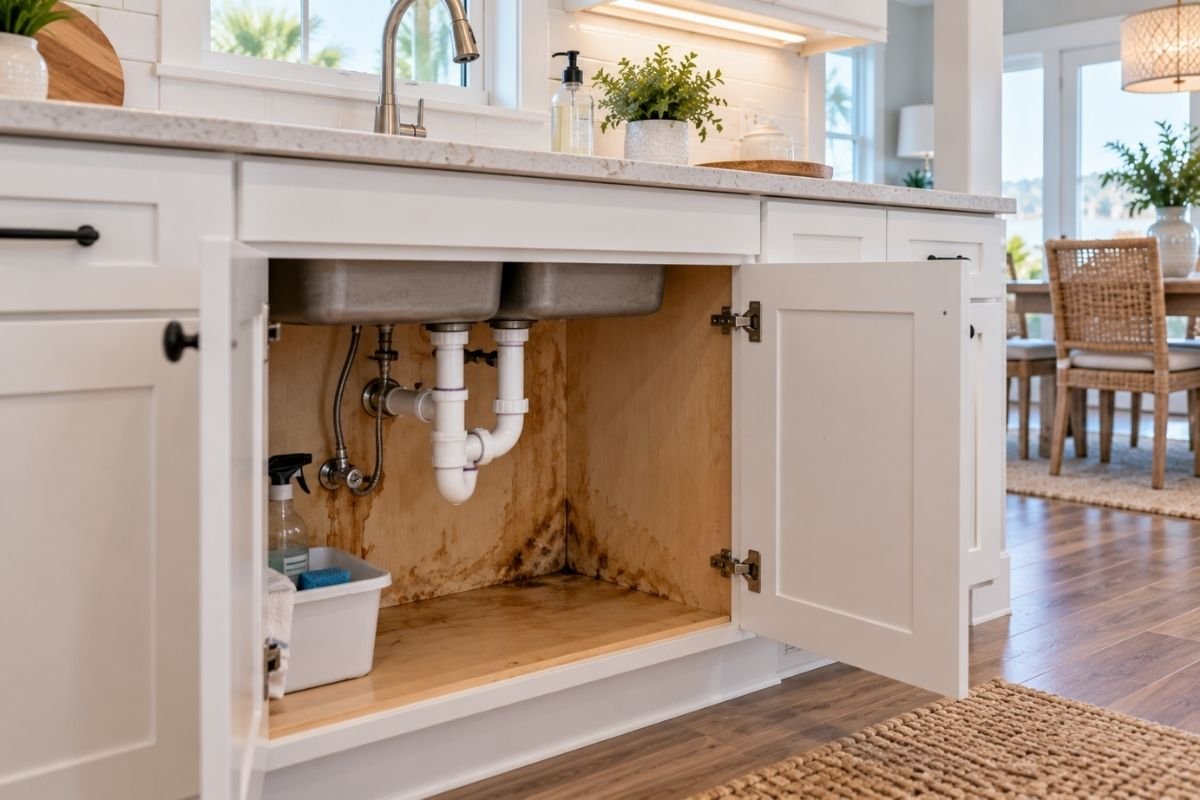
An overflowing sink or backed-up fixture can expose cabinets, flooring, walls, and nearby finishes to water.
This can turn a drainage problem into a larger home repair project.
Keeping drains functioning properly is one way to reduce avoidable water problems inside the home.
Coastal Weather Adds Another Reason to Stay Prepared
North Carolina’s coast can experience heavy rain and tropical weather.
Homeowners should keep an eye on plumbing, exterior drainage, and other water management systems throughout the year.
The National Weather Service provides flood safety information that can help coastal residents prepare for periods of heavy rainfall.
After major storms, watch for changes in drainage or unusual water around the property.
When Should You Consider Professional Drain Cleaning?
You do not need to wait until a drain stops completely.
Professional cleaning may be worth considering when you notice:
- Recurring slow drains
- Frequent clogs in the same fixture
- Standing water in showers or tubs
- Persistent drain odors
- Gurgling or bubbling sounds
- Several drains slowing at once
- Water backing up into another fixture
The sooner you understand the cause, the easier it may be to prevent further disruption.
Protect Your Coastal North Carolina Home With Better Drain Care
Drains are easy to overlook when they work properly. However, they become impossible to ignore when water stops moving.
Professional drain cleaning can help remove buildup, restore better flow, and address recurring clogs. It can also help homeowners respond to drainage problems before they lead to more disruptive backups.
For coastal North Carolina homes, prevention matters too. Keep grease, hair, sand, food residue, and unnecessary debris away from drains whenever possible.
Combining smart household habits with timely professional service can help keep your home’s drainage system working more reliably.