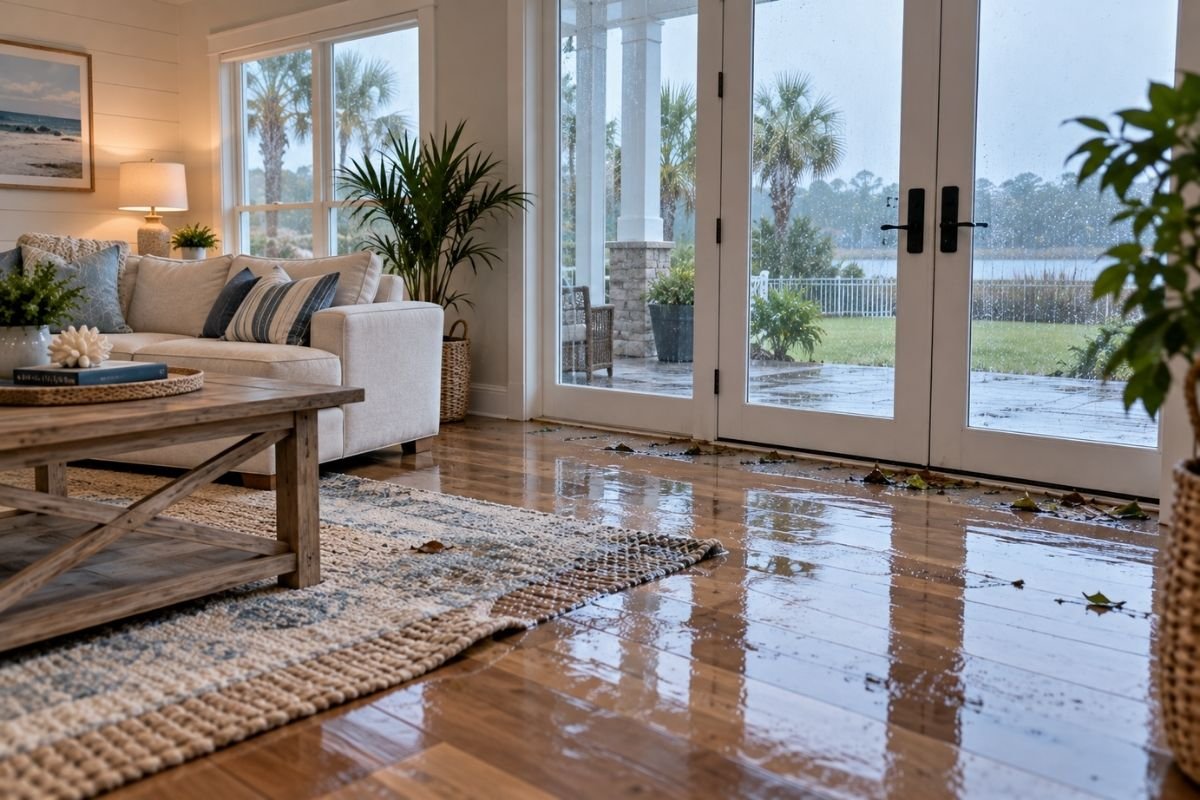
Water damage can affect a home in many ways, but one of the biggest concerns is mold growth. While standing water and damaged materials are often the first things homeowners notice, hidden moisture can create ideal conditions for mold to develop. Once mold begins growing, it can spread quickly throughout a property and become much more difficult to address.
Professional water damage restoration does more than remove visible water. It focuses on identifying moisture, drying affected materials, and restoring the property before mold has an opportunity to develop. Fast action is critical because mold can begin growing within a relatively short period when moisture remains present.
For homeowners in Coastal North Carolina, understanding the connection between water damage and mold growth can help protect both their property and indoor environment.
Why Mold Develops After Water Damage
Mold needs three basic things to grow: moisture, organic materials, and suitable temperatures. Unfortunately, most homes naturally provide the materials mold needs, including drywall, wood, insulation, carpet, and furniture.
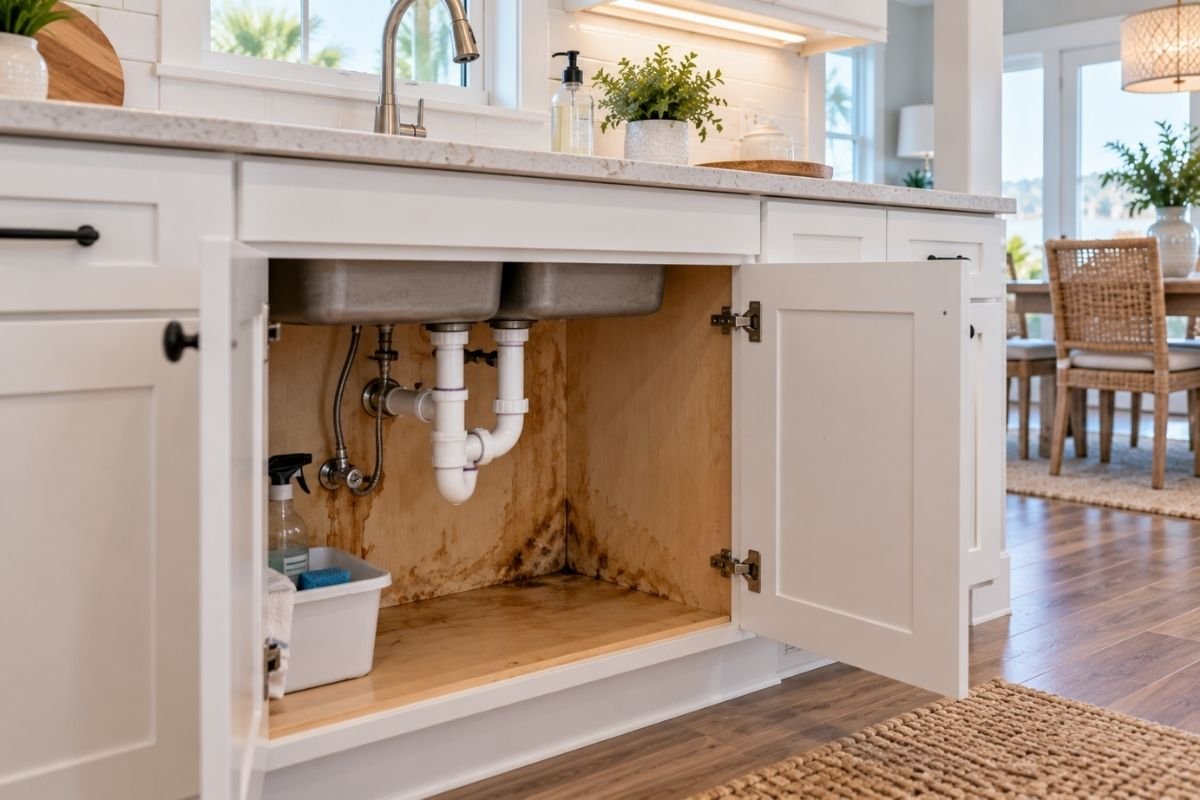
When water damage occurs, moisture becomes available and creates favorable conditions for mold development. Even after visible water disappears, hidden moisture may remain behind walls, beneath flooring, inside cabinets, and within structural materials.
Without proper drying, mold can begin spreading throughout these areas and create larger restoration challenges.
Hidden Moisture Is Often the Biggest Problem
Many homeowners focus on removing standing water but underestimate the amount of moisture that remains trapped within building materials. Water often travels into areas that cannot be easily seen during a visual inspection.
Moisture can become trapped behind drywall, under flooring, inside insulation, and within wall cavities. These hidden areas create ideal environments for mold growth because they often remain damp for extended periods.
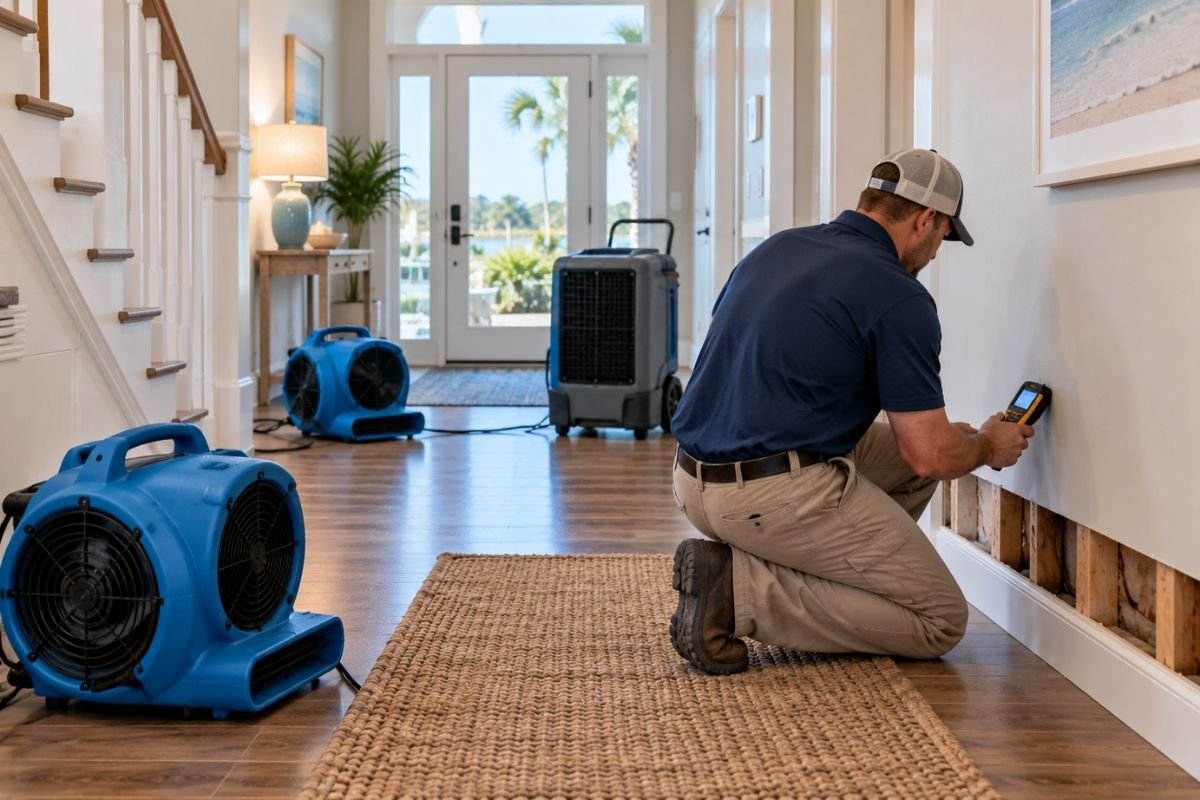
Professional restoration teams use specialized moisture detection equipment to identify affected areas that may not be visible to the homeowner.
Fast Water Removal Reduces Mold Risk
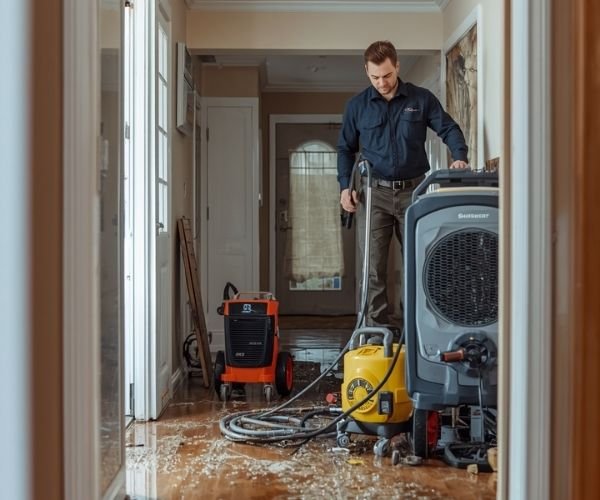
One of the most important parts of professional water damage restoration is rapid water extraction. The sooner excess water is removed, the less opportunity moisture has to penetrate deeper into building materials.
Industrial extraction equipment removes water more efficiently than household tools and helps reduce overall drying time. Quick removal limits damage to floors, walls, furniture, and structural components.
Reducing moisture quickly is one of the most effective ways to prevent mold from developing.
Professional Drying Goes Beyond Surface Moisture
Simply drying visible surfaces is not enough after significant water damage. Moisture often remains hidden inside materials long after the surface appears dry.
Professional restoration teams use commercial-grade air movers, dehumidifiers, and drying systems to remove moisture from deeper areas of the property. These tools help accelerate evaporation and reduce moisture levels throughout the structure.
Thorough drying helps eliminate the conditions mold needs to grow.
Moisture Monitoring Improves Restoration Results
Professional restoration companies do not rely on guesswork. Throughout the drying process, technicians monitor moisture levels using specialized equipment.
These measurements help determine whether materials have reached acceptable drying levels. Monitoring ensures that restoration efforts continue until moisture levels return to normal.
Without proper moisture monitoring, hidden dampness may remain and create future mold concerns.
Removing Damaged Materials When Necessary
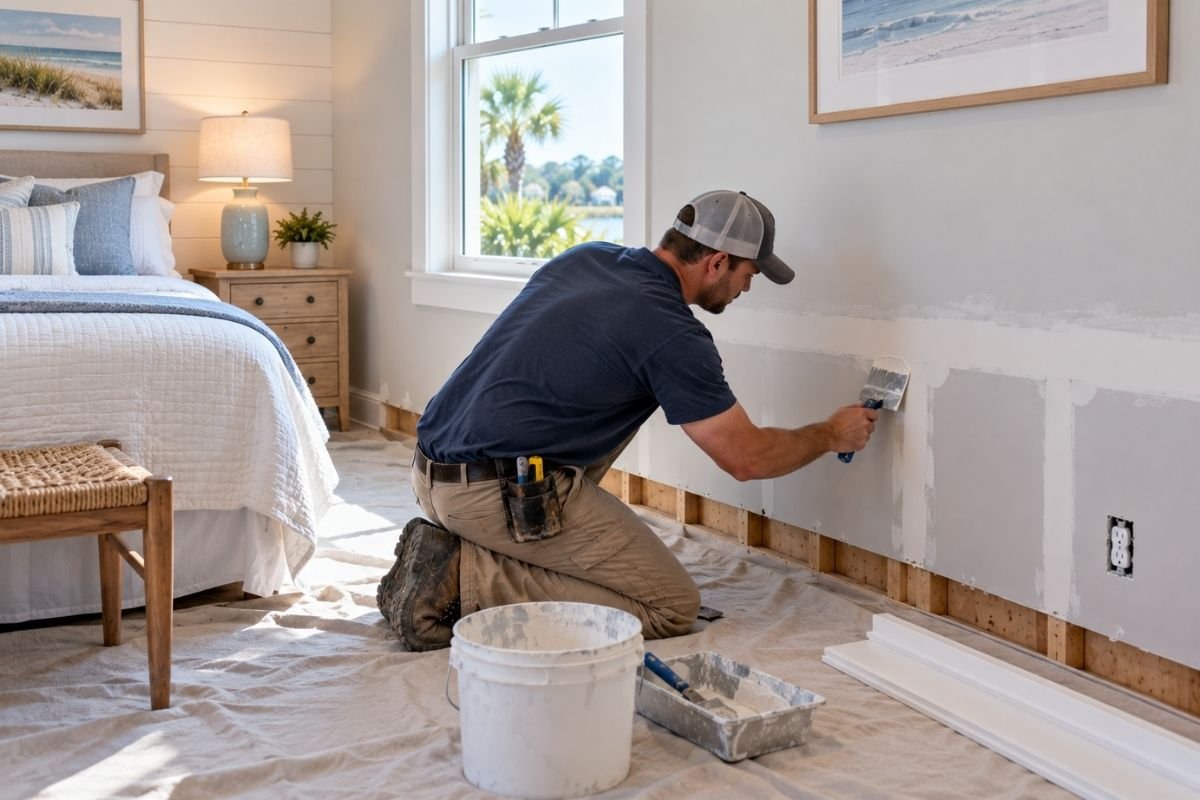
Some building materials cannot be fully restored after significant water exposure. Severely damaged drywall, insulation, flooring, and other materials may require removal and replacement.
Eliminating heavily affected materials helps reduce the potential for mold growth and allows the structure to dry more effectively. Restoration professionals evaluate each situation carefully to determine which materials can be saved and which should be replaced.
Making these decisions early often prevents larger problems later.
Indoor Air Quality Benefits
Mold growth can negatively affect indoor air quality. Even small areas of mold may release particles into the air that can spread throughout a home.
Professional water damage restoration helps maintain healthier indoor conditions by reducing the moisture that supports mold development. Early intervention often prevents mold from becoming an indoor air quality concern.
Protecting indoor air quality is one of the most important long-term benefits of prompt restoration.
Coastal North Carolina Homes Face Additional Challenges
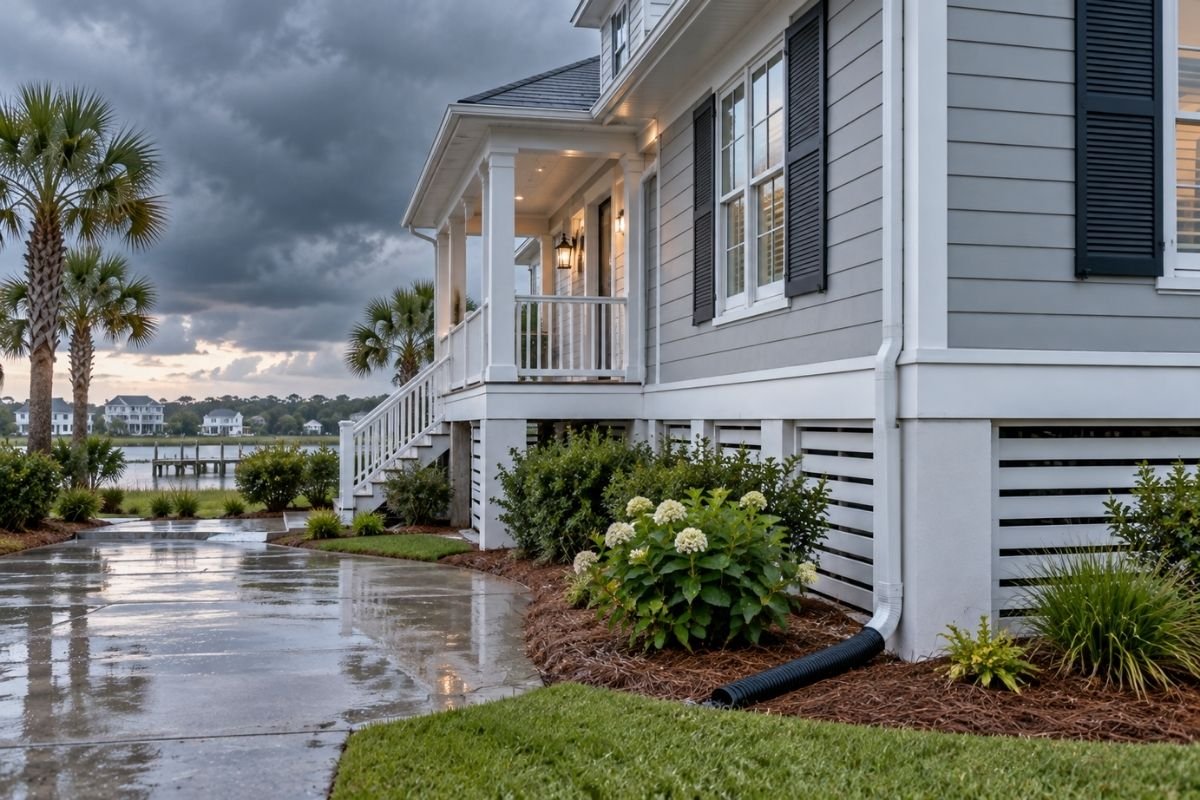
Homes in Coastal North Carolina often experience elevated humidity levels throughout the year. This additional moisture can make drying more challenging after a water damage event.
High humidity may slow natural evaporation and increase the likelihood of moisture remaining trapped within building materials. Professional drying equipment helps overcome these environmental challenges and supports more effective restoration.
For coastal homeowners, fast response becomes especially important when water damage occurs.
Common Sources of Water Damage That Lead to Mold
Many types of water damage can create conditions that support mold growth, including:
- Burst pipes
- Roof leaks
- Appliance failures
- Flooding
- HVAC leaks
- Water heater failures
- Foundation leaks
- Storm-related water intrusion
Regardless of the source, addressing moisture quickly remains the key to preventing mold development.
When Mold Testing May Be Helpful
If water damage remains unresolved for an extended period, homeowners may benefit from additional evaluations. Professional mold testing services can help identify hidden mold concerns and provide valuable information about indoor environmental conditions.
Testing may be particularly useful when homeowners notice musty odors, visible discoloration, or ongoing moisture issues after water damage has occurred.
Combining restoration with appropriate testing can provide greater confidence that the property has been properly addressed.
The Cost of Delaying Restoration
Delaying restoration often increases the overall cost of recovery. Water damage that initially affects a small area can spread into additional building materials if moisture remains present.
Mold growth can further increase repair costs by requiring additional cleanup, material replacement, and remediation efforts. Fast professional restoration helps reduce these risks and limits the extent of damage.
Acting quickly often saves homeowners both time and money.
Using Trusted Mold Resources
Homeowners can learn more about mold prevention and indoor environmental concerns by reviewing EPA mold information. Understanding how moisture contributes to mold growth can help homeowners make informed decisions after water damage occurs.
Education and fast action work together to support healthier indoor environments.
Final Thoughts
Professional water damage restoration plays a critical role in preventing mold growth. By removing water quickly, drying affected materials thoroughly, monitoring moisture levels, and addressing hidden dampness, restoration professionals help reduce the conditions that allow mold to develop.
For Coastal North Carolina homeowners, prompt restoration is especially important because humidity can make moisture problems more difficult to control. Taking action immediately after water damage helps protect the home, preserve indoor air quality, and reduce the risk of costly mold-related issues in the future.