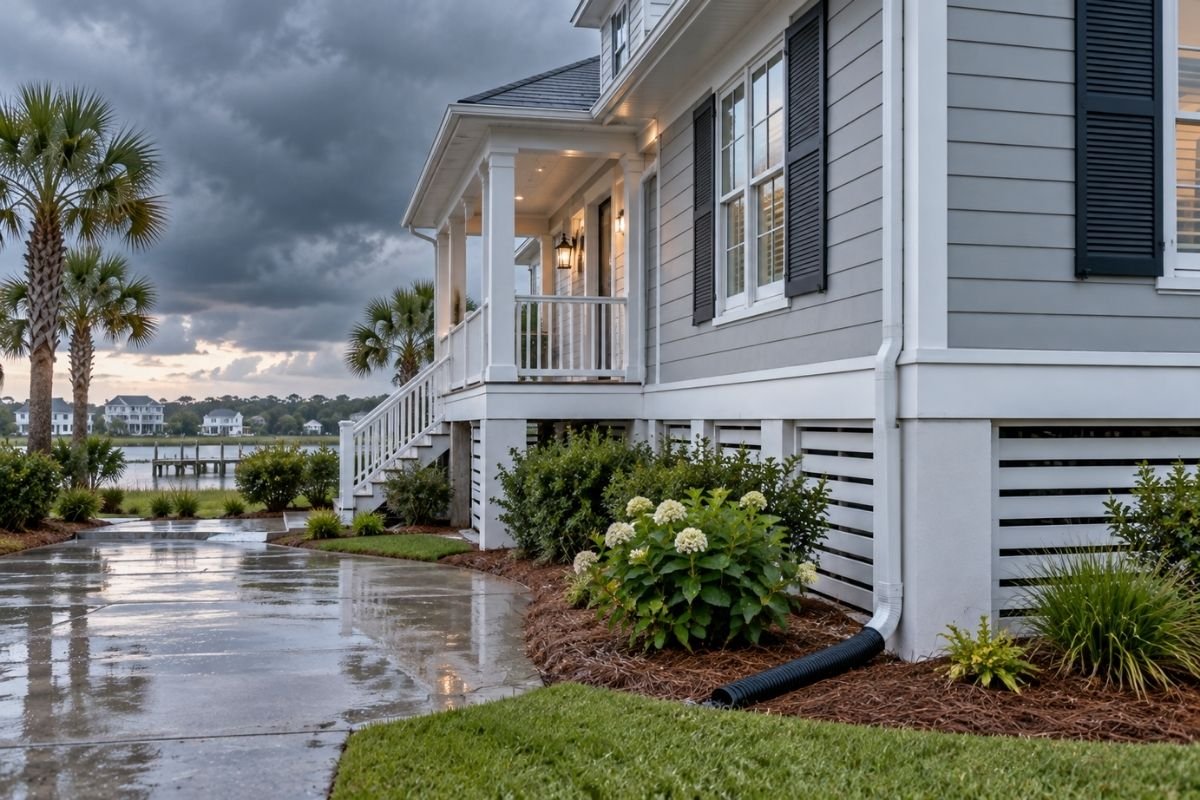
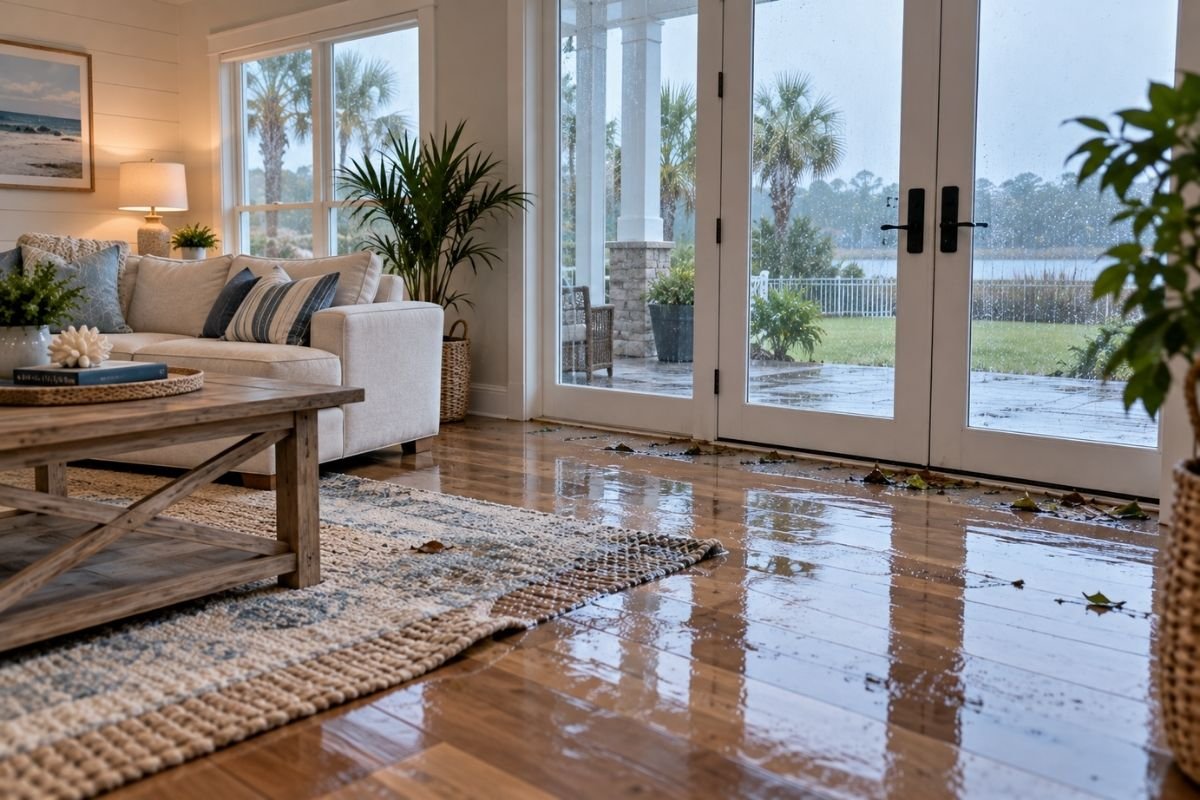
Homes in coastal North Carolina face unique environmental challenges. High humidity, frequent rain, coastal storms, and salt air can create moisture problems inside houses. When moisture remains trapped inside walls, crawl spaces, or ceilings, mold can begin to grow.
Homeowners in Wilmington, Hampstead, Surf City, Topsail Beach, and Wrightsville Beach often experience mold issues due to these conditions. Mold may appear after water damage, plumbing leaks, roof problems, or even long periods of high humidity.
Recognizing the early warning signs of mold growth can help homeowners take action before the problem spreads. Professional mold remediation services remove mold safely and restore healthy indoor conditions.
Why This Service Matters
Mold Can Affect Indoor Air Quality
Mold produces tiny spores that float through the air. When these spores spread throughout the home, they may affect indoor air quality.
Breathing mold spores may cause symptoms such as coughing, sneezing, throat irritation, headaches, or fatigue. People with asthma or allergies may experience stronger reactions.
Professional mold remediation helps eliminate mold growth and improve the air inside the home.
Mold Can Damage Building Materials
Mold feeds on organic materials commonly found in homes. These materials include drywall, wood framing, insulation, carpets, and ceiling tiles.
Over time, mold growth may weaken these materials and cause visible damage. If mold spreads behind walls or beneath floors, repairs may become more costly.
Early remediation prevents further damage and protects the structure of the home.
Common Signs You May Need Mold Remediation
Musty Odors Inside the Home
A persistent musty smell is often one of the first signs of mold growth. Even if mold is not visible, the odor may indicate hidden mold behind walls or under flooring.
Visible Mold Spots
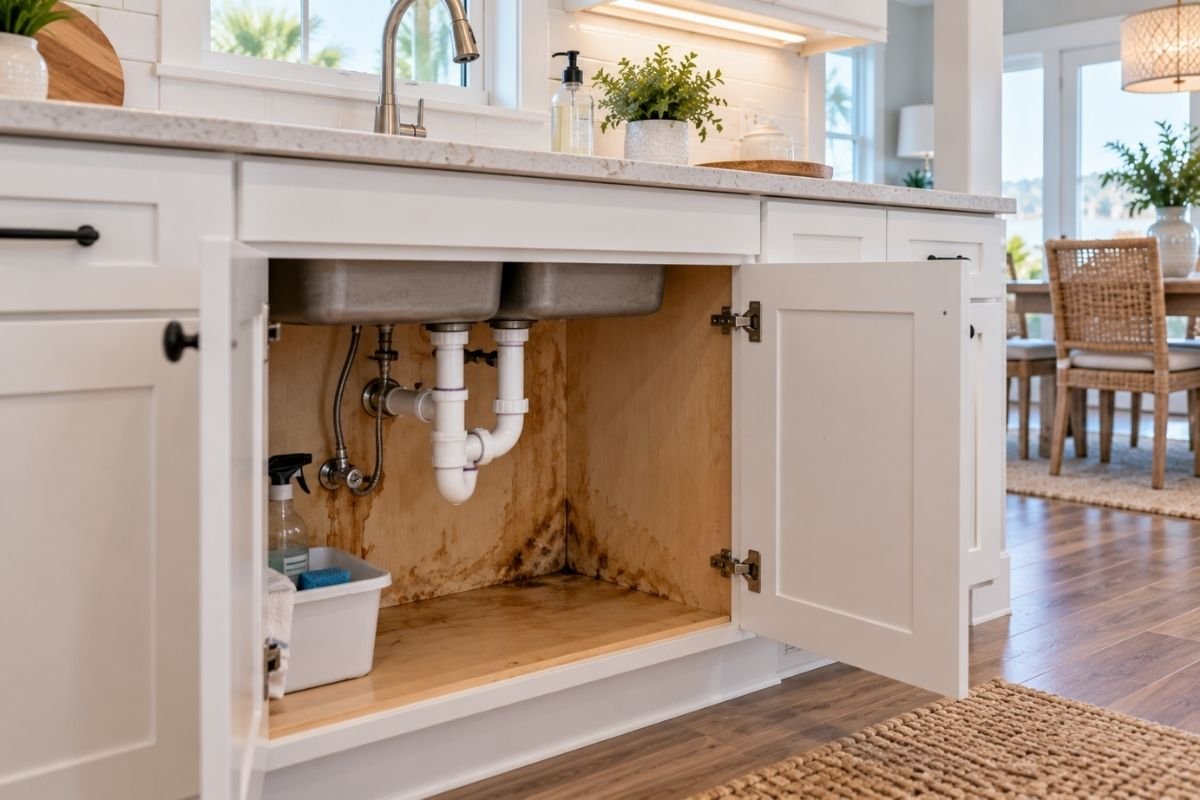
Mold may appear as dark, green, white, or brown patches on surfaces such as walls, ceilings, or baseboards. These spots may grow over time if moisture remains present.
Water Stains or Discoloration
Water stains on ceilings or walls may indicate past leaks or moisture buildup. These areas often provide ideal conditions for mold growth.
Increased Allergy Symptoms Indoors
If family members experience allergy-like symptoms when inside the home but feel better outdoors, mold may be affecting indoor air quality.
Past Water Damage
Homes that have experienced flooding, plumbing leaks, roof leaks, or storm damage often develop mold problems if moisture is not removed quickly.
Benefits of Hiring a Professional
Proper Identification of Mold Sources
Professional mold remediation teams identify both visible mold and hidden contamination. They also locate the moisture source that allowed mold to grow.
Simply cleaning visible mold does not solve the problem if moisture remains.
Safe Mold Removal
Removing mold without proper protection can release spores into the air. Professionals use containment barriers and air filtration systems to prevent spores from spreading.
Advanced Cleaning Equipment
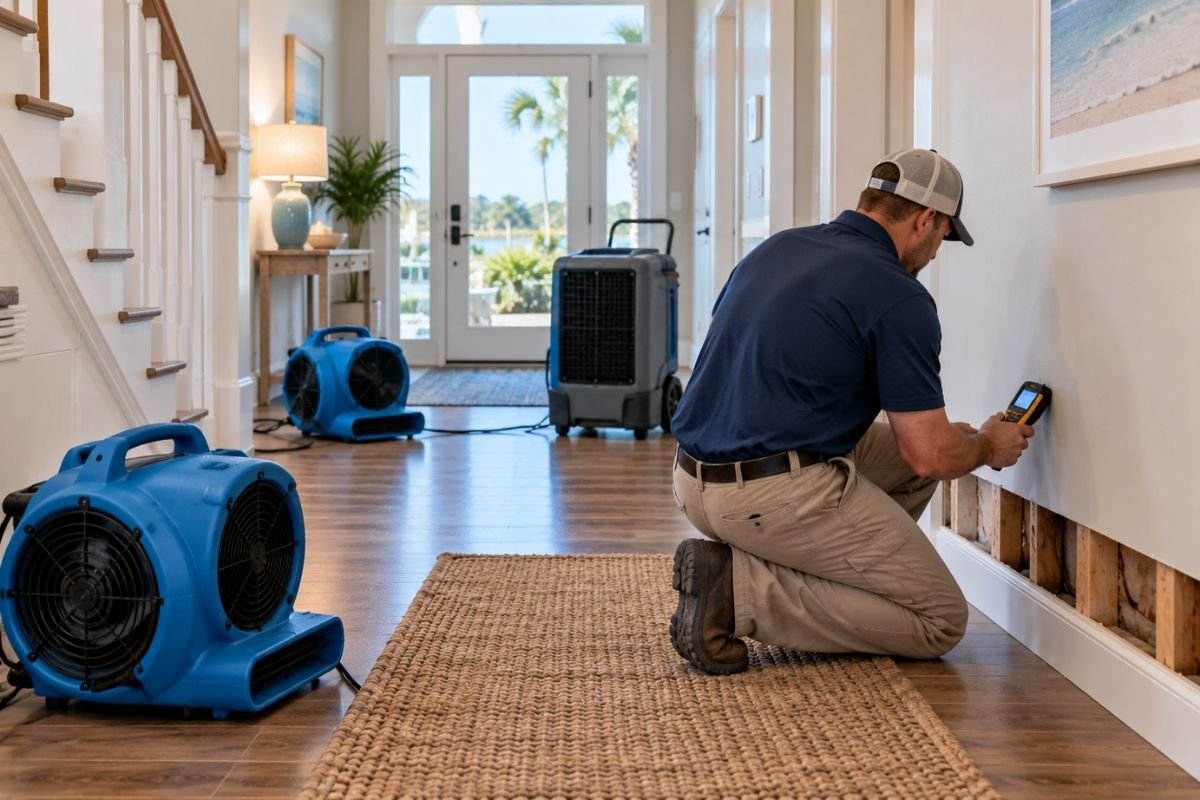
Professional remediation teams use specialized equipment such as HEPA air filters, antimicrobial treatments, and moisture detection tools. These tools help ensure mold removal is thorough and effective.
What the Process Typically Involves
Inspection and Moisture Assessment
The process begins with a detailed inspection of the property. Technicians identify areas affected by mold and determine the source of moisture.
Containment of the Affected Area
Containment barriers prevent mold spores from spreading during the removal process.
Mold Removal and Cleaning
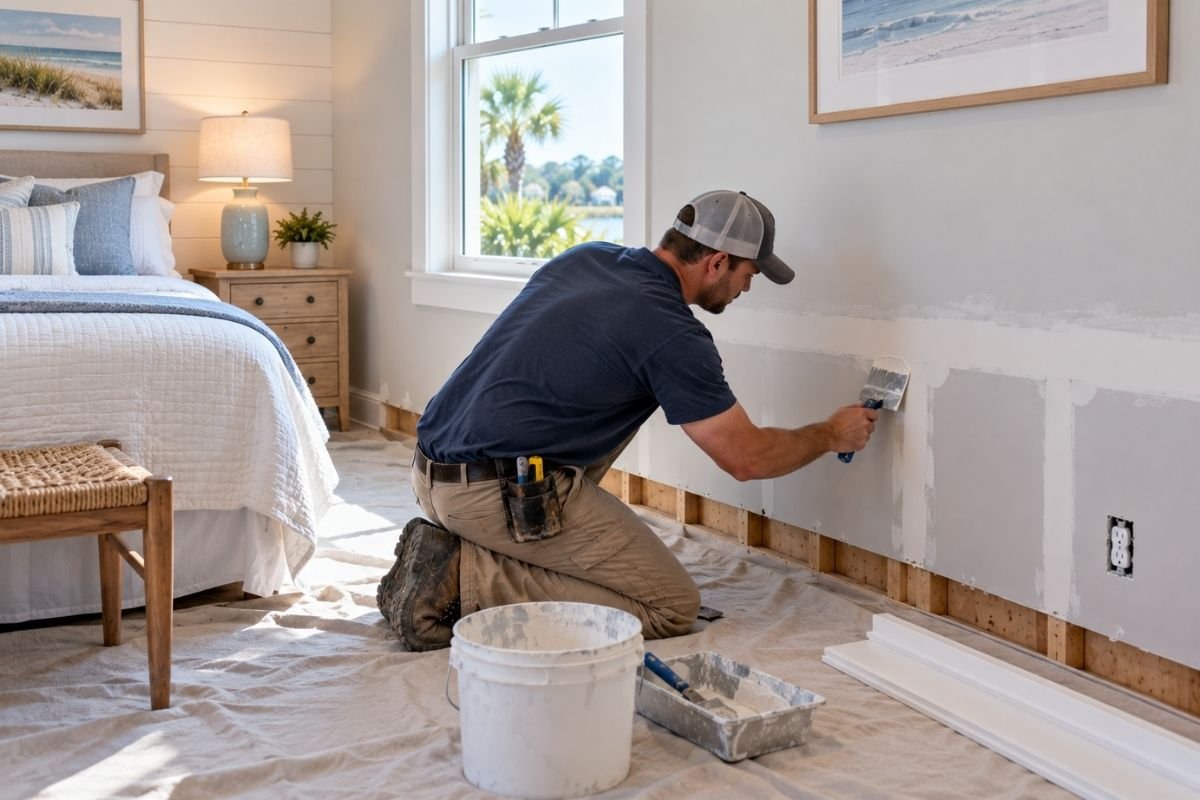
Damaged materials such as drywall, insulation, or carpeting may be removed if mold growth is severe. Remaining surfaces are cleaned and treated with antimicrobial solutions.
Air Filtration
HEPA air filtration equipment removes airborne mold spores and improves indoor air quality.
Repairs and Restoration
After remediation is complete, repairs may be performed to restore damaged areas of the home.
Why This Matters in Hampstead, Wilmington, Surf City, Topsail Beach, and Wrightsville Beach
Coastal Climate Encourages Mold Growth
The climate in coastal North Carolina creates ideal conditions for mold development. Humidity levels remain high for much of the year.
Homes in Wilmington and Hampstead often include crawl spaces beneath the structure. These areas may trap moisture if ventilation is limited.
Properties in Surf City, Topsail Beach, and Wrightsville Beach also face exposure to salt air and ocean moisture. Storms and heavy rains may introduce water into homes through roofs, siding, or foundations.
Because of these environmental factors, mold problems are more common in coastal communities than in many inland areas.
When to Schedule Service
Acting Quickly When Mold Appears
Homeowners should schedule mold remediation services as soon as mold is discovered. Mold can spread quickly when moisture remains present.
Professional services may also be needed after:
-
Flooding events
-
Plumbing leaks
-
Roof damage
-
Storm damage
-
Water damage restoration
Early remediation prevents mold from spreading and reduces repair costs.
Conclusion
Mold growth can affect both the structure of a home and the quality of indoor air. In coastal North Carolina, humidity and moisture exposure make mold problems more common.
Homeowners in Wilmington, Hampstead, Surf City, Topsail Beach, and Wrightsville Beach should watch for warning signs such as musty odors, visible mold spots, or water stains.
Professional mold remediation services remove mold safely, correct moisture problems, and restore healthier living environments. Addressing mold problems early helps protect both your home and your family’s health.