Why Outdoor Showers Are Perfect for Surf City, NC Beach Homes
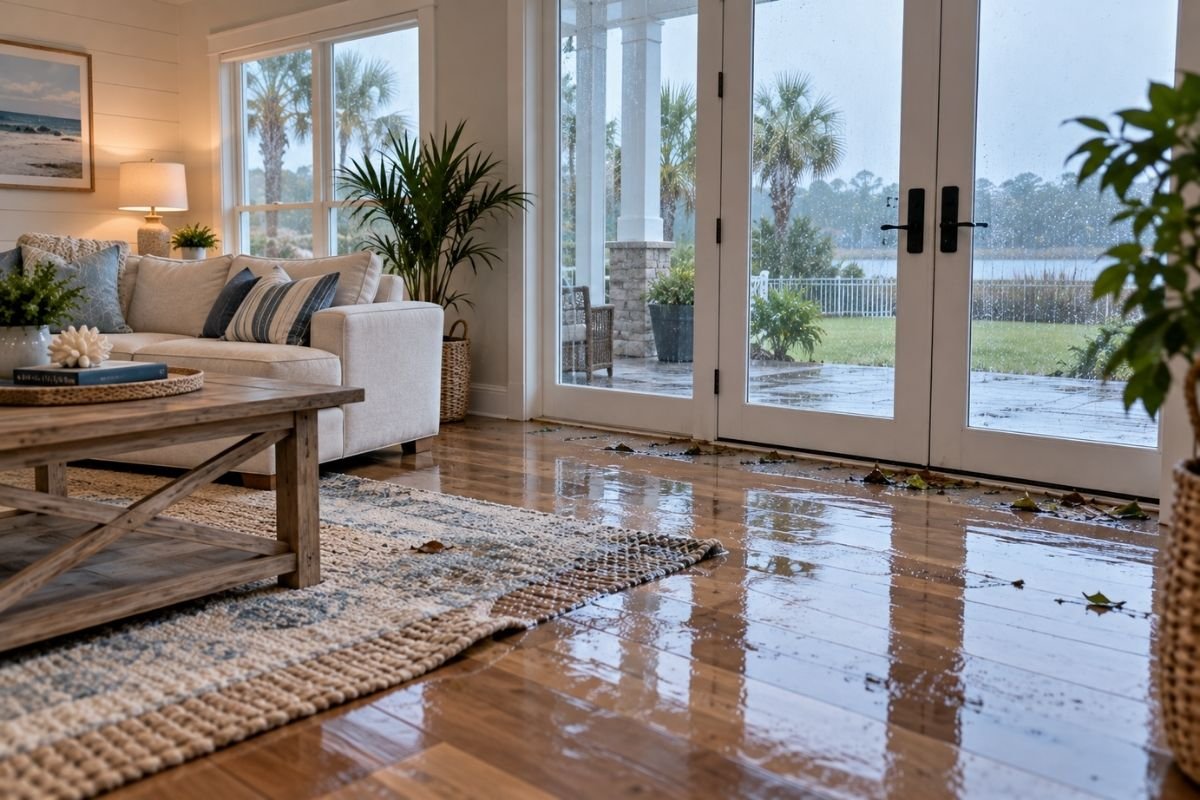
Living near the beach comes with a lifestyle that is difficult to replicate anywhere else. Days spent near the water, sandy walks, surfing, swimming, fishing, and other outdoor activities are part of what makes owning a home in Surf City, NC so enjoyable. But coastal living also means sand, salt, and outdoor debris can easily find their way inside the house.
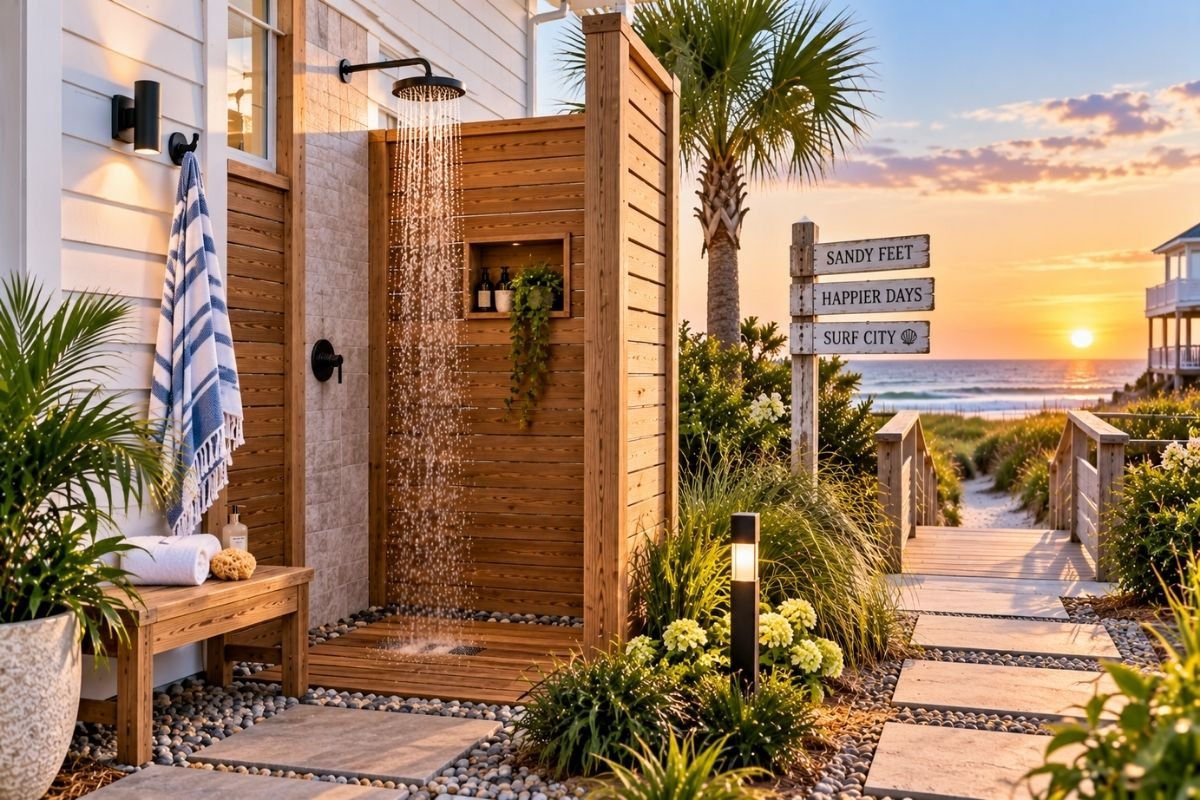
An outdoor shower offers a simple solution while also adding another useful feature to the property. From rinsing sandy feet after the beach to creating a private open-air shower experience, the right design can make everyday coastal living more convenient.
Here are some of the reasons outdoor showers are such a natural addition to Surf City beach homes.
Keep Sand Outside Where It Belongs
One of the most practical reasons to install an outdoor shower at a beach property is sand control.
Even when everyone tries to shake off towels and shoes before entering the house, sand has a way of following people indoors. It can collect on floors, furniture, bathrooms, and entryways.
An outdoor shower provides a dedicated place to rinse feet, legs, beach equipment, and other sandy items before anyone enters the home.
For families who visit the beach frequently, this simple step can make routine cleaning much easier.
Rinse Away Saltwater After a Beach Day
After swimming or spending time in the ocean, many people prefer to rinse off before changing clothes or relaxing indoors.
An outdoor shower makes that possible without bringing wet swimsuits and sandy feet through the house first.
It can also provide a convenient rinsing location for surfboards, beach chairs, coolers, toys, and other equipment exposed to saltwater and sand.
That makes the shower useful even when nobody actually needs a full shower.
Create a Convenient Transition From Beach to Home
The location of an outdoor shower can make returning from the beach considerably easier.
If possible, homeowners can position the shower near the route normally used to enter the property after outdoor activities. Guests and family members can then rinse off before reaching the primary entrance.
A nearby area for towels, sandals, beach bags, or equipment can make the setup even more functional.
Instead of treating the shower as an isolated fixture, consider designing it as part of a complete beach-to-home transition area.
Make the Backyard More Functional
An outdoor shower can also complement other improvements around a Surf City backyard.
For example, it can be positioned near a pool, patio, deck, or outdoor entertaining area. Homeowners planning a larger backyard transformation might combine the shower with cooking and dining areas as well.
If you’re considering several improvements, these outdoor kitchen features for Surf City coastal homes provide additional ideas for creating a more functional outdoor living environment.
Planning these features together can help the backyard feel connected rather than like a collection of unrelated additions.
Choose Between an Open Rinse Station and a Private Shower
Outdoor showers can range from extremely simple to surprisingly comfortable.
A basic rinse station may only require a shower fixture installed against an exterior wall. This can be ideal for rinsing feet, pets, or beach equipment.
A private shower enclosure provides more flexibility. Depending on the available space and intended use, it might include:
- Hot and cold water
- Privacy walls and a door
- A rainfall showerhead
- A handheld sprayer
- Hooks for clothing and towels
- A small bench
- Built-in shelving
- Outdoor lighting
The right choice depends on how frequently the shower will be used and whether it is primarily intended for rinsing or bathing.
Design Privacy Without Making the Space Feel Closed In
A private outdoor shower should provide enough screening to feel comfortable without unnecessarily eliminating airflow and natural light.
Wood slats, composite panels, masonry, fencing, and decorative privacy screens are all potential options depending on the style of the home.
Landscaping can also play a role. Carefully positioned plants can soften the enclosure and provide additional visual separation from nearby outdoor spaces.
When planning privacy, consider neighboring homes, elevated decks, upper-story windows, and pedestrian areas rather than only the view at ground level.
Use Materials That Suit a Coastal Environment
Outdoor structures in Surf City are exposed to conditions that can be challenging for certain materials.
Humidity, salt carried through the air, rain, and strong sunlight can gradually affect wood, metals, finishes, fixtures, and hardware.
Materials intended for outdoor use should therefore be prioritized. Depending on the design, this might include naturally durable or appropriately treated wood, composite products, stone, concrete, exterior-rated tile, and corrosion-resistant hardware.
The shower should also be designed so wet surfaces can dry effectively between uses.
Think Carefully About Drainage
An outdoor shower can release a significant amount of water in a relatively small area, particularly when several people use it after returning from the beach.
That water needs somewhere appropriate to go.
Poor drainage can create standing water, muddy areas, slippery surfaces, and persistent moisture around nearby structures.
The appropriate drainage solution will depend on the property, soil, shower location, surrounding surfaces, frequency of use, and applicable requirements.
Drainage should therefore be part of the original design rather than something addressed after the shower has been installed.
Add Hot Water for Extra Comfort
A cold-water rinse can be refreshing after a hot day at the beach, but hot and cold water can make an outdoor shower much more versatile.
With warm water available, the shower can function more like an additional bathing area rather than only a rinse station.
Whether adding hot water is practical may depend on the location of existing plumbing and the home’s water-heating system.
Locating the outdoor shower near suitable plumbing may help simplify the project.
Choose Comfortable, Slip-Resistant Flooring
Because the shower floor will regularly become wet, the surface should provide suitable traction and allow water to drain efficiently.
Possible materials may include textured exterior tile, stone, concrete, decking, or other outdoor-rated surfaces.
The surrounding path deserves attention as well. Someone leaving the shower with wet feet should have a stable route back toward the house, deck, or patio.
Add a Handheld Shower for More Flexibility
A handheld showerhead can be particularly useful at a beach property.
It makes it easier to rinse children’s feet, clean pets, wash sand from beach equipment, or reach areas that are difficult to rinse with a fixed overhead shower.
Homeowners can combine an overhead shower with a handheld fixture when they want both comfort and flexibility.
Include Hooks, Shelves, and a Bench
Small practical features can significantly improve the experience of using an outdoor shower.
Hooks provide a dry location for towels and clothing, while shelves keep soap and other items off the floor. A small bench can provide somewhere to place a beach bag or sit while changing shoes.
These details require relatively little space but can make the finished shower feel much more thoughtfully designed.
Consider an Outdoor Foot Rinse
Not everyone needs a full shower every time they return from the beach.
A separate low-level foot rinse can provide a quick way to remove sand from feet and sandals without turning on the main shower.
This can be particularly convenient for children and guests or when people are frequently moving between the beach and home throughout the day.
Plan for Changing Coastal Weather
Outdoor improvements near the North Carolina coast should be designed with changing weather conditions in mind.
Strong winds, heavy rain, tropical systems, and salt exposure can affect exterior structures and fixtures. Enclosures, hardware, plumbing components, and accessories should therefore be securely installed and maintained.
The National Oceanic and Atmospheric Administration provides hurricane preparedness information that can help coastal homeowners prepare their properties for severe weather.
Make Maintenance Easy
Outdoor showers generally benefit from simple designs that are easy to rinse, inspect, and maintain.
Sand and leaves should be removed from drainage areas regularly. Fixtures and hardware can be inspected for corrosion, while wood, grout, seals, and other surfaces should be checked periodically for deterioration.
Homeowners should also consider how easily plumbing components can be accessed if maintenance or repairs are needed later.
Design the Shower to Match Your Beach Home
An outdoor shower can be practical without looking purely utilitarian.
Repeating colors, siding styles, wood finishes, stone, or other materials found elsewhere on the property can help the shower look like an intentional part of the home.
For a relaxed coastal appearance, homeowners may combine natural wood tones with simple fixtures, neutral flooring, and surrounding coastal landscaping.
The design does not need to be elaborate. A clean, durable enclosure that complements the home can be both attractive and functional.
A Practical Addition to Surf City Coastal Living
For a Surf City beach home, an outdoor shower can quickly become one of those features that homeowners wonder how they managed without.
It creates a convenient place to deal with sand and salt before entering the house, helps keep beach equipment cleaner, and can add another comfortable feature to an outdoor living area.
The best results come from planning the location, privacy, drainage, plumbing, materials, flooring, and storage together from the beginning.
With a design suited to the property and coastal environment, an outdoor shower can make everyday beach living simpler while adding character and functionality to the backyard.