Planning an Outdoor Kitchen in Wrightsville Beach, NC: What to Consider
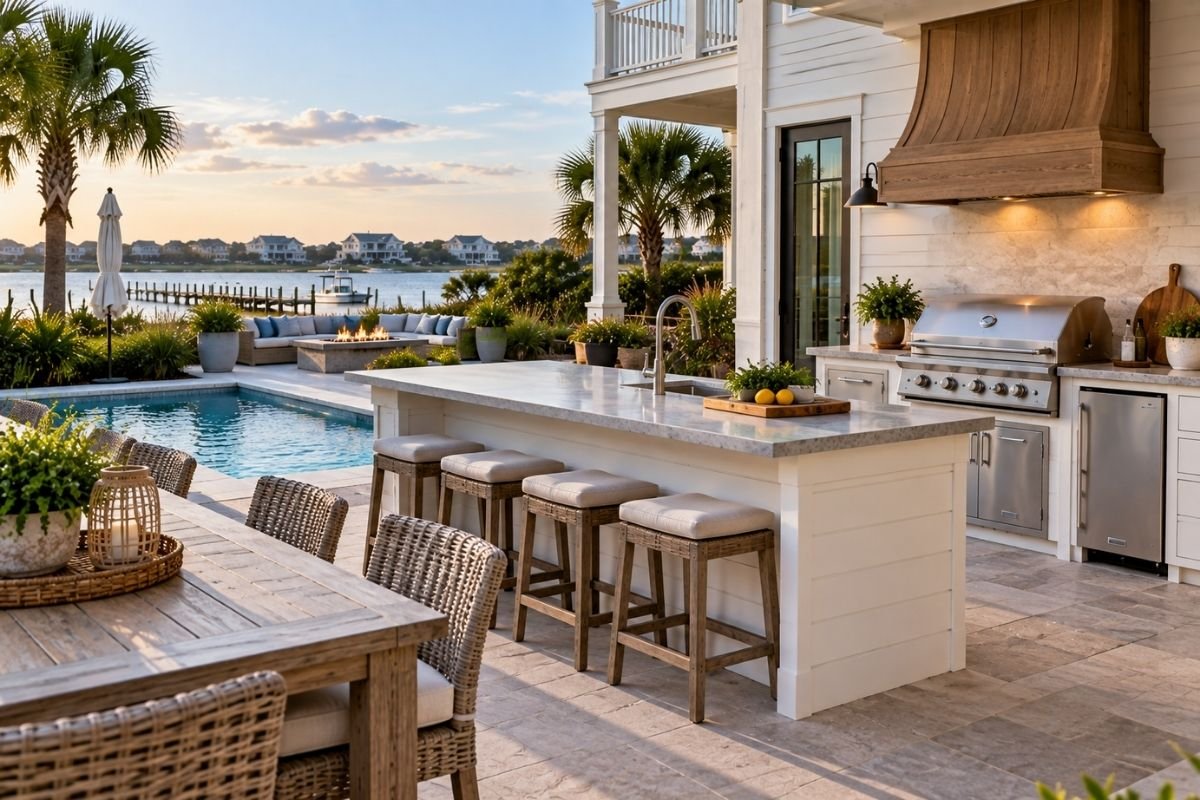
An outdoor kitchen can turn a backyard, patio, or deck into a more functional place for cooking, dining, and spending time with family and friends. In Wrightsville Beach, NC, where outdoor living is closely connected to the coastal lifestyle, having a dedicated cooking and entertaining area can be especially enjoyable.
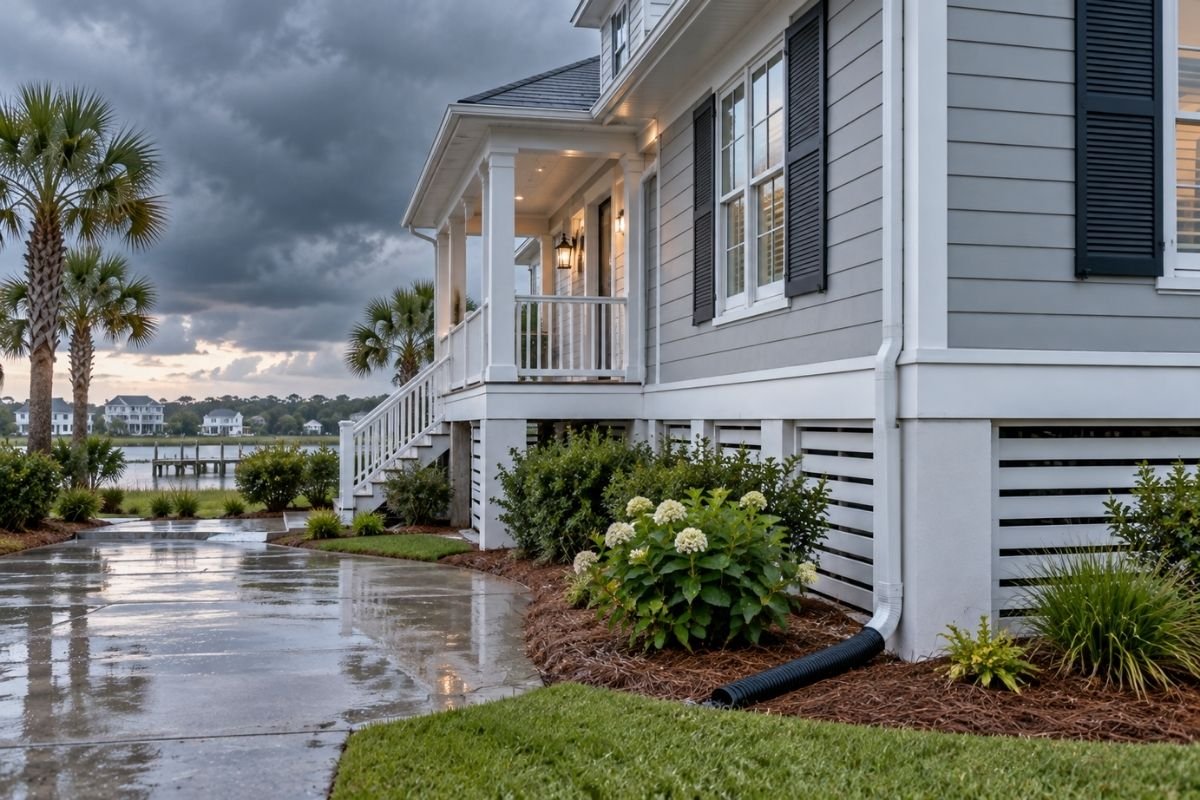
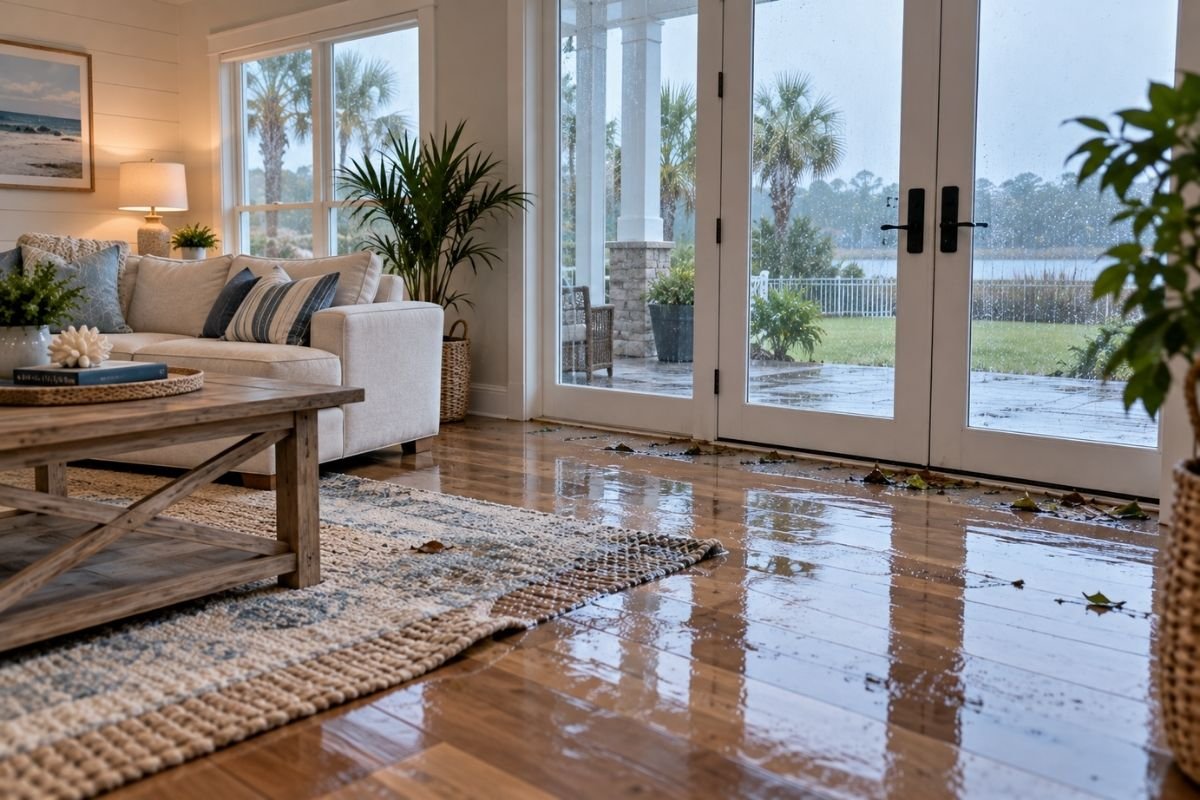
However, planning an outdoor kitchen near the coast requires careful consideration. Salt air, humidity, strong sunlight, wind, heavy rain, and occasional severe weather can influence everything from the location of the kitchen to the materials and appliances you choose.
Before starting your project, consider these important factors to help create an outdoor kitchen that fits your property, lifestyle, and coastal environment.
Consider How You Want to Use the Space
The first step is deciding what you actually want your outdoor kitchen to do.
Some homeowners want a simple space for grilling weekend meals, while others envision a complete outdoor entertaining area with refrigeration, a sink, storage, seating, and multiple cooking appliances.
Think about how often you entertain, how many people typically use the space, and the types of meals you plan to prepare. These decisions can help determine the appropriate size and layout before construction begins.
A practical outdoor kitchen might include:
- A built-in grill
- Food preparation space
- Weather-resistant cabinets
- An outdoor refrigerator
- A sink
- Trash and recycling storage
- Bar or dining seating
- Outdoor lighting
Choosing features based on your actual needs can help prevent the kitchen from becoming unnecessarily large or complicated.
Choose the Best Location on Your Property
Where you place the outdoor kitchen can have a significant impact on how convenient and comfortable it is to use.
Many homeowners prefer a location relatively close to the house so food, dishes, and supplies can easily move between the indoor and outdoor kitchens. At the same time, the cooking area should be positioned thoughtfully in relation to doors, windows, seating areas, and pedestrian traffic.
Before selecting a location, consider:
- Existing patios and decks
- Available shade
- Wind direction
- Sun exposure
- Access to utilities
- Drainage
- Views from the property
- Space for seating and entertaining
The goal is to make the kitchen easily accessible without disrupting the natural flow of the outdoor living area.
Plan for Wrightsville Beach’s Coastal Environment
Coastal conditions should be an important part of material and equipment selection.
Moisture and salt in the air can be challenging for certain metals and finishes. Sun exposure can also affect surfaces over time, while wind-driven rain may reach areas that appear relatively protected.
For this reason, homeowners should select products and materials specifically intended for outdoor use and consider how exposed each part of the kitchen will be.
Regular cleaning and maintenance can also be important for reducing buildup on appliances, hardware, countertops, and other exposed surfaces.
Select Durable Outdoor Materials
An outdoor kitchen is continuously exposed to conditions that an indoor kitchen never encounters. Material selection should therefore balance appearance with durability and maintenance requirements.
Depending on the design, homeowners may consider materials such as masonry, stone, concrete, tile, stainless steel, and outdoor-rated cabinetry.
Countertops should tolerate outdoor exposure and be easy to clean. Cabinet materials should resist moisture, and hardware should be selected with corrosion resistance in mind.
Choosing suitable materials from the beginning can make the finished space easier to maintain over time.
Think About Wind When Positioning the Grill
Wind is an important consideration for outdoor cooking areas near the coast.
The grill should be positioned so smoke and heat are less likely to be directed toward guests, doors, windows, or frequently used seating areas.
Homeowners should also avoid creating enclosed cooking areas without appropriate ventilation. If the kitchen will be located beneath a roof, pergola, pavilion, or other structure, appliance clearances and ventilation requirements should be carefully considered.
Plan Utilities Before Construction Begins
Outdoor kitchens can require several utilities depending on the features included.
A refrigerator and lighting require electricity. A sink requires water supply and drainage. Certain grills and cooking appliances may require a properly installed fuel connection.
Planning these requirements before installing cabinets, countertops, or finished flooring can help avoid unnecessary modifications later.
Electrical, plumbing, and fuel-related work should be completed in accordance with applicable requirements and by qualified professionals where required.
Check Local Requirements Before Building
Depending on the scope of the project, certain outdoor improvements may be subject to local building, zoning, electrical, plumbing, or other requirements.
This can be particularly important if the project includes new structures, utility connections, significant electrical work, plumbing changes, or modifications to an existing deck or patio.
Wrightsville Beach homeowners can review local information through the Town of Wrightsville Beach and confirm current requirements with the appropriate local department before beginning construction.
Include Enough Preparation Space
A grill alone does not create a convenient outdoor kitchen. Homeowners also need enough room to prepare and serve food.
Counter space beside the cooking area provides somewhere to place ingredients, utensils, plates, and prepared dishes. If a sink is included, additional workspace between the sink and cooking area can make meal preparation more efficient.
Think about the kitchen as a sequence: storage, preparation, cooking, and serving. Arranging these areas logically can reduce unnecessary movement while preparing meals.
Protect the Space From Sun and Rain
Shade can make an outdoor kitchen considerably more comfortable during warm North Carolina days.
A covered patio, pergola, pavilion, or another appropriate shade solution may help protect portions of the kitchen and create a more comfortable dining area.
However, any structure around cooking appliances needs to account for heat, smoke, ventilation, and manufacturer-recommended clearances.
Protection from rain should also be considered without creating areas where water becomes trapped around appliances or cabinetry.
Don’t Overlook Drainage
Outdoor kitchens should be designed so rainwater can move away from the cooking and entertaining areas.
Standing water around cabinets, appliances, outlets, or walking surfaces can create unnecessary maintenance concerns. This is especially important when installing a kitchen on an existing patio where drainage was not originally designed around cabinetry or appliances.
The surrounding grade and finished surfaces should be evaluated before the kitchen layout is finalized.
Create Comfortable Seating Without Blocking the Kitchen
One of the benefits of an outdoor kitchen is allowing the person cooking to remain connected with family and guests.
Bar seating, a nearby dining table, or a separate lounge area can help create that connection. However, seating should not interfere with cabinet doors, appliances, walkways, or the primary cooking area.
Leaving sufficient circulation space can make the kitchen feel more comfortable even when several people are using the backyard.
Plan Outdoor Lighting Early
If you plan to use the kitchen in the evening, lighting should be incorporated into the original design.
Task lighting around the grill, sink, and preparation surfaces helps make cooking easier after sunset. Softer lighting around dining and seating areas can create a comfortable atmosphere for entertaining.
Planning lighting early also allows electrical connections to be placed more discreetly and conveniently.
Consider Storage for Everyday Convenience
Good storage can reduce the number of trips between the outdoor and indoor kitchens.
Depending on the layout, cabinets and drawers may provide convenient storage for grilling utensils, serving accessories, cleaning supplies, and other outdoor kitchen essentials.
Storage components should be appropriate for outdoor conditions, and items that can be damaged by heat or moisture should still be stored appropriately.
Make Maintenance Part of the Design
Maintenance is easier when it is considered before the kitchen is built.
Appliances should remain accessible for cleaning and service. Countertops should be easy to wipe down, and areas around cabinets should not trap water or debris.
Homeowners should periodically inspect the outdoor kitchen for signs of corrosion, damaged seals, loose hardware, cracks, water intrusion, or other deterioration.
Taking care of minor maintenance needs early can help protect the overall outdoor living space.
Work With a Plan That Fits Your Property
There is no single outdoor kitchen design that works for every Wrightsville Beach home. Available space, existing structures, exposure to coastal weather, budget, and how the family intends to use the area should all influence the final design.
A smaller property may benefit from a compact linear kitchen, while a larger backyard could accommodate an L-shaped layout, island, dining area, or multiple outdoor living zones.
Atlantic Coastal Solutions helps coastal North Carolina homeowners with property improvements, repairs, and customized projects. Explore the company’s home improvement and property services when planning improvements for your outdoor living space.
Start Planning Your Wrightsville Beach Outdoor Kitchen
A well-designed outdoor kitchen can create a natural connection between your home and the coastal lifestyle that makes Wrightsville Beach special.
The most successful projects begin with thoughtful planning. Consider how you will use the kitchen, choose a suitable location, select outdoor-rated materials, plan utilities and drainage early, and account for the coastal environment before construction starts.
With these details considered from the beginning, your outdoor kitchen can become a practical and welcoming space for cooking, relaxing, and entertaining for years to come.