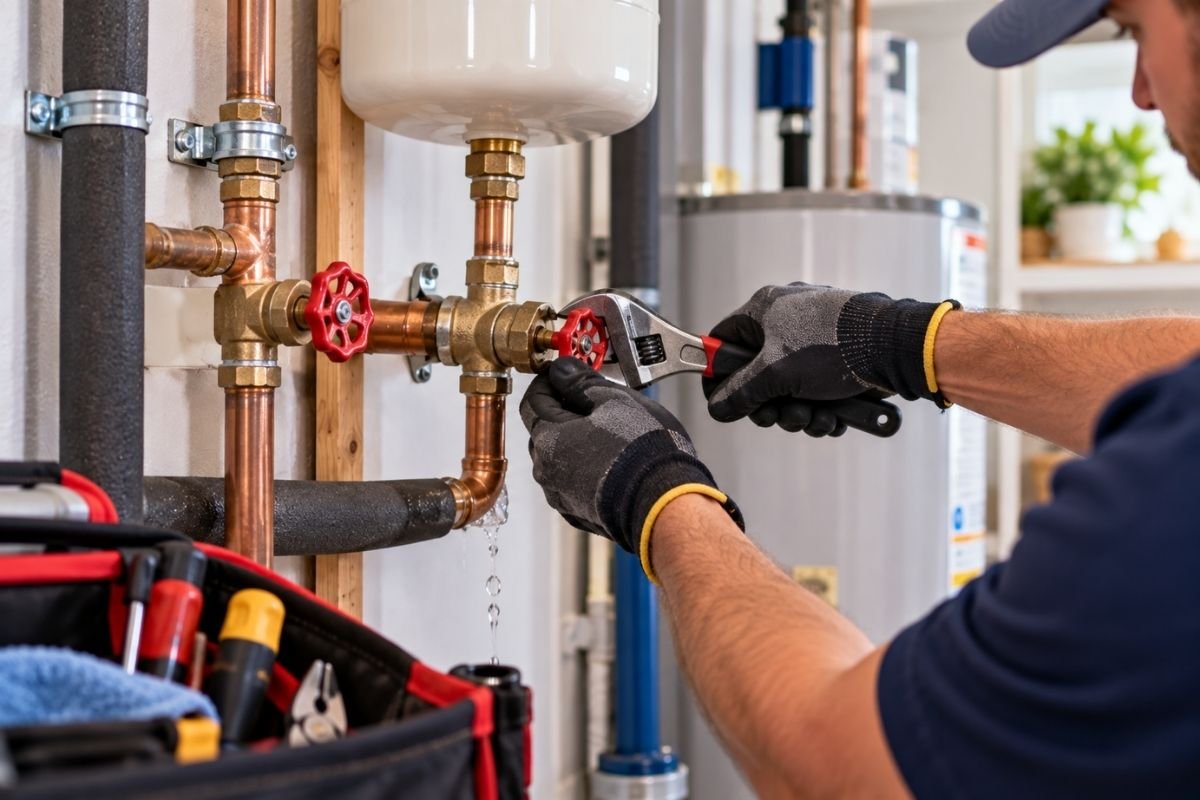
Plumbing Problems Wilmington, NC Homeowners Should Fix Early
Small plumbing problems are easy to postpone. A faucet drips occasionally. A toilet needs an extra flush. Water pressure seems slightly weaker than before. None of these issues may feel urgent at first.
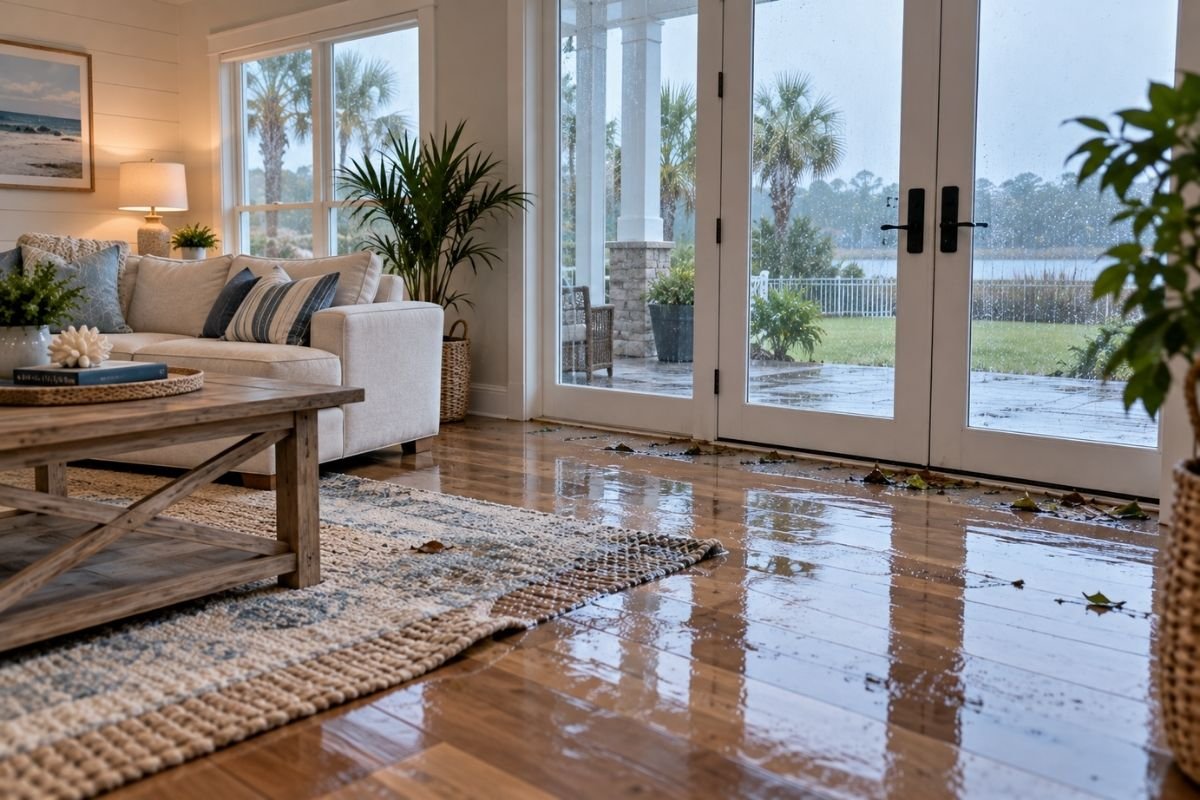
However, minor plumbing problems can become more disruptive when they continue. A small leak can expose cabinets or flooring to moisture. A worn fixture can become less reliable. A slow change in water pressure may also point to a problem that deserves attention.
For homeowners in Wilmington, NC, early plumbing repair can help keep kitchens, bathrooms, laundry rooms, and other areas working properly.
Here are common plumbing problems that are worth addressing before they become larger concerns.
1. A Faucet That Will Not Stop Dripping
A dripping faucet may be one of the easiest plumbing problems to ignore.
The fixture still works, and the amount of water may seem small. However, a persistent drip often means an internal component is worn or no longer sealing correctly.
Repair may be possible when the faucet remains in good condition.
If the fixture is older, corroded, or has needed several previous repairs, replacement may make more sense.
2. Moisture Around the Faucet Base
Not every faucet leak comes from the spout.
Water can also appear around the base of the fixture. From there, moisture may reach the countertop or cabinet below.
Check the area after normal use. If water repeatedly collects around the fixture, find the source.
Do not assume that recurring moisture is simply caused by splashing.
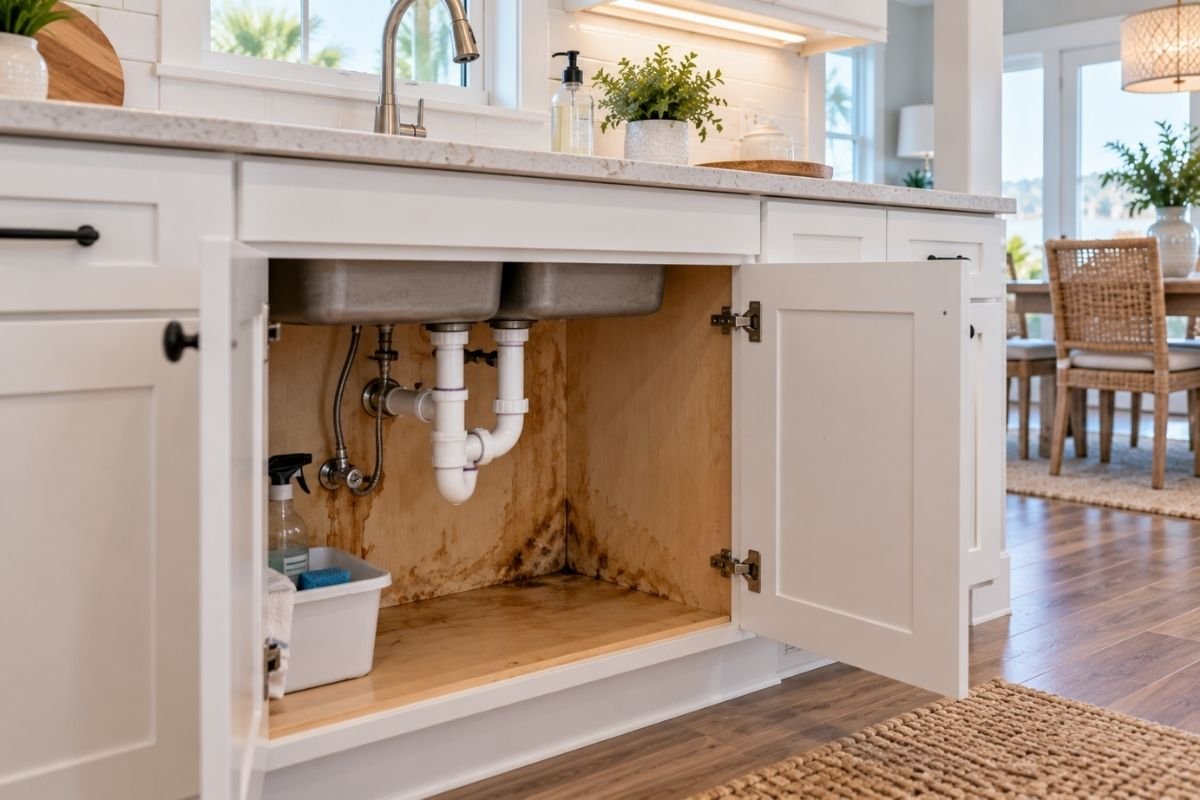
3. Water Beneath a Kitchen Sink
The cabinet below a kitchen sink can hide a leak for days or even longer.
Supply lines, shutoff valves, drain connections, and faucet connections all sit within a relatively small area.
Remove stored items occasionally and inspect the cabinet floor.
Look for dampness, stains, swelling, or unusual odors. These signs can indicate that water has been present.
4. A Bathroom Vanity That Feels Damp
Bathroom sink plumbing deserves the same attention.
A small leak can remain hidden behind toiletries, cleaning products, and other stored items.
Check supply connections and visible drain components. Also look at the cabinet material itself.
Swelling or discoloration can indicate repeated moisture exposure.
5. A Toilet That Keeps Running
A toilet should become quiet after the tank finishes refilling.
If it continues running, an internal component may not be working correctly.
You might also hear the toilet refill for a few seconds even though nobody has used it.
Many running toilet problems can be repaired by replacing worn parts. Addressing the issue early can restore normal operation.
6. A Toilet That Frequently Needs Attention
One repair does not necessarily mean a toilet needs replacement.
However, repeated problems can become inconvenient.
If an older toilet frequently runs, clogs, leaks, or needs new components, compare continued repairs with replacement.
A professional can help determine whether another repair is worthwhile.
7. Water Around the Toilet
Water around the base of a toilet needs investigation.
The source may involve a connection, seal, fixture problem, or another issue.
Repeatedly drying the floor does not solve the cause.
Moisture around a toilet can also affect nearby flooring if the problem continues.
8. A Loose Toilet
A toilet should remain stable when someone sits on it.
Movement can indicate a mounting problem or another issue around the base.
Do not keep using a noticeably loose fixture without having it checked.
Correcting the problem early may help prevent additional stress on connections and surrounding materials.
9. Low Water Pressure at One Faucet
If only one faucet has weak flow, the problem may be limited to that fixture.
Mineral buildup or a worn component can sometimes reduce water flow.
Check whether both hot and cold water are affected.
If other fixtures operate normally, the faucet itself may need cleaning, repair, or replacement.
10. Low Water Pressure Throughout the Home
Low pressure in several fixtures can indicate a different problem.
When sinks and showers throughout the house experience the same change, the cause may not be an individual faucet.
Do not replace multiple fixtures without understanding why the pressure changed.
A professional evaluation can help identify the source.
11. A Showerhead That Leaks After Use
A few drops immediately after a shower can occur as remaining water leaves the fixture.
Persistent dripping is different.
If the showerhead continues leaking long after use, a valve or another component may need attention.
Repairing the underlying issue can stop the recurring drip.
12. Shower Controls That Are Difficult to Operate
Shower handles and controls should move smoothly.
Stiff controls, loose handles, or inconsistent operation can signal wear.
Some components may be repairable. An older fixture may instead benefit from replacement.
Do not force a control that has become unusually difficult to operate.
13. A Leaking Shutoff Valve
Shutoff valves are important even though homeowners rarely use them.
They allow water to be stopped near individual sinks, toilets, and other fixtures.
Check visible valves for moisture or corrosion.
A valve that leaks or no longer operates correctly may need repair or replacement before an emergency makes it necessary.
14. Aging Supply Lines
Supply lines connect fixtures and appliances to the water system.
Inspect accessible lines periodically. Look for deterioration, corrosion, moisture, or damaged connections.
Do not wait for a visibly worn component to fail before addressing it.
If you are unsure about its condition, have it evaluated during other plumbing work.
15. Refrigerator Water Line Problems
Many modern refrigerators connect directly to a water supply.
The connection may serve an ice maker or drinking water dispenser.
Because the line often sits behind the appliance, a small leak may remain hidden.
Unexplained moisture near the refrigerator or nearby cabinetry deserves investigation.
16. Dishwasher Plumbing Leaks
A dishwasher uses water supply and drainage connections during every cycle.
Watch for moisture appearing near the appliance while it runs or shortly afterward.
Water may come from the appliance itself or from a plumbing connection.
Finding the source early can help protect nearby cabinets and flooring.
17. Washing Machine Connection Problems
Laundry rooms can also develop plumbing problems that remain out of sight.
Check accessible washing machine hoses and connections for wear or moisture.
Pay attention to water appearing during fill or drain cycles.
If a hose or connection looks damaged, do not wait for a larger leak before addressing it.
18. Corrosion on Plumbing Fixtures
Visible corrosion can be more than a cosmetic concern.
Wilmington’s humid coastal environment makes routine inspections especially useful.
Check faucets, valves, connections, and other accessible metal components for changes.
A professional can determine whether the issue affects only the surface or whether a component should be replaced.
19. A Fixture That Has Become Loose
Faucets and other fixtures should remain secure during normal use.
Repeated movement can place unnecessary stress on connections.
A loose fixture may simply need to be secured. However, damaged mounting components may require additional work.
Address the movement before it becomes worse.
20. Unexplained Water Stains
A plumbing problem may first appear as a stain rather than a visible leak.
Watch ceilings, walls, cabinets, and areas around plumbing fixtures.
New discoloration deserves investigation, especially when it appears beneath a bathroom or near a water line.
Do not repaint the stain until you know why it developed.
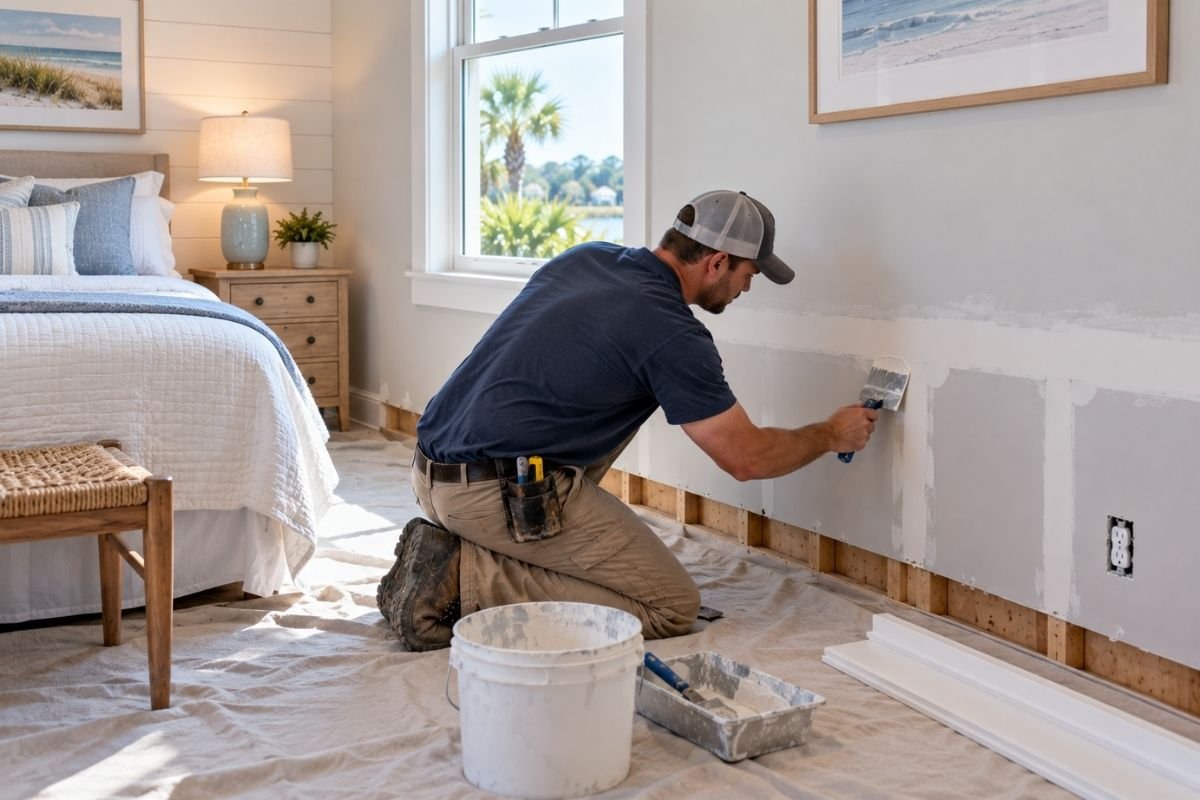
21. Peeling Paint or Soft Drywall
Moisture can change finished surfaces over time.
Paint may bubble or peel. Drywall can become soft. Trim may swell or change shape.
These signs do not identify the exact plumbing problem, but they can reveal that water is reaching an area where it should not.
Find and repair the water source before restoring the finish.
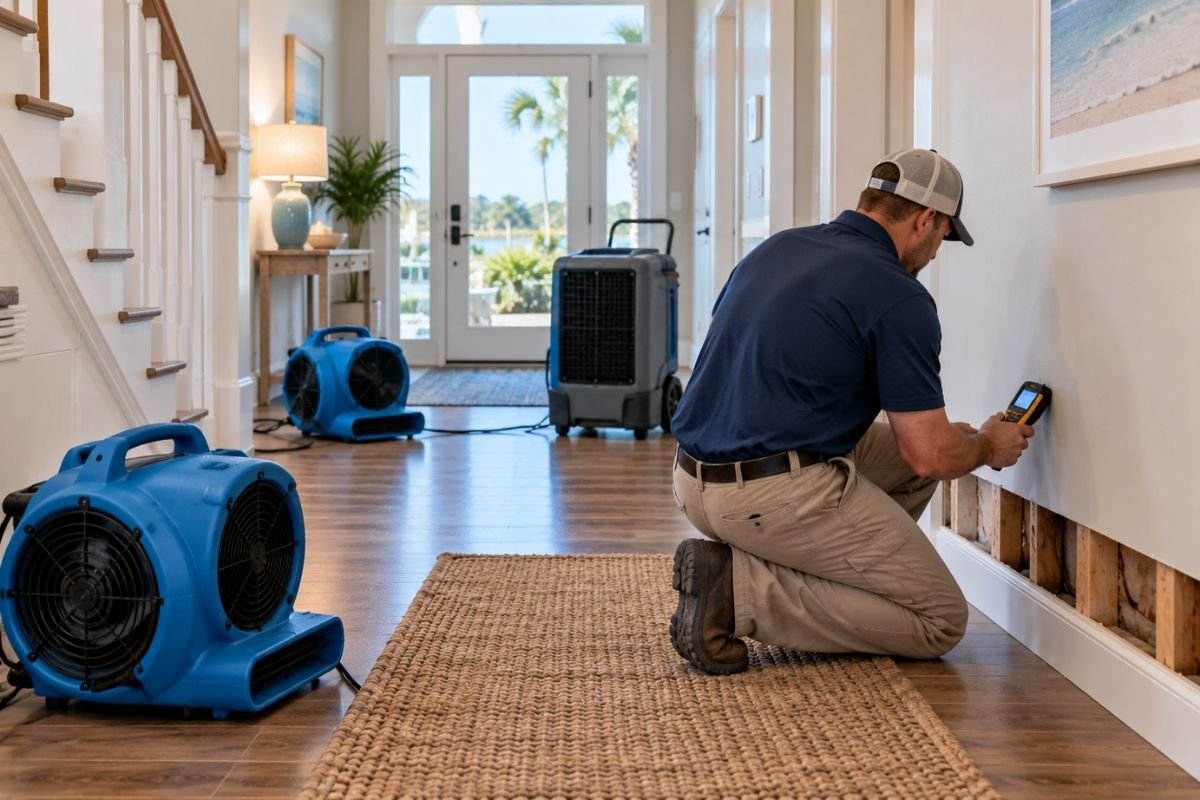
22. A Sudden Increase in Water Use
A plumbing problem does not always produce visible water.
An unexplained change in household water use can be another reason to inspect fixtures and plumbing.
Running toilets and hidden leaks can allow water to move when nobody is actively using a fixture.
The U.S. Environmental Protection Agency provides information about finding and fixing household leaks through its WaterSense Fix a Leak Week resources.
23. Old Fixtures With Repeated Problems
Repair is often a good option when a fixture has one simple problem.
The decision changes when an aging fixture develops issues repeatedly.
Replacement may provide a more practical solution when parts are worn, corrosion is significant, or repair history keeps growing.
A new fixture can also improve everyday function and refresh the room.
24. When Fixture Replacement Makes Sense
There is no single age at which every plumbing fixture needs replacement.
Consider the condition and performance of the individual fixture.
Replacement may make sense when:
- The fixture has recurring leaks
- Important components are damaged
- Corrosion is becoming significant
- Replacement parts are difficult to find
- The fixture no longer operates reliably
- You are already remodeling the room
- You want improved functionality or efficiency
25. Choose New Fixtures for Function First
A new faucet or shower fixture can improve the appearance of a room.
However, appearance should not be the only consideration.
Make sure the new fixture fits the available space, mounting configuration, and existing plumbing connections.
Think about how easy it will be to use and maintain every day.
26. Professional Installation Helps Protect the Upgrade
Even a high-quality fixture can cause problems when installed incorrectly.
Connections must fit securely. Seals need to remain watertight. The fixture should also sit firmly in its intended position.
After installation, test both operation and connections.
Check for leaks before considering the project complete.
27. Do Not Ignore Drain Problems During Plumbing Repairs
A new fixture will not correct a clogged drain.
If a sink also drains slowly, treat that as a separate plumbing concern.
Recurring clogs, odors, or slow water flow can indicate buildup inside the drainage system.
Learn more about slow drains and professional drain cleaning in Wilmington, NC.
28. Know Your Main Water Shutoff
Knowing how to stop the home’s water supply can be extremely useful during a plumbing emergency.
Locate the main shutoff before you need it.
Keep the area accessible and make sure appropriate household members know its location.
If a major leak develops, stopping the water can help limit additional exposure while professional help is arranged.
29. Check Plumbing Before Leaving Home for an Extended Period
If you plan to leave your Wilmington home for an extended period, inspect visible plumbing first.
Look beneath sinks and around toilets. Check appliances with water connections when practical.
Make sure you do not see an active leak or unexplained moisture.
This is especially useful for second homes or properties that may remain unoccupied for stretches of time.
30. Early Repairs Can Protect More Than the Plumbing
A plumbing repair may protect cabinets, flooring, drywall, and other finished areas nearby.
This is why a small leak deserves attention even when the fixture still works.
Stopping the source early can reduce continued moisture exposure.
It can also prevent a simple plumbing problem from becoming a larger home repair project.
Keep Your Wilmington Plumbing in Good Condition
Many plumbing problems begin with subtle changes.
A dripping faucet, running toilet, loose fixture, small leak, or change in water pressure may not seem urgent. However, these symptoms can become more disruptive when they continue.
For Wilmington, NC homeowners, early plumbing repair can help keep fixtures reliable and protect surrounding areas from unnecessary water exposure.
Pay attention to changes, inspect accessible connections, and replace worn fixtures when repair is no longer the practical choice. A small amount of attention today can help prevent a much larger plumbing problem tomorrow.