Water-Damaged Drywall in Wrightsville Beach, NC: What Homeowners Should Know
A small stain on a wall or ceiling can be easy to dismiss. However, discoloration may be the first visible sign that moisture has reached the drywall.
For homeowners in Wrightsville Beach, NC, water can enter finished areas from several sources. Plumbing leaks, roof problems, windows, appliances, and severe weather can all contribute to moisture damage.
The important step is not simply making the wall look clean again. Before drywall is patched or painted, the source of the moisture needs to be identified and corrected.
Here are common signs of water-damaged drywall and what homeowners should consider before beginning repairs.
1. Watch for New Wall Stains
Water damage often begins with discoloration.
You may notice a yellow, brown, or darker area that was not present before.
Do not immediately cover the stain with paint.
First, determine whether moisture is still entering the area.
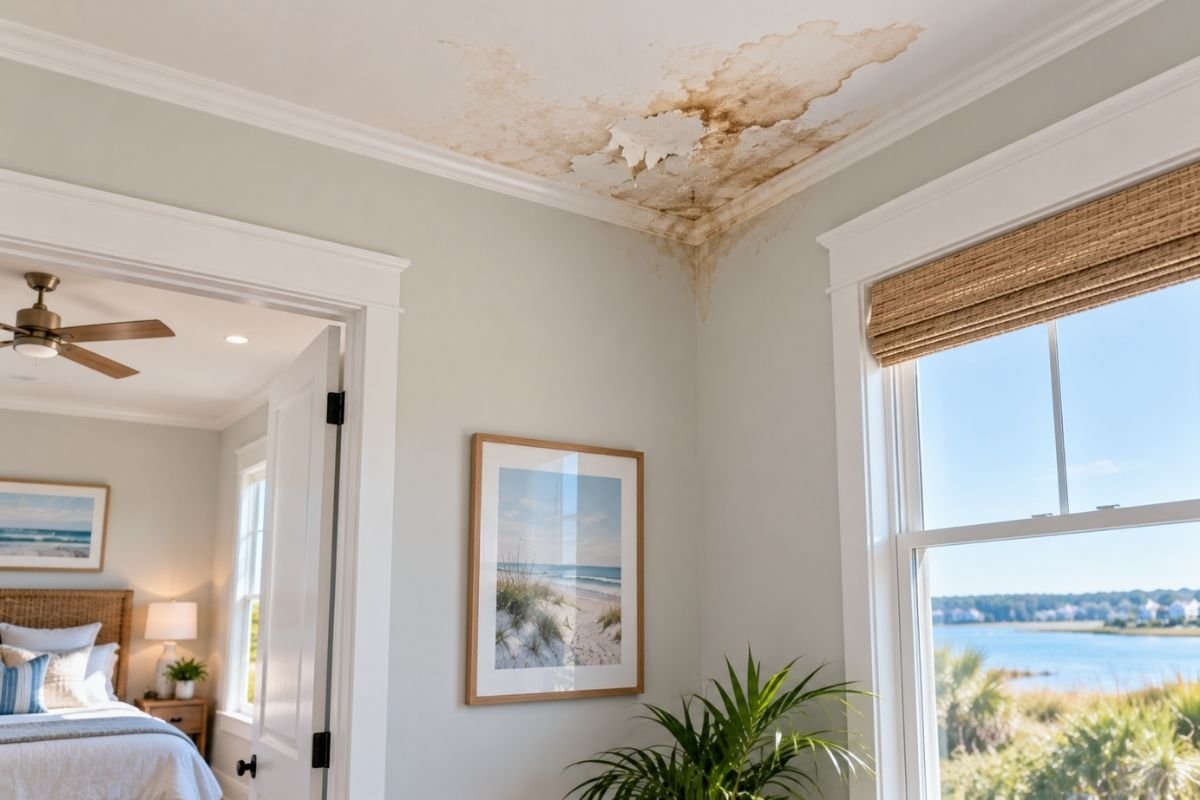
2. Ceiling Stains Can Reveal a Hidden Problem
A ceiling stain may appear some distance from the actual source of the water.
Moisture can travel before becoming visible on the finished surface.
Look at what sits above the affected area. This may include a bathroom, plumbing line, attic, roof, or HVAC-related component.
Finding the source is more important than hiding the stain.
3. Bubbling Paint Can Indicate Moisture
Paint should remain firmly attached to a properly prepared wall.
If it begins bubbling or blistering unexpectedly, moisture may be affecting the surface underneath.
A new coat of paint will not correct an active water problem.
Investigate the cause before refinishing the area.
4. Peeling Paint Deserves Attention
Paint can peel for several reasons, including poor preparation and moisture.
If peeling develops near a bathroom, window, ceiling, or plumbing fixture, check the area carefully.
Remove loose material only after the source of the problem is understood.
The wall needs a stable, dry surface before repainting.
5. Soft Drywall May Need More Than Cosmetic Repair
Drywall should feel solid.
If an area becomes soft, swollen, or crumbly, water may have affected the material itself.
Applying joint compound over badly deteriorated drywall will not restore its original condition.
The damaged section may need removal and replacement.
6. Sagging Drywall Is a Serious Warning Sign
Drywall that begins to sag has experienced a significant change.
This can be particularly concerning on a ceiling.
Do not press on or stand beneath a visibly swollen or sagging ceiling area.
Have the source and condition evaluated promptly.
7. Look for Changes in Wall Texture
Water damage does not always create a dramatic stain.
The wall surface may become rough, uneven, swollen, or distorted.
Compare the affected section with the surrounding drywall.
A change in texture can help reveal moisture damage that is otherwise easy to miss.
8. Musty Odors Can Point to Hidden Moisture
Sometimes homeowners smell a problem before they see one.
A persistent musty odor near a wall, cabinet, or ceiling can indicate excess moisture.
Do not simply use air fresheners to cover the smell.
Inspect the surrounding area and identify the moisture source.
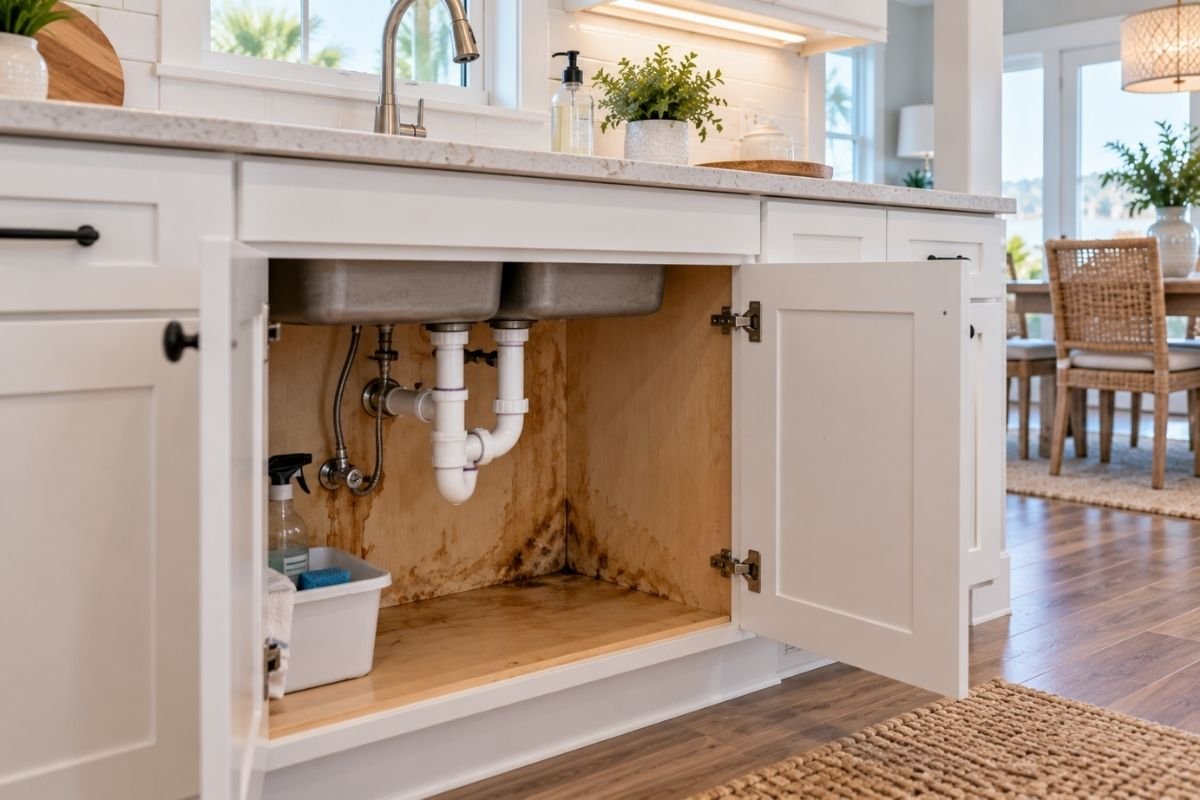
9. Check Beneath Kitchen Sinks
Kitchen sink cabinets can conceal plumbing leaks.
Supply lines, valves, faucets, and drain connections are all located in a small area.
Inspect the cabinet floor and nearby wall for staining, swelling, or dampness.
Finding a small leak early can help limit additional damage.
10. Inspect Bathroom Vanities
Bathroom cabinets can hide moisture in the same way.
Stored toiletries and cleaning supplies may prevent homeowners from seeing the back of the cabinet regularly.
Remove items occasionally and inspect the surface.
Look for dampness, staining, deterioration, or unusual odors.
11. Toilets Can Affect Nearby Drywall
Water around a toilet should be investigated.
Moisture can affect flooring, trim, and nearby wall materials when the problem continues.
Repeatedly drying the visible water does not correct the source.
Address the plumbing problem before repairing surrounding finishes.
12. Shower Areas Need Careful Inspection
Bathrooms experience moisture every day.
Look for peeling paint, staining, softness, or deterioration near showers and tubs.
Caulking, plumbing, ventilation, and other factors can influence moisture conditions.
Determine the cause before beginning drywall repairs.
13. Laundry Rooms Can Hide Water Damage
Washing machines rely on both supply and drainage connections.
A small leak can affect the wall or floor behind the appliance before it becomes obvious.
Check accessible hoses and connections periodically.
Investigate unexplained staining or moisture around the laundry area.
14. Refrigerator Water Lines Can Leak Out of Sight
Refrigerators with ice makers or water dispensers often have a supply line behind the appliance.
A slow leak may remain hidden for some time.
Moisture can reach flooring, cabinets, baseboards, or drywall nearby.
Unexplained changes around the refrigerator deserve closer inspection.
15. Dishwasher Leaks Can Reach Finished Surfaces
A dishwasher can develop problems with its water or drainage connections.
Watch for moisture appearing during or after a cycle.
Water may travel beneath cabinets or flooring before becoming visible.
Repair the appliance or plumbing source before restoring damaged finishes.
16. Windows Can Be Another Moisture Source
Water stains near a window do not necessarily indicate a plumbing problem.
Rain may enter through a problem around the window or surrounding exterior components.
Look for peeling paint, staining, soft drywall, or damaged trim.
The exterior source should be corrected before interior repairs are completed.
17. Roof Problems May Appear on Ceilings
Roof-related water intrusion can eventually become visible inside the home.
The stain may not sit directly beneath the entry point because water can travel along building materials.
Do not assume the visible drywall is the only damaged area.
Identify and repair the source first.
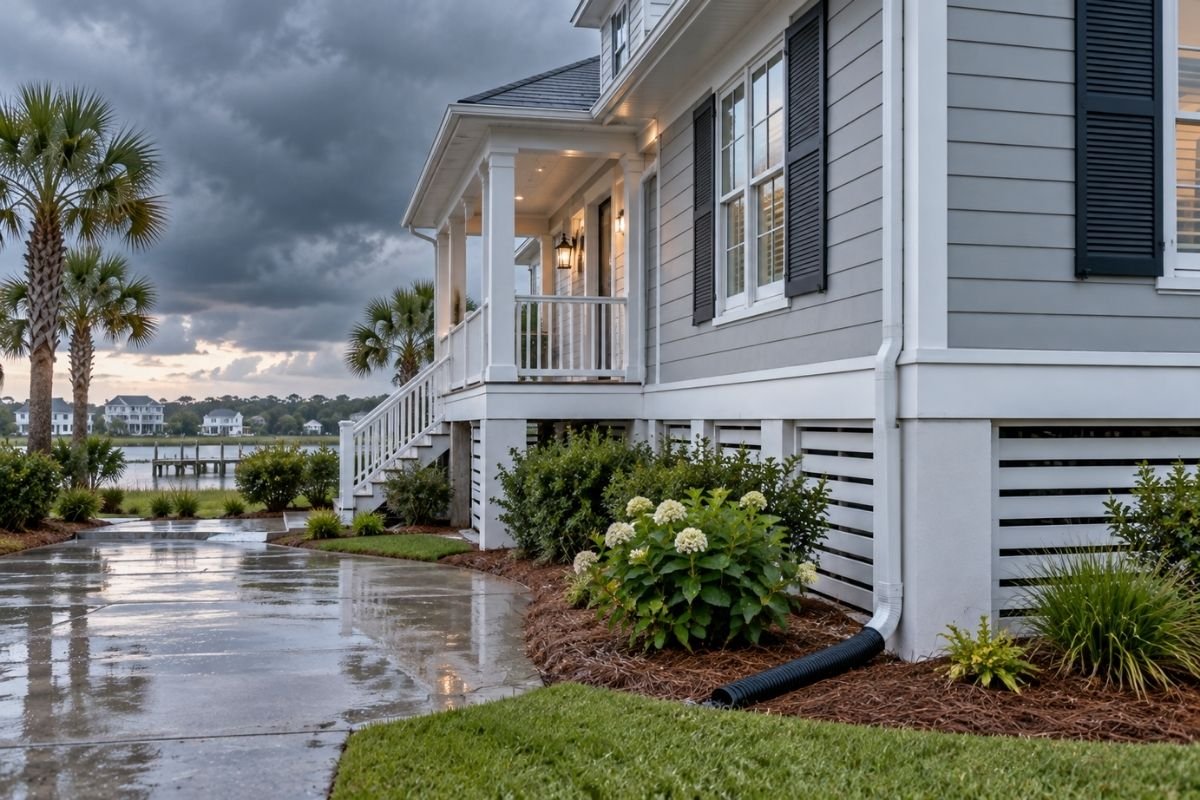
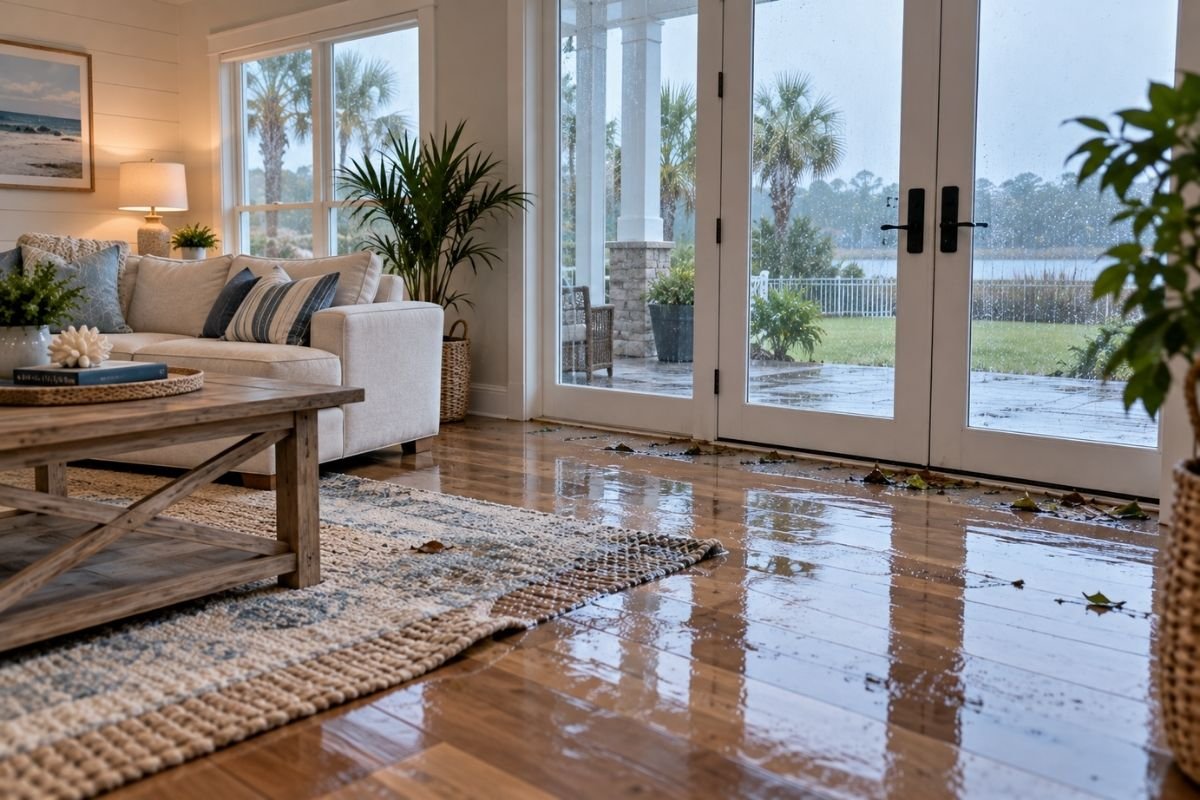
18. Coastal Storms Can Introduce Water in New Places
Wrightsville Beach homes can experience heavy rain and strong wind during coastal storms.
Wind-driven rain may reach areas that remain dry during normal weather.
After severe weather, inspect ceilings, exterior-facing walls, windows, and doors for new signs of moisture.
Early inspection can help identify problems before cosmetic damage spreads.
19. Water Can Travel Behind the Visible Surface
The first stain you see may not mark the exact location of the leak.
Water can move along framing, pipes, or other materials before reaching the finished drywall.
This is why simply cutting out the stained section may not solve the problem.
The source needs to be traced correctly.
20. Fix Plumbing Leaks Before Drywall Repair
If plumbing caused the damage, complete the plumbing repair first.
Otherwise, the replacement drywall may become wet again.
Homeowners can also review information about plumbing repair in Wrightsville Beach, NC when dealing with leaks around household fixtures and connections.
Once the water source is corrected, the damaged area can be evaluated for restoration.
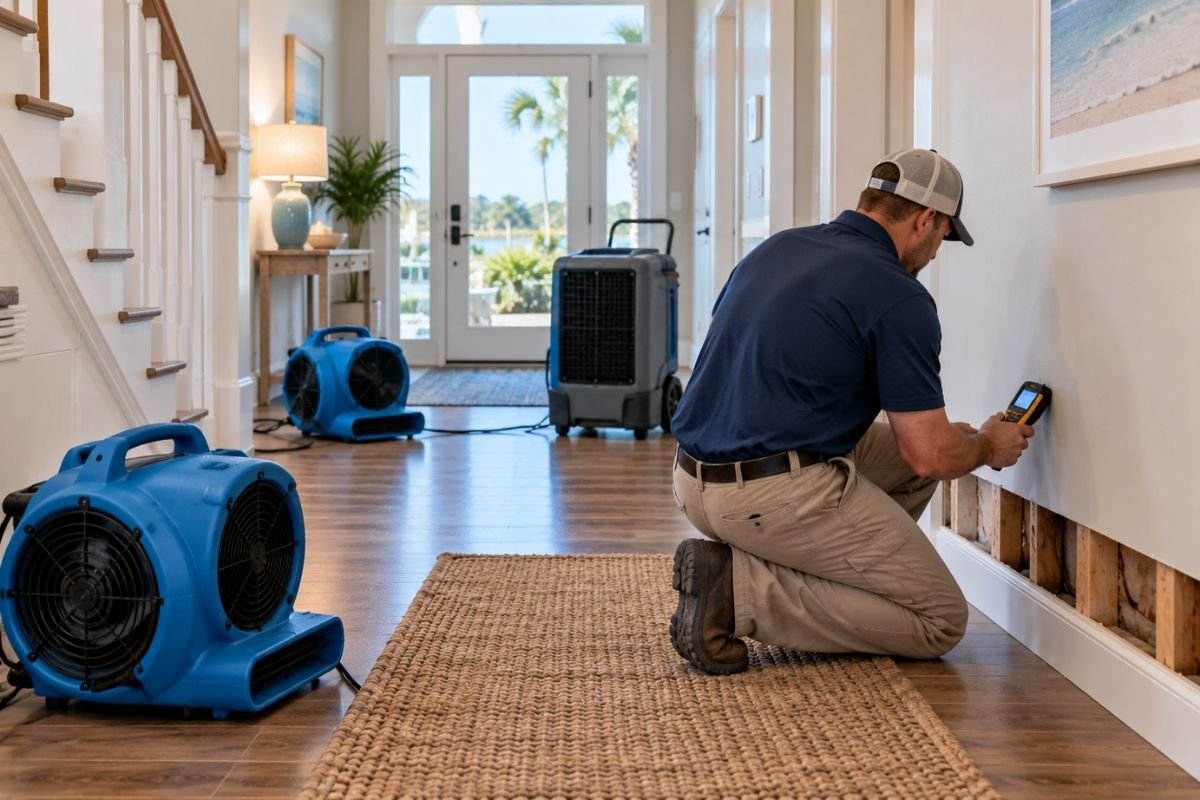
21. Drying the Area Is an Important Step
Do not rush to close a wall while moisture remains.
The area needs appropriate drying before new finished materials are installed.
The amount of drying required depends on the extent of the water exposure.
Larger incidents may require professional water-damage assessment and drying equipment.
22. Some Drywall Can Be Repaired
Not every water stain means an entire wall needs replacement.
If the drywall remains structurally sound and the moisture source has been resolved, a more limited repair may sometimes be appropriate.
The exact approach depends on the condition of the material.
Evaluate the wall rather than choosing a repair based only on the size of the stain.
23. Severely Damaged Drywall May Need Replacement
Drywall that has lost its strength may not provide a suitable surface for patching.
Soft, crumbling, sagging, or badly deteriorated material may need to be removed.
The replacement section should be properly fitted and secured.
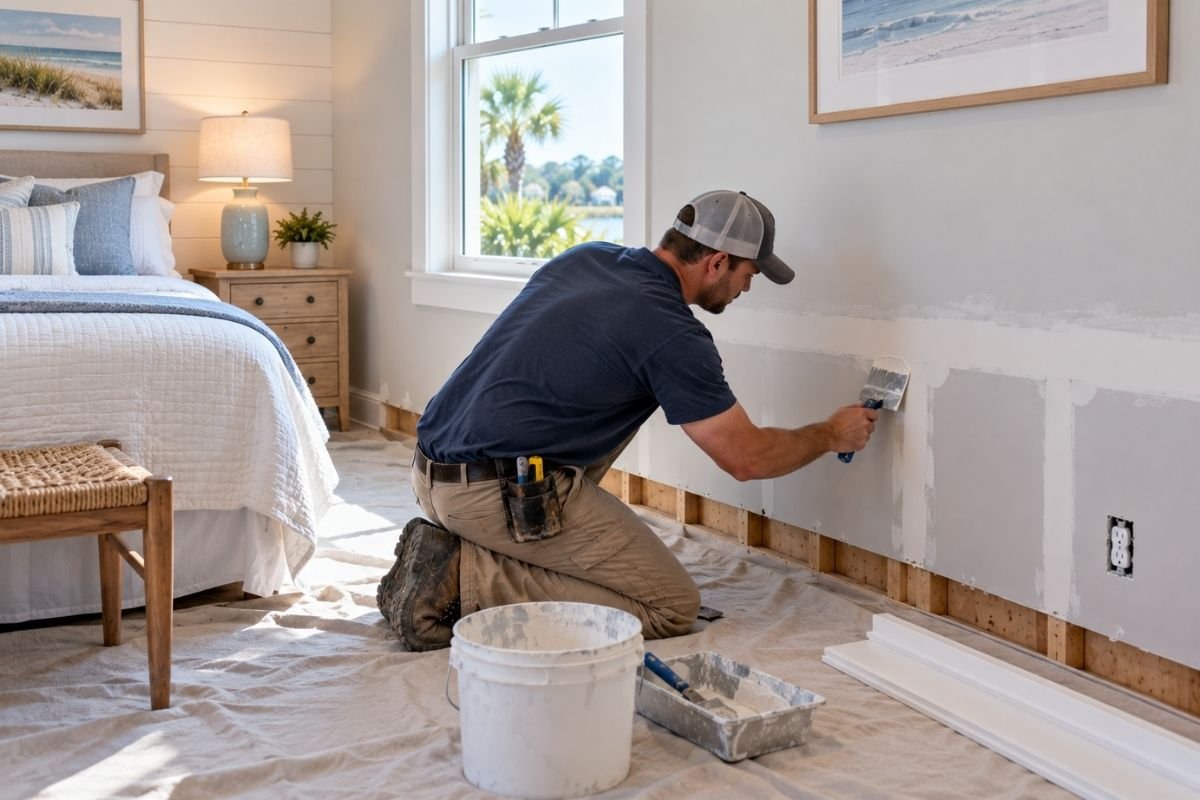
Then the seams can be finished to blend with the surrounding wall.
24. The Repair Should Blend Into the Existing Wall
Replacing damaged drywall is only part of the job.
Joint compound needs to be applied and feathered beyond the repaired section.
After drying, the surface can be carefully sanded.
The goal is to avoid a visible ridge around the patch.
25. Match Existing Wall Texture
Some walls and ceilings have textured finishes.
A smooth repair can remain obvious even after the paint color matches perfectly.
The repaired section should reproduce the surrounding texture as closely as practical.
Texture matching is particularly important in areas with strong natural light.
26. Use Primer Before the Final Paint
Repaired drywall and joint compound can absorb paint differently from an existing finished wall.
Proper primer can help prepare the repaired area.
Special situations may also require products intended for stain control.
Follow product instructions and make sure the underlying moisture issue has been resolved.
27. A Small Paint Touch-Up May Remain Visible
Even when you have the original paint color, an isolated touch-up may not blend perfectly.
Existing walls change with age, sunlight, cleaning, and everyday wear.
Paint sheen can also affect how the repair appears.
Repainting a larger wall section may create a more consistent finish.
28. Moisture and Mold Should Be Taken Seriously
Moisture problems can create conditions that support mold growth.
The U.S. Environmental Protection Agency explains that moisture control is an important part of mold prevention and cleanup.
Large, contaminated, or recurring moisture problems may require professional assessment beyond ordinary drywall repair.
Do not simply seal an unresolved moisture problem behind new materials.
29. Check Repaired Areas After the Next Heavy Rain
If exterior water intrusion caused the damage, continue monitoring the area after repairs.
A heavy rain can help reveal whether the original source was fully corrected.
Look for new staining, changes in paint, or moisture.
Recurring symptoms mean the underlying issue may still need attention.
30. Prevention Starts With Routine Home Inspections
You cannot prevent every leak, but routine inspections can help catch problems earlier.
Look beneath sinks, around plumbing fixtures, near appliances, and around windows.
Check ceilings after major storms and pay attention to unexplained stains or odors.
Small changes are easier to address when they are discovered early.
Restore Water-Damaged Walls the Right Way
Water-damaged drywall is not simply a painting problem.
The first priority is identifying and correcting the source of the moisture. The area then needs to dry, and the condition of the drywall should be evaluated before restoration begins.
For Wrightsville Beach, NC homeowners, this is especially important after plumbing leaks or severe coastal weather. Repairing the visible wall without addressing the source can allow the same damage to return.
Once the underlying problem is solved, careful drywall repair, surface preparation, primer, and paint can help restore a clean and finished appearance.