Common Plumbing Leaks in Wrightsville Beach, NC Homes
A plumbing leak does not always begin with water pouring across the floor. Many leaks start with a slow drip, a damp cabinet, a small stain, or moisture around a fixture.
For homeowners in Wrightsville Beach, NC, finding these problems early can help protect cabinets, flooring, drywall, and other areas of the home. Coastal humidity can also make it harder to notice small moisture problems right away.
Knowing where plumbing leaks commonly develop can make routine inspections easier. Here are several areas homeowners should watch.
1. Leaks Beneath Kitchen Sinks
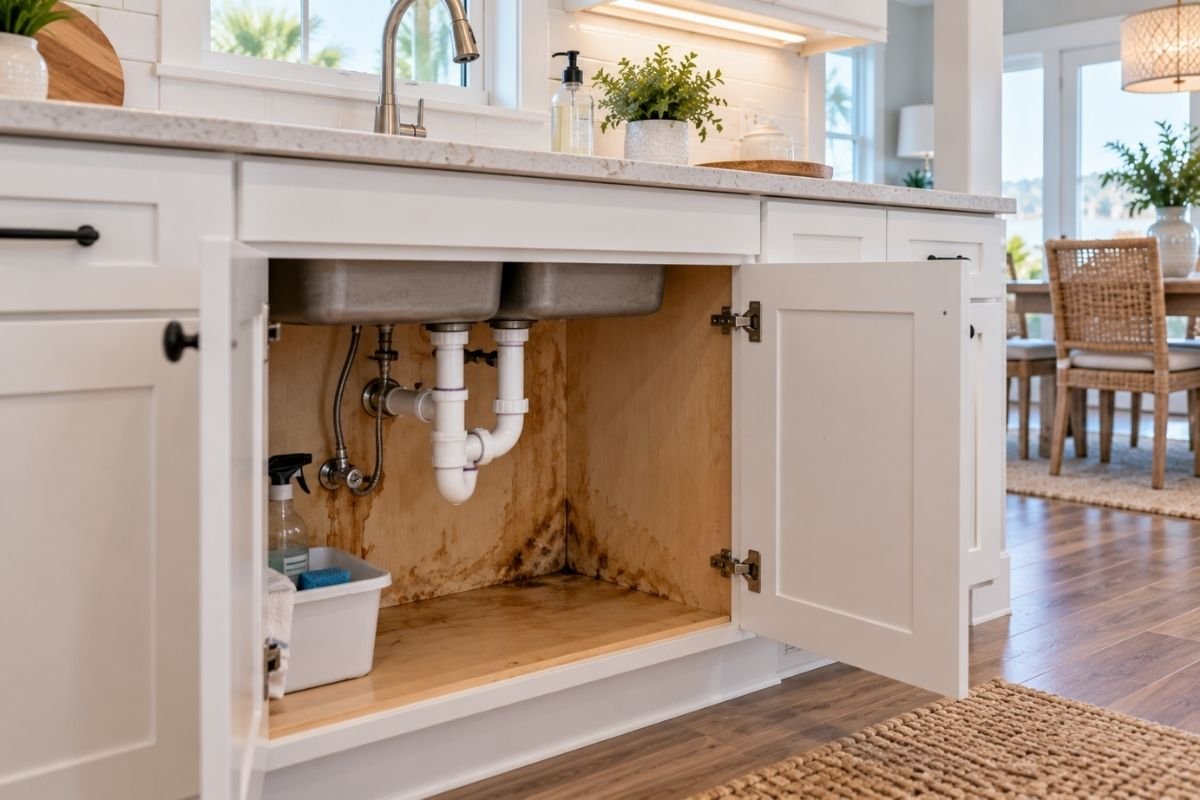
The cabinet beneath a kitchen sink contains several possible leak points.
Water supply lines, shutoff valves, drain connections, and the faucet itself can all develop problems. A small leak may remain hidden behind cleaning products or stored items.
Check the cabinet floor regularly. Look for moisture, staining, swelling, or a musty smell.
If you find water, locate the source instead of simply drying the cabinet.
2. Faucet Leaks
A dripping faucet is easy to hear, but some faucet leaks are less obvious.
Water may collect around the base of the fixture instead of dripping from the spout. It can then reach the countertop or cabinet below.
Worn seals, internal components, or connections may cause the problem.
Depending on the fixture’s condition, a repair may solve the leak. An older faucet with repeated problems may be a better candidate for replacement.
3. Bathroom Sink Leaks
Bathroom vanities can hide plumbing leaks for long periods.
Check around supply lines and drain connections beneath the sink. Also inspect the area around the faucet and basin.
Do not ignore swollen cabinet material or peeling finishes.
These changes may indicate that moisture has been present longer than expected.
4. Leaking Supply Lines
Flexible supply lines carry water to faucets, toilets, and other fixtures.
Connections can loosen or components can deteriorate over time.
Inspect visible lines for moisture, corrosion, cracks, or unusual wear.
A supply line under pressure can release a significant amount of water if it fails, so damaged components deserve prompt attention.
5. Shutoff Valve Leaks
Shutoff valves are easy to forget until you need them.
They allow water to be stopped near an individual fixture during repairs or emergencies.
Older valves may begin leaking around the stem or connections. Some can also become difficult to operate after years without use.
Check visible valves periodically and keep the area around them accessible.
6. Water Around the Toilet Base
Water around a toilet should never be treated as normal.
The moisture may come from the fixture, a connection, condensation, or a sealing problem around the base.
A professional can identify the source before nearby flooring experiences additional exposure.
Do not continue wiping up recurring water without investigating why it keeps returning.
7. Running Toilets
Not every plumbing leak creates a puddle.
A toilet can lose water internally when components inside the tank do not seal or operate correctly.
You may hear the toilet running long after it has been used. It may also refill briefly when nobody has flushed it.
Replacing worn internal components can often correct the problem.
8. Shower Fixture Leaks
A showerhead that continues dripping after use may need attention.
Leaks can also occur around controls, connections, or other shower components.
Visible dripping is easier to identify. Moisture behind finished surfaces can be more difficult to detect.
Changes in nearby paint, drywall, trim, or flooring may provide clues that water is reaching an area where it should not.
9. Tub and Shower Connection Problems
Bathrooms experience water every day, which can make it difficult to separate normal moisture from a plumbing problem.
Watch for water appearing outside the normal wet area.
Staining on a ceiling below an upstairs bathroom also deserves attention.
Finding the source early can help limit the amount of surrounding material that becomes affected.
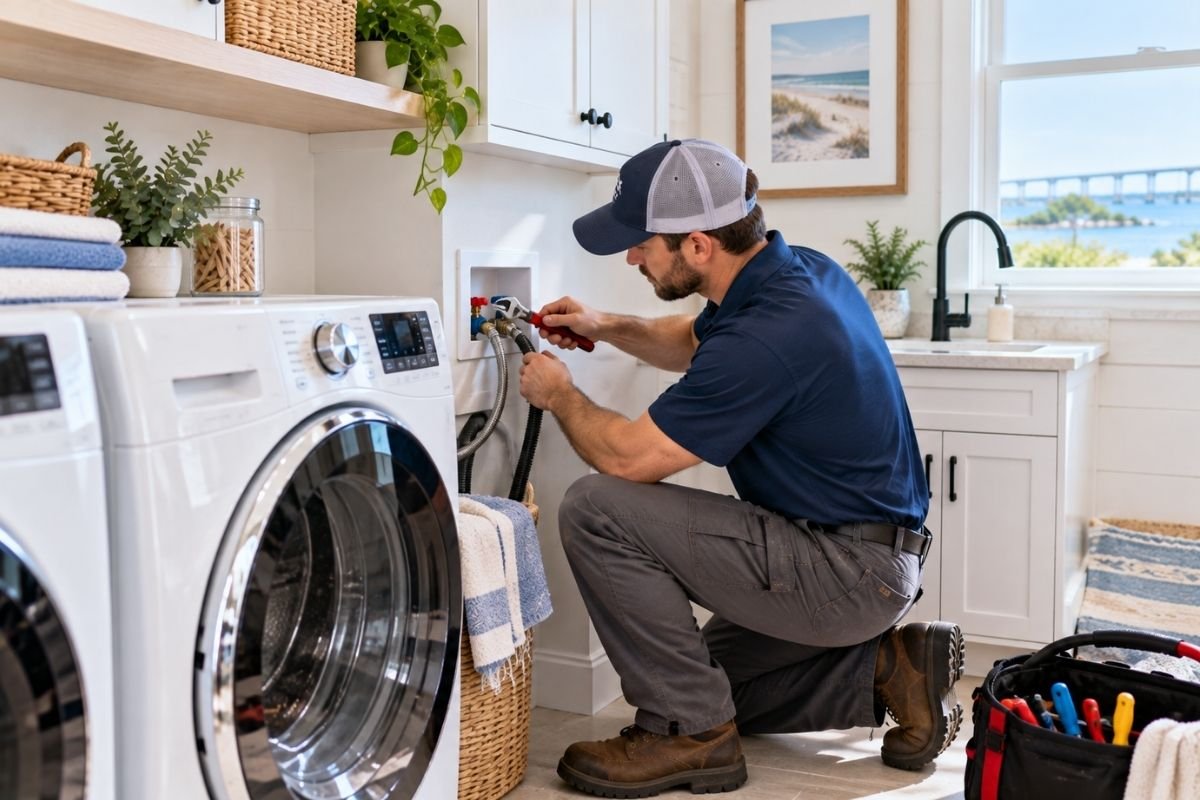
10. Washing Machine Connections
Laundry areas contain water supply and drain connections that homeowners should inspect periodically.
Look behind the washing machine when it is safe and practical to do so.
Check hoses and visible connections for wear, moisture, or deterioration.
Also pay attention to water appearing on the floor during or after a wash cycle.
11. Refrigerator Water Line Leaks
Refrigerators with ice makers or water dispensers may have a connected water supply line.
A small leak behind the appliance can remain unnoticed because the area is difficult to see.
Water may eventually appear along nearby flooring or cabinetry.
If you notice unexplained moisture near the refrigerator, include the water connection in your inspection.
12. Dishwasher Connection Leaks
Dishwashers use both water supply and drainage connections.
Leaks may become noticeable during a wash cycle or after the appliance finishes running.
Water appearing around the front or nearby cabinets deserves investigation.
The source may involve the appliance itself or one of its plumbing connections.
13. Signs of a Hidden Plumbing Leak
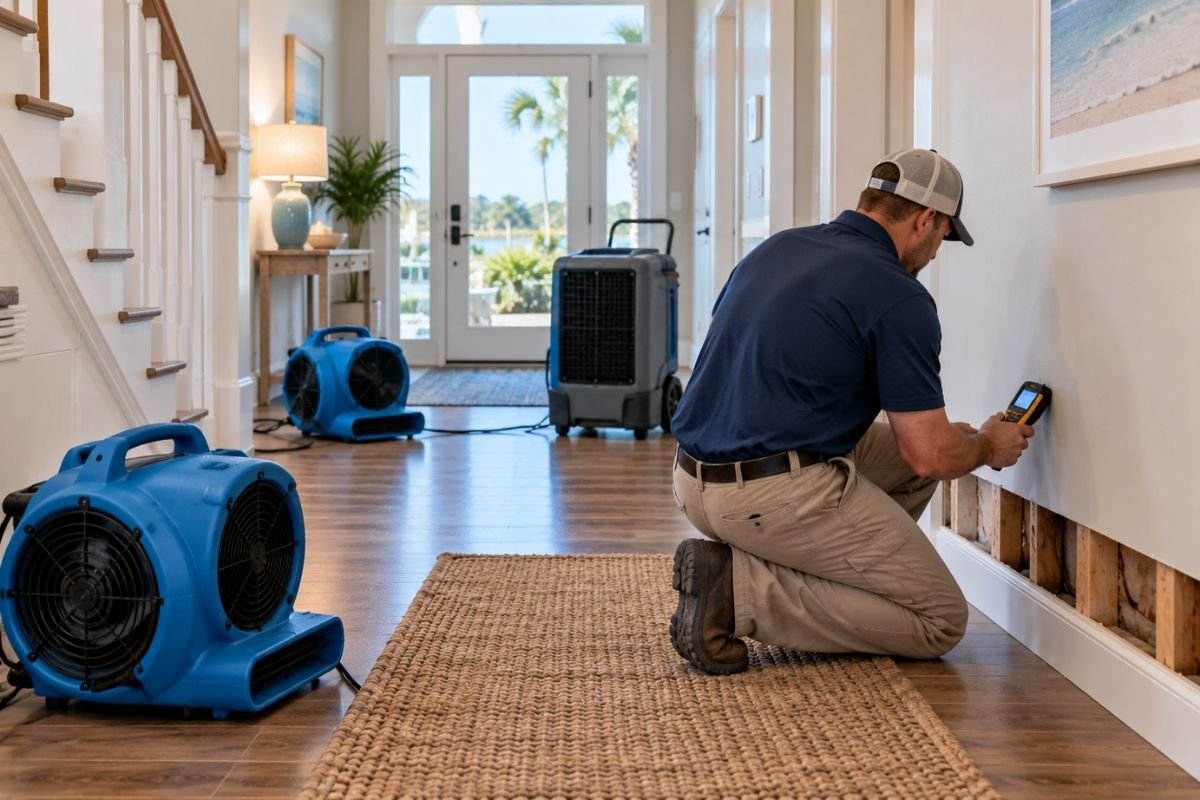
Some leaks develop inside walls, ceilings, or other concealed areas.
You may not see the plumbing source directly.
Instead, watch for warning signs such as:
- Unexplained water stains
- Peeling or bubbling paint
- Soft or damaged drywall
- Swollen cabinetry
- Musty odors
- Damp flooring
- Water appearing without an obvious source
These symptoms deserve attention even when no active drip is visible.
14. Why Small Leaks Matter
A slow leak may release only a small amount of water at one time.
The problem is repeated exposure.
Materials that remain damp can stain, swell, soften, or deteriorate. The affected area may also become larger before the homeowner realizes what is happening.
Fixing the plumbing source early can help limit additional damage.
15. Coastal Conditions Make Regular Checks Useful
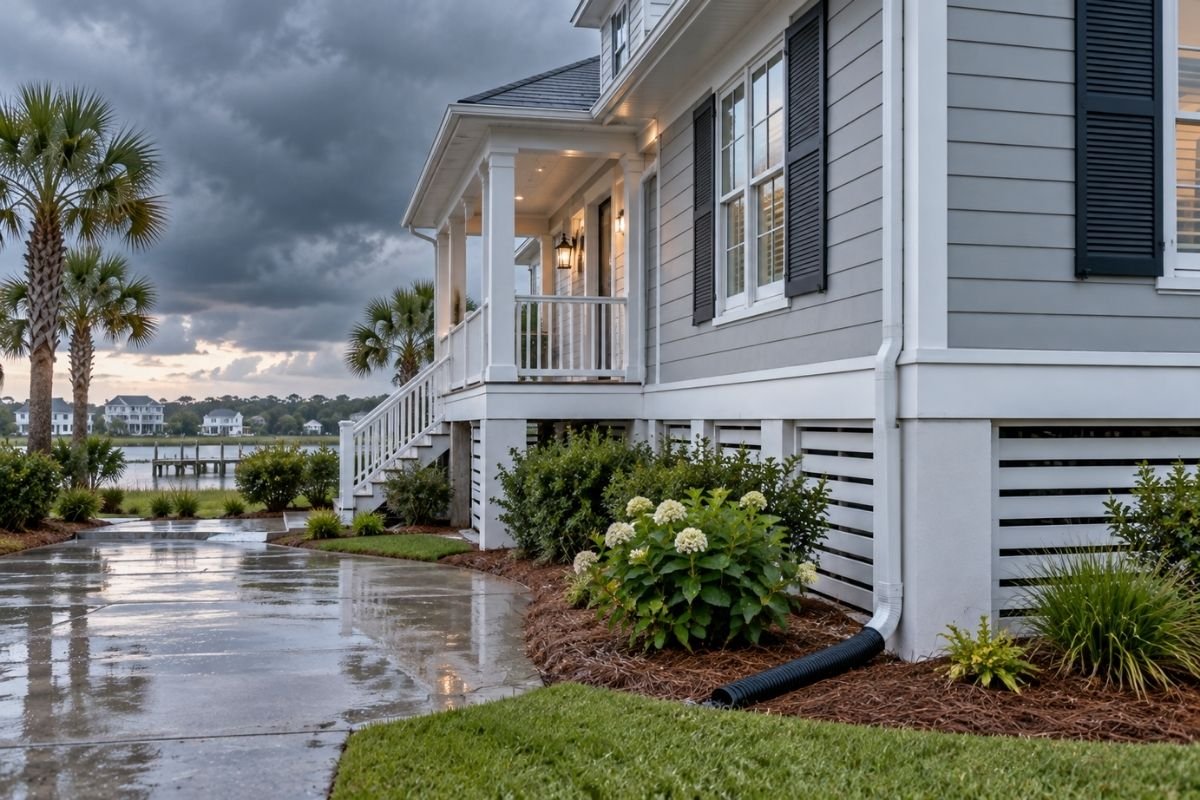
Wrightsville Beach homes experience a humid coastal environment.
Moisture and salt exposure can affect exterior and exposed metal components over time.
Regular visual inspections can help homeowners notice corrosion or deterioration around accessible plumbing fixtures and connections.
Pay particular attention to areas that have leaked in the past.
16. Repairing a Fixture vs. Replacing It
A leak does not automatically mean you need a new fixture.
A faucet in good condition may only need a worn component replaced. A toilet may need a new internal part rather than complete replacement.
However, replacement may make more sense when a fixture has extensive corrosion, visible damage, recurring leaks, or repeated repair history.
Consider both the immediate problem and the overall condition of the fixture.
17. Fixture Replacement Can Prevent Repeated Problems
An aging fixture may continue developing new problems as components wear.
At some point, repeated repairs can become inconvenient.
Replacing the fixture can provide an opportunity to update its function and appearance at the same time.
Choose a replacement that fits the existing plumbing configuration and available space.
18. Consider Water Efficiency When Replacing Fixtures
If a fixture needs replacement, homeowners can also compare water-efficient options.
The U.S. Environmental Protection Agency’s WaterSense program provides information about water-efficient faucets, toilets, showerheads, and other products.
Compare specifications and compatibility before selecting a new fixture.
19. Know Where Your Main Water Shutoff Is
A plumbing leak can become much more serious when water continues flowing.
Every homeowner should know the location of the main water shutoff.
Knowing how to stop the water can help limit additional damage during certain plumbing emergencies.
Do not wait until water is spreading across the floor to search for the valve.
20. Know Your Fixture Shutoff Valves Too
Many sinks and toilets have individual shutoff valves.
These can allow you to stop water to one fixture without shutting down the entire house.
Keep them accessible and make sure you know where they are located.
If a valve itself leaks or does not operate properly, it may also need repair or replacement.
21. Address the Leak Before Repairing Cosmetic Damage
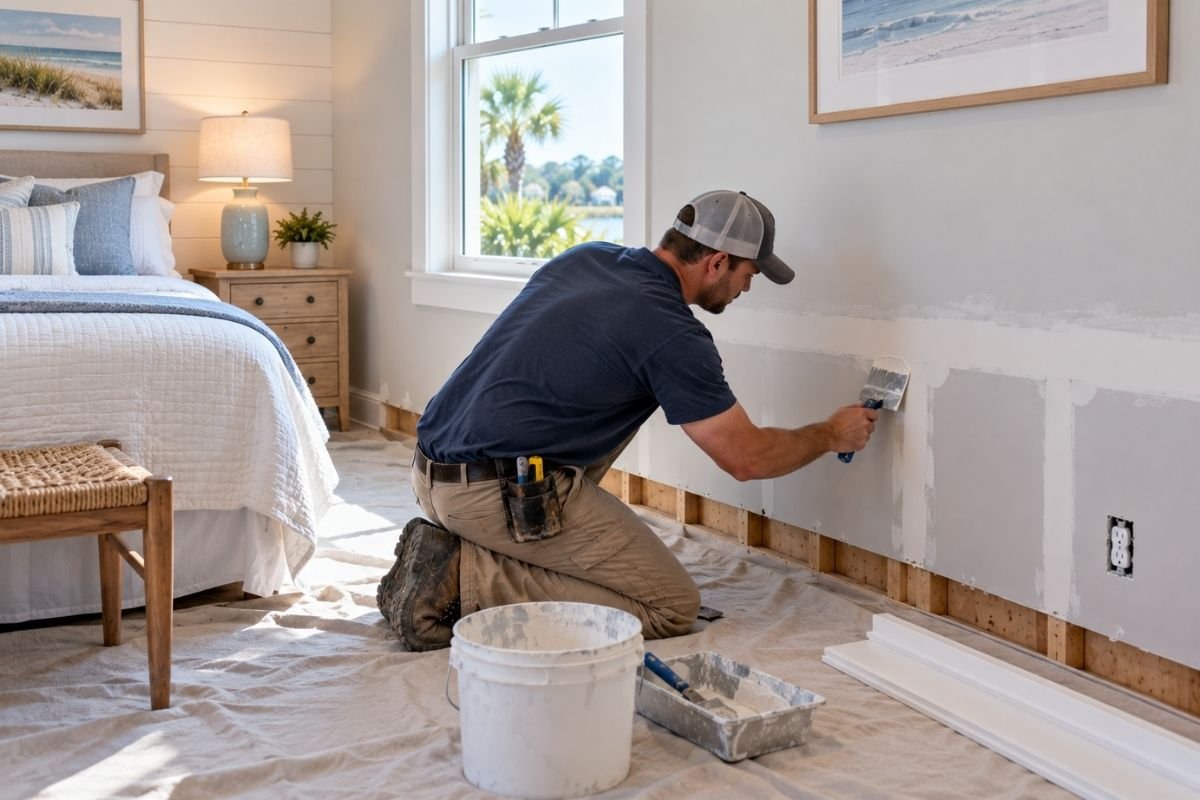
A water stain may tempt homeowners to repaint the area immediately.
However, cosmetic work should wait until the water source has been identified and repaired.
Otherwise, the stain or damage may return.
First stop the leak. Then allow affected materials to dry and determine what additional repairs are necessary.
22. Plumbing Problems Can Affect More Than One Area
Water can travel away from its original source.
A leak inside an upstairs bathroom may eventually appear on the ceiling below. Water under a sink may spread beneath cabinetry or flooring.
The visible damage does not always identify the exact plumbing problem.
Professional evaluation can help trace the source.
23. Do Not Confuse a Leak With a Drain Problem
Leaks and clogged drains require different solutions.
A leak allows water to escape from a fixture, connection, or pipe. A clog prevents wastewater from moving freely through the drainage system.
If a sink drains slowly or repeatedly backs up, drain cleaning may be needed instead.
You can learn more about common causes of clogged drains in Wrightsville Beach, NC homes.
24. Check Plumbing Before Leaving a Coastal Property Unoccupied
Some Wrightsville Beach properties are second homes or vacation properties.
Before leaving a home unoccupied, check visible plumbing areas for active leaks or moisture.
Look beneath sinks, around toilets, and near appliances with water connections.
Finding a small problem before leaving can prevent it from continuing unnoticed for an extended period.
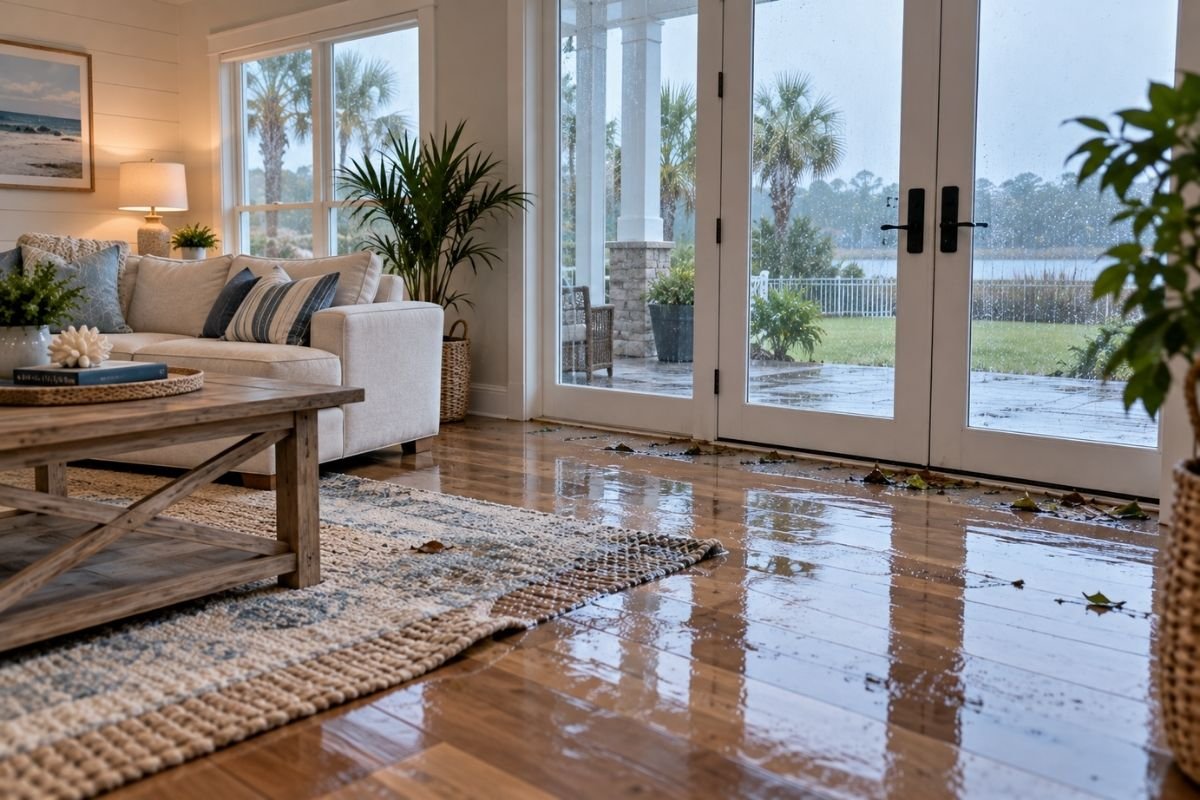
25. Inspect Plumbing After Severe Weather
Coastal storms can affect many parts of a property.
After severe weather, inspect accessible areas for unusual water, damaged components, or changes in plumbing performance.
The National Weather Service provides hurricane preparedness and safety guidance for coastal communities.
If you notice an active leak or unexplained moisture after a storm, investigate it promptly.
When Should You Call for Plumbing Repair?
Some plumbing problems need faster attention than others.
Consider professional plumbing repair when you notice:
- An active or recurring leak
- Water beneath a sink
- Moisture around a toilet
- A faucet that continues dripping
- A leaking supply line or valve
- Water stains on walls or ceilings
- Damaged or corroded plumbing components
- A fixture that repeatedly needs repair
If water is flowing heavily, use the appropriate shutoff when it is safe to do so.
Protect Your Wrightsville Beach Home From Plumbing Leaks
Plumbing leaks often give homeowners small warning signs before they become larger problems.
A damp cabinet, dripping faucet, running toilet, stained ceiling, or leaking connection deserves attention. Finding the source early can help protect surrounding finishes and reduce unnecessary water exposure.
For Wrightsville Beach, NC homeowners, routine plumbing checks are especially valuable in a coastal environment. Inspect accessible fixtures and connections, address active leaks, and replace worn components when needed.
Timely plumbing repair can help keep your home dry, functional, and ready for everyday coastal living.